World Vegan Day and Its Importance During Climate Change in China
World Vegan Day a.k.a. International Vegan Day is a global event celebrated annually on 1 November and is in continuity with Vegetarian Awareness Month (all of October), which begins with World Vegetarian Day on October 1. Through commemorative events like appreciation for all life, faith-based animal advocacy, and activities like setting up stalls, hosting potlucks, and planting memorial trees, people honor the advantages of veganism for animals, humans, and the environment.

The Vegan Society‘s then-chair, Louise Wallis, created this event in 1994 to mark the 50th anniversary of the organization’s inception and the emergence of the terms “vegan” and “veganism.” Louise Wallis mentioned in a 2011 speech: “We knew the Society had been founded in November 1944 but didn’t know the exact date, so I decided to go for 1 November, partly because I liked the idea of this date coinciding with Samhain/Halloween and the Day of the Dead, traditional times for feasting and celebration, both apt and auspicious.”
Veganism in China
The English word “vegan” has no native equivalent in Chinese, like many other languages, and is frequently referred to as “pure Vegetarian” (纯素). A nationwide search for a native Chinese character to symbolize “vegan” was conducted in 2020 by the Beijing-based Good Food Fund, and the old character 茻 stood out. Rarely used in contemporary contexts, this archaic character is pronounced “mǎng.” According to the dictionary, 茻 means “densely growing plants.”

The China Vegan Society claims that this character symbolizes a world full of green, vivid plants that are just beginning to grow. The four 屮 that comprise 茻 each stand for a plant that is just beginning to sprout. There are four characters in ancient Chinese that are made completely of 屮:
屮 (chè): plants sprouting
艸 (cǎo): grass
芔 (huì): a general term for plants
茻 (mǎng): densely growing plants
From a less plant-based lifestyle (屮) to a completely plant-based or vegan lifestyle (茻), these four characters stand for the range of plant-based lifestyles. Moving more people on this spectrum in the direction of 茻 is the goal.
The Taoist and Confucian practice of zhai (斋) asceticism is where vegetarianism in China initially emerged during the Spring and Autumn period, which spans roughly 770 to 476 BCE. During times of grief or when preparing for religious rites, Zhai (斋) is the “practice of purifying the body and mind by abstaining from distracting thoughts and stimulating foods (including meat).” However, throughout the early phases of the practice of Zhai asceticism, abstinence from meat consumption was not initially considered customary. Wong claims that the Book of Etiquette and Ceremonial has the earliest indications of explicit vegetarian ritual practices around this time.
Traditional Chinese dishes used to include a lot of vegetables, beans and tofu with rice as the central fare. Chinese regional cuisines are amongst the many different cuisines found in different provinces and prefectures of China as well as from larger overseas Chinese communities: Anhui, Cantonese, Dong Bei, Fujian, Gansu, Hainan, Hakka, Hunan, Jiangsu, Jilin, Mongolian, Qinghai, Shandong, Sichuan, Tibetan, Xinjiang, Yunnan, Zhejiang, each one of these culinary approaches include lots of traditional dishes made only with vegetables, vegetarian or vegan dish.

Like in most other nations, rising affluence has been correlated with rising meat consumption, which was long considered a luxury good. China set the record for consuming half of the world’s pork, and traditional Chinese cuisine was never as meat-heavy as it is now. Does China have vegans? Yes, of course. But since most Chinese believe that vegetables fried in fish oil or hog lard are perfectly acceptable for vegetarians and vegans because there is no meat in the dish, many vegans in China cook and eat mostly at home.
There aren’t many restaurant options, although you can locate vegan-certified eateries in major cities like Shanghai, Beijing, Hong Kong, and others. There people can find upscale no-meat-burger places that provide only vegetarian food or more expensive vegan restaurants that specialize in Chinese cuisine. Cheap restaurant options are more limited. Of course, travelers can’t get any certainty from street vendors or stalls, since some of the people who prepare BBQ vegetables will have no problem cooking them on the same grill or right next to meat and fish. Stalls that grill tofu and potatoes or sell pre-cooked white rice and fruit are among the few vegan-friendly street food stalls.
When dining at a low-cost restaurant in China, “vegetable” dishes aren’t always what it seems. It frequently contains animal fats. They can add pork to the dish, say it’s only a little bit, or say it adds flavor, or perhaps just scrape it off and bring back the same dish. This is common in low-cost restaurants, outside of large cities, and in villages where people order, not from the menu, but by indicating the ingredients.

Outside big towns, Buddhist temples and monasteries and their environs are the finest places to get vegan cuisine. The majority of Chinese Buddhist food is vegan.
Since most product packaging and ingredient descriptions are only written in Chinese, it can be difficult even to find vegan snacks and foods in China. Best options are fresh fruit and unprocessed seeds.
It wouldn’t be entirely accurate to say that veganism is simple in China. It is definitely cheaper, easier, healthier and more certain to go to the market and buy your favorite ingredients and cook food and snacks for self and friends. However, current environmental and health concerns about poultry and other meats have made Chinese consumers more aware of the vegan and organic food movements.
The China Vegan Society was officially established on May 25, 2021, International Biodiversity Day, under the auspices of the China Biodiversity Conservation and Green Development institution, a national public institution with its headquarters in Beijing. Following an eerie night marked by an earthquake with a Richter scale value of over 6 and numerous smaller ones, the launching ceremony took place in Dali, Yunnan. Over 100 people stayed for the ceremony, which proceeded despite the risks and uncertainty. Video messages were provided by prominent individuals like Peter Singer, Jane Goodall, Joaquin Phoenix, Jeongkwan, and members of vegan societies worldwide.
The China Vegan Society was established by Jian Yi, an activist, filmmaker, and founder of the Good Food Fund. Its goals were to train the next generation of leaders, diversify the movement and make veganism more popular, provide public goods for the Chinese vegan community, and act as a bridge between the Chinese vegan community and vegan communities around the globe. The China Vegan Society has established a vegan event app, published the country’s first vegan food certification system, and had a number of vegan markets throughout China as well as one vegan festival and one vegan summit as of August 2023.
In China, vegan movements have encountered some skepticism, especially because the growing middle class links pig meat consumption to prosperity and wealth. Despite China’s official secularism, Buddhism has a significant influence on how people view veganism today, even though only 18% of people are Buddhist. But China’s National Center on Climate Change Strategy and International Cooperation‘s director general, Li Junfeng, commented:
“Through this kind of lifestyle change, it is expected that the livestock industry will transform and carbon emissions will be reduced… tackling climate change involves scientific judgment, political decisions, entrepreneurial support, but at last, it still relies on the involvement of the general public to change the consumption behavior in China. Every single one of us has to believe in the low-carbon concept and slowly adapt to it”.
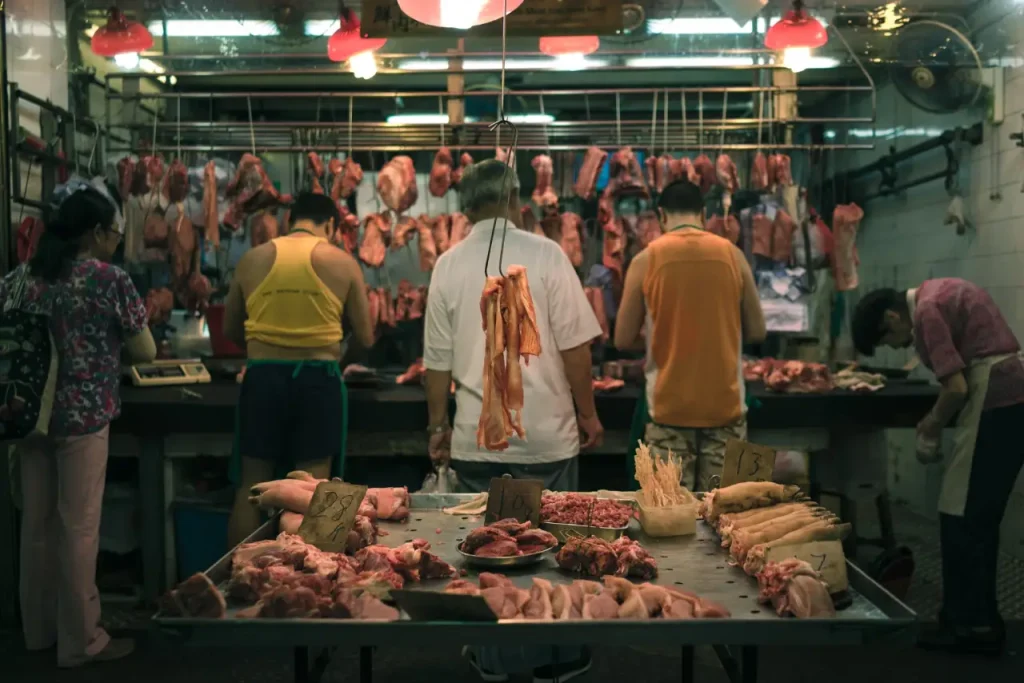
Chinese diets have been significantly impacted by the COVID-19 epidemic, which spurred a move toward vegetarianism and veganism because of safety worries over contaminated meat, given that China’s wet markets have long served as disease-transmission hubs for the sale of live birds and mammals for human consumption.
Vegan Economy and Climate Change
China’s economy, society, and environment are all being significantly impacted by climate change. China is the biggest carbon dioxide emitter due to its coal-heavy electricity infrastructure. Sea level rise, glacier retreat, and air pollution are some of the consequences of global warming that China has already experienced and will continue to experience. Climate-related disasters including floods and droughts have become more frequent in China as a result of climate change, and their amplitude is increasing. When they happen, these occurrences have a significant impact on infrastructure and the environment, as well as productivity. Additionally, this exacerbates poverty and puts billions of lives at danger.
Between 1990 and 2016, carbon dioxide concentrations increased annually.
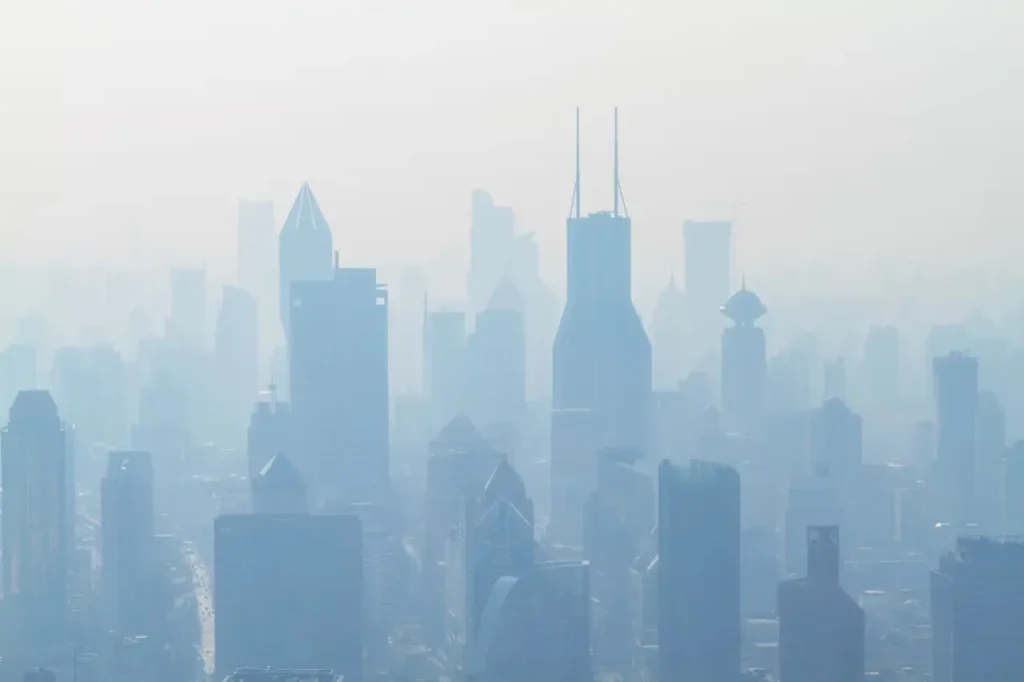
China is currently the biggest polluter in the world, and 2023 was the hottest year ever. According to the International Energy Agency, China emits more greenhouse gasses than any other nation in the world, making up 35% of global emissions. China’s water resources, forestry, and agriculture are all being negatively impacted by global warming, and these effects are only going to become worse. In addition to other decarbonization initiatives, the Chinese government is implementing various policies to boost renewable energy. Due to environmental and health concerns, the Chinese state is considering to reduce individual meat consumption and switch with meat substitutes (plant based meat, textured soy, cultivated meat).
Climate change reduces regions of frozen soil, increases pest and disease frequencies, and threatens to reduce glacier areas in northwest China.
With an estimated value of $16 billion, China accounts for 53% of the worldwide meat substitute market, which is a sizable chunk of a thriving and expanding industry. Sun Baoguo, a member of the Chinese People’s Political Consultative Conference, demanded greater funding, regulation, and marketing of cultivated meat at the 2020 annual “two sessions” parliament. Alt-protein research teams have received support from state organizations including China’s National Natural Science Foundation. The first mention of cultured meat in a new Five-Year Agricultural Plan published by the Chinese Ministry of Agriculture and Rural Affairs in 2022 suggests that Chinese officials consider the production of farmed meat to be beneficial to the country. With businesses like Zrou and La Mian Shuo manufacturing plant-based meat alternatives, China has a sizable domestic market for plant proteins (GMA, 2022). Around 12 new plant-based meat businesses have successfully launched in China since 2019, according to research from the USDA’s Foreign Agricultural Service.
Additionally, China is a significant supplier of plant proteins and raw ingredients used to make imitation meats abroad (GMA, 2022). Because animal milk was previously difficult to produce due to contaminated water sources and inadequate sanitary standards, China also has a sizable market for milk substitutes. In China, the market for milk alternatives has grown, with soy milk holding a dominant position. Around the world, the raising and consumption of cows, chickens, pigs, and other livestock accounts for 14.5% of the emissions that cause climate change. Furthermore, the extensive use of fertilizers and forests for cattle have detrimental ecological implications. China wants to become carbon neutral by 2060 and has committed to peaking its carbon emissions in 2030. In response to climate change, the Chinese government issued new dietary guidelines in 2016 with the goal of reducing the nation’s meat consumption by 50% as part of its commitment to lower carbon emissions and enhance public health.
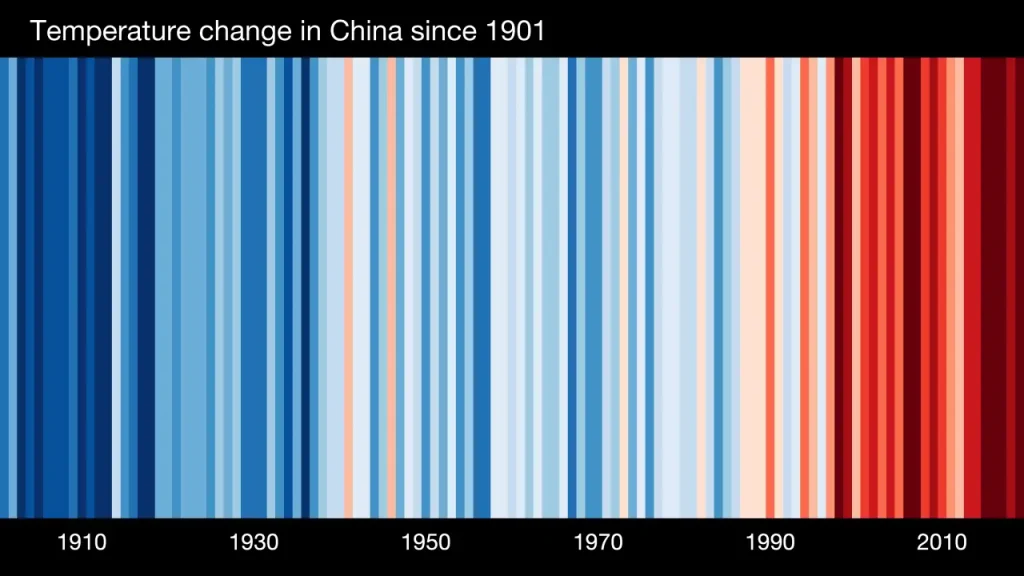
A rise in the average ground temperature was noted in China.
According to these new recommendations, people should only eat 40–75g of meat each day, which would lower the yearly per capita meat intake to 14–27 kg. By 2030, China’s cattle sector would emit 1 billion tonnes less carbon dioxide equivalent if these rules were adhered to. Ultimately, the commitment becomes individual and even if the government dictates guidelines, it is up to individual citizens to take responsibility. Revolutionizing one’s own diet is an excellent way to reduce individual carbon footprint that can boost one’s own health as well. People can be both plant-based and vegan and make a significant difference.
Food Industry in China and Climate Change
China’s food security is severely impacted by climate change, primarily due to drought and flooding. Instability in agricultural productivity has increased, which has major negative economic effects. Climate change may have detrimental effects in the near future, reducing corn, rice, and wheat productivity and changing the distribution of agricultural output. Because China is the world’s largest food producer and importer, flooding reduced production. As a result, events in China’s agricultural sector have a direct impact on the worldwide food system. By extending its agricultural lands to places with less rainfall and providing them with irrigation infrastructure, China improved its grain self-sufficiency.
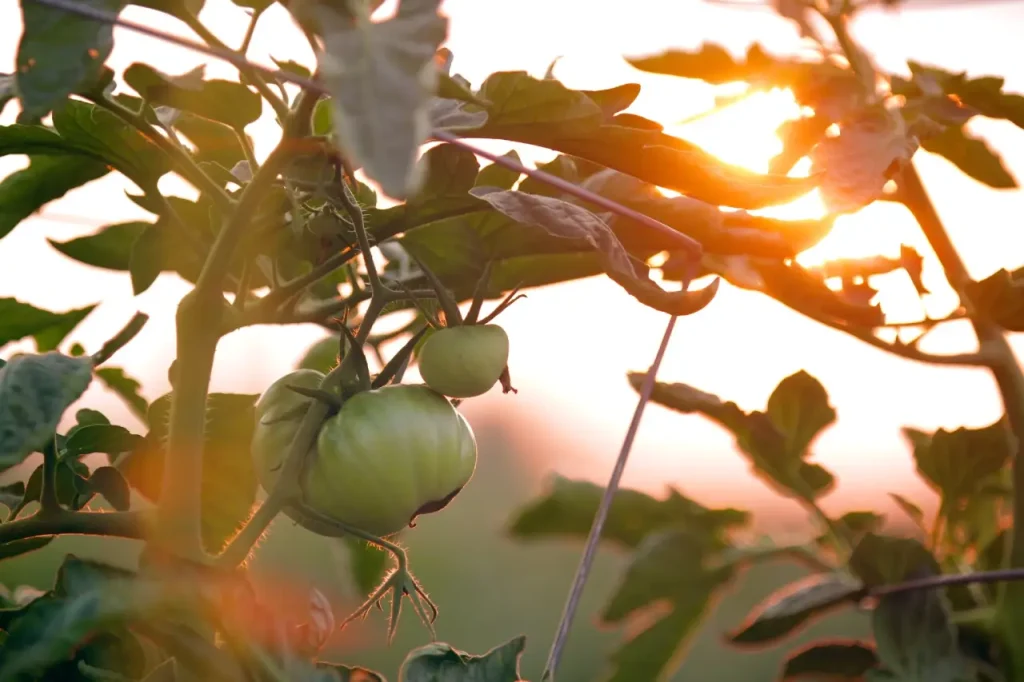
Due to the irrigation systems’ high water demands, which deplete groundwater in many areas, those fields are currently in danger of a water deficit. By taking various actions, such as decreasing food waste and fostering more international collaboration, the Chinese government is attempting to address the issue. However, some of the actions, such as increasing the use of coal-based fertilizers, may make the issue worse. There are 17,300 plant and animal species in China, including 667 vertebrates, as well as ancient plants and animals. Twenty to thirty percent of species will become extinct in the next century as a result of rising global temperatures.
Given that China has a lengthy and heavily populated coastline and that some of its most economically developed cities, including Shanghai, Tianjin, and Guangzhou, are located there, rising sea levels are a concerning trend.
China’s desertification worsens poverty while destroying cropland and wildlife, although there are some successful programs in combating desertification in the Gobi Desert. North China’s total water resources declined as a result of climate change, while South China’s total water resources increased. The upper reaches of the Yangtze River are flooding as glaciers melt in northern China, destroying farmland and harming agriculture.
One significant tree-planting campaign to fight climate change is called the Great Green Wall.

The fish market is a major component of the Chinese economy because, historically, China was the world’s greatest producer of aquaculture and capture fisheries. The South China Sea is experiencing a decline in marine biodiversity as a result of overfishing, pollution, rising global temperatures, and shifting ocean pH. Coral reefs in the South China Sea are dying as a result of environmental effects, which is reducing the region’s marine fauna.
Chinese people’s health is significantly impacted by climate change. Certain categories of people, such those who are poor, migrant workers, or older persons (≥65 years old), are at risk for health problems due to the high temperatures. Every individual over 65 had to endure an additional 13 days of the heatwave in 2019, and the heatwave claimed 26,800 lives. The likelihood of malaria spreading in south China is expected to rise in the future. Without support to plan and respond, areas with inadequate health facilities will be the least able to handle the situation.
Reducing Personal Carbon Footprint
Human health is seriously threatened by climate change. In addition to all facets of human and natural systems, including social and economic circumstances and the operation of health systems, it has an impact on the physical environment. As a result, it is a threat multiplier that threatens to undo decades of advancements in health. According to a study commissioned by the Geneva-based Global Humanitarian Forum (GHF), the number of deaths from starvation, illness, and natural catastrophes brought on by climate change is predicted to increase to half a million by 2030. Too many people already reside in regions that are particularly vulnerable to climate change, according to research.
Concepts of change, adaptation, and communal awareness are all directly related to the issue of climate change. Addressing it at the conceptual level entails coming up with innovative lifestyles and methods to engage with technology, the environment, and resources. Daily habits can make a huge solving chance. The devastating repercussions of resource exploitation and climate change have made some individuals feel that they must immediately lessen their impact on the planet. Reduce personal carbon footprint, which is a measurement of own overall greenhouse gas emissions from lifestyle choices including what someone eats and wears, as well as from using electricity and driving a car. Making dietary changes is a good point to start. Plant based, vegetarian and vegan can be a way where to start.
Since these labels aren’t intended to categorize people according to their lifestyle choices, it’s conceivable to be both plant-based and vegan. Many people may begin with a plant-based, whole foods diet to reach their health objectives and then switch to a vegan diet, which excludes animal products for ethical and/or environmental reasons. By incorporating veganism into the rest of their lifestyle and avoiding animal products in non-food areas as well, some people may choose to go vegan. Both contribute to help in the fight of Climate change.
According to numerous studies1, adopting more sustainable eating habits could reduce water use by 50% and greenhouse gas emissions by 70%. The greatest way to reduce one’s own carbon footprint is to consume less meat each day, according to research. The raising of livestock, particularly dairy and beef cattle, is responsible for 14.5% of global greenhouse gas emissions caused by human activity. Everyone can significantly reduce their own greenhouse gas emissions by eating more plant-based protein.
Reducing the use of dairy products, such as cheese and milk, is another strategy to lower personal carbon footprint. In addition to improving one’s own health, eating more foods high in fiber may also help everyone lower personal impact. Another of the main causes of greenhouse gas emissions is food waste. This is due to the fact that food waste breaks down in landfills and releases methane, a particularly strong greenhouse gas. In many Chinese restaurants this happens constantly. During a shared meal each diner tends to order several dishes that inevitably will not be eaten by everyone, due to different personal tastes. Some Chinese restaurants that find themselves throwing away leftovers usually sell them in large tanks to those who recover the food for pig farming. Pigs will find themselves eating cooked pork. Usually couples and families ask for packages to take home the leftovers, but not everyone does this.
Green growth: Since 2006, China has made a commitment to developing a green economy, supported by stricter environmental laws and significant green investments, such as in infrastructure for electric vehicles and renewable energy.
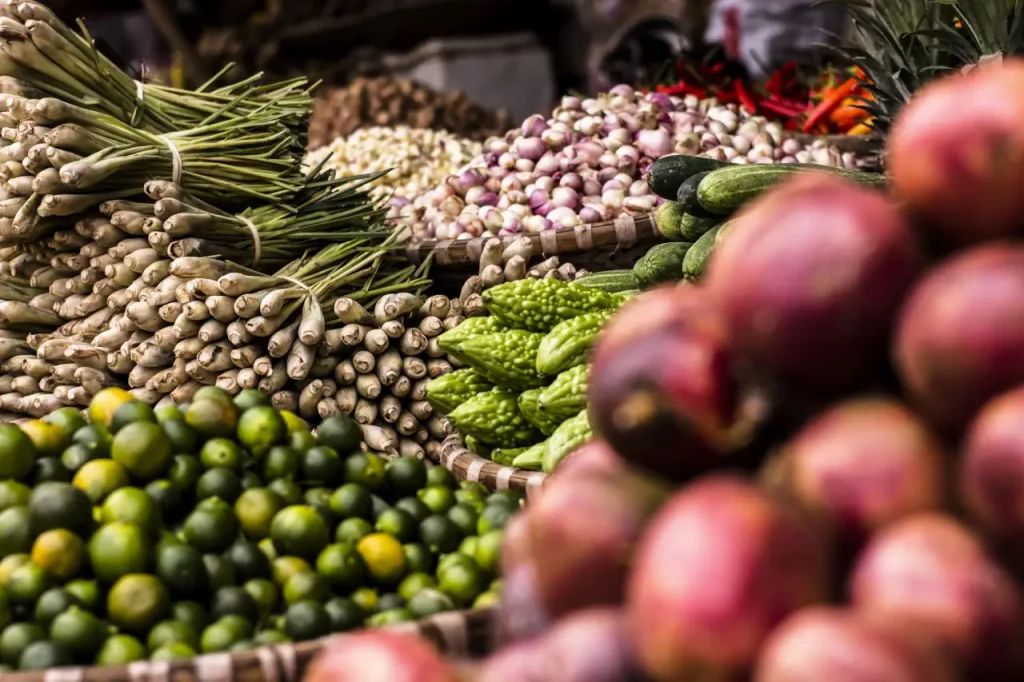
The packaging is obviously made of plastic and/or polystyrene. But one of the most crucial aspects of switching to an eco-friendly lifestyle is using less plastic. Both customers and the food business frequently pack, ship, store, and transport food using plastic wrapping, bags, and storage containers. One of the main causes of greenhouse gas emissions is single-use plastic. Plastic is also harmful to the environment, both on land and in the sea, and in recent studies it has been found inside many animals as well as in humans. Another way to lessen everyone’s carbon impact is to support local farms. Purchasing locally can help offset local carbon footprints by reducing one’s own reliance on food that is shipped over long distances and possibly increasing personal consumption of fresh fruits and vegetables. Many Chinese neighborhoods even in modest rural areas offer local fresh fruits, vegetables, legumes, tubers, seeds, grains and spices for believers in the cause. Without having to give up flavor, good nutrition, it is possible to make choices for true animal welfare, for oneself and for the global environment.
Sources
Featured image: Unsplash
Wikipedia: 1, 2, 3
Post Author