
Nancy Steinhardt Compiles Modern Chinese Architecture Survey
Architecture scholar Nancy Steinhardt discusses her research on Chinese architectural evolution, examining building transformations across provinces since 1840.
Nancy S. Steinhardt is an American scholar specializing in Chinese architecture. She has served as Professor of East Asian Art and Curator of Chinese Art at the University of Pennsylvania since 1983. With a background in Chinese art and architecture, she has made significant contributions to the study of both pre-modern and modern Chinese architecture.
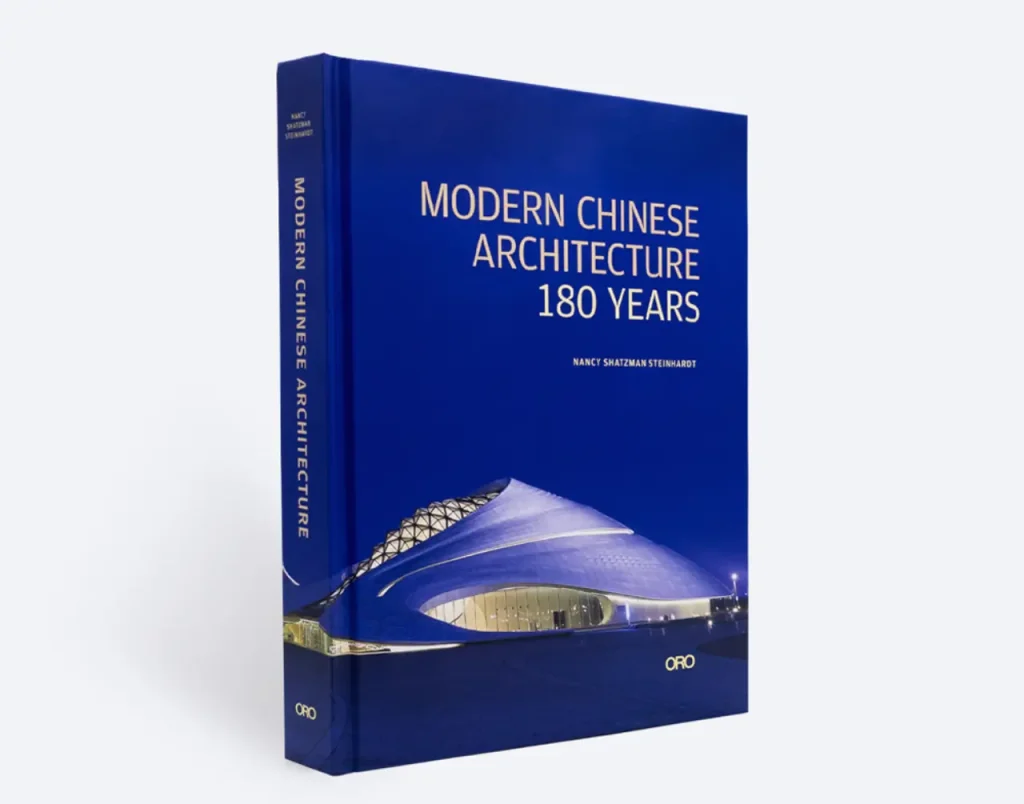
Steinhardt’s recent work, Modern Chinese Architecture: 180 Years, published by ORO Editions, examines the architectural evolution in China from 1840 to 2020, placing it within the broader context of China’s historical, social, and political changes. Her research includes a comprehensive analysis of significant buildings across China, combining historical perspectives with architectural detail.
What motivated you to undertake a comprehensive survey of Chinese architecture spanning 180 years, and how did your background in pre-modern architecture influence this work?
This book was a Covid project. Every time I give a lecture on any aspect of pre-modern Chinese architecture, the last question is: What about architecture in China today. During Covid I decided to systematically try to learn about the subject.
When I told students I had done this, they asked me to teach a course on modern Chinese architecture. I began with an informal seminar for 5 graduate students. Every week we looked at about a decade of architectural history. From that, I narrowed 500 important buildings down to about 200 which became the subjects of the books.
China builds on its past. Anyone who grows up in China sees old buildings. They cannot but impact contemporary construction. In fact, unless something is torn down, newer buildings have to stand alongside older ones. Although Chinese and non-Chinese architects who build in China today are trained the same way, the buildings are in China and earlier Chinese architecture cannot but be behind most of them.
How do you define “modern” in the context of Chinese architecture, and how does this definition evolve throughout the periods you cover?
I follow the definition of modern used by Chinese historians. The modern period begins with the First Opium War (1839-1842).
Can you elaborate on how traditional-style construction persisted even as China embraced modern architectural methods and materials?
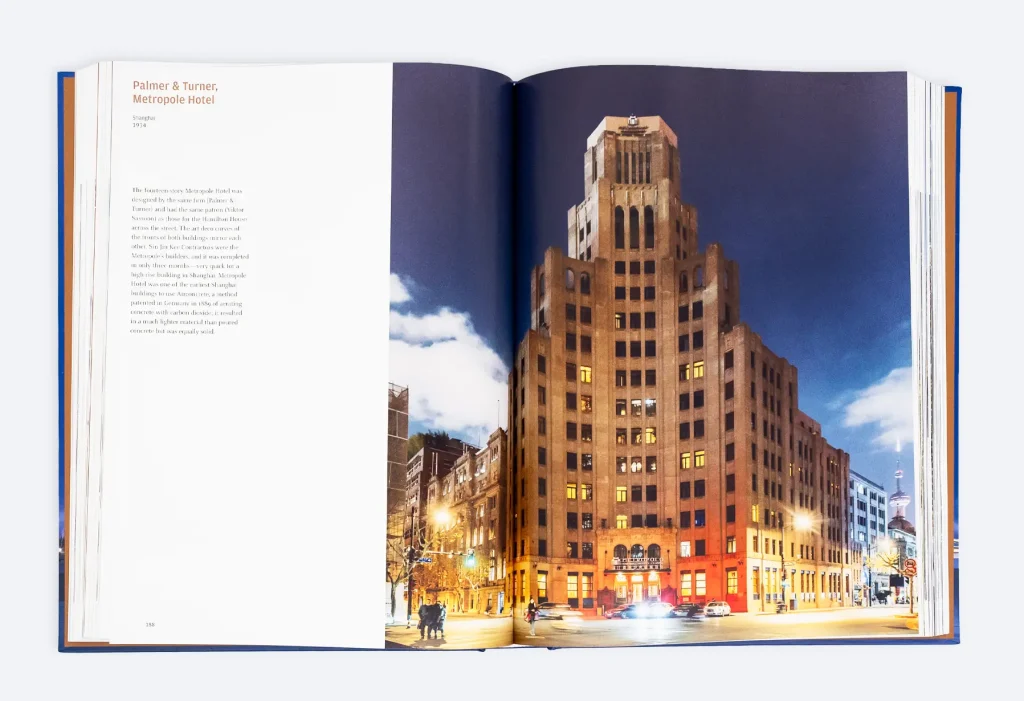
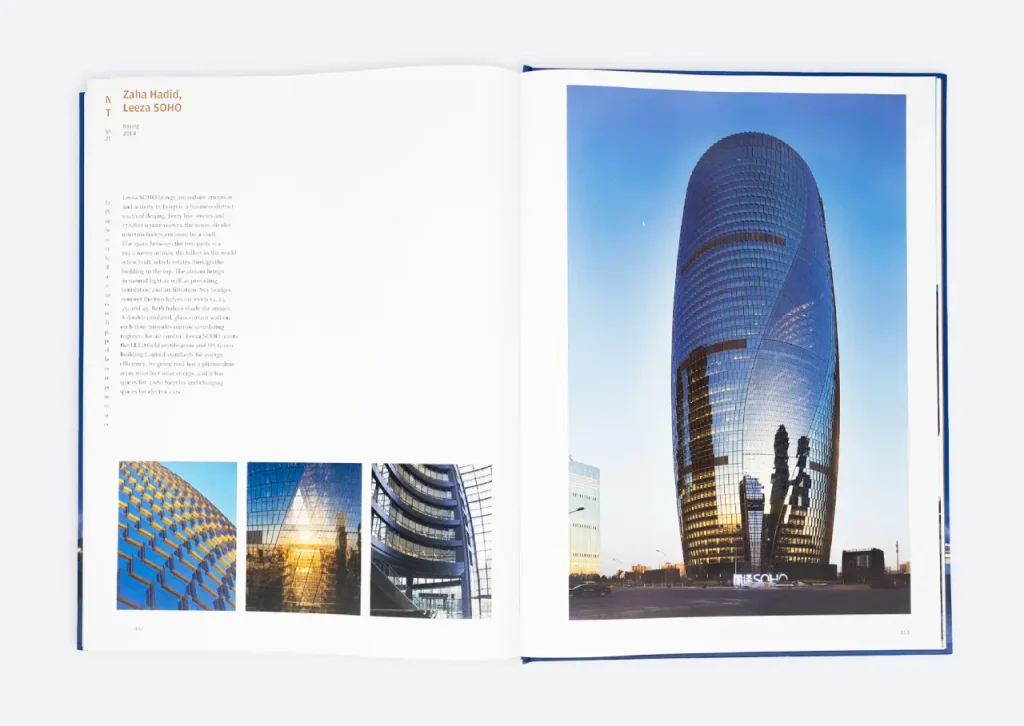
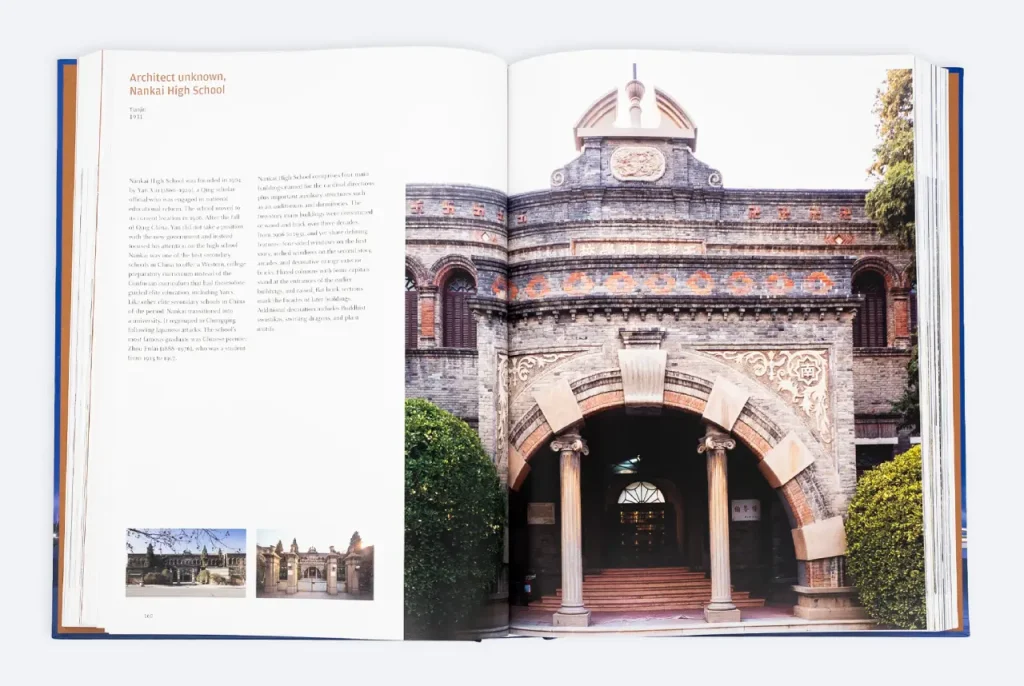
Sometimes a reference to the past is intentional: a pagoda can inspire a megatall skyscraper and there are famous example such as the Kohn Pedersen Fox building China Zun that takes the shape of a bronze vessel or China Pavilion in Shanghai that takes the shape of a bracket set. But often there is something much more subtle. The Chinese roofs on the stadium in Shanghai built by Yang Tingbao in 1931.
What were some of the most surprising discoveries you made about lesser-known buildings in provinces outside of China’s major cities?
I tried to find one building from every province. I was nearly successful. I knew the building in Nanning, the only one in Guangxi, only through its pavilion (p. 352). I didn’t realize until I studied it that the tower is on one side. Another building that amazes me is the Slaughterhouse in Shanghai (pp. 176 and 177). The exterior, the marble floor on the first floor, and then the ramps along which animals were led.
How did political transformations—from dynasty to republic to people’s republic—impact architectural styles and urban planning in China?
This is a huge question. I will only make one comment. In every period, architecture patronized by the government must serve the goals of that government.
In your research, how did you approach the challenge of documenting buildings from every province, especially those with limited historical records?
I began this project by looking through every book I could find about modern architecture in China. I made lists of buildings to study, and organized those lists according to province. I made sure I found at least one building in every province.
What role did foreign architects and international architectural movements play in shaping modern Chinese architecture?
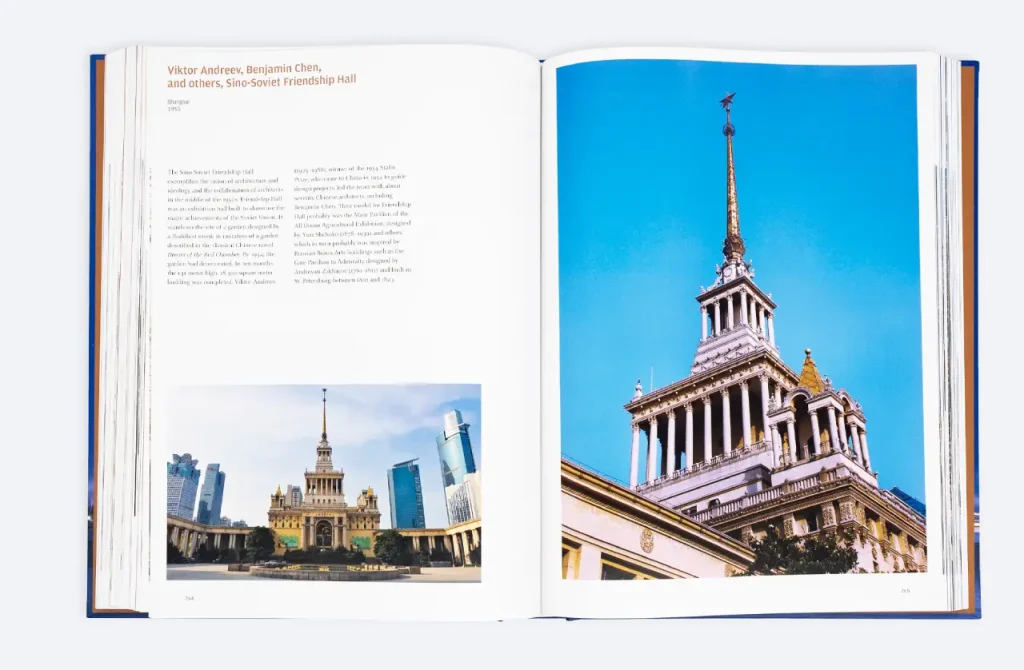
This is an important question. The first modern architecture in China was built by foreigners. Chinese architects saw it, but they did not work in those firms. The first Chinese architects were trained outside China, most of them in the US in the 1920s. After that, modern architecture was built by Chinese architects.
How have Chinese architects balanced international influences with indigenous architectural traditions in their work?
I don’t think Chinese architects thought that way. The decision to build modern architecture was a decision not to build Chinese architecture. Some architects, in some cases, chose to reference China in their buildings, but that was not the purpose of modern architecture in China.
How did the periods of war and political upheaval in the 20th century affect architectural development and preservation in China?
Again, a long, complicated question. In brief, in the most intense periods of war, construction stops. Preservation is possible only when there is money for it. One of the major effects of Communism was widespread construction of housing.
What impact did the Cultural Revolution have on architectural education and the careers of architects during that time?
Architects did not work independently during the Cultural Revolution. They were members of large, government-sponsored firms who built primarily projects for the state.
How has the rapid urbanization of China influenced architectural trends and the types of buildings being constructed?
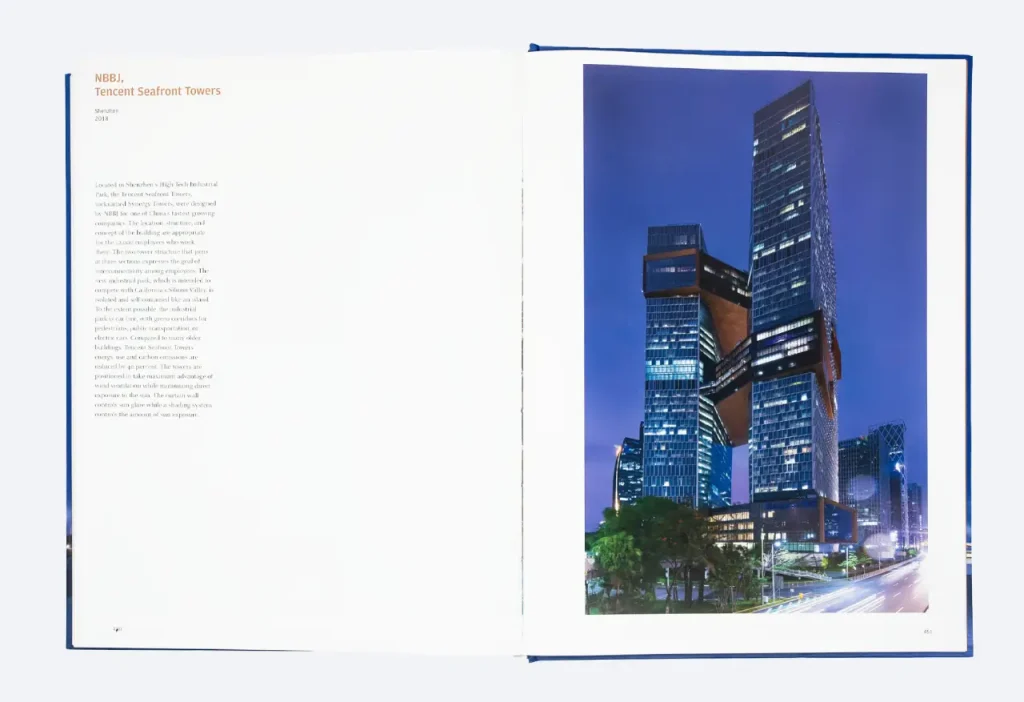
China has several cities with population of more than 20 million. High-rise housing and complexes of high-rise buildings exist in every city in China, even those with populations of just a few million. The contemporary features are desirable. China also has superior subway systems so that if someone works 40 miles from his home, transportation is high speed.
How has the role of women in Chinese architecture evolved over the 180 years you cover in your book?
In the 1920s there was only one well-known female architect. Communism is by nature egalitarian. After the Cultural Revolution, ca. 1976, when widespread education was possible across China, there was no distinguishable difference between male and female architects.
How do you anticipate Chinese architecture will continue to evolve in the next few decades, especially with the rise of eco-sensitive designs?
I think it will continue as architecture continues anywhere. The education in a Chinese architecture school is little different from the education in an architecture school anywhere in the world. Eco-sensitive architecture has been crucial in China for the last 20 years, and will continue to be, even though it is nearly impossible to prevent pollution in Chinese cities.
Photos courtesy of Nancy Steinhardt and ORO Editions
Topics: modern architecture in China since 1840, evolution of Chinese architecture 180 years, Nancy Steinhardt modern Chinese architecture, influence of foreign architects on Chinese construction, political impact on architecture in China, role of women architects in China, traditional design in modern Chinese buildings, Chinese urbanization and architectural trends
Post Author
