From Mao to Mozart: Isaac Stern in China
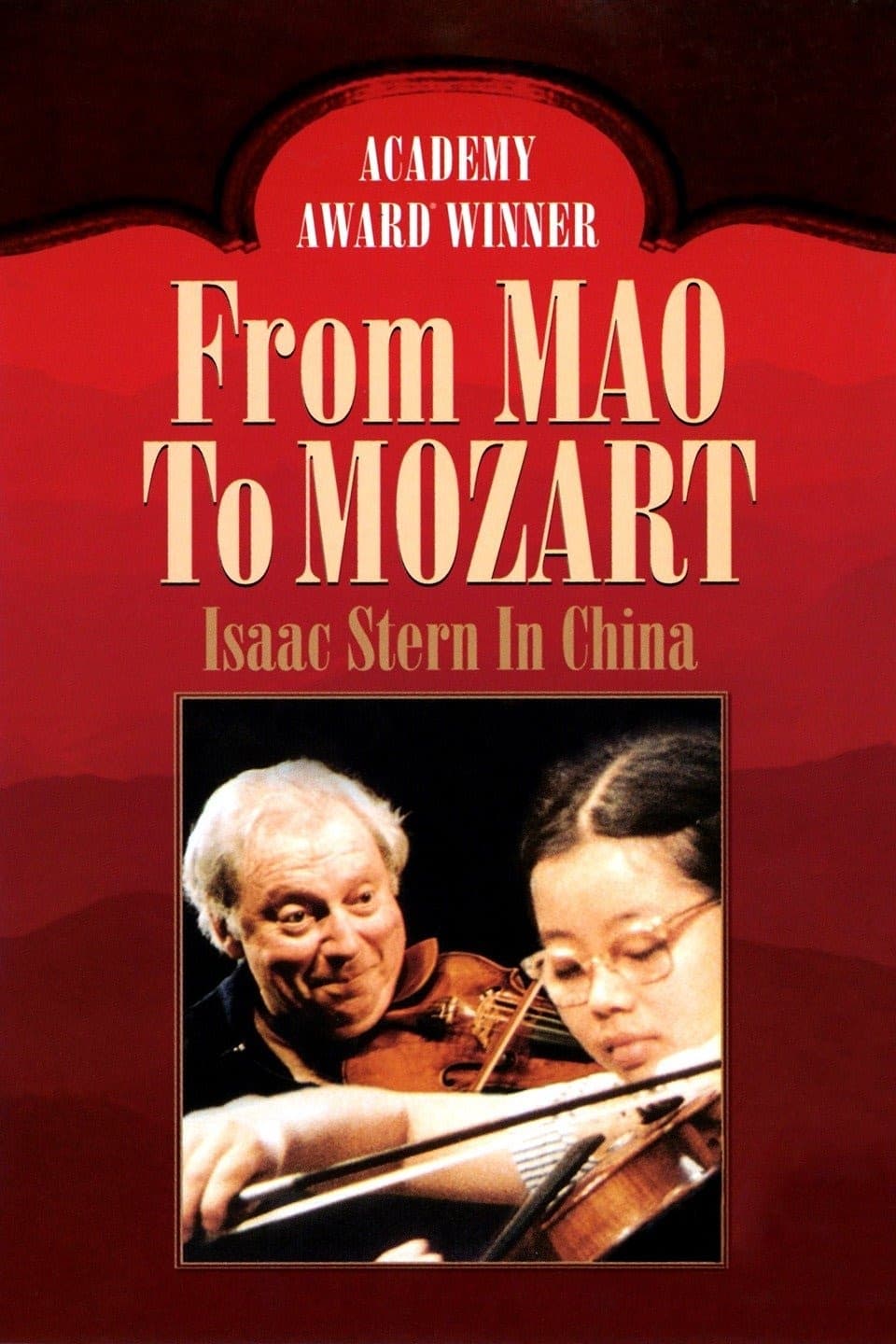
- -A beautiful expression of two differing cultures brought together by the warmth and dedication of a great musician and humanitarian. In 1979, as China re-opened its doors to the West, virtuoso Isaac Stern received an unprecedented government invitation to tour the country. Preserved by the Academy Film Archive in 2000.
Photos
Storyline
Details
Box Office
Company Credits
Technical Specs
When Isaac Stern Met China The Story of a Cultural Encounter
From Mao to Mozart: Isaac Stern in China captures a historic cultural exchange at a pivotal moment in modern history. Filmed in 1979, the documentary follows violinist Isaac Stern during his groundbreaking tour of China, marking one of the first major visits by a Western musician after the country began re-opening its doors to the world.
Stern, a distinguished violinist and humanitarian, accepted an invitation from the Chinese government, embarking on a journey that was as much about cultural dialogue as it was about music. The documentary offers an intimate look at Stern’s interactions with Chinese musicians and students, highlighting the warmth and dedication that transcended language and geopolitical differences.
Throughout the tour, Stern visited music conservatories, gave masterclasses, and engaged with young talents eager to learn from his expertise. His approach went beyond technical instruction, emphasizing the emotional depth and personal expression that music conveys. These moments provided not just guidance but also a bridge between distinct cultural traditions, fostering mutual respect and understanding.
The film also offers insight into China’s evolving relationship with Western classical music, set against the backdrop of the post-Cultural Revolution era. It portrays the challenges and aspirations of Chinese musicians striving to reconnect with the global music community.
Preserved by the Academy Film Archive in 2000, From Mao to Mozart remains a valuable record of this unique cultural moment. The documentary stands as a testament to music’s ability to foster connection and understanding, illustrating how artistic exchange can overcome even the most significant cultural divides.