
Interior emotion, cultural dialogue, and the animated space between tradition and reinvention
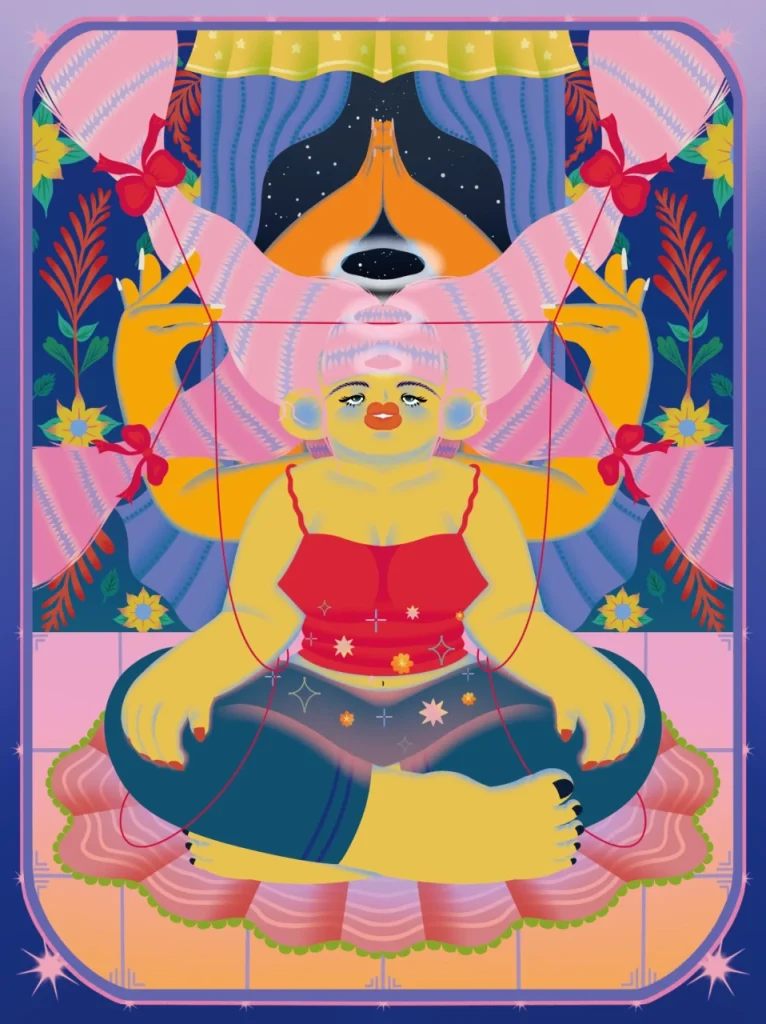
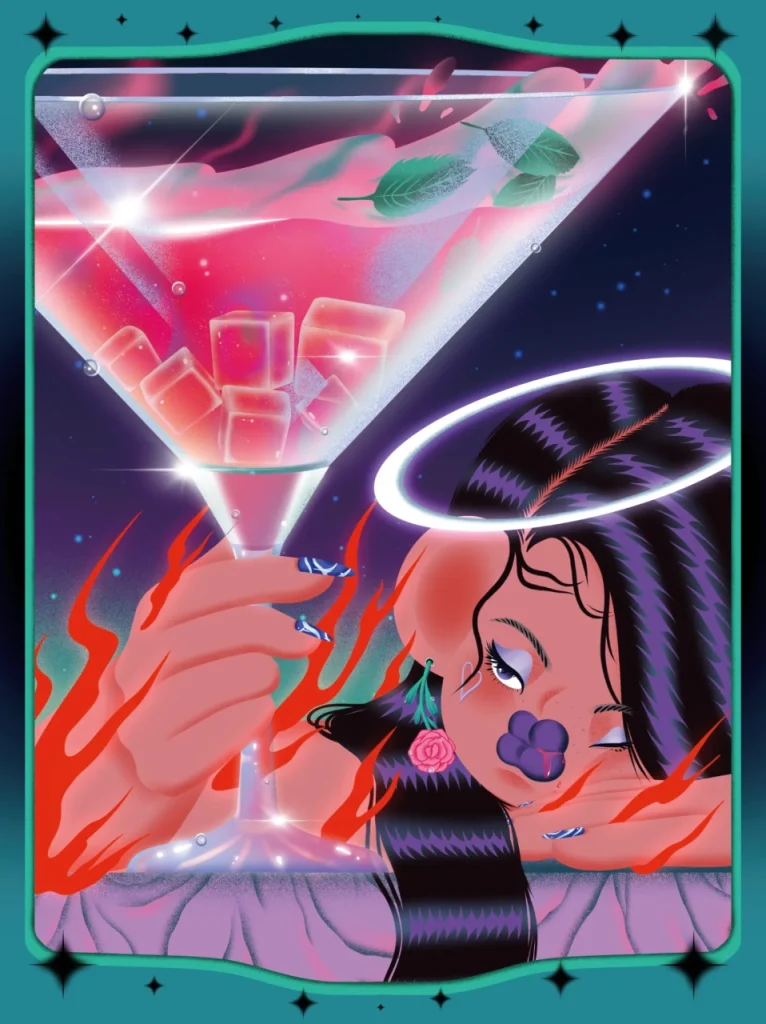
Wei Wu is a skilled illustrator and animator whose artwork lies at the nexus of poetic imagery and dynamic movement. She graduated from MA illustration at Kingston University of Art. She became renowned in the field of art, for her ability to transform intricate interior environments into stunning visual narratives. Her command of light, texture, and atmospheric storytelling has allowed her to carve out a special place for herself in the world of contemporary art. Her illustrations are vivid, full of color and energy, and they dig deeply into universal subjects that she investigates via her own experiences. Throughout, the picture is filled with deep meaning that both lovingly honors her Chinese background and Asian culture while challenging conventional notions of female beauty. She encourages the audience to consider women’s place in society and how they are perceived as objects by using symbols and metaphors to define her art and examine femininity and experiences. Wei Wu in her artworks captures the ethereal yet grounded quality of femininity.
Through her work in investigative illustration, animation, and personal projects, she has created a unique visual language that transports spectators to eerie and intimate realms.She has specialised in a playful and sparkling style, through metaphors to explore deep topics about relationships, society. Emotional architecture is the subject of her artwork. Wei frequently examines the subtle tension between isolation and connection in her work, whether she is directing a series of flowing animation or creating a single, memorable frame. By fusing the tactile warmth of traditional painting with the boundless possibilities of digital media, her approach accomplishes a rare feat: it seems both current and timeless. She is London-based and being represented by THIS IS JELLY.
Official site | Behance | Instagram
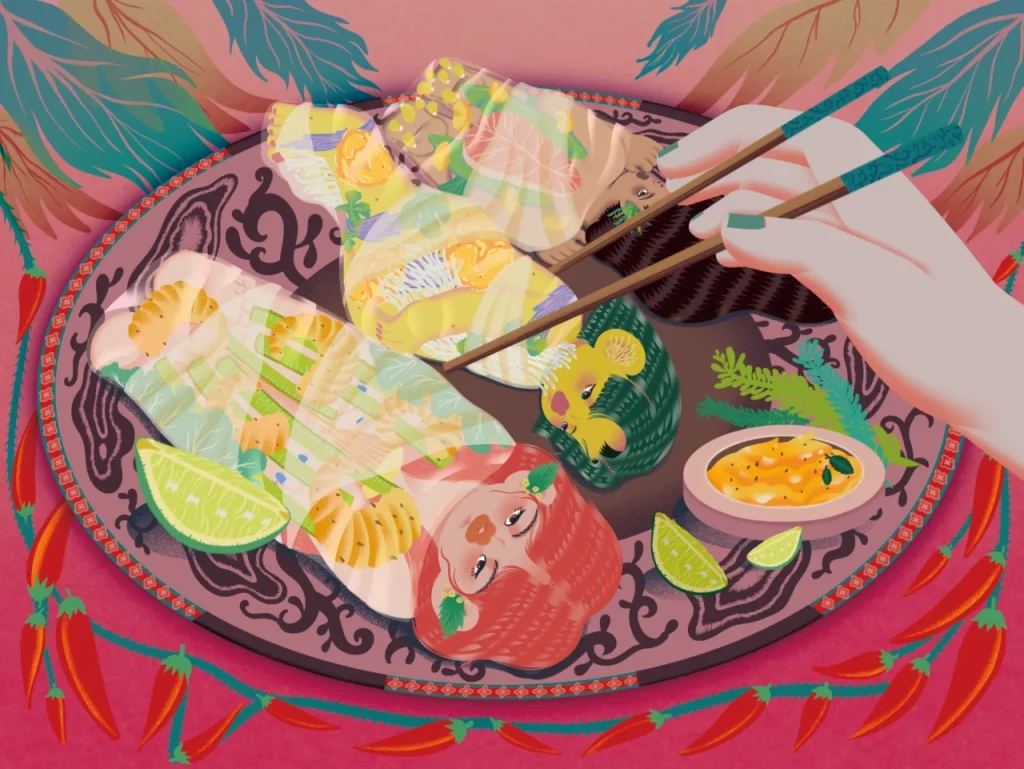
Was there a defining moment when you realized you wanted to be an artist? How did illustration and motion become your primary medium? What initially inspired you to start this path?
I wouldn’t say there was a single defining moment. Drawing has always been a very natural way for me to process emotions and observe the world around me. As I continued studying illustration, I gradually realized that images could carry stories, cultural references, and emotional layers beyond simple visual expression. I was drawn to illustration and motion because they allow a certain freedom between narrative and imagery. Through characters, colors, and symbolic elements, I like to construct dreamlike spaces where viewers can form their own interpretations.
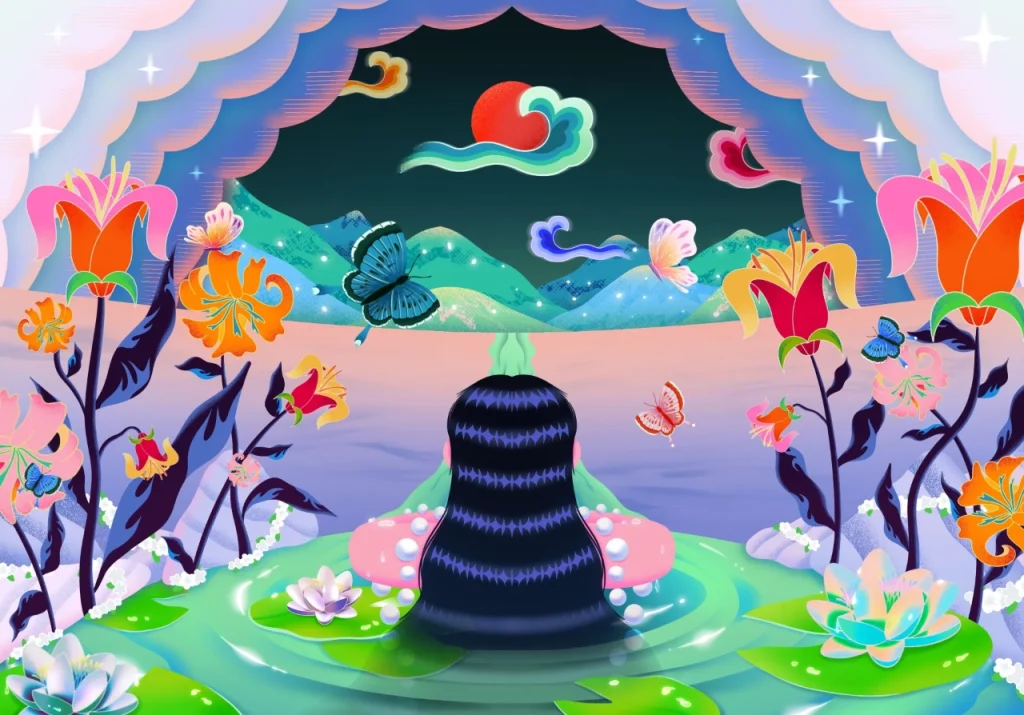
She got her inspiration from some oriental aesthetics, including extraordinary flora and fauna, enigmatic ethnic totems, and old stories.
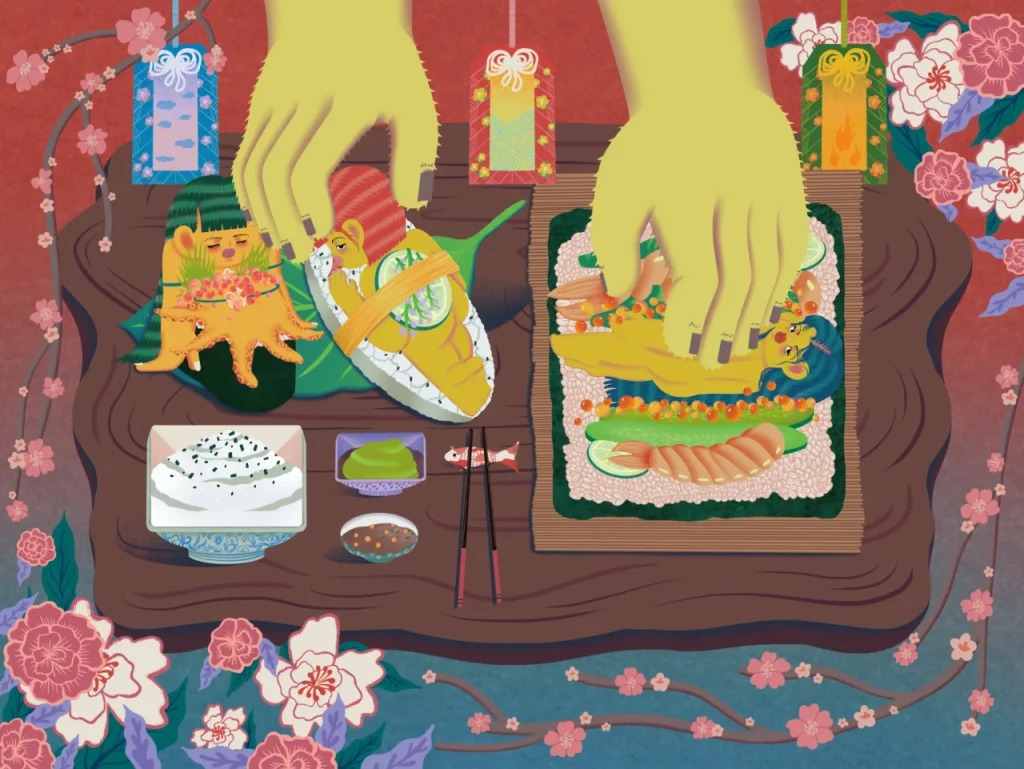
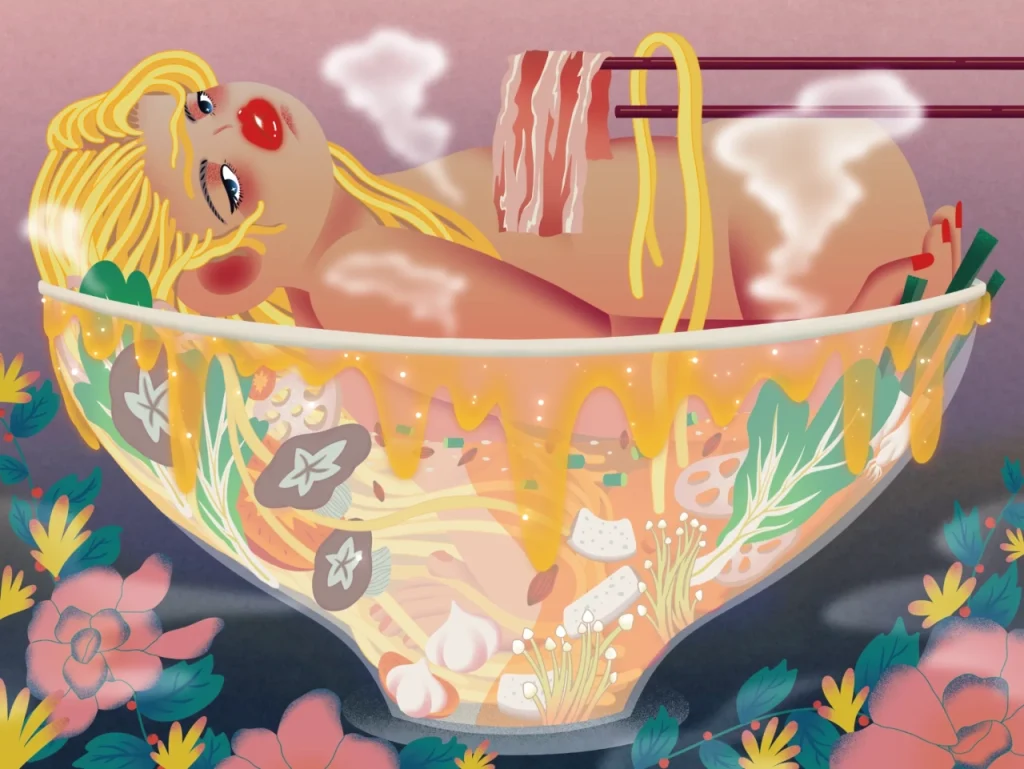
When developing a new piece, what comes first: the palette, the characters, or the emotional theme?
Most of the time it starts with an emotional tone or a conceptual idea. It might come from a social observation, a personal experience, or sometimes just a feeling that’s difficult to put into words. From there, the characters and environments begin to take shape. Color is also a very important element in my work—not just decorative, but emotional. I often use bold or slightly conflicting color combinations to create a balance between beauty and unease.
Her unique, dreamlike visual approach and amazing style help spread awareness of China’s culture and history.
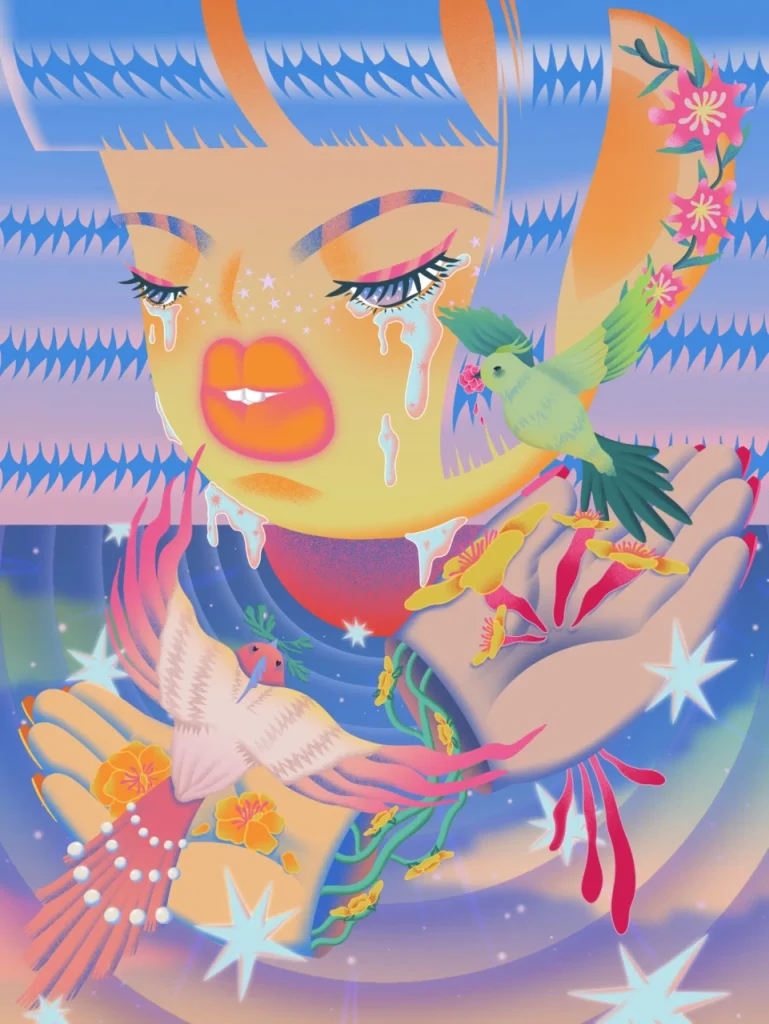
Many of your illustrations feel like fragments of a larger myth or dream. Do your images begin with a narrative, or does the story emerge while you draw?
Usually the narrative emerges during the drawing process. At the beginning I might only have a vague image in mind—perhaps a character, a setting, or a certain mood. As I work, the piece slowly develops its own story. I enjoy that sense of unpredictability. It feels a bit like dreaming: once you enter the image, new details and metaphors start to appear naturally.
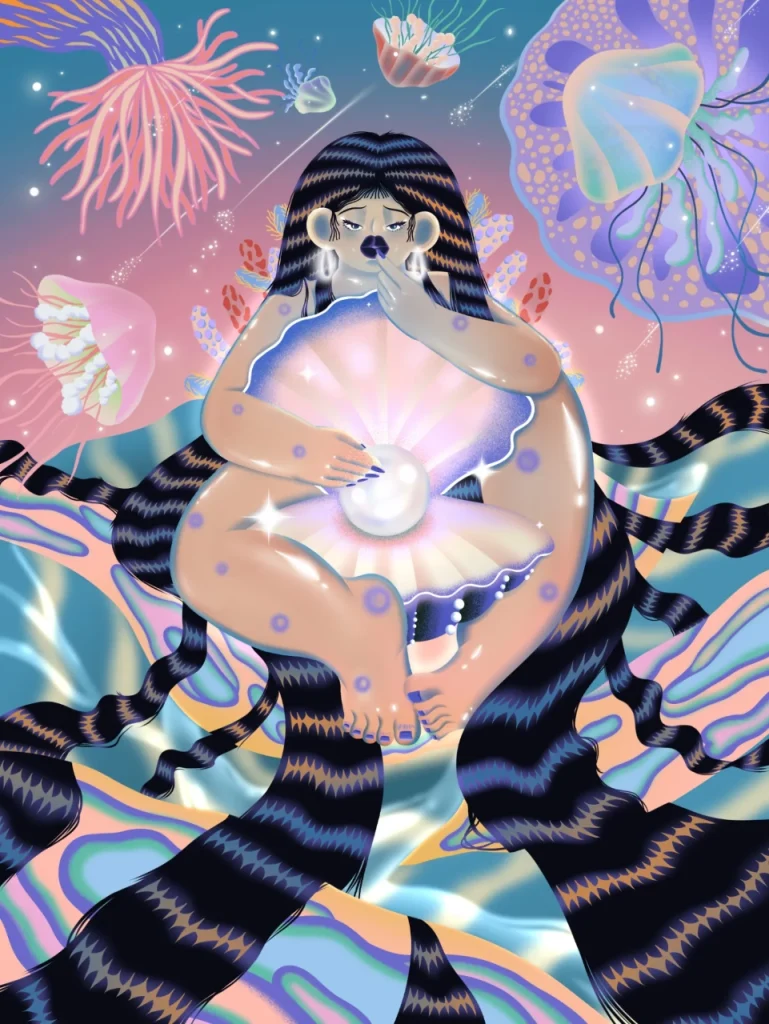
Your work often hides symbolic layers beneath vibrant colors. How do you decide how much meaning to reveal and how much to leave ambiguous for the viewer?
I actually enjoy keeping a certain level of ambiguity. If an image is completely explained, the viewer’s participation becomes limited. So I tend to leave visual clues and symbolic elements within the composition, but not a single fixed interpretation. Each viewer brings their own experiences and cultural background to the work, and that creates different ways of reading the image.
She explores themes of identity, solitude, femininity, and the tension between beauty and unease.

Many of your characters seem suspended between innocence and danger. What interests you about that emotional tension?
That tension often reflects the real world. Many things that appear beautiful, soft, or playful can hide more complex or even unsettling structures underneath. I like using a visually bright or playful aesthetic to explore deeper emotional or social themes. That contrast allows the work to remain visually inviting while still holding space for reflection.
Your illustrations blend Chinese cultural references with contemporary global aesthetics. Do you ever feel tension between preserving the tradition and/or reinventing it?
I see it more as a dialogue rather than a conflict. Chinese culture is incredibly rich—from mythology and folklore to plants, patterns, and symbolic systems. These elements naturally become part of my visual language. Reinterpreting them within a contemporary context is also a way of retelling these stories. I hope the work can carry a sense of cultural memory while also creating new meanings in a global visual landscape.
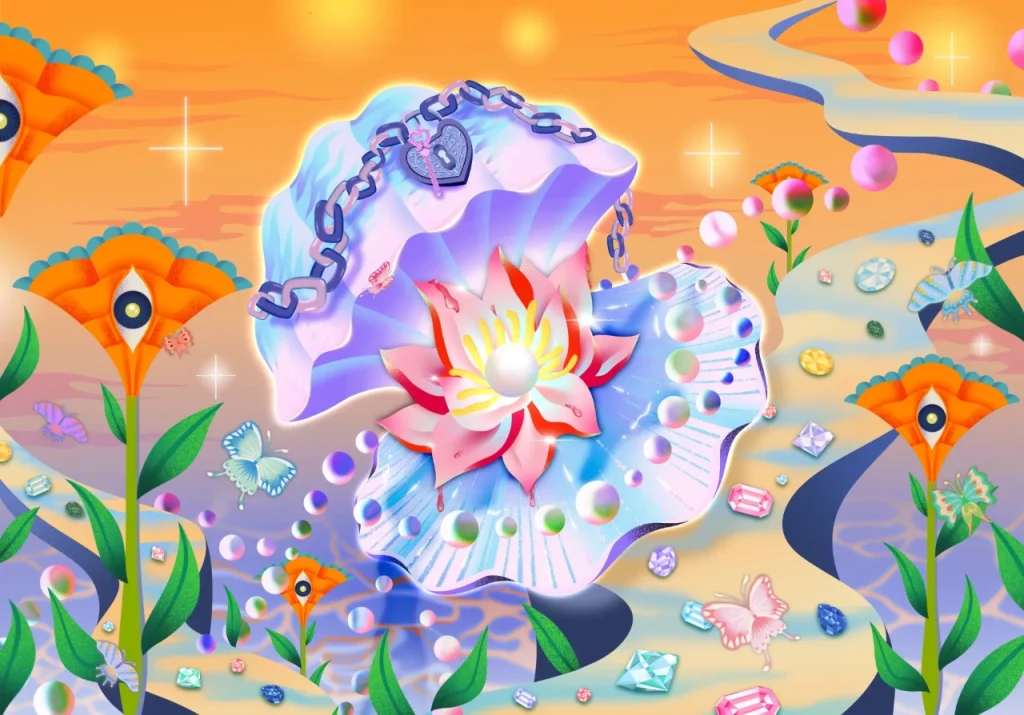
What elements of Chinese visual culture do you feel are still misunderstood or underexplored in global illustration? Living and working in London, do you find yourself seeing them differently?
Living abroad has actually made me more aware of how unique many Eastern visual traditions are. For example, symbolic systems, mythological storytelling, and the relationship between humans and nature are all very important in Chinese culture. Sometimes these elements are simplified into a generic “Eastern aesthetic.” But behind them there are much deeper histories and cultural contexts. For me, creating art is also a way of re-narrating these visual traditions.
Wei Wu creates dreamlike visual worlds where vibrant color palettes meet darker emotional undercurrents.
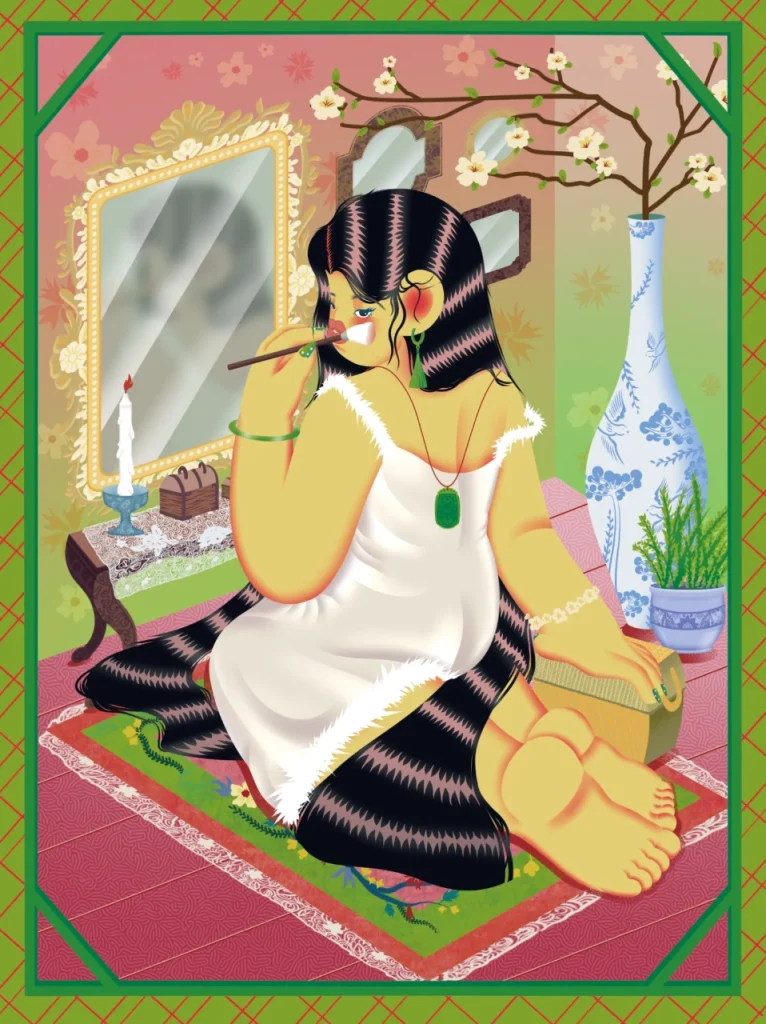
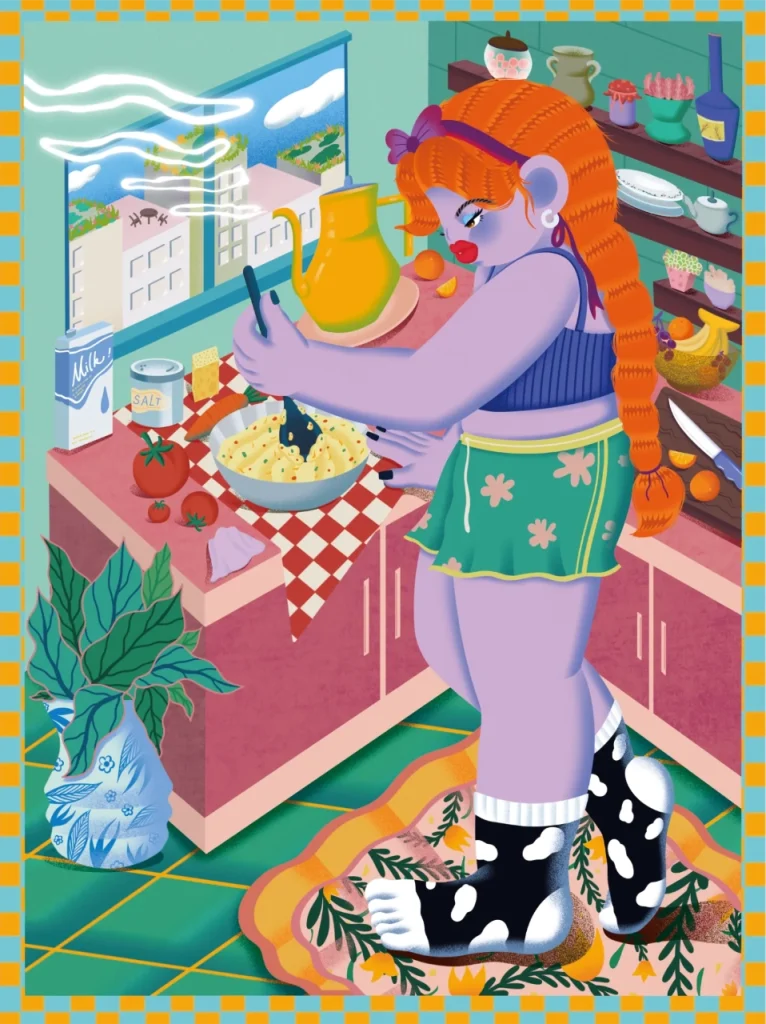
With AI and automation reshaping digital art, what is the one “human” element in your process that you feel cannot be replicated?
I think it’s personal experience. Many of my works are influenced by my life, my cultural background, and conversations with people around me. Those memories and emotions naturally shape my visual language. For me, the value of art often lies in that very specific and personal perspective.
Many of your works center female characters navigating mysterious worlds. Are these figures autobiographical, symbolic, or something else?
In some ways they are different versions of myself, but they’re not purely autobiographical. I see them more as a collective presence—shaped by real experiences, emotions, and stories shared by many women. In my images they often appear like explorers in parallel worlds, navigating beauty, uncertainty, and hidden dangers.
On IWD 2026, many artists are reflecting on the visibility and representation of women in creative fields. As an illustrator, how do you see your artwork contributing to this conversations?
Women have always been central to my work. As a female artist, it feels natural for me to explore women’s experiences and perspectives. My images are not always directly narrative, but I hope the characters carry a sense of strength. They can be vulnerable, curious, and courageous at the same time. If these images resonate with viewers or offer even a small sense of empowerment, that would already feel meaningful to me.
Photos and illustrations courtesy of Wei Wu
Post Author
