Against Mental Orphanhood: Lin Jingjing’s Challenge to the Digital Age
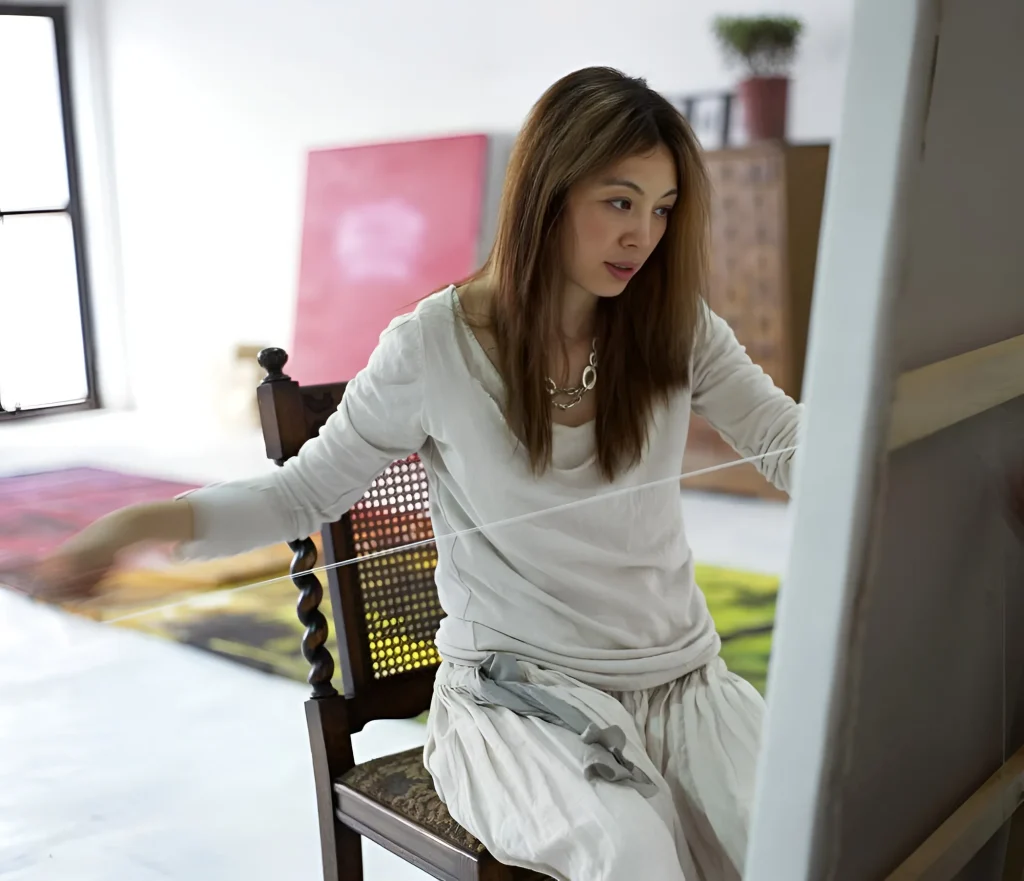
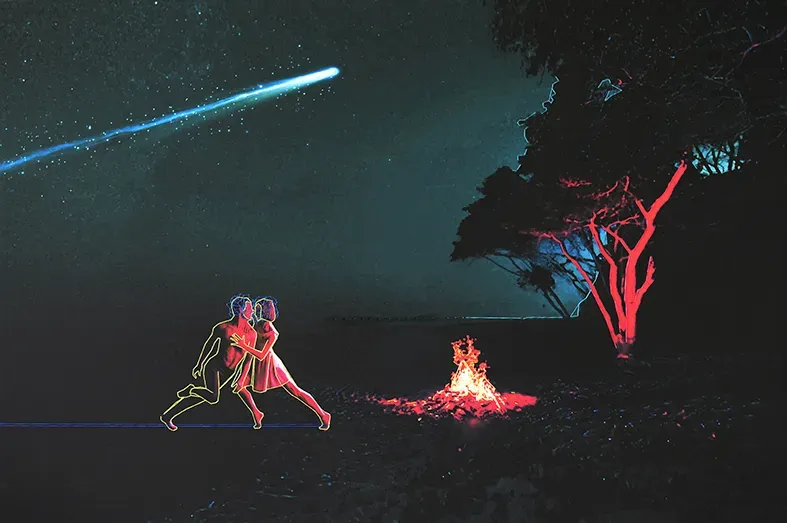
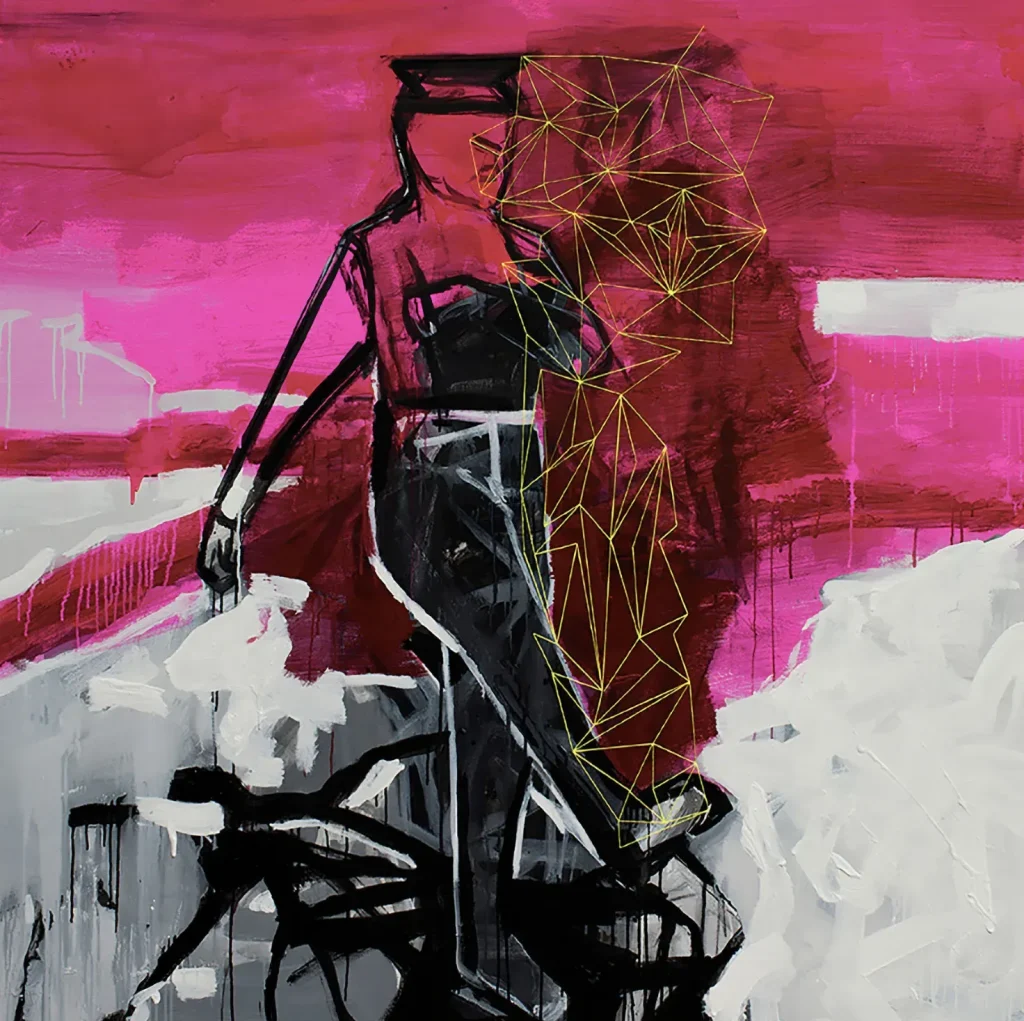
Lin Jingjing (林菁菁) is a contemporary visual artist whose practice bridges personal narrative and collective memory through painting, mixed media, and installation. Known for her nuanced visual language and poetic sensibility. Her artwork functions as a form of “social surgery”—a delicate, often painful, yet necessary probing into the paradoxes of modern existence. Her work is deeply conceptual, and her practice transcends geographical borders dealing with the nowaday society to explore the universal fragility of human identity. Her artworks reflect the tension of the softness against the coldness of social critique. She is an artist whose work doesn’t just be seen—it breathes, it bleeds, and it stitches together the fragmented identities of human modern age. Her artwork includes video, mixed-media, paintings, installations, and performances. She is also renowned for creating stunning worlds by weaving thread over paintings, installations, and other mixed media.
This creative mix technique produces a dreamlike impression that transports viewers to a different reality. She deconstructs by using traditionally “feminine” crafts like as a tool of resistance. She invites viewers to stop being “mental orphans” of the digital age and to start the difficult, beautiful work of stitching ourselves back together. Through exhibitions both locally and internationally, Lin Jingjing has cultivated a practice that emphasizes dialogue—between past and present, East and West, and the internal and external self. Her art resonates for its sensitivity, subtle strength, and ability to transform personal experience into universally relatable narratives. Her artworks have been exhibited in major public museums including the National Art Museum of Chile in Santiago(Chile), the Ivam in Valencia(Spain), the Kunstraum in Vienna(Austria), Galeria Herold in Bremen, Saint Mary’s University Art Museum in Halifax(Canada), the Leonard Pearlstein Gallery in Philadelphia, the Tikanoja Art Museum in Vaasa (Finland), the Long Museum in Shanghai(China), the Nanjing Museum Nanjing(China), Guangzhou Art museum in Guangzhou(China), the Du Land Modern Art Museum in Shanghai (China) and Song Zhuang Art Museum in Beijing (China), Ljubljana Castle in Slovenia, etc.
Was there ever a time you doubted your career path?
I have doubted everything. For me, doubt is not equivalent to denial. Doubt is a reopening of narrative, a sustained vigilance toward anything that appears overly clear.
How did you move through that uncertainty?
I feel that I am always living within paradox. Uncertainty, for me, is itself a form of paradox. I do not seek to resolve it.
Her artwork spans installation, video, sound, animation, light, performance, sculpture, painting, drawing, coding, mixed media, and photography.
What is a defining moment in your life that quietly changed the direction of who you are today?
It was the decision to live with extreme restraint and radical simplicity. That form of self-limitation has shaped not only how I live, but how I think and work. It remains the most consequential decision I have made.
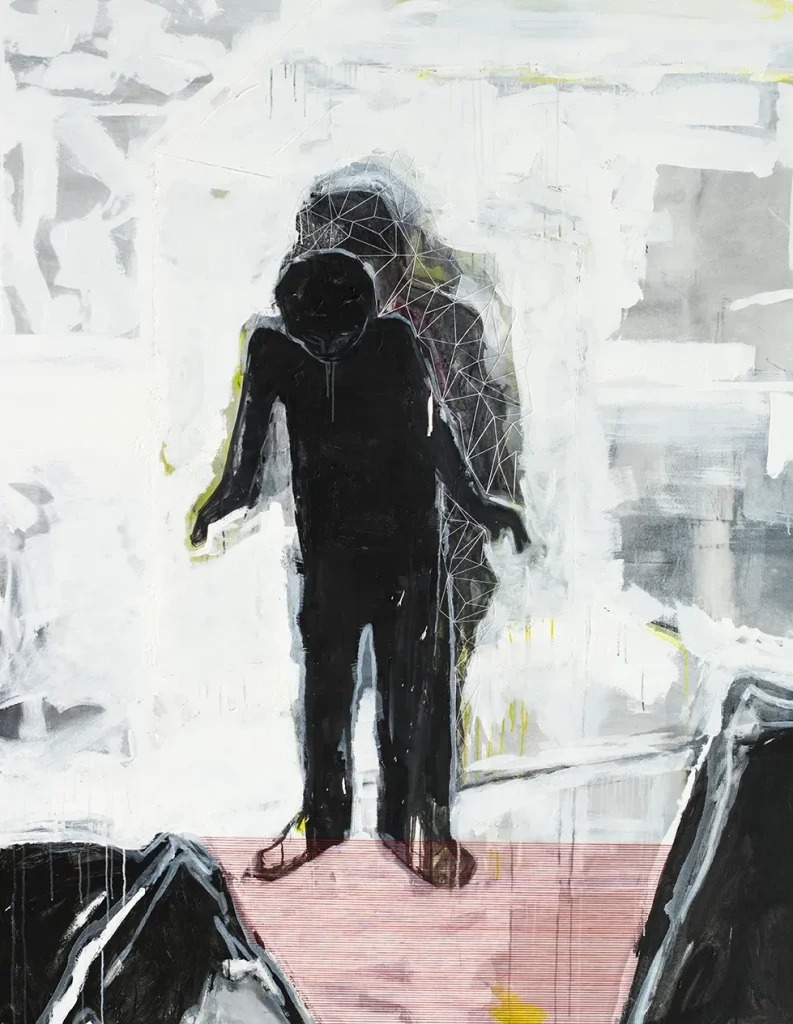
Many of your conceptual visual artworks explore social and personal identity in modern society. How do you balance autobiography with universal themes?
I am not interested in autobiographical expression. I am interested in how narratives are produced, circulated, edited, and how they gain an unstable form of authority through suspicious repetition.
She explores the possibility of building the future from difficult realities in a “non-place” global setting as she digs deeply into the complexity of technology neocolonialism.
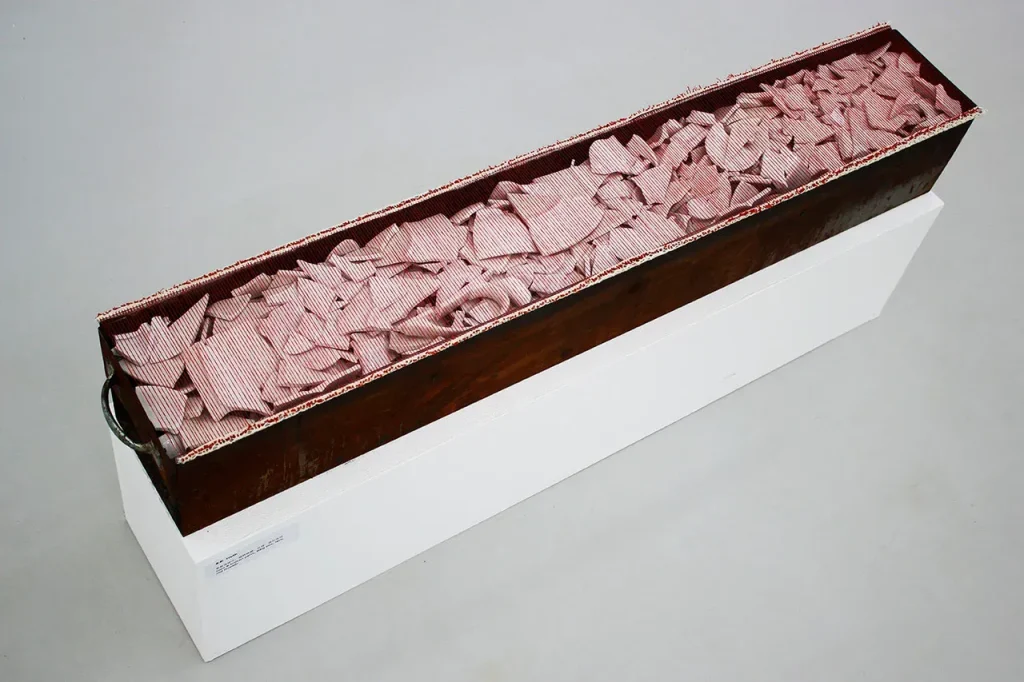
Having lived and worked between many Western and Eastern cities, how has your gaze forced you to redefine what “authenticity” means in your work?
I believe authenticity is a temporary condition. It is continuously rewritten as it moves through different contexts.
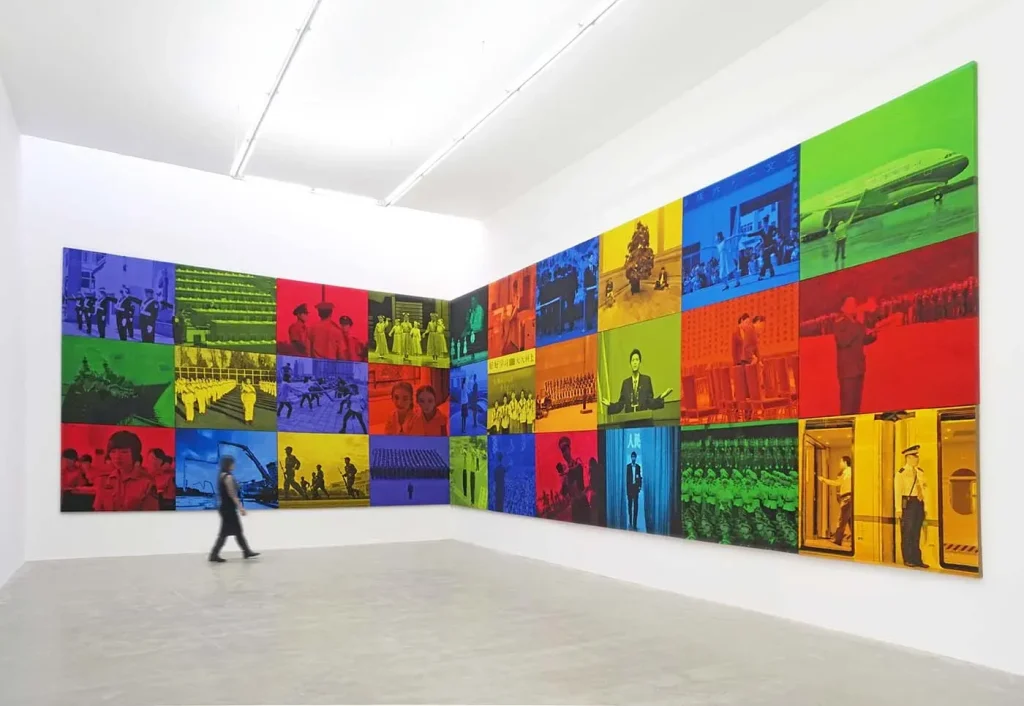
In your work Public Memory (2015), you explored how memories can be manipulated or even manufactured by society. If memories are constructed by external forces, do we own our pasts, or are we curators of a shared fiction?
Memory is not equivalent to the past. It is the most unreliable form of narrative. People use memory to edit history.
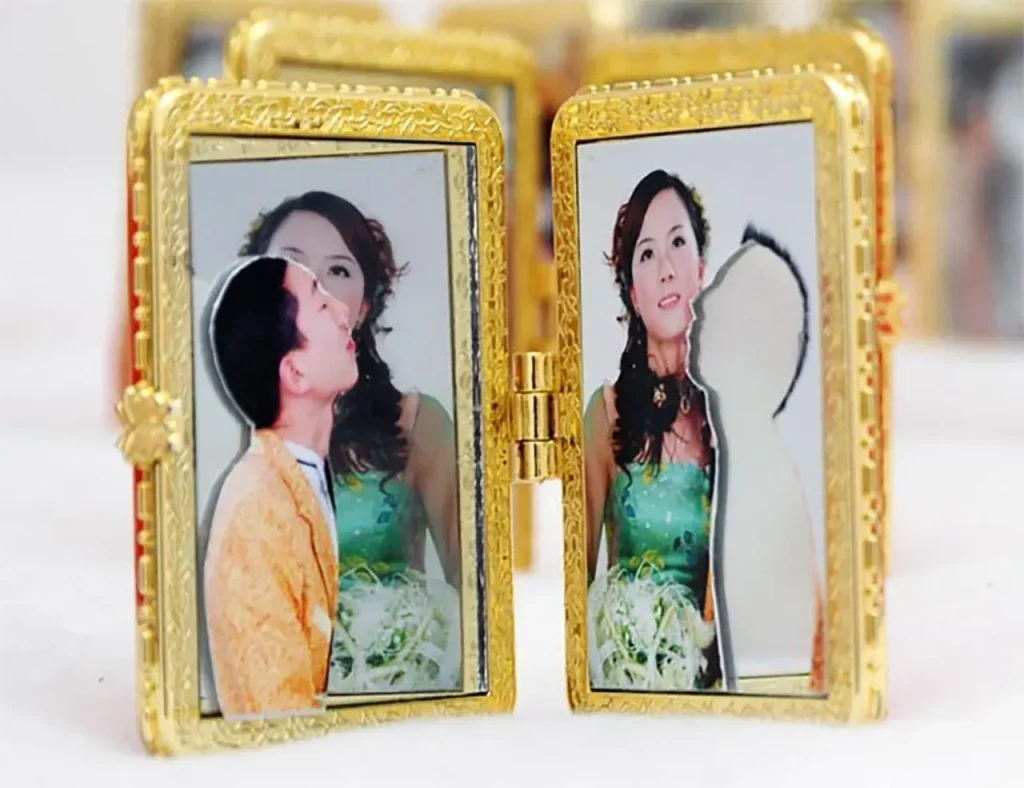
Much of your artwork critiques the homogenization of people within economic systems. How can individuals gain true visibility without becoming commodities?
There is no longer any visibility that has not been contaminated.
In your series dealing with the “mental orphans” of the new generation, what do you believe women in the arts have to give to an increasingly digital and disconnected society?
Compassion.
Can you share a meaningful story from the backstage of your art projects?
I no longer deliberately distinguish between what is life and what is art.
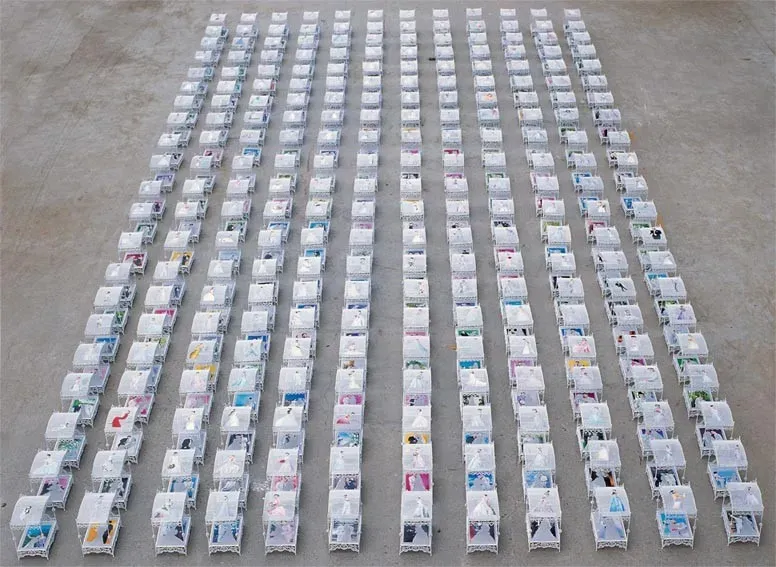
As we enter an era of AI-generated imagery where truth is harder to define, do you think the tactile, physical labor in your work gains new meaning?
The determination of meaning does not rely on materiality or the body. It happens through judgment, choice, and restraint.
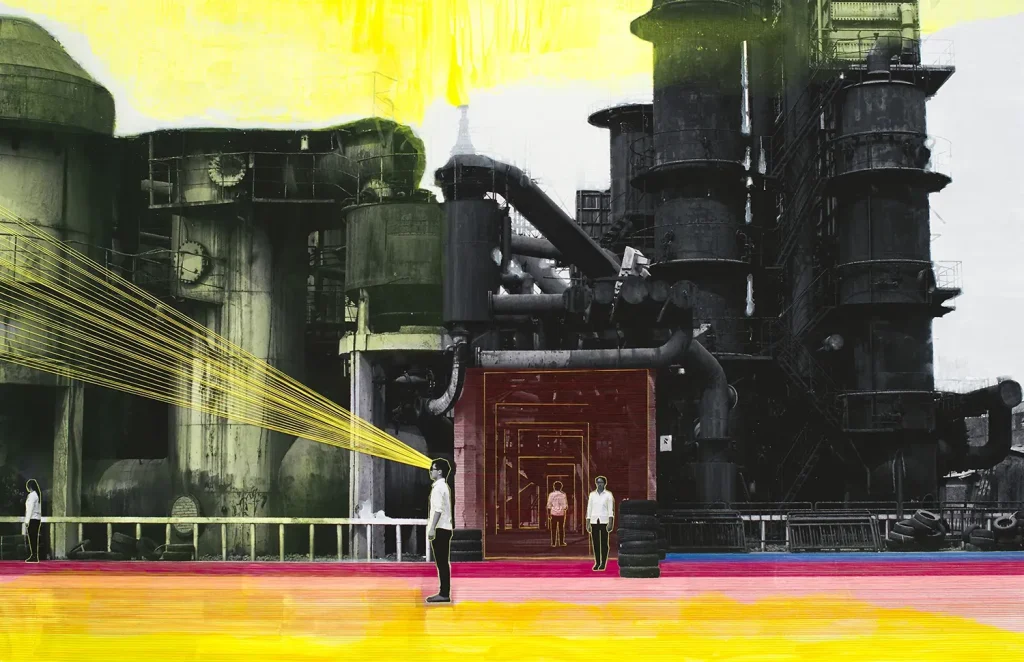
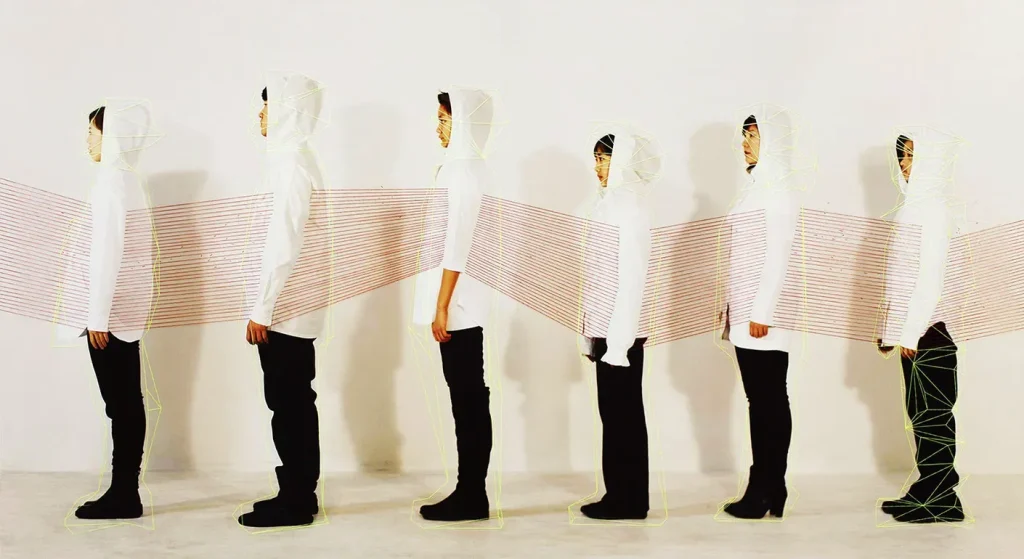
In what ways are women still constrained by antiquated ideas that need to be dismantled? How have expectations of success in the arts changed?
Sexual implication.
Soft power.
As we mark International Women’s Day, how has your professional journey shaped your understanding of women’s empowerment, and what responsibility does your work carry in advancing opportunities for other women?
I do not emphasize female identity. I do not emphasize any gender. I emphasize conditions.
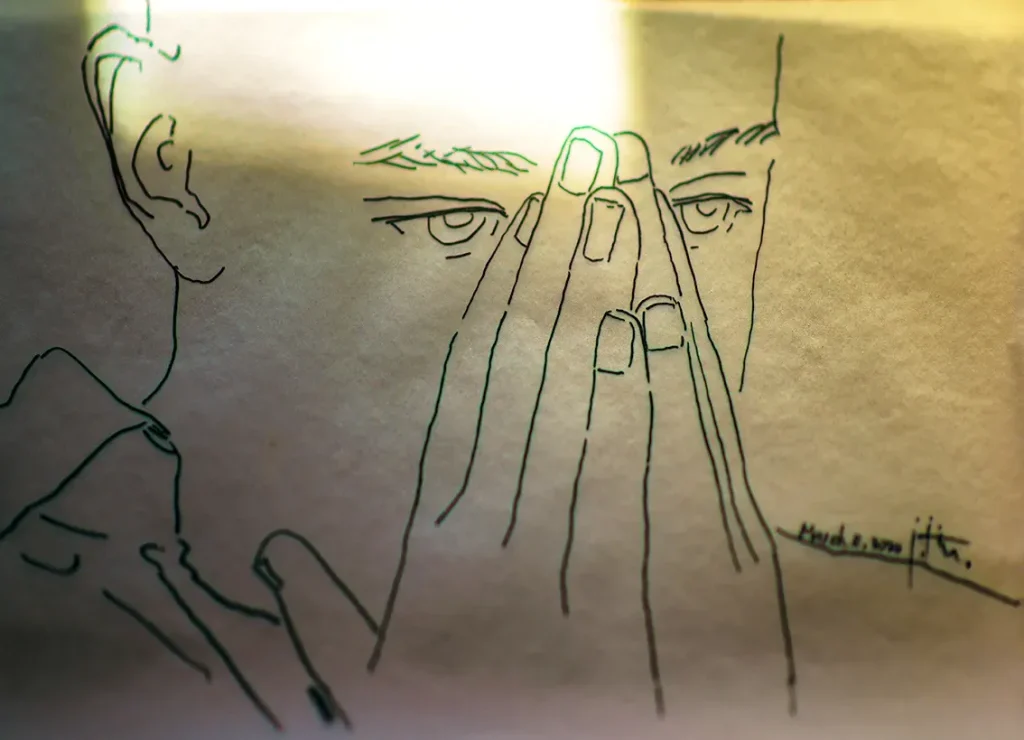
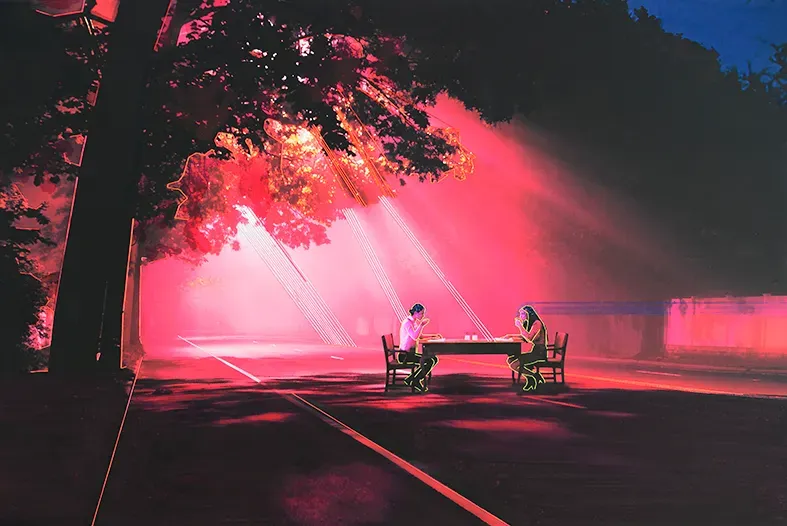
Photos courtesy of Lin Jingjing
Post Author