Ink, Gravity, and Time: How Canal Cheong Jagerroos Reconstructs the Internal Landscapes of Memory
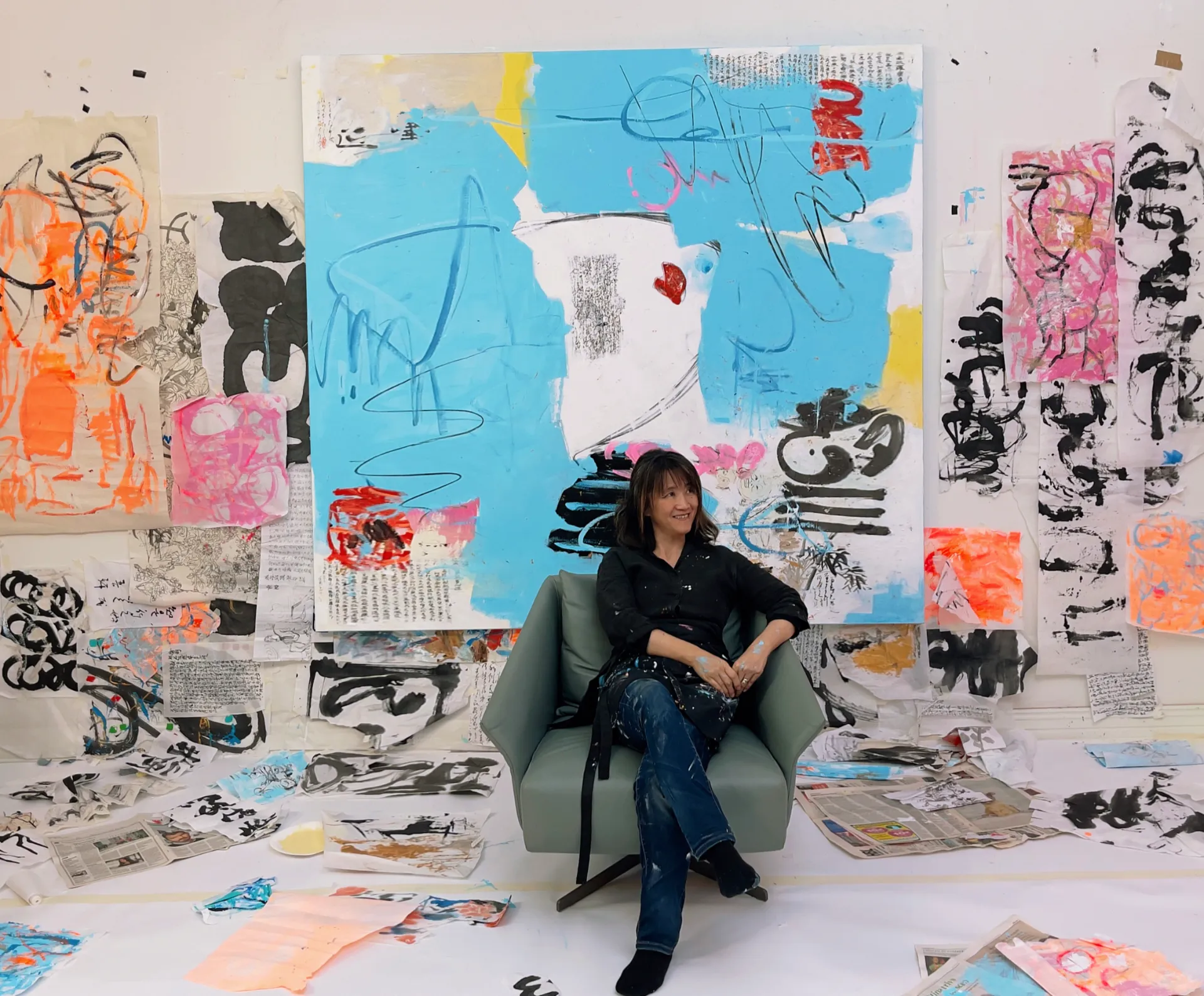
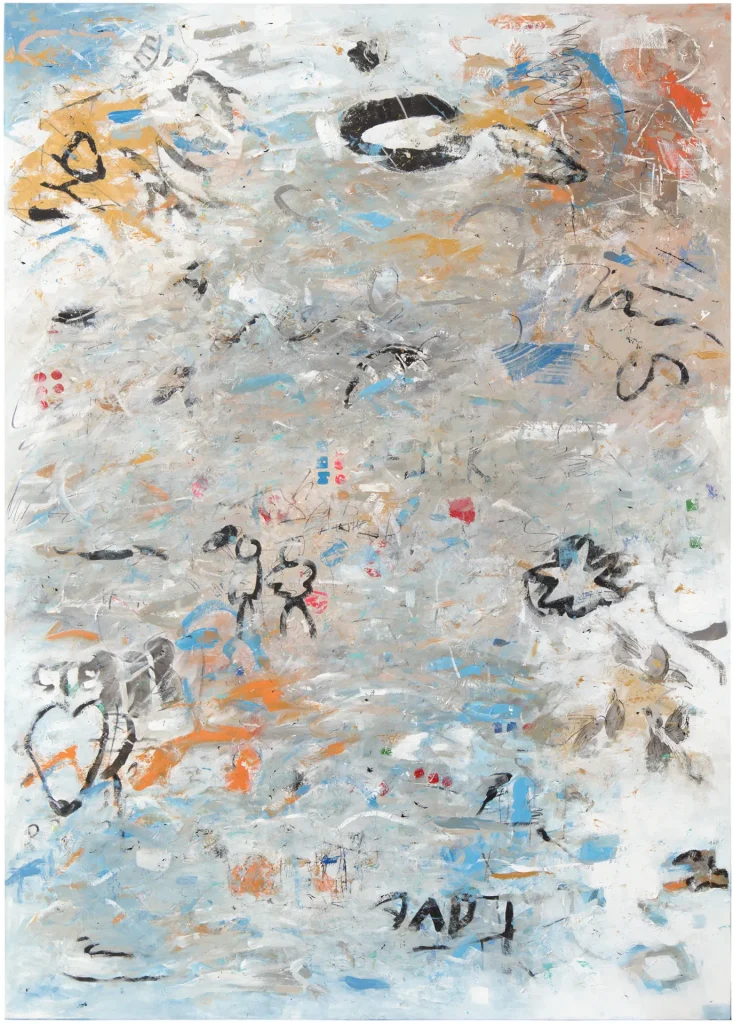
Canal Cheong Jagerroos (張彤茹) is a contemporary artist that works primarily in abstract painting and installations, and which body of work have been exhibited worldwide since the 1980s. She is well renowned for her personal style of multi-layered rice-paper paintings, drawings, signs, symbols, mix-media and calligraphy to depict the cumulative effects of changes with a contemporary expression, although her subsequent work is based on concept art. Her practice moves fluidly between cultures, materials, and perspectives. She attended the Guangzhou Academy of Fine Arts and took fine art studies, and also took classes in painting, Chinese painting, oil painting, contemporary art, applied art, and experimental art, among others.
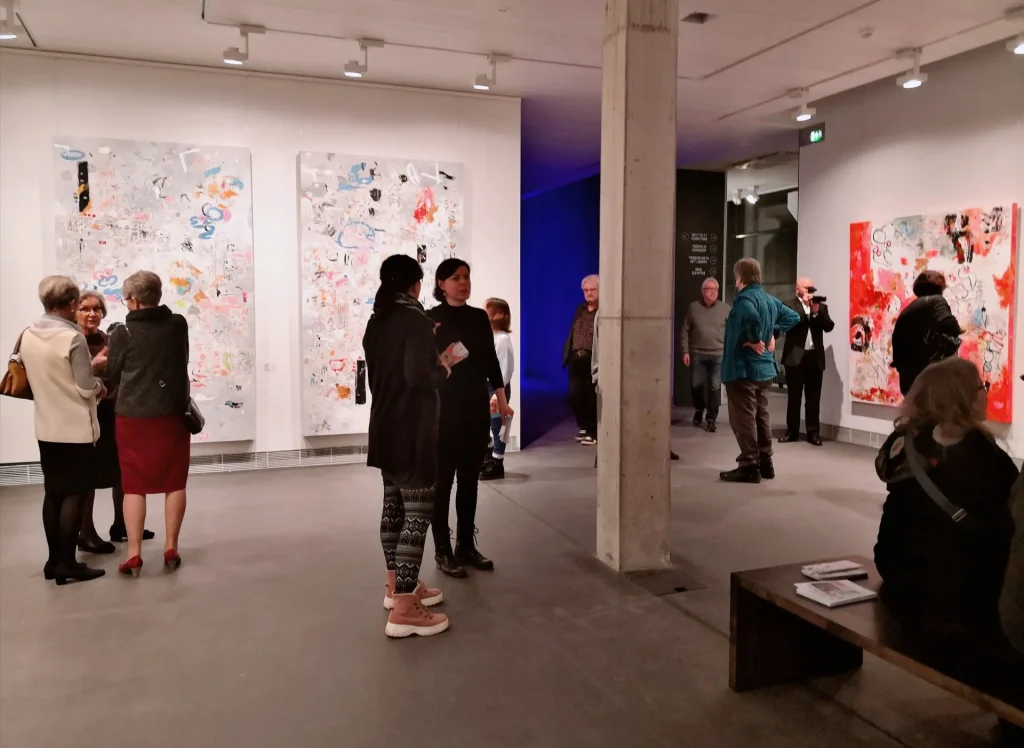
She completed these courses in 1989 and returned to Macau, but immediately resumed her creative studies in Hong Kong, where she spent a year studying art and graphic design at the Open University of Hong Kong. Her artwork is interwoven with old metaphoric symbols, signs, and modern sentiments. She finds inspiration in watching current societal challenges through the lens of philosophy and natural growth, as well as being true to herself and her own personal sentiments. Her art frequently combines traditional Chinese ink methods with modern abstract expressionism, creating an intriguing connection between Eastern and Western ideals. She uses a very intricate and complex constructive, deconstructive, and reconstructive method. Her pieces are designed to spark reflection rather than surface-level answers. Her practice reflects a sensitivity to context and a commitment to thoughtful inquiry, often engaging with questions of cultural memory, and visibility as an ongoing dialogue. Her recent large-scale paintings solo exhibitions ‘Blue and Red Art project’ and ‘Floating Island’ with (calligraphy) textile were displayed at Salo Art Museum, Jyväskylä Art Museum, Joensuuu Art Museum, Korundi Rovaniemi Art Museum and Xian Art Museum from 2018 to May 2020. She currently splits her time living and working between Helsinki, Shanghai, Nice, Berlin and Tokyo. She has an upcoming exhibition at Helsinki Meilahden Art Hall, which will run from 1 April to 30 August 2026.
Official site | Facebook | Instagram
Could you tell us what motivated you to become an artist? Have you always had a clear vision of your career from an early age? What are your best childhood memories related to art?
Creativity was a natural part of my life as I grew up in an artistic family in Macau, China. From a young age, I always knew I wanted to become an artist. Art has been my quiet language, providing me with space for calm, clarity, and reflection. As time passed, my passion deepened as I explored different mediums and discovered what truly resonated with me. Some of my most cherished childhood memories are beautifully simple: spending hours drawing with my sisters, completely losing track of time, while surrounded by the warmth and encouragement of our parents, who wholeheartedly supported my creative endeavours. The unwavering support of my family has profoundly shaped my artistic journey and the artist I am today.
She was raised in Macau and was born into a creative household. Her mother was an opera singer, and her father was an artist.
You’ve lived across diverse cities with distinctive cultures—from Macau to Finland and beyond. Do you feel your art belongs to a specific geography, or are you intentionally creating a “third space” that exists only on the canvas?
I envision my art transcend beyond canvas; I see it as an opening invitation, a gateway to connection—a realm where inspiration can ignite, our diverse experiences are celebrated, and moments of joy and unity can flourish. Over the past 30 years, I have lived in many places I have called home — from the luminous streets of Macau to the peaceful winters of Helsinki, from the vibrant rhythms of Shanghai and Hong Kong to the subtle elegance of Strasbourg, Zurich, and Trieste, and across the vast landscapes of Africa, from sun-drenched savannas to Dakar, where the pulse of markets, music, and street life infuses every corner. Each place has left its trace on me, shaping not only who I am but the artist I have become. I continue to feel their echoes in my work—every place carries its own rhythm, its unique light, and emotional atmosphere, and these elements inevitably flow into my paintings. Living across such diverse environments has influenced me deeply, teaching me to be adaptable, open, and receptive. On the canvas, I am not trying to represent a physical location. Instead, I create an internal landscape. It is less about where I am, and more about how these places have settled within me. I do not feel that my art belongs to any single geography; rather, it exists in a space shaped by memory, transition, and the experience of moving between cultures.
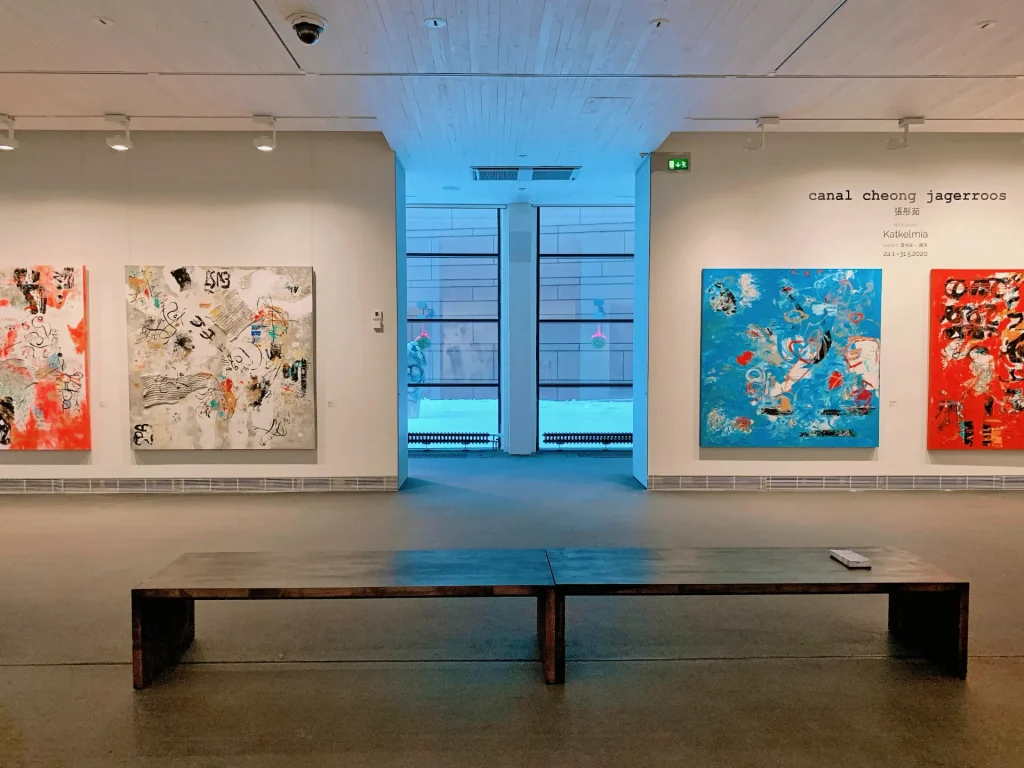
Has your cultural background shaped not only what you create, but how you think about creating or/and how do you organize a productive studio day?
Yes, absolutely. My cultural background has naturally shaped not only what I create, but also how I approach the act of creating. I am comfortable sitting in front of an empty canvas for hours, rather than rushing toward resolution —I embrace layers, contradictions, and the notion that a work can evolve slowly over time. For me, the day often begins quietly — revisiting what I worked on before, adjusting small details, or simply observing. Observation is an essential part of my practice; it allows the work itself to flow to the next step, letting ideas emerge spontaneously. Some days are physically active and experimental; others are slower and more contemplative. Ultimately, creating for me is less about an outcome and more about remaining present, and where ideas can surface naturally.
She’d longed to be an artist since she was a young child.At a young age, she received instruction in traditional Chinese painting, especially from her father. Her father had a vital part in her creative education, instilling in her a solid foundation of traditional Chinese art and forms.
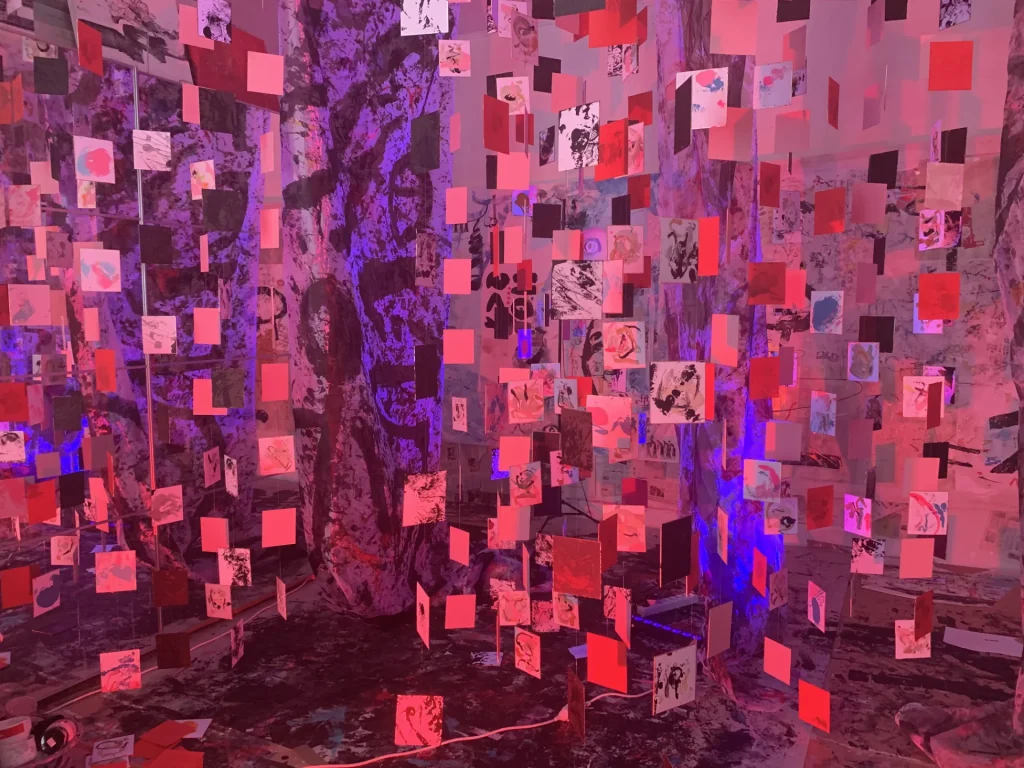
You create artwork with delicate materials like rice paper but in massive, layered scales. How do you balance the fragility of the medium with the physical intensity required to create such large-scale works?
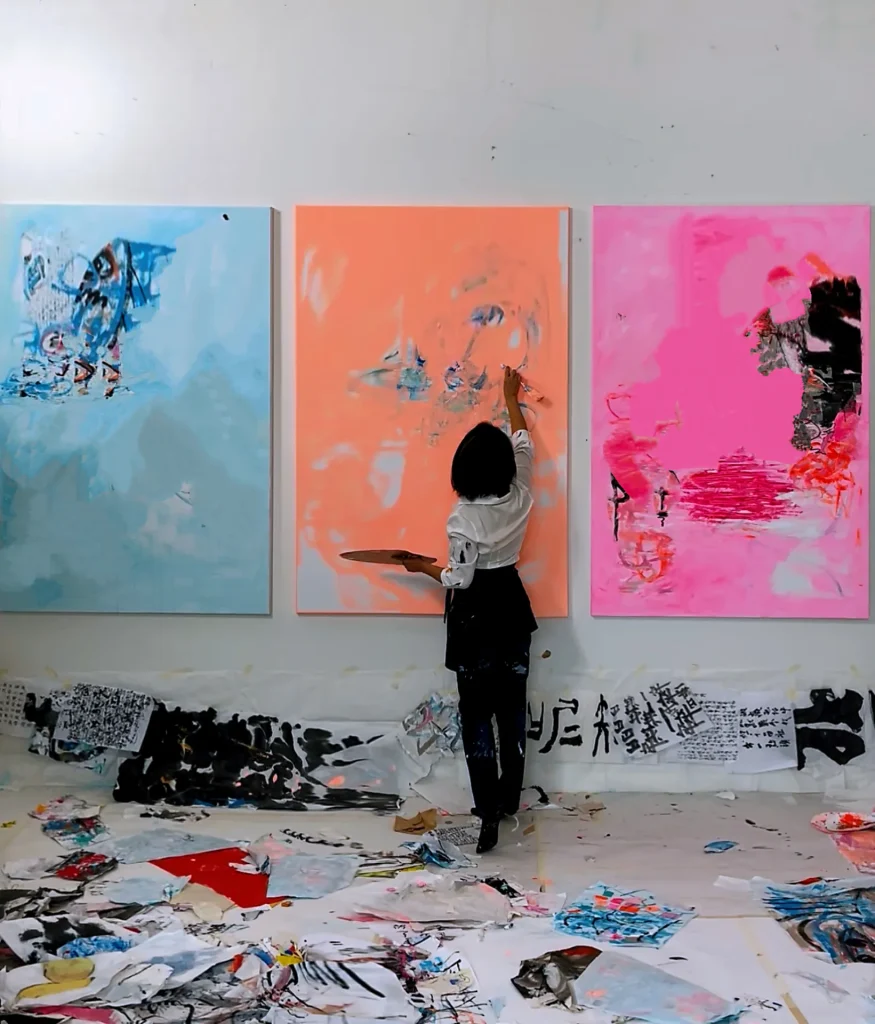
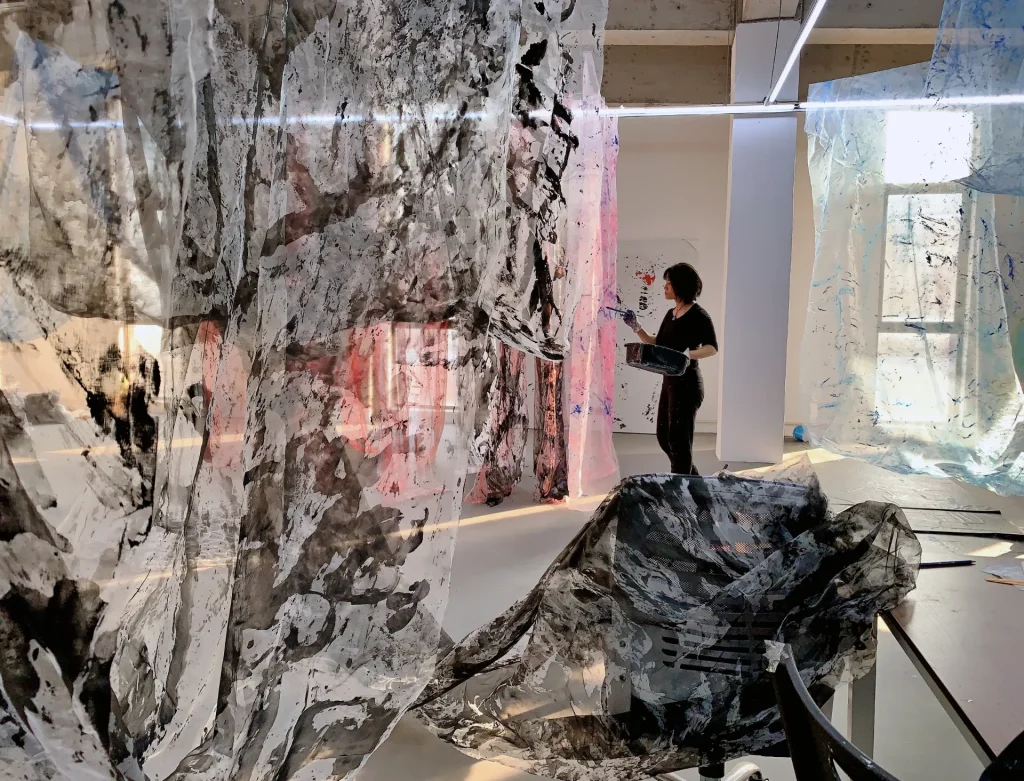
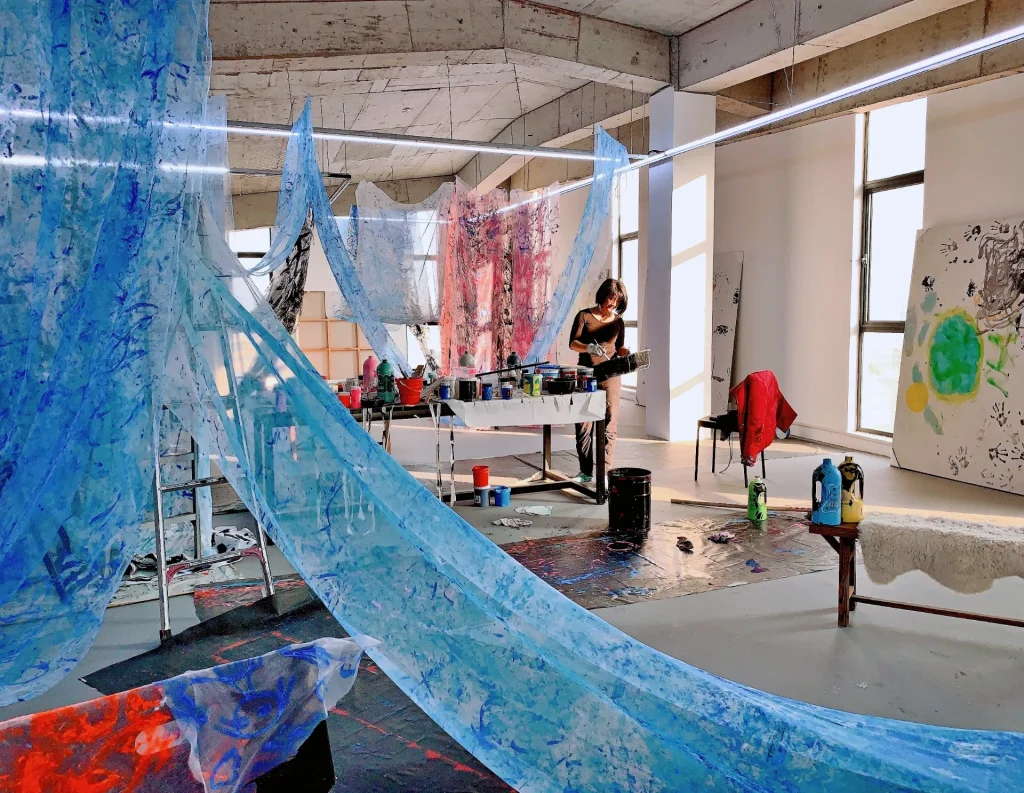
Precisely I’m deeply drawn to materials like rice paper because of its fragility. They carry a sensitivity, a responsiveness to touch, moisture, and movement that feels almost alive. At the same time, I’m interested in pushing that delicacy into a larger physical scale — expanding something intimate into something immersive. Balancing fragility with physical intensity requires both control and surrender. Large-scale works demand strength and endurance; they require me to move with my whole body, to stretch, layer, lift, and sometimes even struggle with the material. But rice paper resists force. It tears easily, absorbs unpredictably, and records every gesture. That tension becomes part of the work and each layer adds strength. In many ways, the process mirrors a human experience: fragility and resilience are not opposites. They coexist. The physical intensity of making these works doesn’t contradict the delicacy of the material — it reveals it.
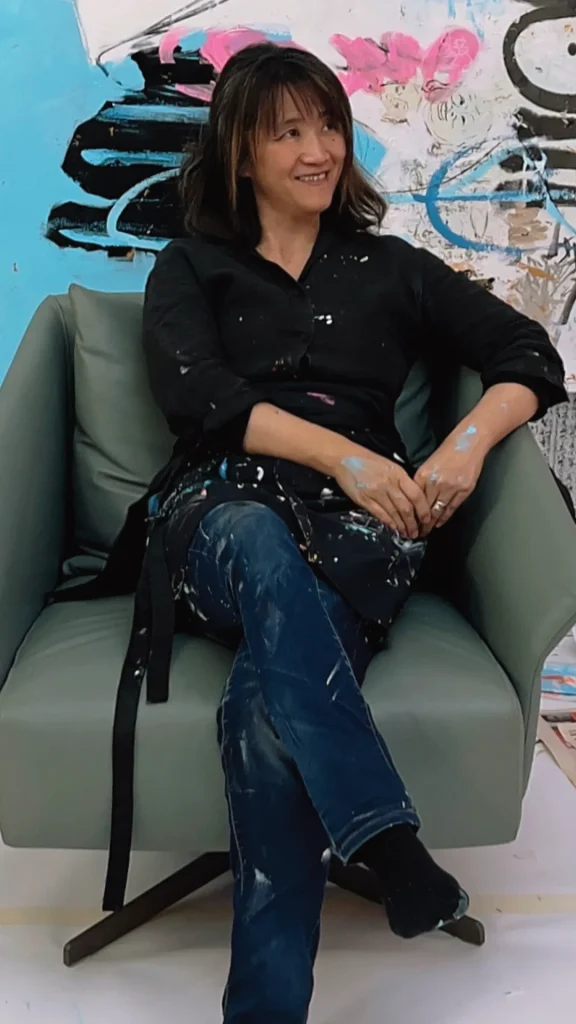
Ink and wash involve a certain level of unpredictability. How much of your work is a disciplined execution of a vision, and how much is a “collaboration” with the way the paint decides to flow that piece?
My father taught me the art of traditional Chinese brush painting when I was just a child. He emphasized the importance of grip, teaching me how to hold the brushes so that the strength of my arm could flow naturally with the ink. From that moment on, I became captivated by ink washes, which embody a beautiful dance between predictability and spontaneity. Ink possesses its own wisdom, reacting to water, gravity, absorption, and the passage of time in ways that are impossible to foresee. I’ve learned to embrace these moments, allowing the excitement of the unexpected to flow—often, it is these unanticipated strokes that create the most vibrant and dynamic elements of my work.
Her technique results in creating a “unique language,” where ancient motifs and contemporary expressions coexist.
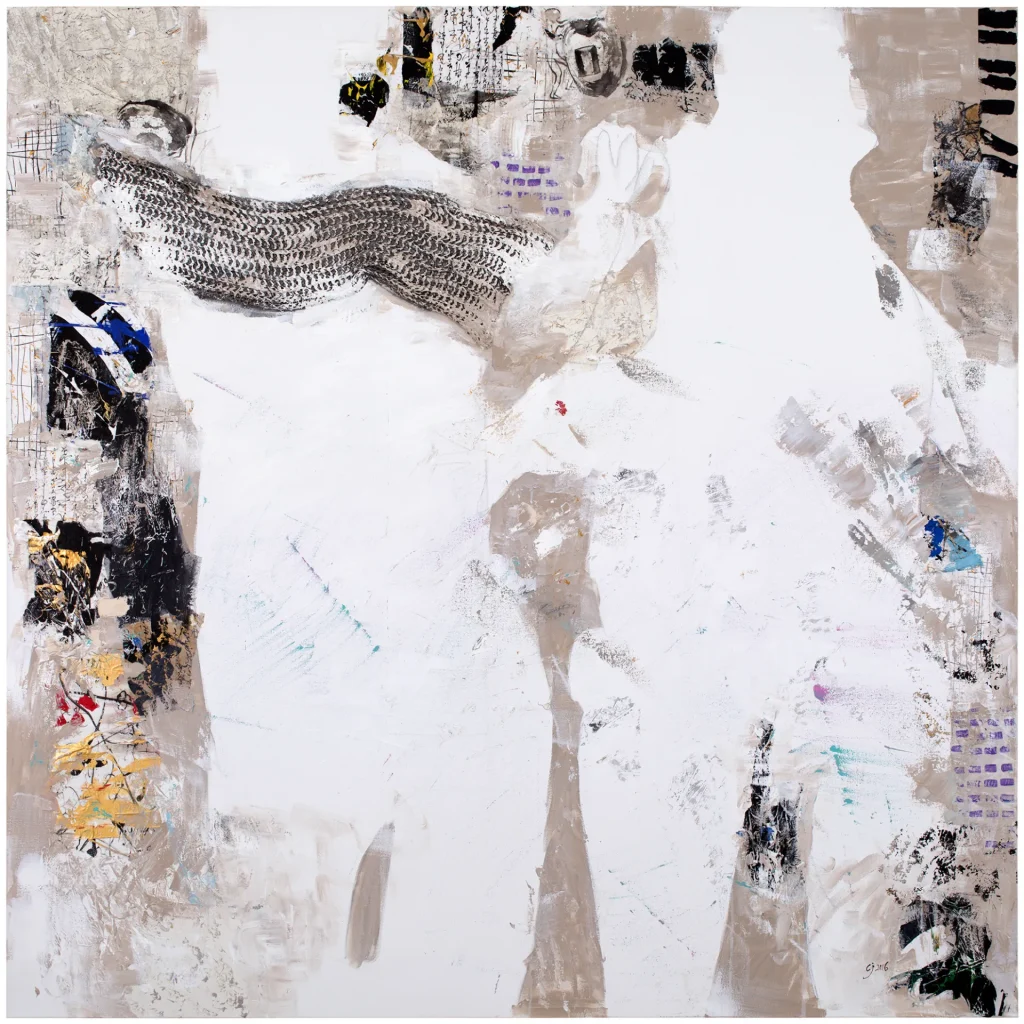
Chinese ink painting carries thousands of years of solid tradition. When you integrate it into contemporary abstraction, do you feel like you are “changing” those rules, or simply translating them for a new century of creative life?
You are right! The Chinese ink painting carries an extraordinary depth of history, philosophy, and discipline, and I approach that tradition with great respect. For me, it is not something to break from, but something to remain in dialogue with. When I integrate ink into contemporary abstraction, I do not feel that I am changing the ancient rules but rather extending its spirit, breath, gesture, emptiness, balance, and the relationship between space and spontaneity. In that sense, I see my work as a continuation rather than a rupture. Every tradition was once contemporary; it evolved because artists responded to their own time while remaining rooted in core values. I see myself as continuing that conversation in the present moment.
How do you balance personal storytelling with universality? Do you believe art should comfort, confront, or create doubts? Does your art reflect your personal philosophy of life? What do you hope to communicate with your artwork?
I often begin my work with a fleeting memory, a sensation, a quiet shift inside me. Instead of telling a story, I let it breathe into atmosphere, gesture, and space. When personal details melt into abstraction, they become invitations. Viewers can wander in with their own memories, their own emotions, and suddenly the personal becomes universal through resonance rather than explanation. Art serves more than one purpose. It can provide comfort, provoke surprise, challenge perceptions, or spark doubt — sometimes all at once. I am particularly drawn to the subtle space where certainty dissolves. When a work resists immediate resolution, it invites prolonged looking and deeper reflection. I aspire for my art to evoke something beyond words: a pause, a spark of recognition, a quiet smile in front of the work. If that happens, a connection has been made — and that, to me, is pure magic.
You spoke at TEDxNYU Shanghai about “Interstice as Space”—the transformative power of unplanned moments. How can women in the arts use these “in-between” spaces to support one another rather than competing for limited gallery spots?
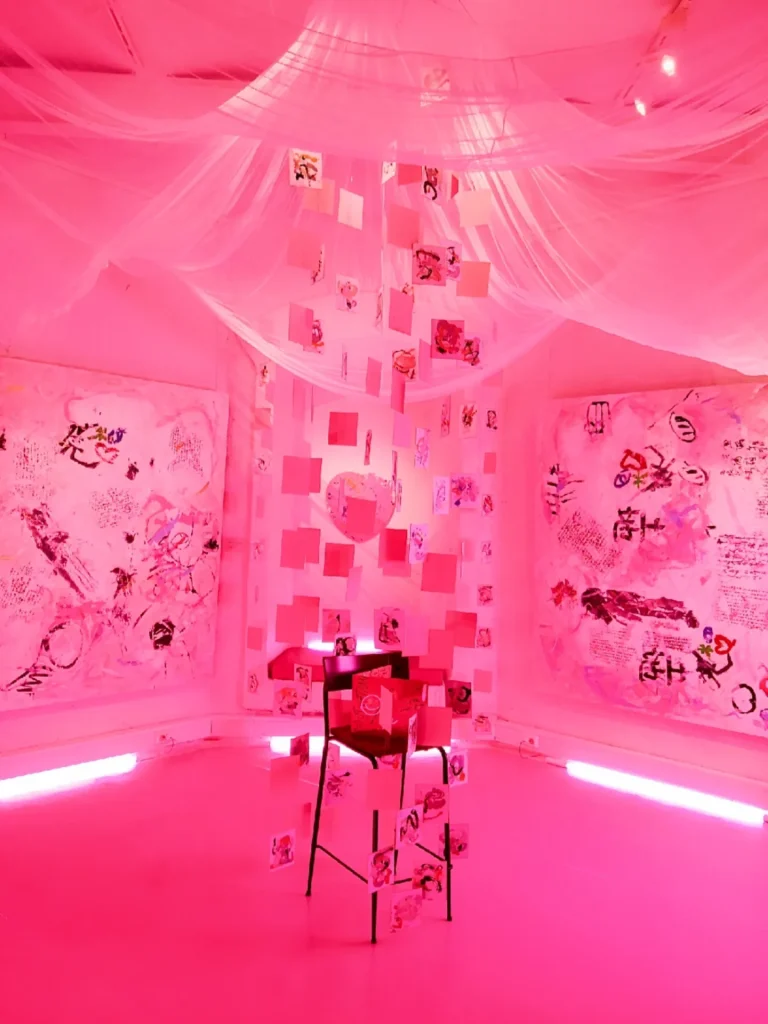
When I spoke about “Interstice as Space” at TEDxNYU Shanghai, I was referring about the magic that happens in the pauses — the informal hangouts, the unplanned chats, the moments that aren’t in any schedule but end up being transformative. These in-between spaces are where new possibilities quietly take shape. For women in the arts, these interstitial spaces can become powerful sites of solidarity. The art world often presents limited representation and limited visibility. But in the spaces outside formal structures, we have the freedom to redefine value. Support can begin with simple acts: studio visits, sharing resources, open conversations, recommending one another for opportunities, or creating independent platforms and sharing connections.
Your artwork, like the Floating Island project, involves immense physical labor and technical layering. Do you think the art world is finally beginning to recognize the “strength” required in finding harmony art, moving away from the stereotype of gender?
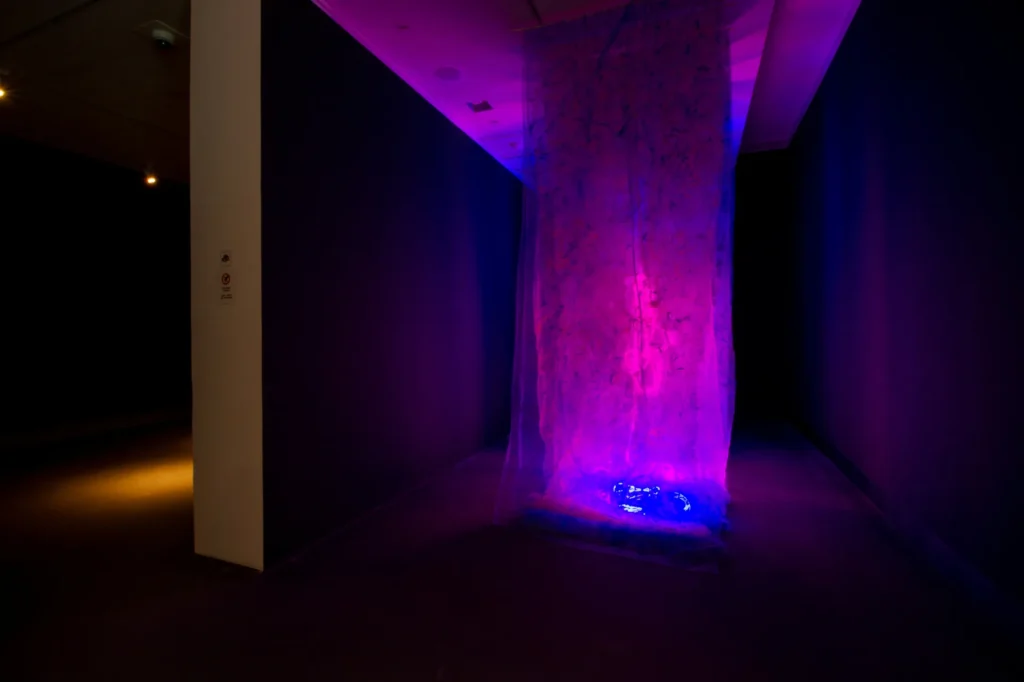
I hope so! When I began my ongoing installation project Floating Island in 2017, I quickly realized just how much physical strength and technical layering it demands. But that challenge was part of the joy. Floating Island art project allowed me to explore space, form, and movement in ways that felt almost magical. As audiences engage with Floating Island—pausing, reflecting, and connecting with the work—made the experience complete. In those moments, the installation truly came alive, and the audience became part of it. For me, these interactions highlight the strength along my creative path.
Do you think days like IWD meaningfully advance equality, or do they risk becoming only symbolic? What conversations about gender do you feel are still missing in the art world? How can artists contribute to conversations about gender justice in ways that go beyond slogans?
I think days like International Women’s Day hold real potential, but their impact depends on what comes after. Symbolic recognition matters because visibility matters; it creates a moment to acknowledge history, inequity, and progress. Yet symbolism alone is not enough. If the conversation begins and ends on that day, it risks feeling performative rather than transformative. True progress requires continuity and long-term commitment. A commemorative day can open the door, but sustained action is what walks through it. Finally, I believe art has the power to shift perception — and perception, in turn, shapes the world around us.
Photos courtesy of Canal Cheong Jagerroos
Post Author