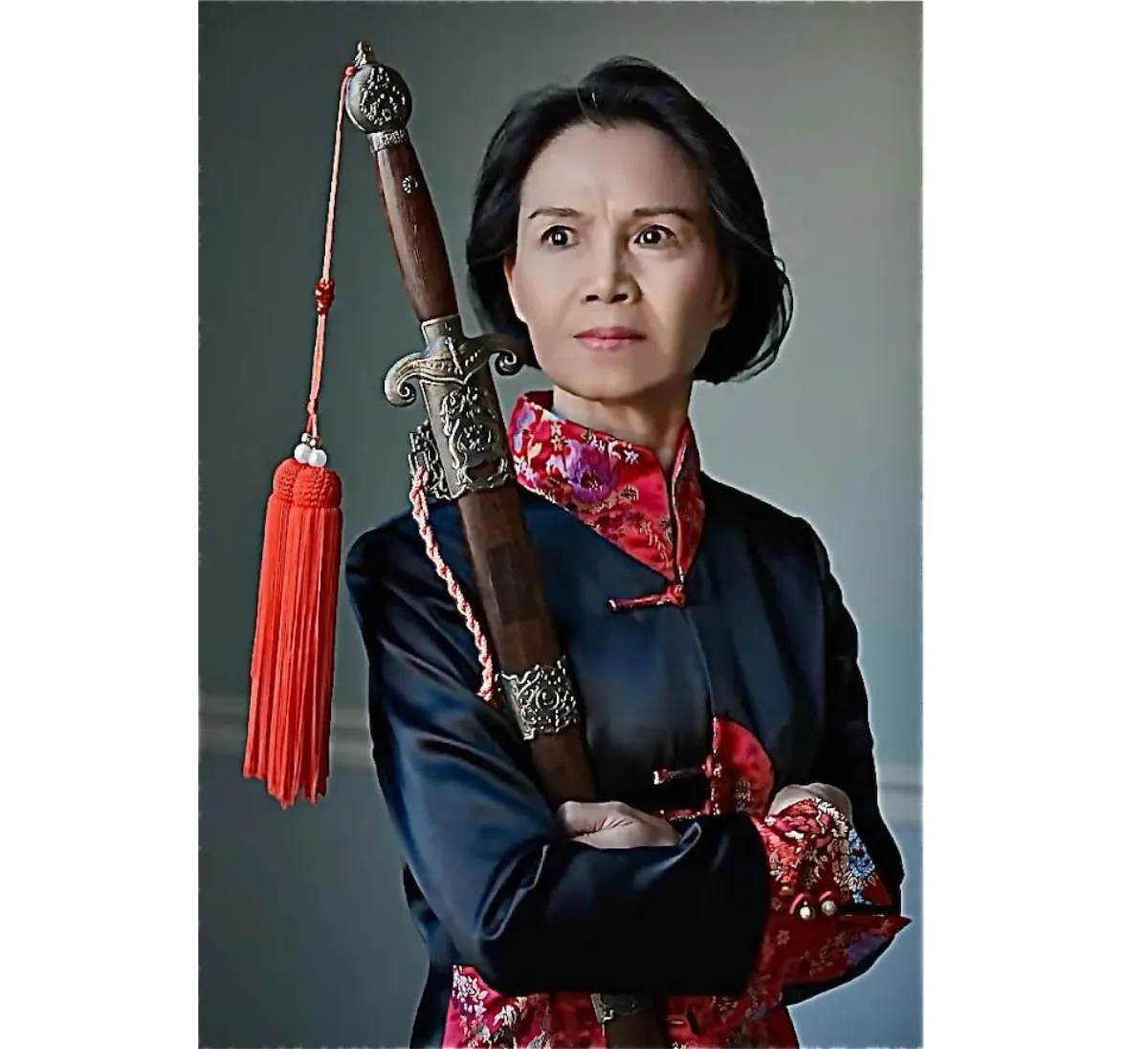
Aiping Cheng: On body awareness, On deeper insight & legacy of Tai Chi
One of the most decorated and respected figures in the world of internal martial arts, Master Aiping Cheng represents a rare bridge between the ancient lineages of China and the global stage of modern competitive Wushu. As a former member of the prestigious Chinese National Wushu Team, Master Cheng’s competitive career is nothing short of legendary. A multi-time Chinese National Champion, her technical precision and fluid grace earned her the title of “All-Around Champion,” cementing her status as a “state-level” athlete—the highest athletic designation in China. Beyond the medals, she is a true standard-bearer; having trained under the most elite masters of the 20th century, she possesses a deep, nuanced understanding of Tai Chi and Wushu, perfectly balancing meditative flow with explosive internal power.
Since moving to the United States, Master Cheng has dedicated her life to sharing her passion for martial arts with a Western audience. As the founder of the Aiping Tai Chi and Wushu Center, she has seamlessly transitioned from a world-class competitor to a world-class pedagogue. Her teaching philosophy emphasizes that everyone can achieve the “martial spirit”—a state of balanced strength, focused intent, and physical harmony. She is widely recognized for her ability to make these ancient arts accessible and meaningful in a contemporary context, inspiring practitioners of all levels to explore both the martial and meditative dimensions of training.
As a high-level coach, she has contributed significantly to the global development of Wushu while remaining a staunch advocate for preserving the authenticity and spirit of the practice. Her instruction focuses not only on physical skill but also on the vital internal principles that define Tai Chi: awareness, mindfulness, and the harmonious integration of mind and body.
Whether she is coaching elite athletes for international competition or guiding seniors through health-restoring movements, Master Cheng remains a true “teacher’s teacher,” renowned for her ability to translate the “invisible” internal work of Qi into a tangible, life-changing practice.
Official site | Instagram | Facebook
When did you start learning martial arts?
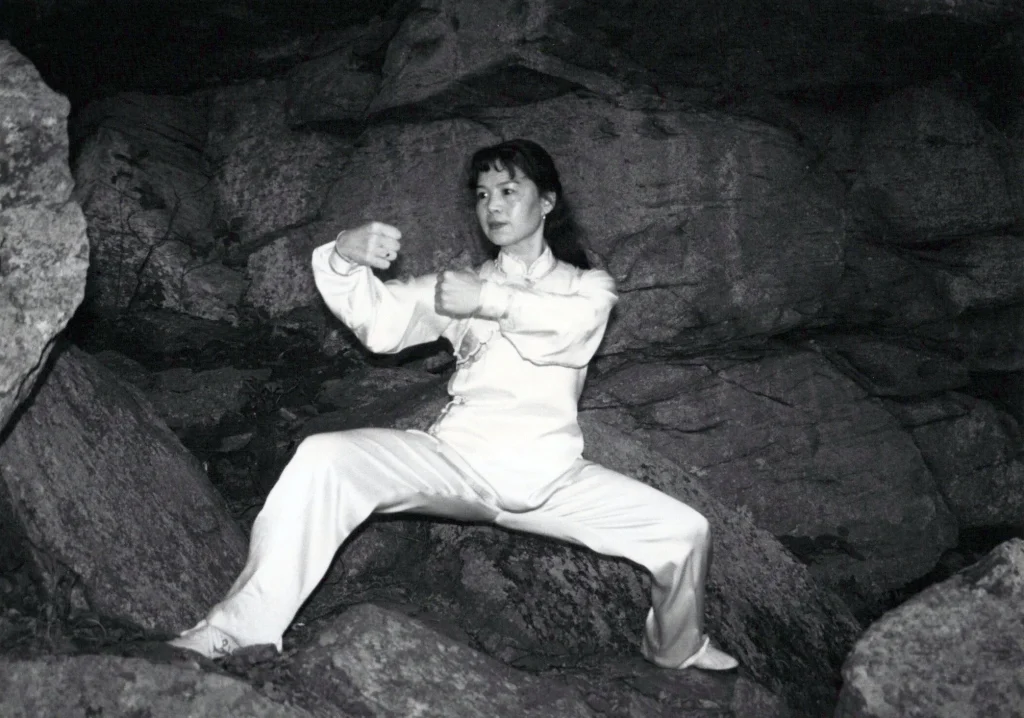
I officially began learning martial arts in November 1970. From that time on, martial arts became one of the most important parts of my life.
What first attracted you to this discipline?
Actually, I had no martial arts background at first. Before that, I practiced gymnastics. At that time, coaches traveled throughout the province to primary and secondary schools to select talented young people for martial arts training. Out of many students, 47 teenagers were chosen for intensive training. After one month of training and several rounds of strict selection, I was fortunate to become one of the final seven team members who remained. In this sense, my connection with martial arts began because of the opportunity provided by the country’s sports talent development program, and it marked the beginning of a lifelong journey with martial arts.
How long have you been practicing martial arts?
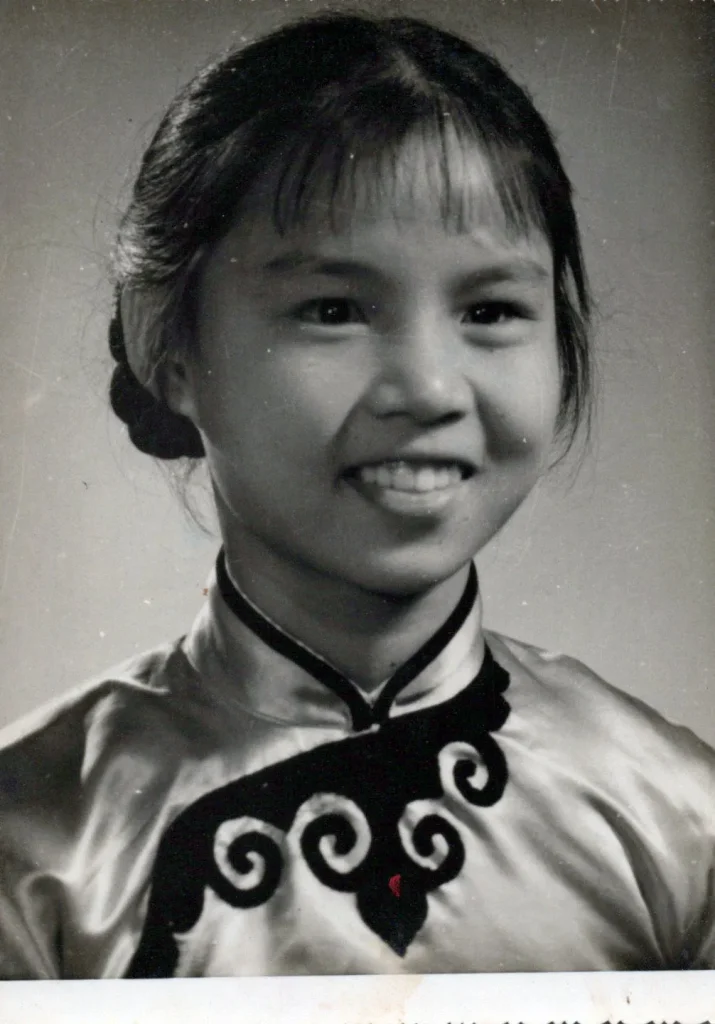
Counting from 1970, I have spent more than half a century studying, training, competing in, teaching, and promoting martial arts and Tai Chi. It can truly be said that I have devoted almost my entire life to the love and pursuit of martial arts and Tai Chi.
What inspired your decision to become a Master of Tai Chi and martial arts?
At the beginning, it was the training I received through the national sports system and the opportunities of that era that led me onto the path of professional martial arts. What has truly kept me on this path until today, however, is my ever-deepening understanding of and love for Tai Chi and martial arts. They are not only a form of physical exercise, but also a culture, a source of wisdom, and ultimately a lifelong mission for me.
In what ways have martial arts and Tai Chi enriched your life?
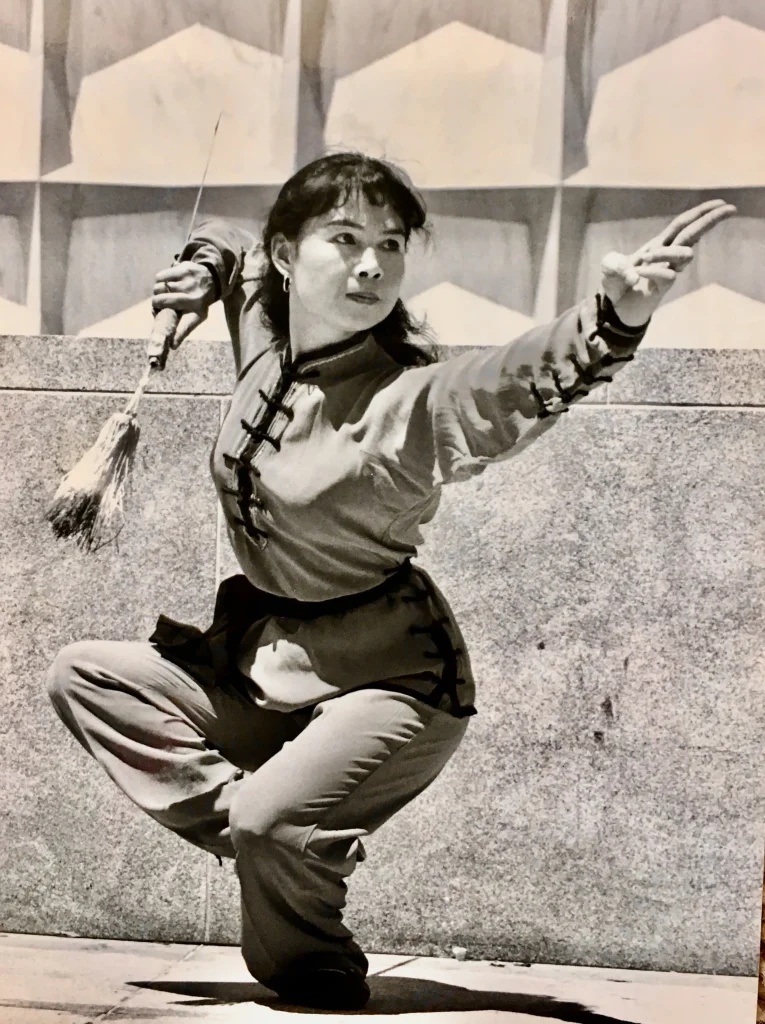
What martial arts and Tai Chi have brought me is not only physical training, but also a lifelong process of self-cultivation. Whether it is Tai Chi or martial arts, what they truly emphasize is not only strength and technique, but also inner balance, self-discipline, concentration, and personal cultivation. They are arts of continuous self-improvement and self-transcendence.
Through many years of intensive training and fierce competition, I learned how to remain calm and confident under pressure. I also developed patience, perseverance, and the determination never to give up in the face of difficulties. After experiencing all the hardships, joys, successes, and setbacks throughout my athletic career, what was truly refined was my character. I have come to realize that real growth comes from persistent daily effort rather than from a single breakthrough.
At the same time, the principles advocated by Tai Chi—such as “using softness to overcome hardness,” “combining softness and strength,” and “the balance of yin and yang”—have profoundly influenced the way I view society, life, and the way I deal with problems. When facing conflicts and difficulties, I no longer think only in terms of confrontation. Instead, I have learned to be tolerant, to observe carefully, to adapt to changing circumstances, and to seek the best solutions with wisdom.
Tai Chi and martial arts have allowed me to truly experience the power of the unity of body and mind, and they have continued to benefit me at every stage of my life. They have also given me inner calm and stability. Beyond competition honors and career achievements, they have provided me with the opportunity to travel around the world, meet people from different countries and cultures, and build bridges of communication and friendship through Tai Chi.
Martial arts and Tai Chi have given me a healthy body, a career that I truly love, a rich life experience, and a lifelong path to which I am willing to devote myself.
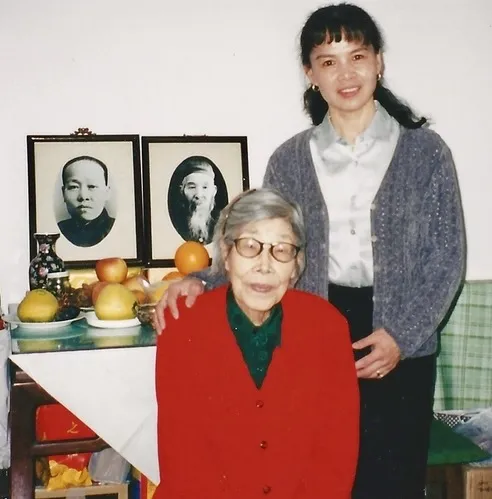
What have martial arts and Tai Chi done for your personal growth?
The greatest influence that martial arts and Tai Chi have had on me is that they have shaped my character and inner qualities.
Many years of intensive training and competition taught me self-discipline, perseverance, focus, and a strong sense of responsibility. They also taught me how to remain calm under pressure, stay humble in success, and reflect on myself and start again after failure.
Decades of practicing martial arts have helped me understand that personal growth does not come from temporary breakthroughs, but from continuous effort and constant self-improvement, day after day. What truly shapes a person is not only the level of one’s technical skills, but also one’s character, moral cultivation, and the ability to face life’s challenges.
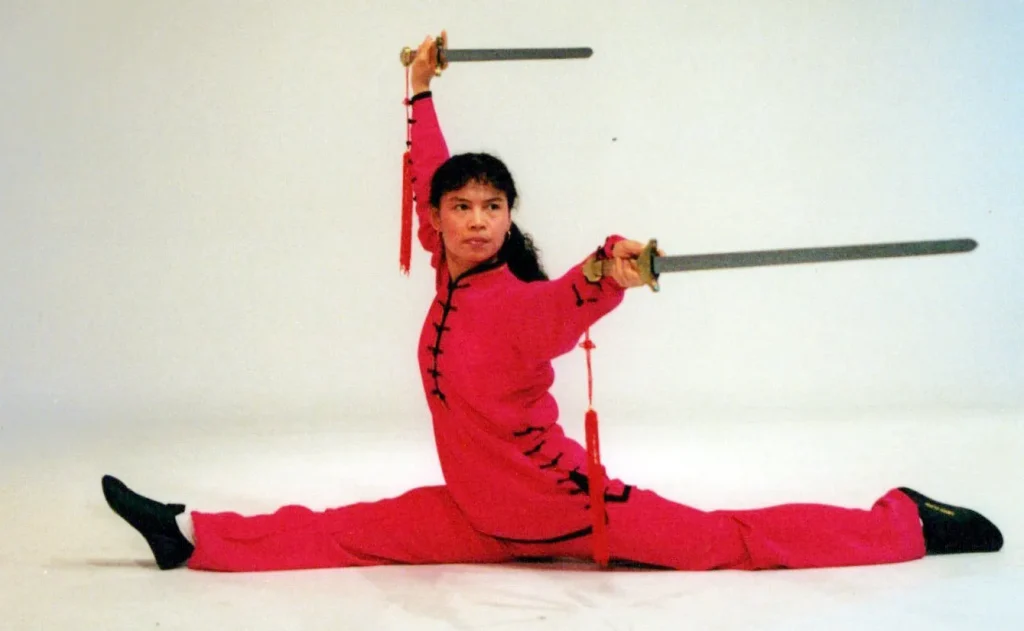
In your opinion, what is the most valuable aspect of your practice?
In my opinion, the most valuable part is not how many movements I have learned or how many honors I have received. Rather, it is the increasingly deeper understanding I have gained of traditional Chinese culture and the wisdom of Tai Chi, especially the philosophy of yin and yang, through many years of practicing Tai Chi and martial arts.
Tai Chi has taught me that life is not simply about competing to be stronger than others. It is about understanding the balance of yin and yang, combining softness with strength, and adapting to the natural course of things. When facing difficulties, we should have a strong and determined will; when facing the ups and downs of life, we should maintain inner peace.
In short, whether practicing martial arts or Tai Chi, we train the body while cultivating the mind and character. In the end, what we achieve is a better self—one who is developed both internally and externally. This has been my greatest gain over the past several decades, and it is the most valuable treasure I have received.
In what ways has your decades-long practice changed your perception of “movement” and the passage of time? What role do silence and meditation play in your daily training?
Decades of practice have brought profound changes in my understanding of “movement” and “time.”
When I was young, I understood movement more as a technical skill that needed to be “performed,” and I pursued speed, strength, technique, and expressiveness. However, as my practice continued, I gradually came to realize that truly high-level movement is not something deliberately executed. Rather, it naturally emerges in a state of deep harmony between body and mind. When breathing, awareness, internal force, and spirit reach unity, movement is no longer merely an external form, but becomes a true expression of inner cultivation. This long-term formed “motor pattern” reflects the integration of inner and outer, and the unity of form and spirit. Often, the simpler the movement appears, the deeper the content it contains.
My perception of time has also changed greatly. In my youth, I often felt that time was pressing me forward, and I hoped to improve faster and achieve success sooner. After decades of practice, however, I have become increasingly able to stay in the present moment. When practicing forms, standing meditation, or sitting in stillness, one hour can feel like only a brief moment; while a slow movement can contain layers of awareness of breath, intention, internal force, and spirit.
Therefore, silence and meditation are not supplementary elements outside of training; they are an inseparable part of my daily practice. They help me settle my inner world, unify my body and consciousness, and deepen my understanding that Tai Chi is not only an art of movement, but also a cultivation of life itself.
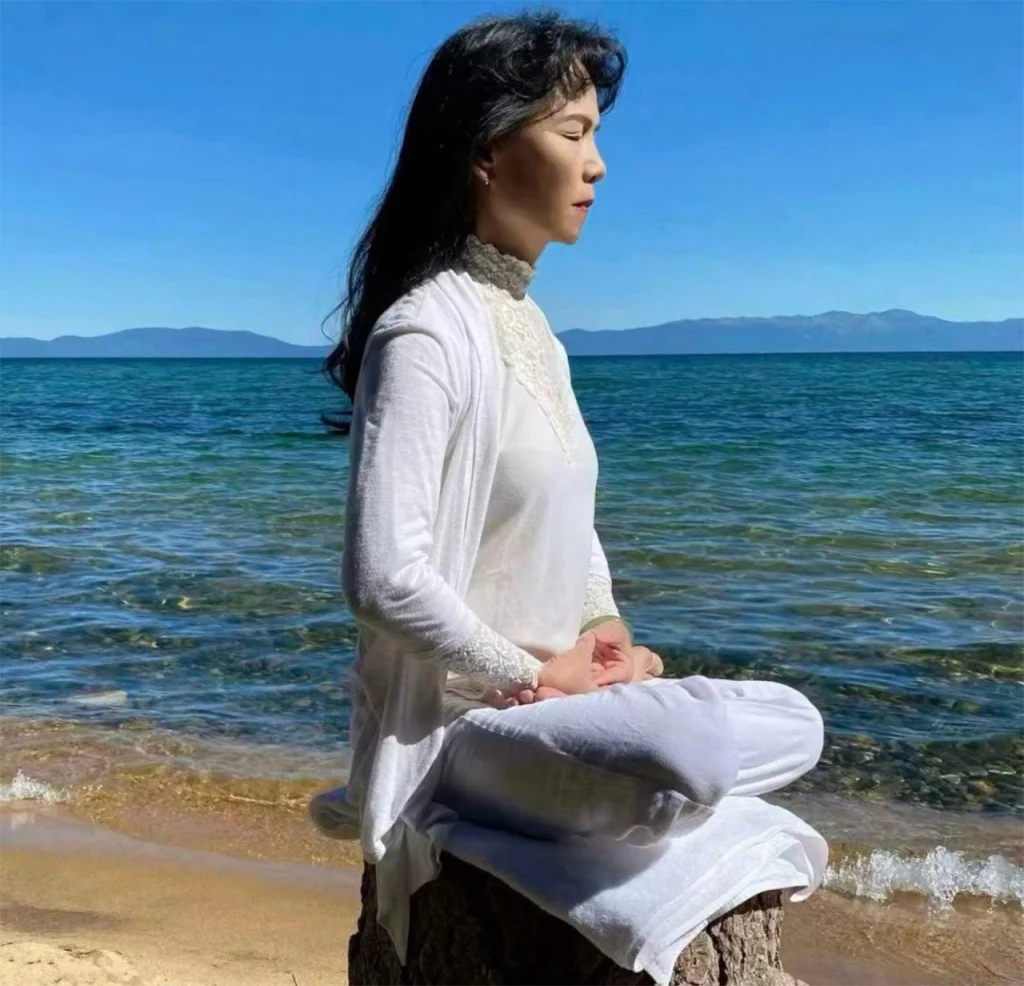
Why are silence and meditation so important to this practice?
Because what Tai Chi truly cultivates is not only movement, but the deep integration of a person’s mind, intention, internal force, and qi. Movements can be seen by everyone, but what truly determines the quality of movement is breathing, intention, internal force, mental state, and spiritual condition. Only when the mind becomes quiet can one perceive the most subtle changes in the body, such as the depth of breathing, the transformation of internal force, the shifting of center of gravity, and the fluctuations of emotions and thoughts. These cannot be obtained through speed or strength; they must be understood through continuous experience in silence. Tai Chi philosophy inside the Tai Chi Chuan movement is a silent Moving Meditation.
I often say that many people think they are practicing movements, but what actually needs to be cultivated is “awareness.” Movement is only the external carrier, while awareness is the core of practice. As awareness deepens, movements become more natural, the mind becomes calmer, and the relationship between humans and nature, as well as between oneself and oneself, becomes more harmonious.
Therefore, silence and meditation are important because they help us gradually move from “practicing forms” to “cultivating the mind.” When the inner state becomes stable, the movements naturally become stable; when mind and body truly unite, Tai Chi can fully express its highest pursuit—nourishing the inner to shape the outer, uniting form and spirit, and achieving harmony between heaven and humanity.
If I were to summarize the soul of Tai Chi in just two words, I would call it “Centered Harmony.”
“Centered Harmony” means remaining centered and free from extremes, neither contending nor resisting, and acting in accordance with the natural course of things. It means maintaining balance amid change and resolving opposition through balance.
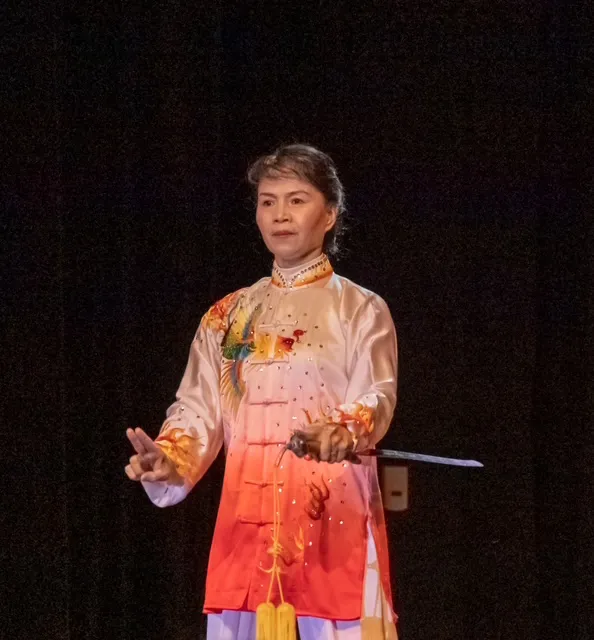
Why are these practices so important in the path of cultivation?
Different people have different reasons for pursuing spiritual cultivation.
Some seek inner peace. Some seek better health. Some hope to free themselves from mental suffering. Others, as they grow older, begin to seriously ask themselves, “What is the purpose of my life?”
For most people, life is often lived on autopilot, with the mind constantly pulling them from one thought to another.
When anger arises, they do not realize they have already been consumed by it.
When desire takes over, they do not notice they have lost their clarity.
When fear appears, they may not even realize that their entire body has become tense.
Meditation trains a very important ability:
- Thoughts arise, yet I can observe them.
- Emotions arise, yet I do not immediately become carried away by them.
This is a profound form of inner strength.
Silence gradually weakens the grip of ego.
During competition and social interaction, the sense of “I” often becomes very strong:
- I want to be recognized.
- I want to win.
- I want to prove myself.
- I want others to understand me.
After sustained periods of silence, however, one gradually realizes that many of these attachments are simply the ego at work.
Those who spend long periods in retreat often undergo noticeable changes:
- They speak less.
- They react more slowly.
- Yet their minds become much more stable.
This is because the constant tension created by the ego gradually begins to dissolve.
Meditation also helps restore and rebalance a person’s energy. This is not merely a religious belief. Many long-term practitioners of Tai Chi, Zen meditation, and yoga report similar experiences.
The average person’s energy is usually scattered:
- The eyes are constantly drawn outward.
- Emotions continually fluctuate.
- Thoughts endlessly consume mental energy.
During deep meditation, however, the breath, nervous system, and awareness gradually become gathered inward.
People may experience:
- warmth throughout the body,
- a loss of the sense of time,
- a fading of the body’s boundaries,
- and a profound sense of inner peace.
These experiences are not necessarily mystical. They are natural results of a mind that has become focused, settled, and tranquil. Such states can significantly relieve the physical and mental fatigue that follows intensive training, while also reducing the stress, tension, and emotional pressure that often accompany competition.
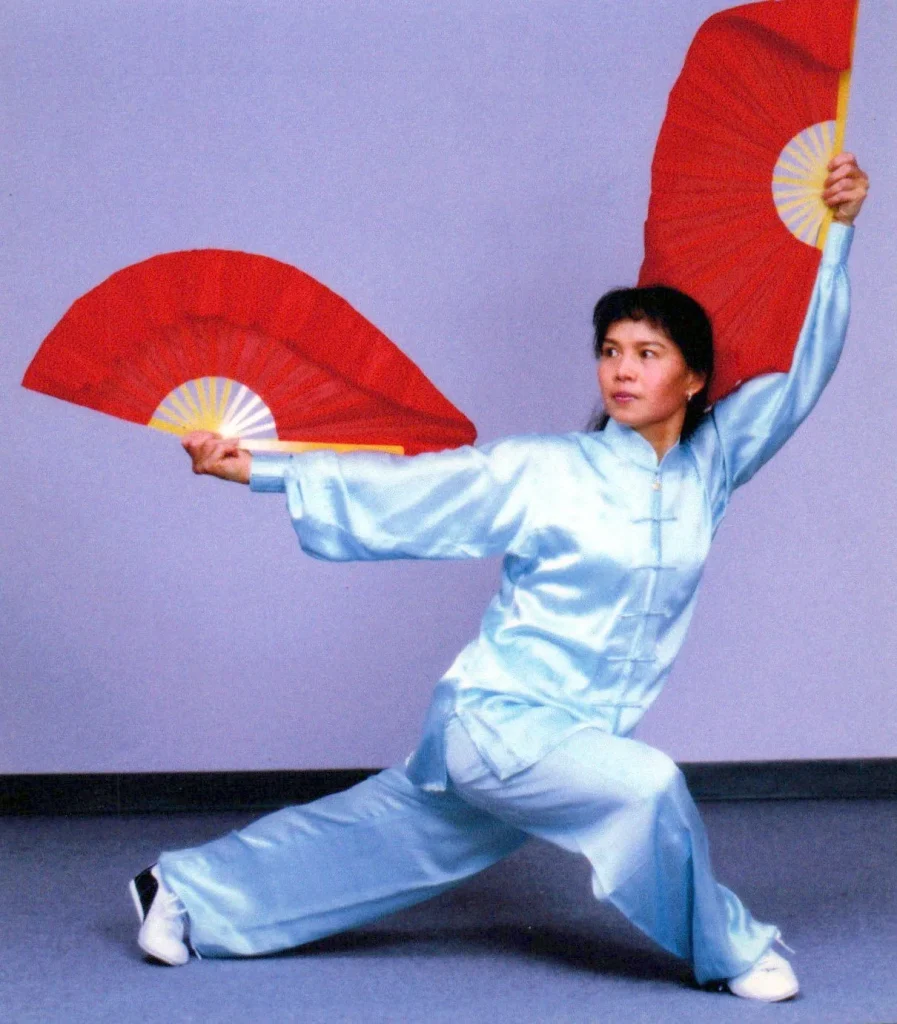
Wushu requires incredible physical discipline, but Taiji requires a specific type of mental ‘softness.’ How has your practice changed the way you handle modern-day stress outside of the training hall?
Based on my previous answers, I would simply add one more point:
Although martial arts and Tai Chi appear to be different, they are actually pursuing the same state—the unity of body and mind.
Looking back on my own experience, I can summarize my journey in this way:
When I was young, I practiced the fist.
In middle age, I cultivated gong(功).
Today, what I cultivate is the heart.
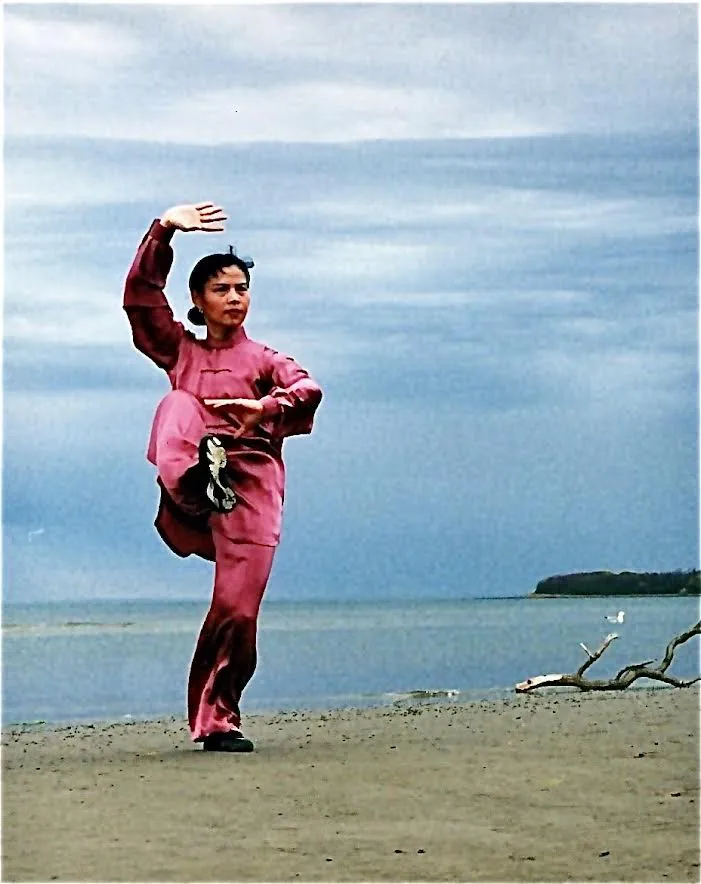
You have reached the highest levels in both traditional forms and modern competitive Wushu. Based on your experience, what is the soul of Tai Chi?
I believe the soul of Tai Chi lies in understanding and applying the philosophy and wisdom of Yin and Yang.
Every movement in Tai Chi embodies the mutual transformation and harmonious unity of yin and yang, emptiness and fullness, hardness and softness, movement and stillness. It is not only a martial art, but also a way of thinking and wisdom for life.
From a technical perspective, Tai Chi emphasizes: “Using the heart to guide the qi, using the qi to move the body, harmonizing yin and yang, and unifying body and mind.” Through the cultivation of both the internal and the external, it seeks to achieve the unity of body and spirit.
If I were to summarize the soul of Tai Chi in just two words, I would call it “Centered Harmony.”
“Centered Harmony” means remaining centered and free from extremes, neither contending nor resisting, and acting in accordance with the natural course of things. It means maintaining balance amid change and resolving opposition through balance.
In my view, this is not only the essential spirit of Tai Chi, but also one of the most profound expressions of the wisdom of traditional Chinese culture.
What part of Tai Chi risks being lost in the pursuit of high scores and outstanding competitive performance, and how do you protect it?
I believe that in the pursuit of high scores and outstanding competitive performance, the easiest thing to lose is one’s love for the sport and the original aspiration that inspired the journey.
When people become overly focused on scores, rankings, and winning or losing, every training session and every competition can gradually become a source of pressure rather than an opportunity for growth. If a person measures his or her value solely by scores over a long period of time, it is easy to lose the joy of enjoying the sport, challenging oneself, and making continuous progress.
In addition, an excessive pursuit of competitive success may also lead to the loss of several other important things:
- Physical and mental health: Excessive training can easily result in fatigue, injuries, and psychological stress.
- Team spirit: If one focuses only on individual achievements, trust and cooperation with teammates may be neglected.
- Sportsmanship: If the desire to win leads one to disregard fair competition, respect for opponents, and adherence to the rules, then one has strayed from the true meaning of sport.
- Balance in life: Devoting oneself excessively to competition may reduce the time spent with family and friends, and may also affect one’s studies and daily life.
Therefore, I believe that truly outstanding competitive performance is reflected not only in high scores and achievements, but also in maintaining good health, upholding integrity, respecting one’s opponents, enjoying the sport, and continuously improving oneself in the pursuit of excellence.
Only in this way can success be truly meaningful and sustainable.
You have taught in both China and Western countries. In your experience, what concepts or philosophies do Western students find the most difficult to understand or accept? How have you adapted your teaching style to bridge that cultural gap?
Because of the differences in social systems and educational backgrounds between East and West, students naturally develop different ways of thinking.
My own journey in Wushu and Tai Chi began on a professional Wushu team in China. I was selected from among thousands of candidates through a rigorous screening process before being admitted to the team. At that time, the training system had a semi-military structure. The state covered all of the athletes’ expenses—including training, daily living, competitions, and even salaries. Every aspect of our lives revolved around one goal: winning gold medals.
Western students, by contrast, usually begin learning out of personal interest and can only attend training in their spare time. From an early age, they are generally educated to think independently, analytically, and with a strong sense of goals. They are accustomed to solving problems through logic and strength.
By comparison, traditional Chinese culture—especially Tai Chi, Chan (Zen), and Daoist philosophy—places greater emphasis on following the natural course of things, maintaining the balance of Yin and Yang, and overcoming hardness with softness. These are often the concepts that Western students find the most difficult to understand.
Therefore, in my teaching, I do not begin with philosophical theories. Instead, I let students experience these principles through practice. For example, I help them discover that “relaxation actually creates greater stability,” and that “softness can be more effective.” Once they have experienced these principles for themselves, I then explain the philosophy behind them.
At the same time, I try to explain traditional Chinese thought in a language that is familiar to them. For example, I relate the balance of Yin and Yang to systems thinking, and connect the idea of following the natural course of things with the principle of efficiency in sports science. In this way, the essence of Chinese culture is preserved while becoming more accessible and meaningful to them.
I believe that the key to cross-cultural teaching is not to change students’ original cultural perspective, but to build a bridge between different cultures, allowing them to discover the shared wisdom through their own experience. This has always been the teaching philosophy that I strive to uphold.
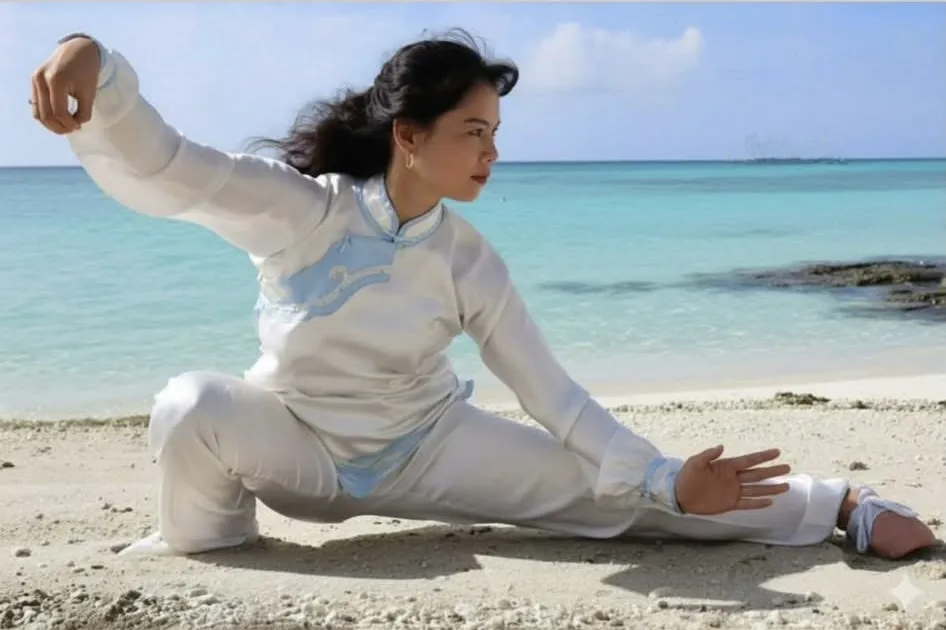
What is one misunderstanding about Wushu that you hope people will abandon as soon as possible?
The misunderstanding I most hope people will abandon is the tendency to define the whole of Wushu by what they see today.
Whether we call it Wushu, Kung Fu, or Tai Chi, all of these traditions were born in the age of cold weapons. The social conditions of that time determined that they were, first and foremost, skills for survival and military techniques, intended for real combat and self-defense. As a result, the technical systems of traditional martial arts bear the deep imprint of the needs of that era.
With the development of firearms and modern warfare, Wushu gradually lost its military function on the battlefield and evolved in different directions. Some forms developed into highly competitive sports; some became methods of health cultivation; some became vehicles for preserving cultural heritage; and others entered the stage and the film industry, evolving into forms of artistic expression.
Therefore, I believe that one of today’s greatest misunderstandings is to confuse “Wu” (武) with “Wu” expressed as performance or dance (舞).
“Wu” (武) represents a function shaped by its historical era, while “Wu” (舞) represents a form of expression shaped by civilization. The outward form may change, but the transmission of culture and wisdom must never be interrupted.
This does not mean that traditional martial arts have disappeared. On the contrary, no authentic culture remains frozen in a single stage of history. The evolution of Wushu—from military technique to sport, education, health cultivation, culture, and artistic expression—is itself the result of the development of civilization. Its vitality lies not in preserving one fixed form, but in continually adapting to the times while retaining its essential spirit and wisdom.
Over the next twenty or thirty years, with the rapid development of artificial intelligence, robotics, and digital media, Wushu will continue to evolve. Exactly how it will be learned, transmitted, and presented is something we cannot yet fully foresee.
Therefore, I believe the misunderstanding people should abandon is not whether Wushu is still useful, but the assumption that Wushu has only one form. Wushu has never been a static concept. It has continually evolved alongside the development of human civilization, and that is precisely why it has endured for thousands of years.
“Wu” (武) represents a function shaped by its historical era; “Wu” (舞) represents a form of expression shaped by civilization. The form may change, but the transmission of culture and wisdom must never be interrupted.
As Taiji becomes increasingly popular for health and wellness, do you believe the martial/combative application of the movements is still necessary to teach? Without understanding its underlying “combat meaning,” can one truly understand Tai Chi?
Modern Tai Chi, after hundreds of years of development and transmission, has evolved from a traditional martial art into a world cultural heritage that integrates martial arts, competitive sport, artistic expression, health cultivation, and Eastern philosophy. It is not merely a set of boxing techniques, but also a form of physical education, an art of living, and a wisdom of life that seeks harmony between human beings and nature.
In terms of combat application, it is ever-changing and profound, representing the crystallization of traditional Chinese martial wisdom.
In terms of competition, it tempers willpower, challenges the self, and cultivates resilience and character through continuous self-transcendence.
In terms of performance, it combines hardness and softness, motion and stillness, integrating strength with aesthetic beauty and fully expressing the artistic charm of Eastern culture.
In terms of health cultivation, it is suitable for all ages and genders, requires no specific venue, strengthens the body, nurtures inner cultivation, and is a lifelong practice.
For these reasons, I believe the value of Tai Chi should not be limited to any single dimension. Regardless of whether a practitioner ultimately pursues combat application, competitive performance, artistic expression, or health and wellness, one should understand its origin and essence. Only by preserving its foundation can one truly appreciate the spirit of Tai Chi, where internal and external cultivation are unified, and martial and cultural aspects are integrated.
The emergence of Tai Chi is also the result of the integration between ancient Chinese martial arts and Chinese civilization. It represents the ultimate pursuit of harmony and unity within human society, and serves as an inspiration toward a more peaceful world.
From war, to peace.
From conquest, to cooperation.
From weapons, to coexistence.
From smoke of battle, to gentle rain.
This, in my view, is the most accomplished and meaningful value of Tai Chi in contemporary society.
What is the most valuable lesson you received from your Master? And if someone who has just embarked on the path of martial arts were to ask you for advice, what would it be?
Throughout my martial arts and Tai Chi career, I have been fortunate to learn from many respected masters. Each of them has left me with different and invaluable experiences and teachings. These are not merely formulas or memorized sayings, but an attitude toward lifelong cultivation.
Martial arts is not only about technique; it is also a cultivation of character. A person may reach a very high level of skill, but without humility, integrity, respect, and a sense of responsibility, he or she can never truly understand the spirit of martial arts. My masters often reminded me that one must not only refine every movement, but also cultivate moral character, because a true martial artist should first know how to respect others and restrain oneself, rather than seeking to dominate or prove superiority.
Looking back on decades of training, teaching, and international exchange, I have come to realize that the greatest gain martial arts has given me is not medals or technical improvement, but the ability to face difficulties, remain patient, continue learning, and always keep a humble heart.
Therefore, if a young person who has just embarked on the path of martial arts were to ask me for advice today, the most important thing I would tell them is:
Do not rush to pursue results; learn instead to enjoy the process of perseverance.
We live in an age of rapid change, where many people hope to master martial arts within a few months and become masters within a few years. However, true martial arts has no shortcuts. It requires talent, diligence, persistence, and time to mature. It is refined through repeated practice and deepened through life experience.
Cherish every training session. Take every basic movement seriously. Respect your teachers, respect tradition, and remain open-minded to new knowledge. When you can persist for ten years, twenty years, or even a lifetime, you will realize that what has truly grown is not only your technique, but also your body, your state of mind, and your wisdom in facing life.
I have always believed that training is only for a period of time, but self-cultivation is for a lifetime. The true value of martial arts lies not in defeating others, but in continuously surpassing who you were yesterday.
Photos courtesy of © Aiping Cheng
Special Thanks to Robert Lepper
Post Author