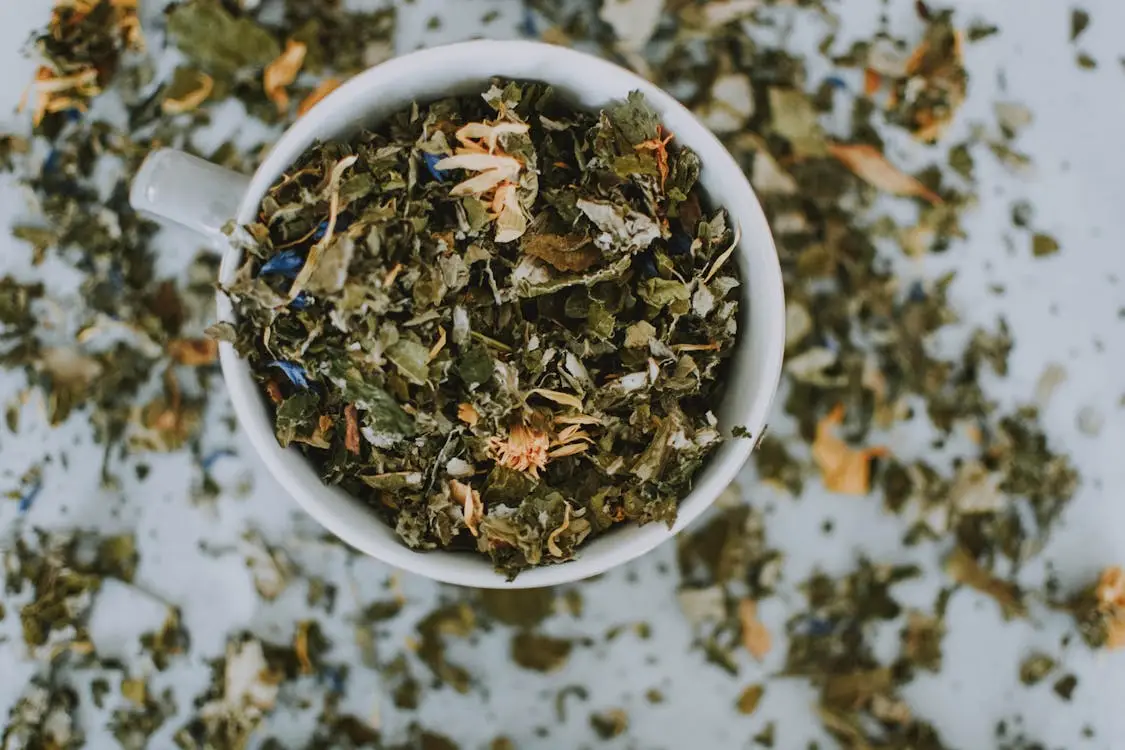
For thousands of years, Chinese herbs have been an essential part of traditional medicine, nutrition, and self-care. Rooted in ancient practices, these herbs are not only used for treating ailments but also for enhancing overall well-being.
Unlike Western medicine, which often focuses on symptom relief, Chinese herbalism aims to restore balance within the body, addressing root causes of health issues. In modern times, their applications have expanded beyond traditional medicine, influencing everything from skincare to stress management.
One of the key reasons Chinese herbs have remained relevant in contemporary society is their adaptability. With an increasing number of people looking for natural and holistic remedies, these herbs offer an alternative to chemical-laden pharmaceuticals and synthetic products.
Whether incorporated into teas or medicine, Chinese herbs continue to provide benefits in various aspects of life, supporting immunity, digestion, and even mental clarity.
Chinese Herbs as Medication
The most well-known application of Chinese herbs is their use in traditional medicine. In fact, Chinese herbal medication, as of 2023, was a $5,687.7 million market.
Practitioners of Traditional Chinese Medicine (TCM) have long relied on herbal formulas to treat various conditions like digestive disorders and chronic pain. Herbs such as ginseng, astragalus, and reishi mushrooms are widely used for their immune-boosting and anti-inflammatory properties.
Unlike synthetic medications that often come with side effects, these natural remedies are designed to work in harmony with the body’s systems. Its natural ingredients are what makes TCM so popular amongst many countries outside of China.
Many Chinese herbal remedies focus on harmonizing the body’s Qi (energy flow) and balancing Yin and Yang. Conditions like insomnia, anxiety, and digestive distress are frequently treated with herbal formulations tailored to the individual’s specific needs.
In some cases, Chinese herbs offer an alternative to problematic pharmaceuticals, particularly in areas where conventional medications have been linked to serious side effects. For example, according to TruLaw, many individuals undergoing opioid addiction treatment have reported severe dental issues due to medications like Suboxone.
The Suboxone tooth decay cases have become a significant concern. That, in turn, has led to numerous Suboxone lawsuits from affected patients. The Suboxone lawsuit payout per person can go up to $500,000 in extreme cases, highlighting the severity of the medicine’s side effects.
Thus, because of such side effects of normal medication, many people are turning to traditional herbal solutions.
Chinese Herbs in Culinary Practices
Did you know that research shows that traditional Chinese herbs can protect your brain from Alzheimer’s disease? In many cases, such herbs are also used in culinary practices.
Many herbs double as both food and medicine, making them a seamless addition to everyday meals. Ingredients such as goji berries and Sichuan peppercorns are widely used in Chinese cuisine, both for their flavors and health benefits.
Ginger, for instance, is a staple in Chinese cooking and is revered for its ability to improve digestion, reduce nausea, and warm the body. Goji berries, often added to soups and teas, are packed with antioxidants and are believed to support eye health and boost immunity.
Similarly, Chinese dates are frequently used in stews and desserts, offering a natural source of vitamins and minerals while promoting relaxation and better sleep.
Many people are beginning to adopt these culinary practices into their own diets, recognizing that food can be both nourishing and therapeutic. The growing popularity of herbal broths and medicinal teas in Western countries demonstrates a shift toward integrating traditional Chinese dietary wisdom into modern nutrition.
Chinese Herbs in Skincare and Beauty
The influence of Chinese herbs extends beyond internal health, playing a major role in skincare and beauty treatments. Herbal ingredients have been used for centuries to promote youthful skin, combat acne, and reduce inflammation. Today, modern beauty brands are embracing these traditional formulations, incorporating ingredients like pearl powder, ginseng, and green tea into their products.
Ginseng, known for its anti-aging properties, is commonly found in facial creams and serums. It helps improve circulation, boost collagen production, and enhance skin elasticity. Green tea, rich in antioxidants, is frequently used in skincare to combat free radicals and reduce signs of aging. Meanwhile, pearl powder has been used in China for centuries as a natural skin brightener, believed to promote a luminous complexion.
Stress Management and Mental Clarity
Chinese herbs offer natural solutions for managing stress and enhancing cognitive function. Adaptogenic herbs, such as reishi mushroom and schisandra berry, help the body adapt to stress and maintain equilibrium. These herbs are commonly used in teas, tinctures, and capsules to promote relaxation without causing drowsiness.
Another popular herb, Rhodiola rosea, is known for its ability to boost energy levels and improve focus. It has been used in traditional medicine to combat fatigue and increase mental resilience, making it a valuable tool for students, professionals, and athletes.
Unlike pharmaceutical stimulants, which can lead to dependency and side effects, Chinese adaptogens work by gently supporting the body’s natural stress response.
Frequently Asked Questions (FAQs)
Are Chinese herbs only found in China?
No, Chinese herbs are not exclusive to China. While many originate there, they are cultivated in other countries with suitable climates, such as the US, Japan, and parts of Europe. Some herbs, like ginseng and goji berries, have been successfully grown and harvested worldwide for traditional medicine and wellness products.
Can you grow Chinese herbs at home?
Yes, many Chinese herbs can be grown at home, provided they have the right soil, temperature, and sunlight conditions. Common herbs like ginger, ginseng, astragalus, and goji berries can thrive in gardens or pots. Growing them at home ensures a fresh supply for herbal remedies and culinary use.
Are Chinese herbal medications effective?
Chinese herbal medications can be effective for various conditions, particularly in managing chronic ailments, boosting immunity, and promoting overall well-being. However, their effectiveness depends on the condition treated, the quality of the herbs, and proper formulation. Scientific research supports some herbs, but regulation and standardization remain challenges in ensuring consistent results.
Chinese herbs have stood the test of time, proving their value in medicine, nutrition, skincare, and stress management. Their versatility makes them an essential part of a balanced lifestyle, offering a natural way to support health without relying on synthetic chemicals. As interest in natural health solutions grows, Chinese herbs are likely to play an even bigger role in everyday life.
Post Author
