Planet China
Celebrating Women Who Push Boundaries
Vol. 18
Click to enter
International Women Day’s 2026
On March 8, 2026, the world marks International Women’s Day not just as a celebration of progress, but as a definitive call to action. Under the UN Women theme "Rights. Justice. Action. For ALL Women and Girls," this year’s focus shifts from the abstract idea of equality to the concrete reality of the law. While many nations have achieved "equality on paper," 2026 is the year women demand equality in practice—closing the gaps that still leave millions of women without a seat at the table or safety in their own space. Complementing this push is the global campaign theme: #GiveToGain. This concept challenges the "scarcity mindset" by proving that when investing in, mentoring, and advocating for women, the entire global economy and social fabric thrive. It is a reminder that empowerment is not a zero-sum game; when a woman gains access to justice and opportunity, her community gains a leader, an innovator, and a catalyst for change. "Rights" are not a privilege, but a universal reality. Bringing documented narratives and testimony accessible enables women to consider the arduous process of protecting women's rights. It also draws attention to the shortcomings of the system and emphasizes how crucial it is to keep moving in the direction of stronger and more effective rights and opportunity protection. Today is a powerful reminder that progress is possible, but not inevitable. It is also an invite to reflect on how far women’ve come, and how far women still must go. It is a day to honor the pioneers who paved the way, the changemakers redefining leadership today, and the next generation who will carry the torch forward. Across the world, women continue to lead movements, innovate industries, strengthen communities, and break barriers once thought unshakable. Today, we celebrate their achievements, recognize ongoing challenges, and renew our commitment to building a future where equality is not an aspiration, but a reality. We stand united to celebrate the strength, resilience, and brilliance of women everywhere. We thank everyone who shared and told their stories in this special issue. It is a great honor to listen to their experiences. Today is not only a celebration, it is a call to action for women to shape the world in transformative ways, to accelerate progress, amplify voices, and champion equity in every space.
Celebrating Women Who Push Boundaries
This issue is a collection of interviews with inspiring women who have worked hard to pursue their dreams and find their own paths. These women, coming from all over the world, share a deep connection with China. Many have moved across the globe to achieve their goals. International Women’s Day commemorates the movement for women’s rights; it is a day to remember a past where women were often not allowed to be themselves, to think, to study, or to vote. Since these challenges still exist in some parts of the world, it is vital to highlight these examples. They serve as a source of inspiration, encouraging other women to follow their desires and never stop fighting for what they believe in. By engaging deeply in any field, women can truly be anything they want to be.
Interviews: Dominique Musorrafiti (dominique@cinaoggi.it) Layout & Software: Matteo Damiani (info@china-underground.com)
China-underground.com and CinaOggi.it are two web magazines curated by Matteo Damiani and Dominique Musorrafiti dedicated to Chinese culture. Since 2002, China-underground has organized cultural events, festivals, and created documentaries, photo reports, and magazines.
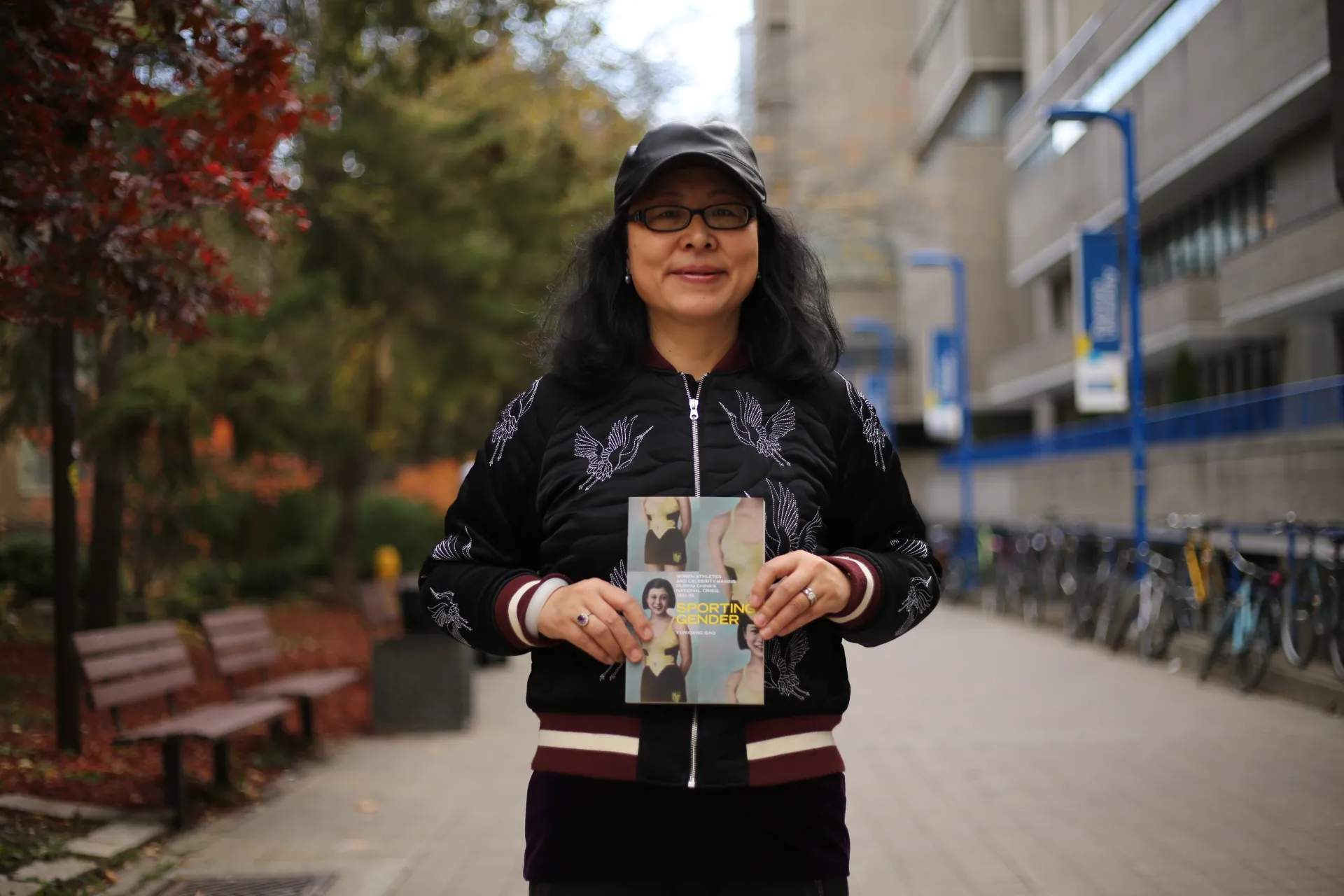
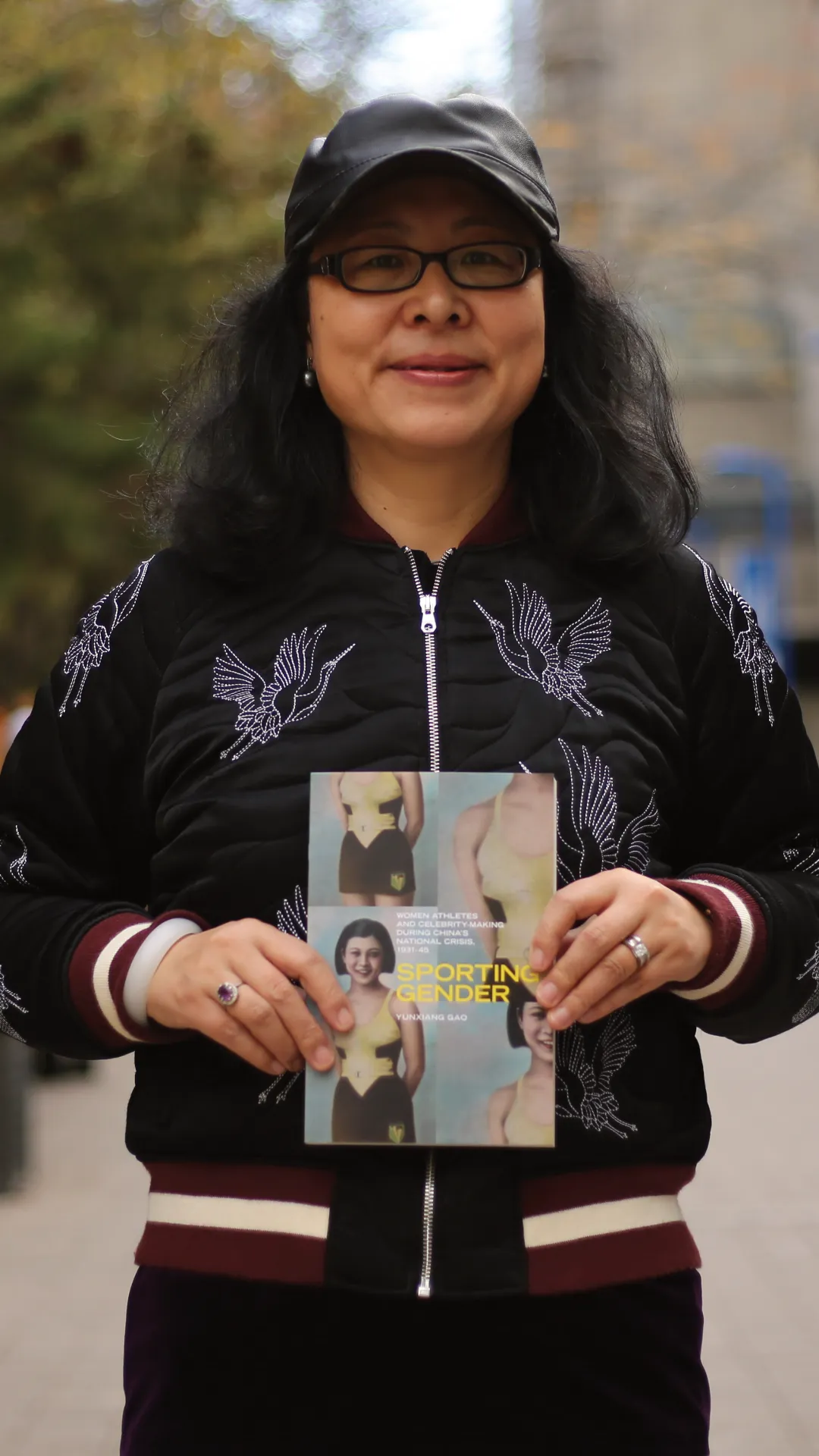
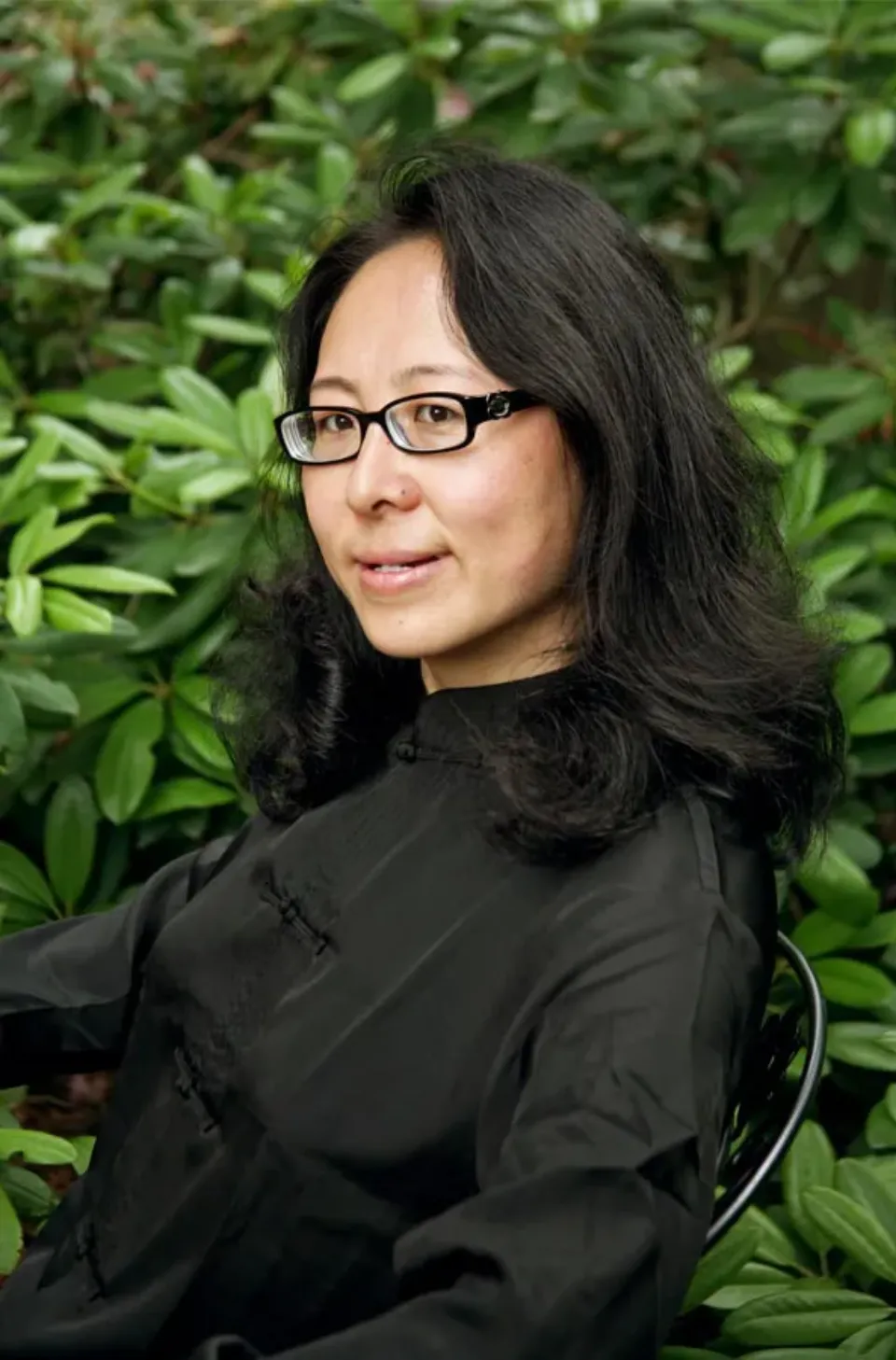
Featured image: © Gao Yunxiang
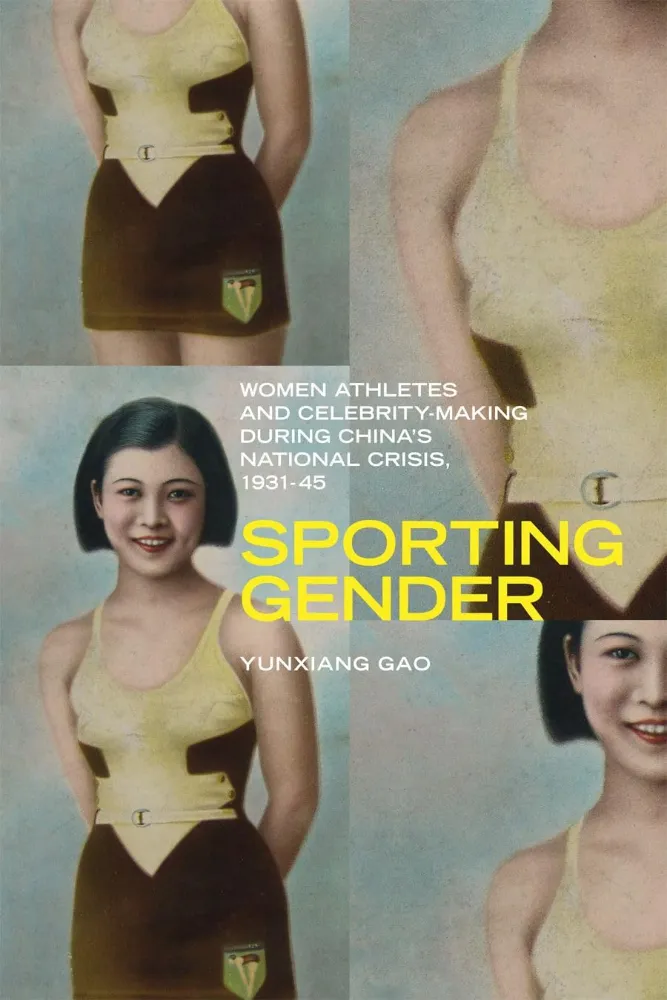
Professor Gao Yunxiang is a distinguished historian and scholar of trans-Pacific cultural history, author and teaching in the Department of History at Toronto Metropolitan University in Canada. History is often told through the lens of nations and wars, but Professor Gao Yunxiang chooses to tell it through the lives of those who refused to be contained by borders. She offers a fascinating opportunity to dive into and explore complex intersections of gender, culture, race, and transnationalism, since her work often focuses on "border-crossing" figures (like athletes, actors, and activists) who navigated complexities of 20th-century China and the United States. She aims to bridge the gap between historical data and human narrative. Her research aims to spark reflective, in-depth answers rather than standard biographical responses. She is an expert at showing how individuals weren't just "Chinese" or "American," but operated in a space between. Professor Gao’s work illuminates "an other space" where cultures collide and collaborate, and humans act as a detective to tell the story of the soul, tracing the forgotten alliance between humanity activists who fought for a world free of colonialism. Her work "Arise, Africa! Roar, China!" centers on the 'citizens of the world' and definitive study on Afro-Asian solidarity, the activists and performers who bridged the gap between the Chinese Revolution and the Black Freedom Struggle. Her work challenges conventional narratives of Sino-American relations by placing Afro-Asian engagement as the help of internationalism, both collaborations at the center of twentieth-century global history. By excavating these hidden histories, she challenges humans to rethink the roots of modern global identity. Professor Gao’s earlier book Sporting Gender: Women Athletes and Celebrity-Making during China’s National Crisis, 1931–1945 examines gender, sports, and cultural politics in modern China. Her scholarship has been recognized for its intellectual rigor, interdisciplinary reach, and contribution to reshaping how historians understand cross-cultural encounters in the modern world unique ability to weave together personal biography with massive global shifts. History Today, The Du Bois Review, Gender and History, The Journal of American East-Asian Relations, Modern Chinese Literature and Culture, Socialism and Democracy, and Sport in Society are just a few of the publications in which she has written. A few of her articles have been translated also into Chinese.
What of your earliest childhood memories supported your perseverance and when did you decide that studying cultural history in depth, with an emphasis on China-West exchanges, would be your career path?
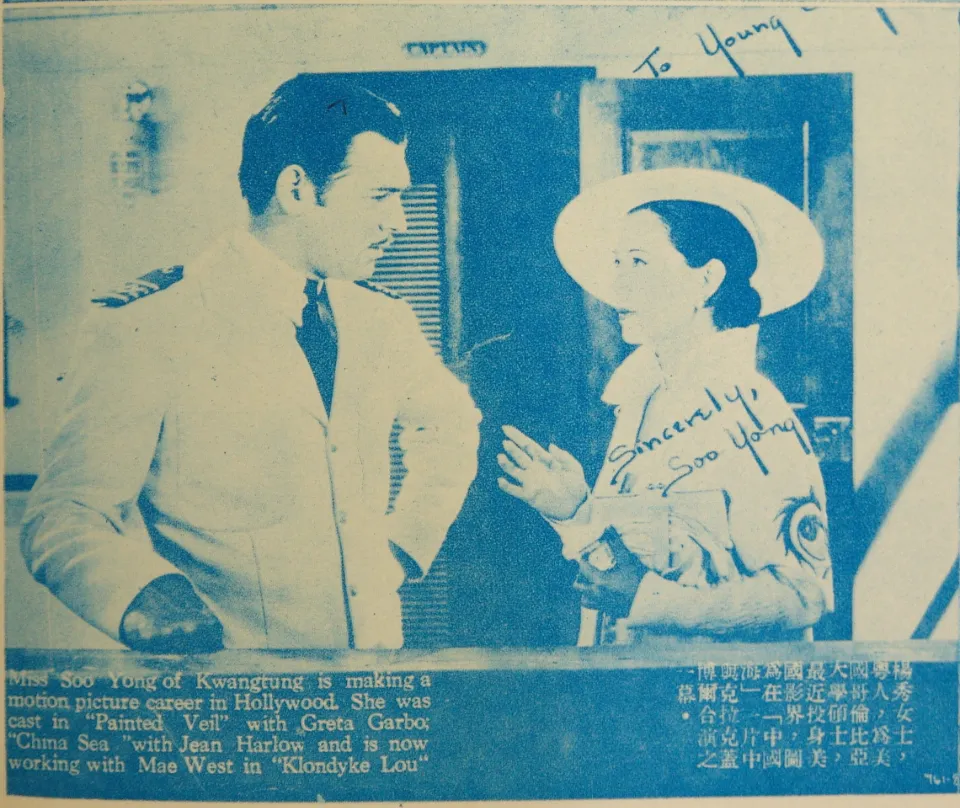
I grew up in a remote village beyond the Great Wall in Inner Mongolia of China. My father was a school teacher who exposed me to history and literary books. My mother was a farmer, but she is literate, unusual for rural women of her generation. She was initially from a well-to-do family in Shanxi province; her grandfather was a teacher. From her words, attitude, and actions, I learned that school and education are paramount, as exemplified by one of my earliest childhood memories refreshed by the recent snow storm in New York City. I was a first grader in the village school with nineteen students of three grades taught by one teacher. One morning, when we opened the door, snow as deep as my legs covered the ground under the bright sun and blue sky. Back then, of course there was no phone to communicate with the teacher. Thus, with determination, I trudged alone in the deep snow for around forty minutes to cover the path to school, which normally took around ten minutes. I was anxious to be late, but disappointed to find that no one else was there. The teacher emerged from her family’s living quarter adjacent to our classroom, still swallowing her breakfast. Not expecting anyone to show up, she looked at me with amazement and admiration, I would say. The episode seems to indicate my perseverance. I have not decided to pursue transpacific cultural history, with particular attention to gender and race, as my career path overnight. Rather, the transnational sagas of my subjects naturally pulled me toward that direction. The figures in my first book Sporting Gender: Women Athletes and Celebrity-Making during China’s National Crisis, 1931–45 (University of British Columbia Press, 2013) pursued advanced degrees and career opportunities abroad or were deeply shaped by the popular culture from Hollywood and Europe, particularly Germany. While conducting research on this book, I came across laudatory articles on the pioneering African American intellectual and activist W. E. B. Du Bois and his wife Shirley Graham Du Bois in The People’s Daily, the journalist mouthpiece of the Communist Party of China. My interest and discovery here correlated with some childhood memories of an old newspaper article and a propaganda poster. In my childhood home, the ceiling was wood board pasted with old newspapers for insolation. After I learned to read and write, I stared at a headline right above my pillow daily for around one year, until it was covered by a new layer of old newspapers on the eve of the next Chinese New Year. It was inscribed in my mind. What was the title of that article? “Robert Williams and Madam Du Bois Fervently Acclaim Chairman Mao’s Statement Supporting American Blacks’ Anti-Brutality Struggle.” That particular title is also connected to the memory of a poster in my little classroom. Advocating united liberation struggles, the poster featured indignant men and women of various skin colors in vibrant ethnic clothing charging forward, with a muscular black man holding a gun at the center. Such information eventually led to my second book, Arise, Africa! Roar, China! Black and Chinese Citizens of the World in the Twentieth Century (Chapel Hill: University of North Carolina Press, 2021). During research for my first book, I also encountered a photograph of Soo Yong and Clark Gable in a popular Chinese-language magazine. That led to the book project I am finishing—a biography tentatively titled Soo Yong: A Hollywood Actress and Asian Diaspora Cosmopolitan. It traces her transpacific life and career.
In your research on migration, how do migrants negotiate identity between homeland and host society across generations?
Before the second half of the twentieth century, when mainstream popular perceptions and laws considered the Chinese diaspora essentially Chinese, rather than full citizens in their adoptive countries, immigrants creatively negotiated their conflicting identities. Take Soo Yong as an example. Although she was born to Chinese immigrant parents in the Territory of Hawaii, she was treated by the U.S. government for most of her life as an “alien” of ambiguous American origin. Assuming her foreignness as default, The New York Times commented, “Incidentally, Miss Yong speaks English with a clarity of diction rarely encountered among native American speakers.” In a society rife with racism toward Chinese, American-born or otherwise, Yong seemed to have gone beyond enduring Orientalist tone in the media to utilizing her veiled identity. She claimed that she had “spent her childhood in Canton,” which was supported by no evidence. She seemingly manufactured such information to self-brand as an “authentic” Chinese and thus reinforce her authority and qualifications to represent China in the media. Soo Yong might have not spent her childhood in her ancestral home, but it was common for older generation Chinese born to immigrant parents including some of her relatives and family friends to do so. For instance, Sun Yat-sen, the founding father of the Republic of China and a close friend of the Yong clan retroactively claimed American birth by narrating such an experience. The pioneering modern dancer and choreographer Sylvia Si-lan Chen was a daughter of Trinidad-born Eugene Chen, the foreign minister of Sun Yat-sen in the 1920s. Despite their brief physical presence in China, Sylvia and her siblings identified with China as their “home,” held Chinese passports, and longed to return until the final illusion of the radical cultural revolution. Sylvia began to adjust her racial consciousness and shifted her loyalty from the British empire to China during her brief stay in China in 1927 at the peak of his father’s political career. Previously, she wrote in her autobiography, “I was willing to find the Chinese enormously interesting, but only as a quaint and foreign race.” Now, “I began to feel proud of my Chinese ancestry for the first time in my life, and I started to look at the Chinese around me not from the outside but from among them.” Witnessing British colonial brutalities in China accelerated the shift of her self-identification. Sylvia recalled her shock “that a people could be so brutally excluded from a part of their own land.” Eugene’s historic triumph reclaiming the British concessions through negotiation particularly bolstered Sylvia’s new patriotism. Yet, returning to the ancestral home was not always smooth sailing. Sylvia and her siblings were marginalized in their father’s life because of their mixed heritage and the Chens encountered racist attitudes in China. Political opponents’ venomous attacks on Eugene’s rumored black heritage exploded over resentment of his rapid rise inside the Nationalist Party in the 1920s, although he was pure Chinese. Such attacks tend to smear him as “a bastard with slave blood” from a “loose” Creole mother. These slurs challenged his racial and moral qualifications to serve in the Chinese government. Facing this racially charged political environment, Eugene refused to display his French Creole wife in China. In Eugene’s alleged final will, authorized by his second wife, a daughter of a high level official of the Nationalist government, shockingly, the racist shadow that he had faced was pushed to extremes. He allegedly disowned his mixed children in pursuit of his own pure Chineseness. Sylvia’s identity dilemma was clearly illustrated in her brief encounters with the soon-to-be Madam Chiang Kai-shek, who invited Sylvia to her Shanghai house for dinner in 1927. Since the guest appeared an “English-trained flapper girl” in her “1926 dress,” “probably . . . a little short,” Mayling Soong wondered aloud whether she herself should wear leg-revealing European clothes. After subtly calling attention to their choices of wardrobes, Soong revealed her true point, as Sylvia wrote in her autobiography: “‘Wouldn’t you really prefer to be whole Chinese?’ she asked in a tone guaranteed to invite confidences. This was a question I had never thought about. I replied that I was quite happy being myself, thank you. Dinner was not a very gay affair.” Regardless, travels and mobility, despite immigration and other hurdles, allowed generations of Chinese diaspora to seek new freedom, opportunities, and identities. The metropolitan Chens and their descendants scattered throughout Trinidad, England, France, Soviet Union, North America, and China. While they negotiated racial ambiguity and were often caught by crushing ideological, political, and bureaucratic obstacles, they were privileged to push geographic, gender, and racial boundaries during the turbulent years of the twentieth century. Following the transition of Chinese diasporas into full citizens of their adoptive countries and the stoppage for the Chinese government to recognize their citizenship based on birth and blood in recent decades, their connections with the ancestral countries loosened.
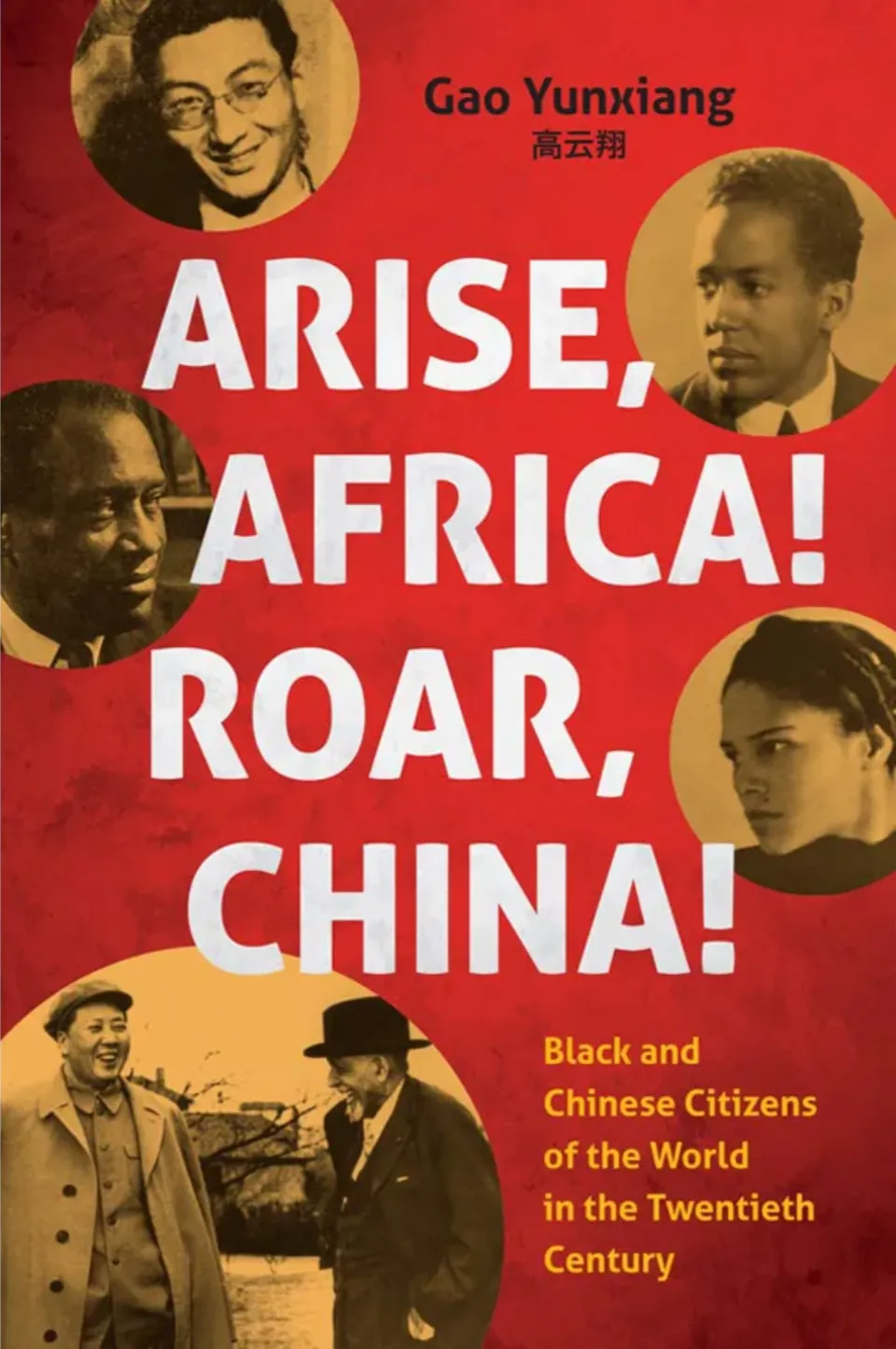
She is the primary scholar who documented how Paul Robeson became a folk hero in China and a pioneer of the Chinese national anthem.
Your research draws from multilingual archives and oral histories. How do personal narratives and archival documents interact in your research? Were there moments when archival records contradicted each other? What was the most difficult source to access, and how did that shape your narrative? How did you reconcile those differences?
In general, access to the multilingual archival and oral sources complement one another and enable me to connect domains commonly perceived non-overlapping. Oral narratives greatly enriched my stories with great details otherwise lost in the duct of history. For instance, when I asked a noted Chinese actress’s husband of Anna May Wong, the first Hollywood star of Asian descent, he responded: “Fame and achievements are two different things.” That vividly captured how Chinese viewed Wong’s overly sexualized modern girl persona in films “derogatory to the dignity of the Chinese race.” Extremely proud of her achievements and legacy, Soo Yong’s family in Hawaii are eager for me to unpack her life and career. Oral materials from them greatly enriched my narrative on her childhood. Yet, not every biographer enjoys such ardent and consistent support from surviving families and friends of their subject. The Yong clan’s cooperation is in sharp contrast to the reluctance of family and community members of some other outstanding yet marginalized historical figures. Inflicted with “self-hatred” and shamed of racialized and/or sexualized images of their pioneering celebrity relatives, the latter unfortunately tend to resist and suppress biographers’ efforts. In addition, materials from certain institutes are difficult to access. I attempted to acquire some photographs of Soo Yong and Mei Lanfang, the King of Peking Opera, from Mei Lanfang Memorial Hall in Beijing and Soo Yong’s academic transcripts from Teachers College, Columbia University, to no avail. Sources that are most difficult to access are of course those held in official archives close to the public. However, such unfortunate instances do not necessarily interfere with the overall pictures.
Your work "Arise, Africa! Roar, China!: Black and Chinese Citizens of the World in the Twentieth Century" highlights the everyday encounters between Chinese workers and African communities. Why has this 'Afro-Asian' solidarity largely faded from public memory?
Such “Afro-Asian” solidarity was probably more evident in public consciousness during the Cold War. Its political and cultural legacies persist to this day despite the dramatic changes that took place in the past few decades. For instance, since 2009, the Ministry of Education of China has included a translation of “The Negro Speaks of Rivers,” one of Langston Hughes’ classic poems, in the approved textbook of Chinese language and literature mandated for ninth graders across the nation to learn about the “condensed history of the Black race.” Hughes’ work thus continues to have an enormous readership in China, comparable only with that enjoyed by figures as prominent as Mao Zedong. Together, the lives and careers of these five citizens of the world covered in this book stand as powerful counters to narratives that highlight racism and alienation. “Arise, Africa!” and “Roar, China!” as articulated by W.E. B. Du Bois and Langston Hughes, respectively, match the shared struggles of a nation and a nation-within-a-nation. Their power and promise resonate to this day. The theme has received increasing attention from historians and cultural studies scholars in the past decade.
How can be clear up the concept of “double consciousness”, the internal conflict experienced by the Chinese intellectuals you studied, particularly in relation to the tension between their traditional cultural heritage and their Western education?
The term “Double consciousness” was coined by W.E.B. Du Bois to describe how African Americans viewed themselves through the lens of the dominant racist society while simultaneously maintaining their own racial and cultural identity. That could apply to the Chinese diasporas as well. For most Western educated Chinese intellectuals, they embraced both tradition and modernity/westernization. China’s New Cultural Movement is conventionally perceived as the peak to replace tradition with complete westernization. Yet, its core was to modernize Chinese culture through Western values. Integral to the New Cultural Movement was the transnational modern theater movement. Western modern plays without singing, was introduced to propagandize “civilization,” to enlighten new citizenry, and to promote national spirit; simultaneously, through global circulations, the “feudal” and “uncivilized” traditional theater was reinvented and internationalized with elements of modern Western theater. Hu Shi, one of China’s foremost intellectual giants of the twentieth century, helped to launch the New Cultural Movement across the Pacific while attending Cornell University. Meanwhile, he actively promoted Mei Lanfang’s tour in the United States to present Peking opera in 1930. Columbia University educated P.C. Chang, was a professor of China’s prestigious Nankai and Qinghua Colleges and later diplomat and principal author of The Universal Declaration of Human Rights; he was also a distinguished playwright with acclaimed expertise in both modern and traditional theaters. Soo Yong was part of such transpacific Chinese intellectual network. She sought to cultivate a public persona with her signature mixture of tradition and modernity, which resonated with the conservative New Life Movement across the Pacific under her idol Madam Chiang Kai-shek’s leadership. Yong’s sentiment was best reflected through a revered wise matriarch in her monologue, who quotes Confucius with abandon, asserting that the good in “the old” can “serve as a model for the new.” Meanwhile, leftist sojourners such as Sylvia Chen and Liu Liangmo sought to completely forfeit tradition and present a revolutionary modern China, because tradition could be stigmatized and associated with Orientalism in the West.
Her earlier work, Sporting Girls: Urban Women and Body Culture in Modern China, is a foundational text on how physical fitness was used as a tool for female liberation.
How can studying the history of migration help us better understand current geopolitical tensions? What is one historical myth or bias about modern China that you believe still shapes understanding today, and needs reconsideration? If you were advising, what historical lesson from your research would you urge them not to ignore?
My research and writing are loosely autobiographical. As an immigrant and self-claimed citizen of the world, I am naturally attracted to people, whose endeavors across racial, national, cultural, and linguistic boundaries illustrate that the world always remains connected despite political, legal, immigration, and diplomatic hurdles. While situating these figures in a complex and shifting political and ideological context, my research formulates accounts of the personal, artistic, cultural, and political networks they established. As far as China is concerned, its transnational entanglements even during periods when the nation has commonly been regarded as insular and unconnected to the wider world. Tariffs, physical walls, immigration hurdles, and wars could not fundamentally transform the interdependent modern world.
In your book Sporting Gender: Women Athletes and Celebrity-Making during China’s National Crisis, 1931–45, have you encountered a story that completely reshaped your interpretation of an event? Was there a particular story you encountered during research that fundamentally shaped your books' direction?
I started the project looking through dry administrative and legal records on physical education and national and international athletic games. The discovery of Zhang Huilan, the first Chinese woman to receive a doctoral degree in physical education (from my alma mater University of Iowa) and her recognition by UNESCO started to push my attention beyond national boundaries and into the power of education. Encountering the “athletic movie star” Li Lili and expanding my research into magazines featuring such concepts as fit beauty, Hollywood stardom, and nudist movement in Germany allowed the book project to integrate new dimensions such as international popular culture and cinema.
You’ve written extensively about the 'Sporting Girl' in Republican China. How did the physical liberation of women’s bodies, through sports and dance, serve as a more radical political statement than the intellectual writings of the time?
In the Republic of China, women emerged in the public domain and gained fame as writers, actresses, and athletes/dancers. While sharing the power of celebrities, actresses and athletes/dancers displayed their bodies in public, further challenging conventional gender norms. When athletic and dancing bodies uniquely exhibited strength and power, they became especially threatening and often needed to be tamed, controlled, and justified in the name of national interest.
Looking at the lives of the actresses and socialites you study, there is often a tension between their public empowerment and their private struggles with patriarchal expectations. Did these women view themselves as revolutionaries, or were they simply trying to survive a changing world?
My research and writing illustrate the construction of modern Chinese womanhood through transnational education, drama, cinema, and sports. These pioneering women negotiated their space in patriarch power structures in sometimes subversive, admirably creative, and widely divergent ways. For instance, often caught in the subtle and petty politics of transpacific male officials who controlled the flow of resources, women such as Zhang Huilan and Soo Yong relied on sophisticated poise, charm, and respectability advanced education afforded them to diffuse the tensions. Celebrity status often exposed glamourous actresses and athletes to sexual exploitations by powerful men such as high level government officials or studio executives. These women fought off real or threatened concubinage, damaging sexualized rumors, and overly sexualized screen image combined with racial violence through public denunciations, relocation, and carefully cultivated asexual and aristocratic public persona.
This year’s International Women’s Day focuses on “Rights. Justice. Action. For ALL Women and Girls,” and the “Give to Gain” campaign promotes generosity and collaboration. Based on your research, what insights have you gained about how communities can challenge cultural norms that perpetuate injustice, and what practical steps would you suggest to foster meaningful change?
The communities could get inspired by these extraordinary individuals whose brave and creative political activism, despite sometimes dangerous obstacles and restraints, helped to pave the path for racial and gender equalities. For instance, readers will find that political agility, linguistic skills, and affability that Liu Liangmo demonstrated in negotiating such obstacles particularly amazing. Caught between the rivalries between the Nationalist and Communist forces while promoting mass singing songs of resistance against Japan, Liu migrated to the United States. After an illustrious career promoting China among Americans in the 1940s, he slipped back to China, beyond the clutches of the FBI and INS. Inventing and flexibly employing diverse tools such as mass singing, accessible print and photo journalism, and lecture tours, in both English and Chinese, Liu was able to mobilize and organizing the grassroot masses and reaching out to the elite across racial and national boundaries. That testified the power of Liu’s techniques and attitude of “do it” and “do it well” as an activist and organizer.
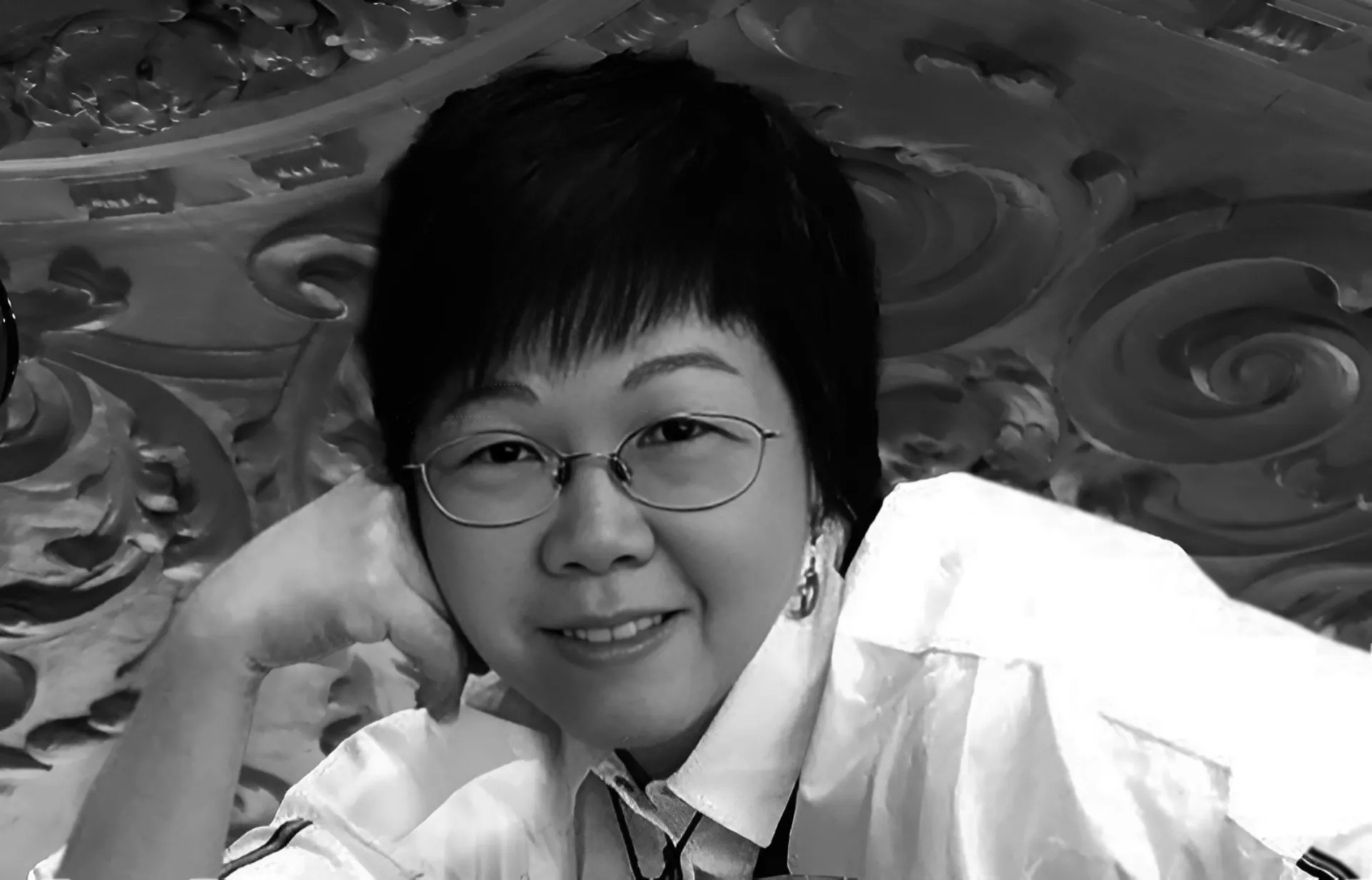
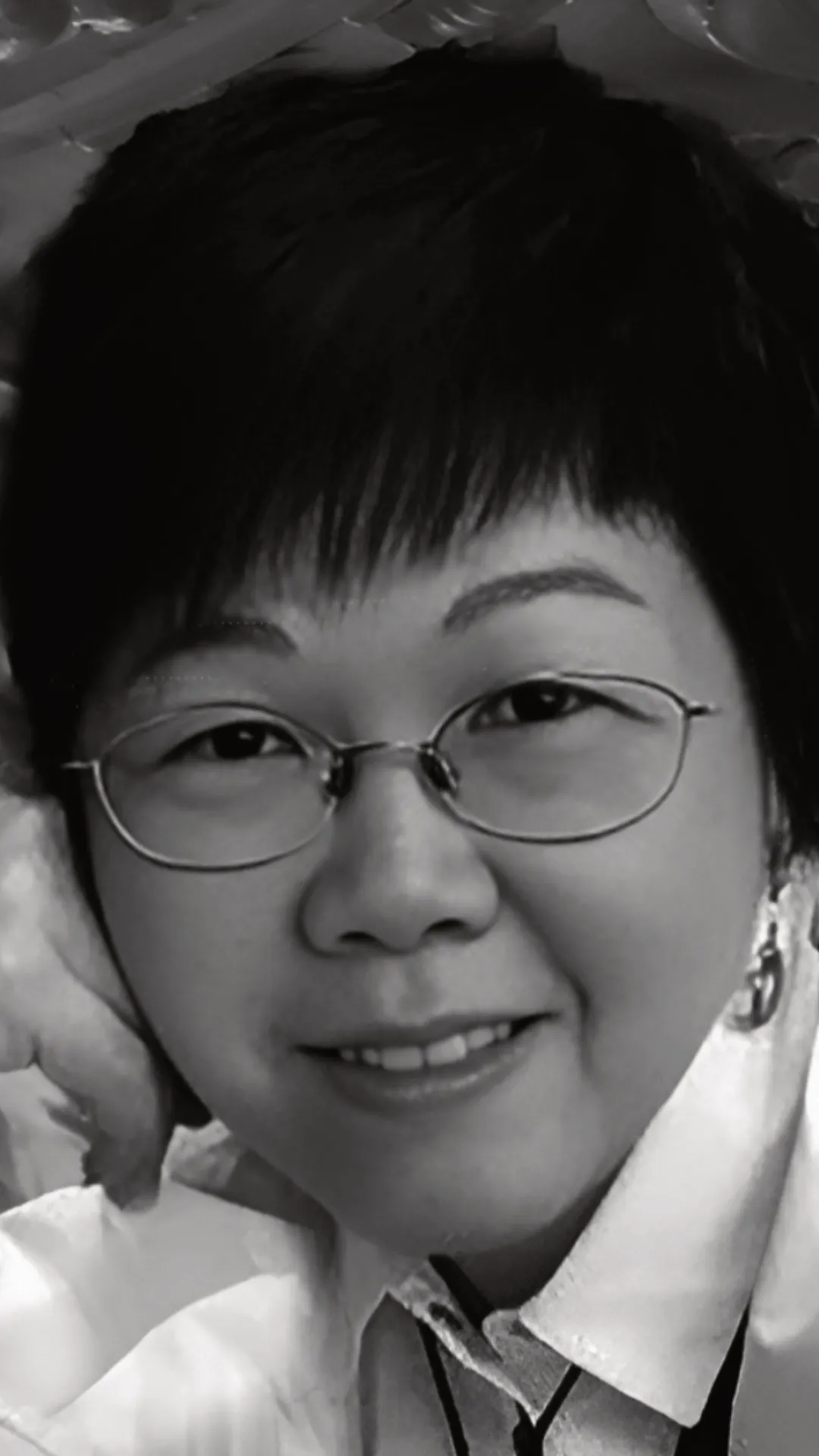
Featured image: © Wong Wo Bik
Wong Wo Bik
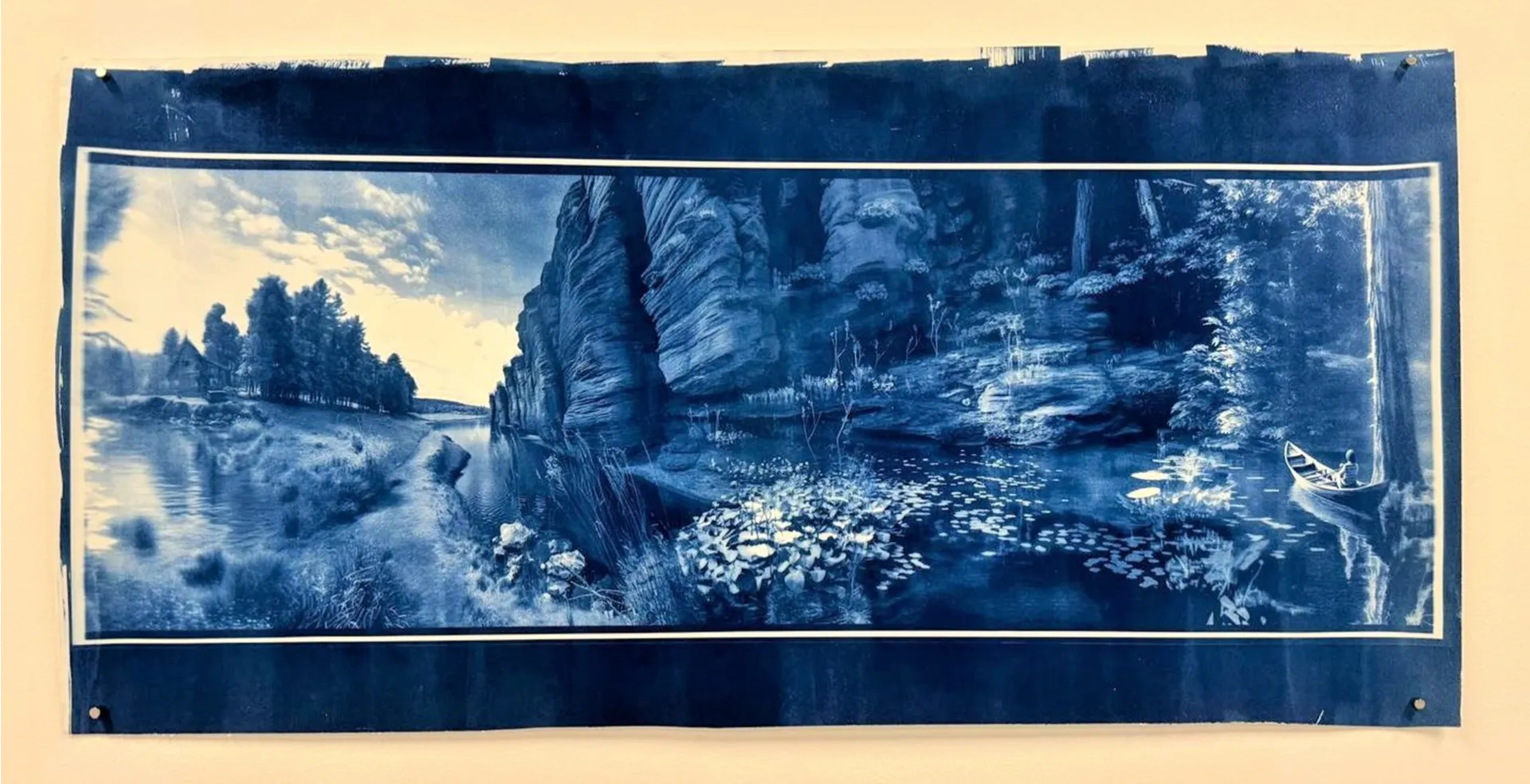
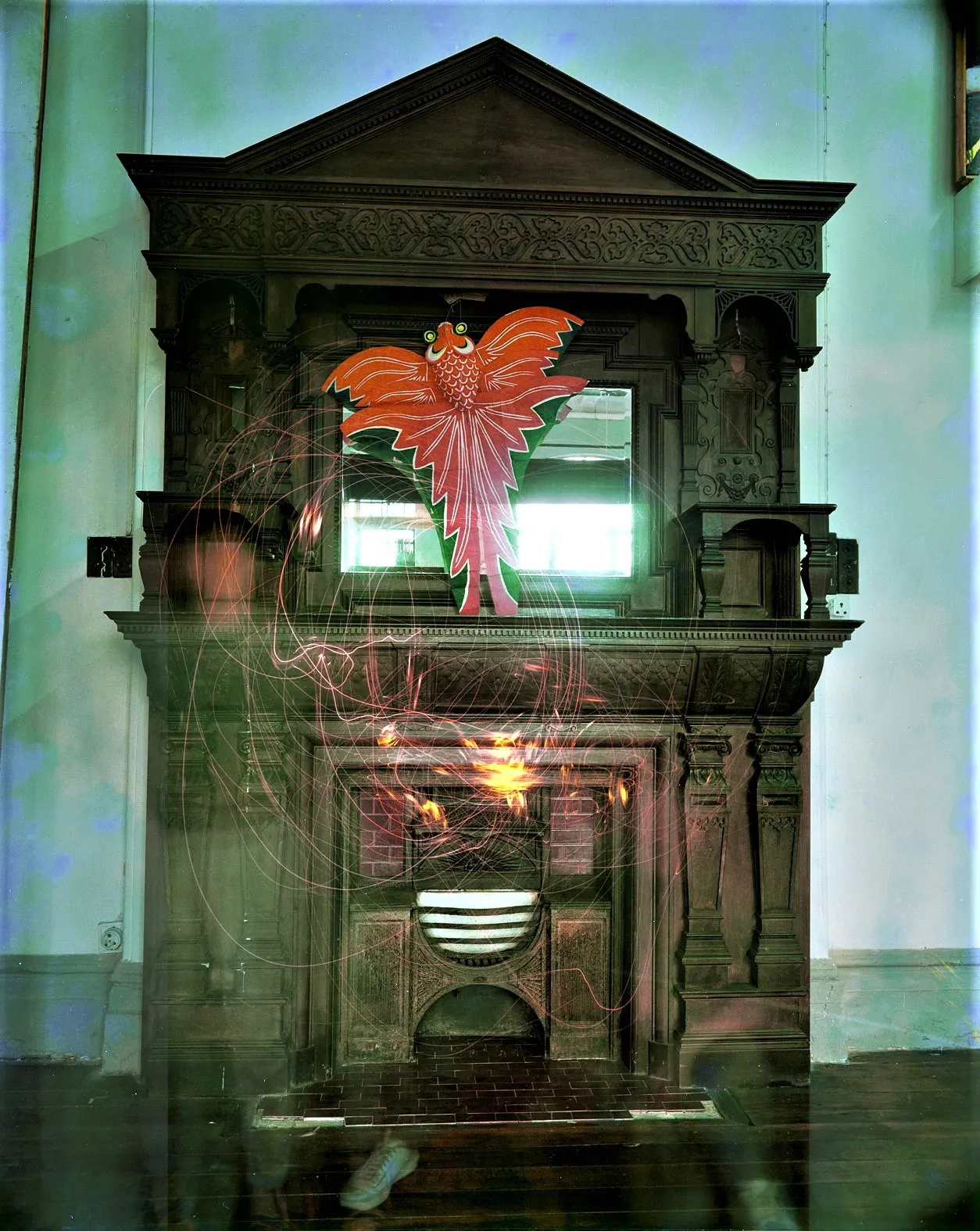
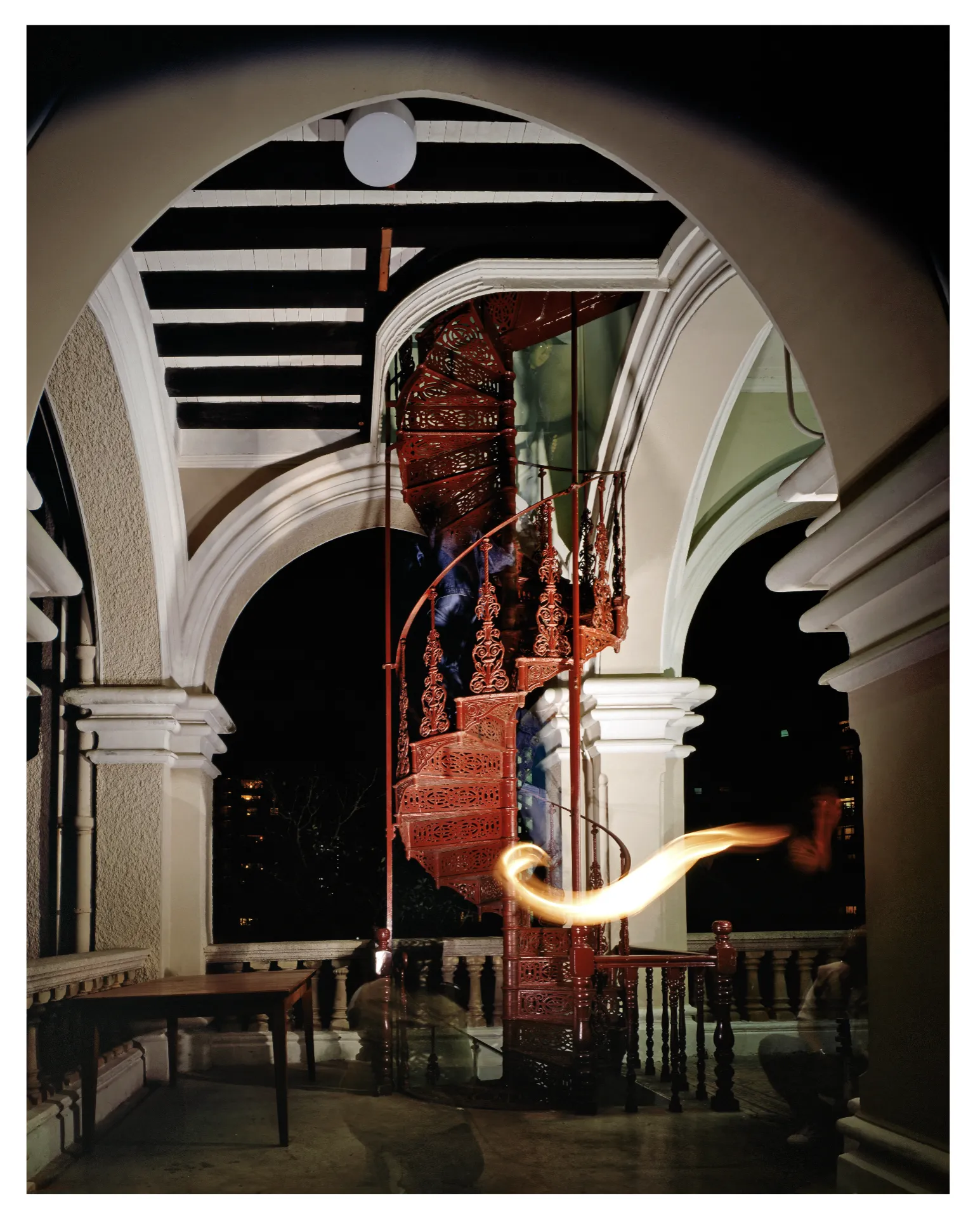
Fine arts photographer Wong Wo Bik (王禾璧) is renowned for her photographic depiction of Hong Kong's historically and culturally significant structures and architecture. She has an extensive and energetic career also as a curator, researcher, art educator, and media artist. In 1977, she earned a Bachelor of Fine Arts in sculpting and printing from Columbus College of Art and Design in Ohio, and in 1979, she achieved a Master of Fine Arts in Photography from Temple University's Tyler School of Art in Philadelphia. In the 1980s, she started taking pictures of Hong Kong's old buildings and scenery. She is interested in investigating historic structures that could eventually be dismantled or destroyed to keep a track of life, history and memory. Photography is a tool for creating memories not only as a means of preserving them. Her creations represent her personal experience "vanquishing time and space" in the location in addition to serving as a historical record of historic structures. She feels that the architecture she observes in Hong Kong's streets tells tales about the people who lived there, thus she attempts to utilize art as a means of expressing and shedding perspective on these different locations. Since her photos depict her experiences and tales at the locations, her artwork also includes artistic alterations. She has a persistent interest in temporal and spatial interchange. Particularly in the photographs she took while traveling, she employs light, which enters through many shapes and materials, as well as space and non-space, to represent shifts from the familiar to the unknown. When viewers turn around the piece, their attention is unintentionally diverted. Through the use of both still and moving photos, she seeks to explore the beauty of the vanishing built environment and cityscape. She is the fellowship recipient of Asian Cultural Council (ACC) and Institute of International Education (IIE) in 1995 respectively. Since 1996, she has served as the Museum's Honorary Advisor for the Department of Leisure and Cultural Services. In 2010, she was a founding member of the Hong Kong International Photo Festival (Hong Kong Photographic Culture Association). In 2013, she received an award from the Hong Kong Women Excellence in the Six Arts, Hong Kong Federation of Women. Her practice is an ongoing dialogue with time. Her artworks are exhibited permanently at Hong Kong Heritage Museum (Hong Kong, China), Hong Kong M+ Museum, Guangdong Museum of Art (Guangzhou, China), Archive of Modern Conflict (London, Great Britain), and private collectors (Hong Kong and United States). She continues to challenge humans to look at our surroundings not just as real estate, but as vessels of collective history.
.
What are your best childhood memories related to visual art and photography? What motivated you to pursue a career in this field? What is something photography allows you to express that words cannot?
During my primary school years, the school provided a dedicated space where I could create drawings, often for student competitions representing the school. After graduating from secondary school with modest results, I was unable to gain admission to Hong Kong's top universities in the mid-1970s. Instead, I enrolled in evening courses in design and fine arts through the Chinese University of Hong Kong's Extra-Mural Studies (now known as continuing education) while working as a clerical officer or secretary in various institutions and for the Hong Kong Government. This continued until January 1975, when I decided to pursue further studies abroad.
Do you remember your earliest photos, camera or fill roll?
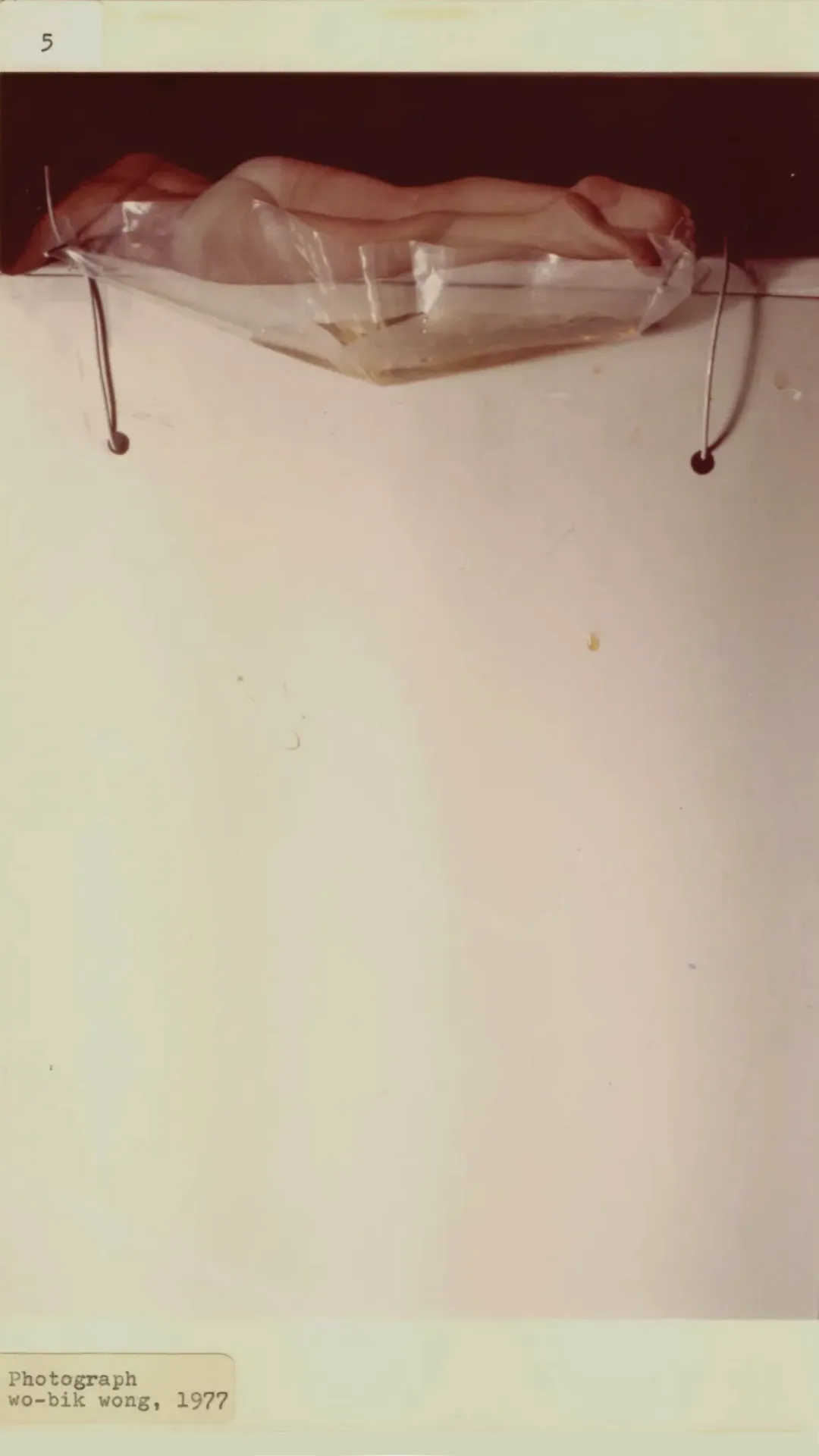
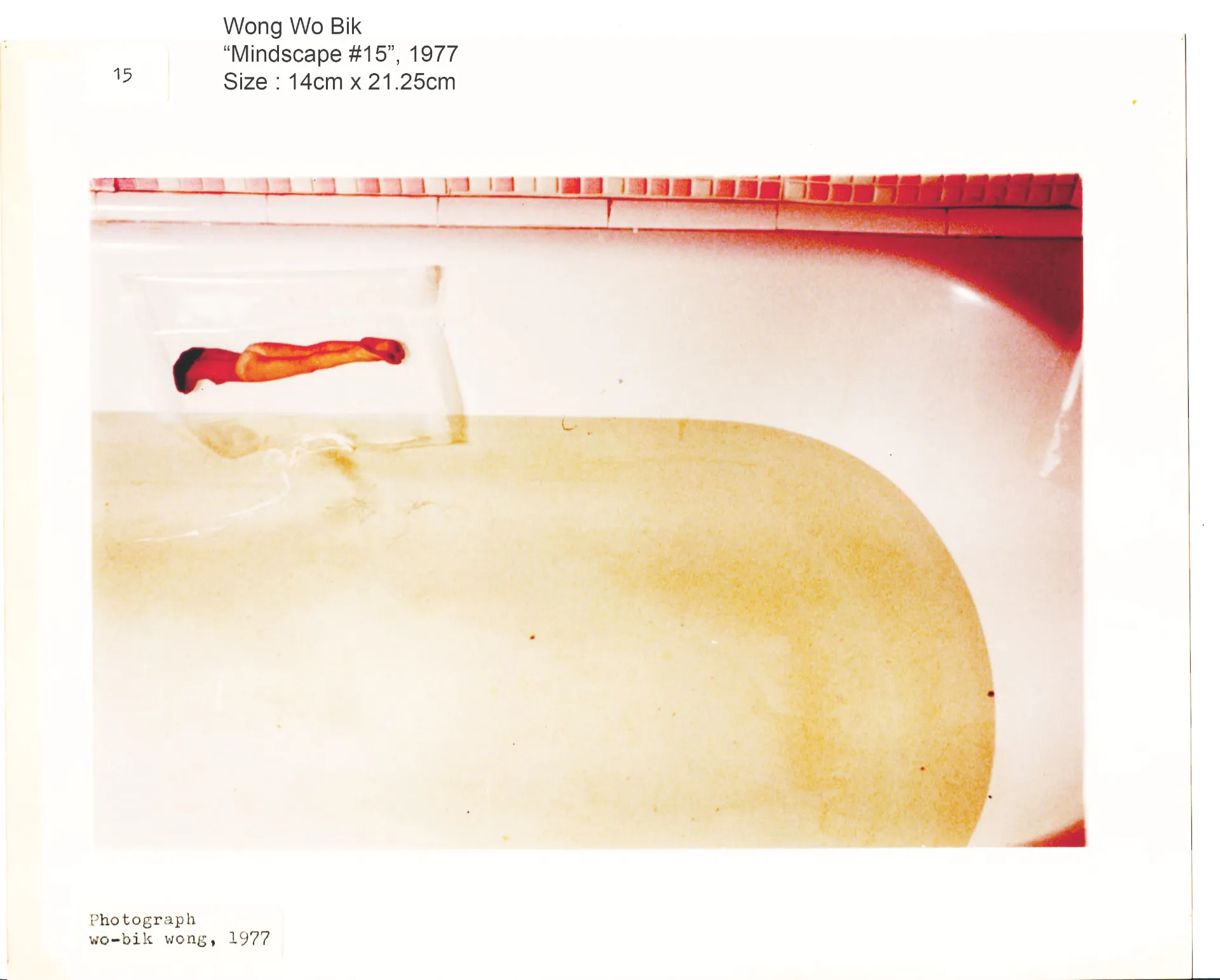
I did not begin using a camera until I went abroad to study, when I acquired a Minolta camera equipped with a standard 50mm lens. During my undergraduate years at Columbus College of Art & Design in Columbus, Ohio, USA, I started photographing my surroundings using whatever equipment and materials were available at the time. For example, I captured images of a cut-out nude model juxtaposed against a large sheet of wrapped plastic on the wall (which I had hung to help conserve heat and prevent heat loss during the cold Ohio winter), placed in a bathtub filled with water, or set in front of a painting depicting outer space. These compositions created cool, expressive, and atmospheric scenes. Through photography, I was able to convey ideas and emotions that words alone could not express. I called this series of works “Mindscape” and “Levitation” series. To save money, I purchased a 100-foot roll of Kodak black-and-white film (ASA 100). I obtained empty film cassettes free of charge from a local photo store and loaded them myself, yielding approximately 18 rolls of 36-exposure film from a single bulk roll.
What doubts or challenges have most influenced your growth as an artist?
Before I truly began my journey as an artist, I held a rather naive belief: that graduating from art school would automatically make me an artist. Back then, I never questioned what it would take—I simply assumed that if I was prepared to confront whatever challenges came my way, becoming an artist would follow naturally.
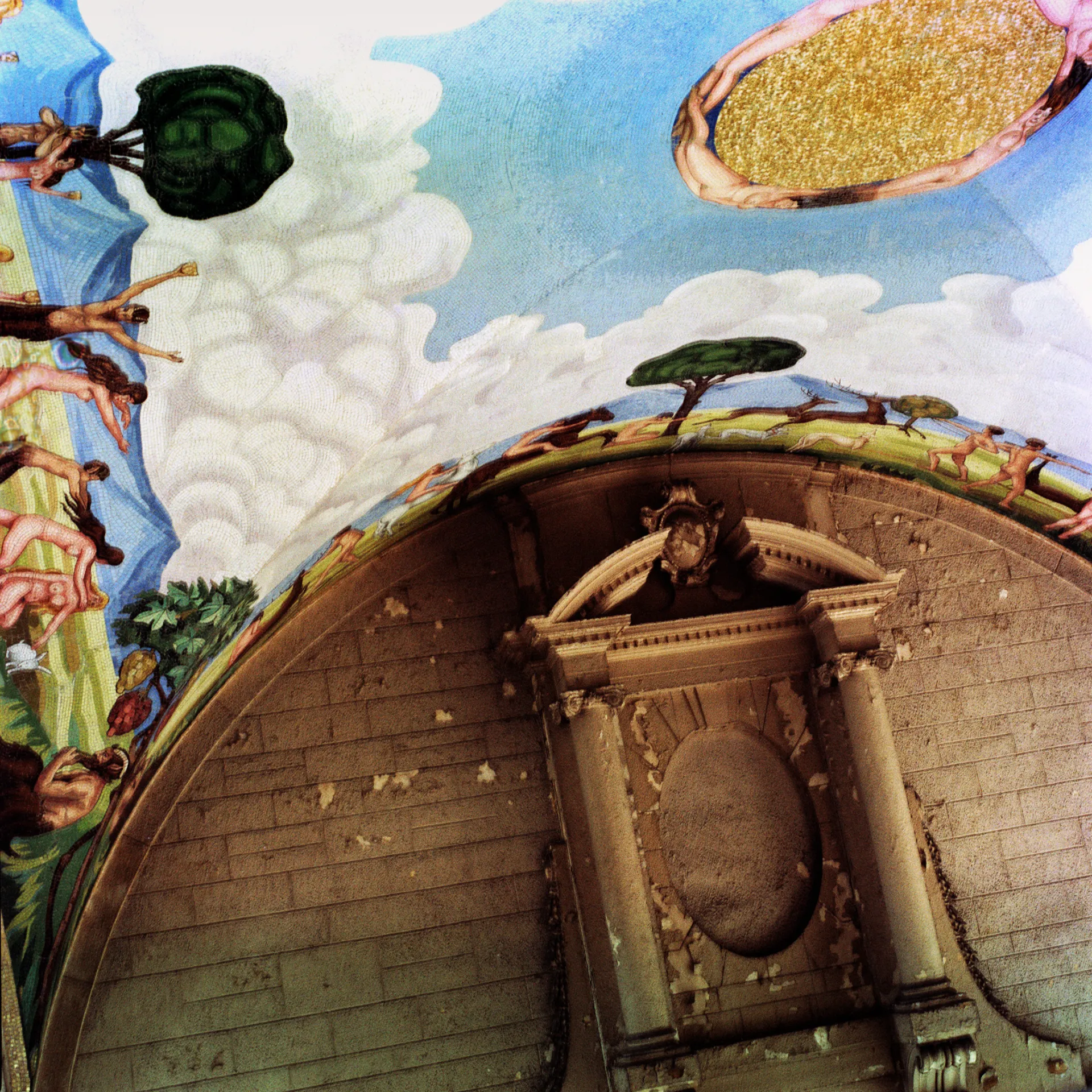
Hong Kong has a distinctive photographic identity compared to other cities. How has growing up in Hong Kong shaped your visual sensibility? Is there a part of the city you feel most connected to photographically, and why?
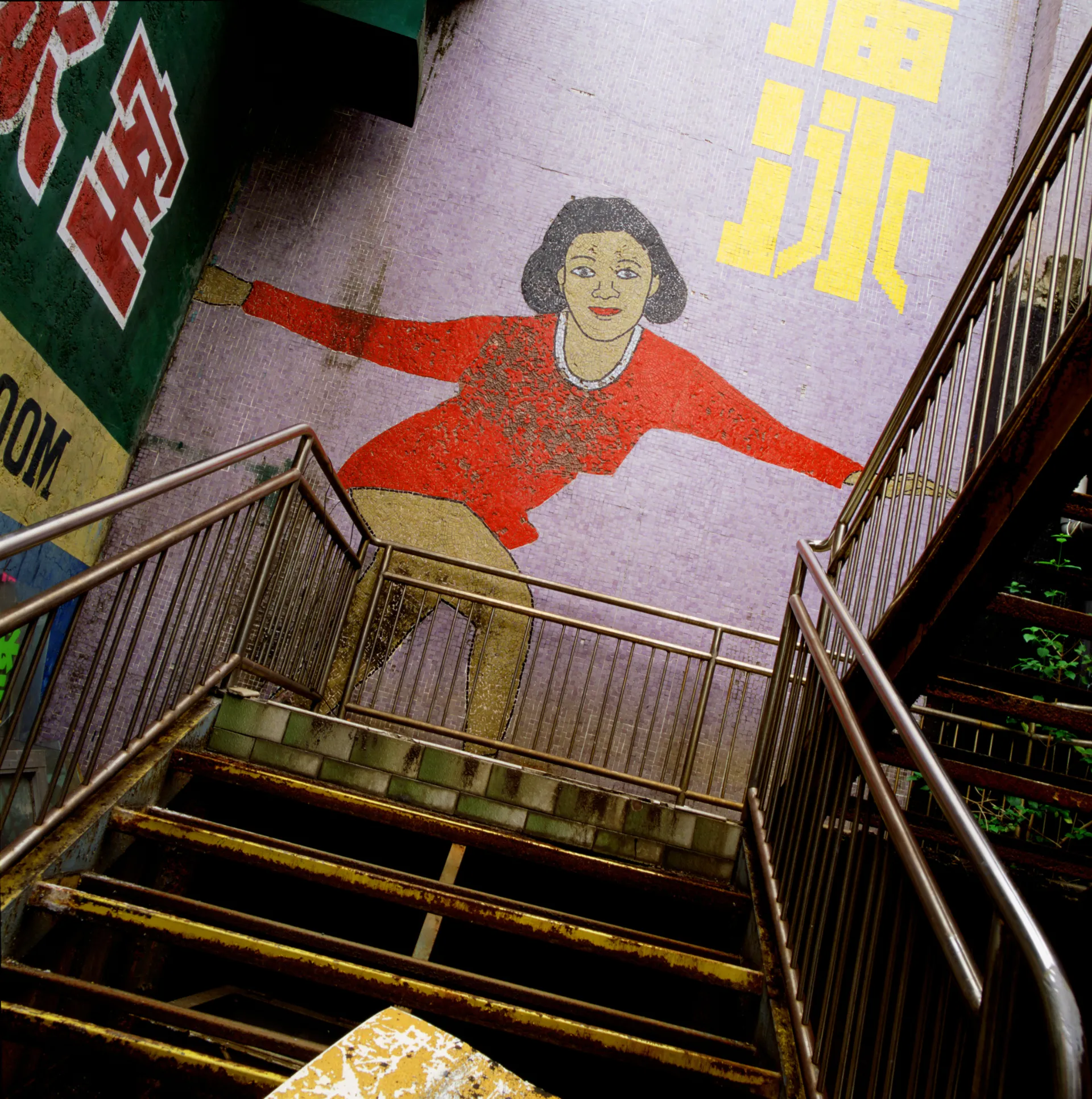
The hilly, undulating landscape of Hong Kong Island is the area I feel most connected to as a photographer. I enjoy wandering up and down staircases and sloped streets, capturing the lively, human activity that unfolds along the way.
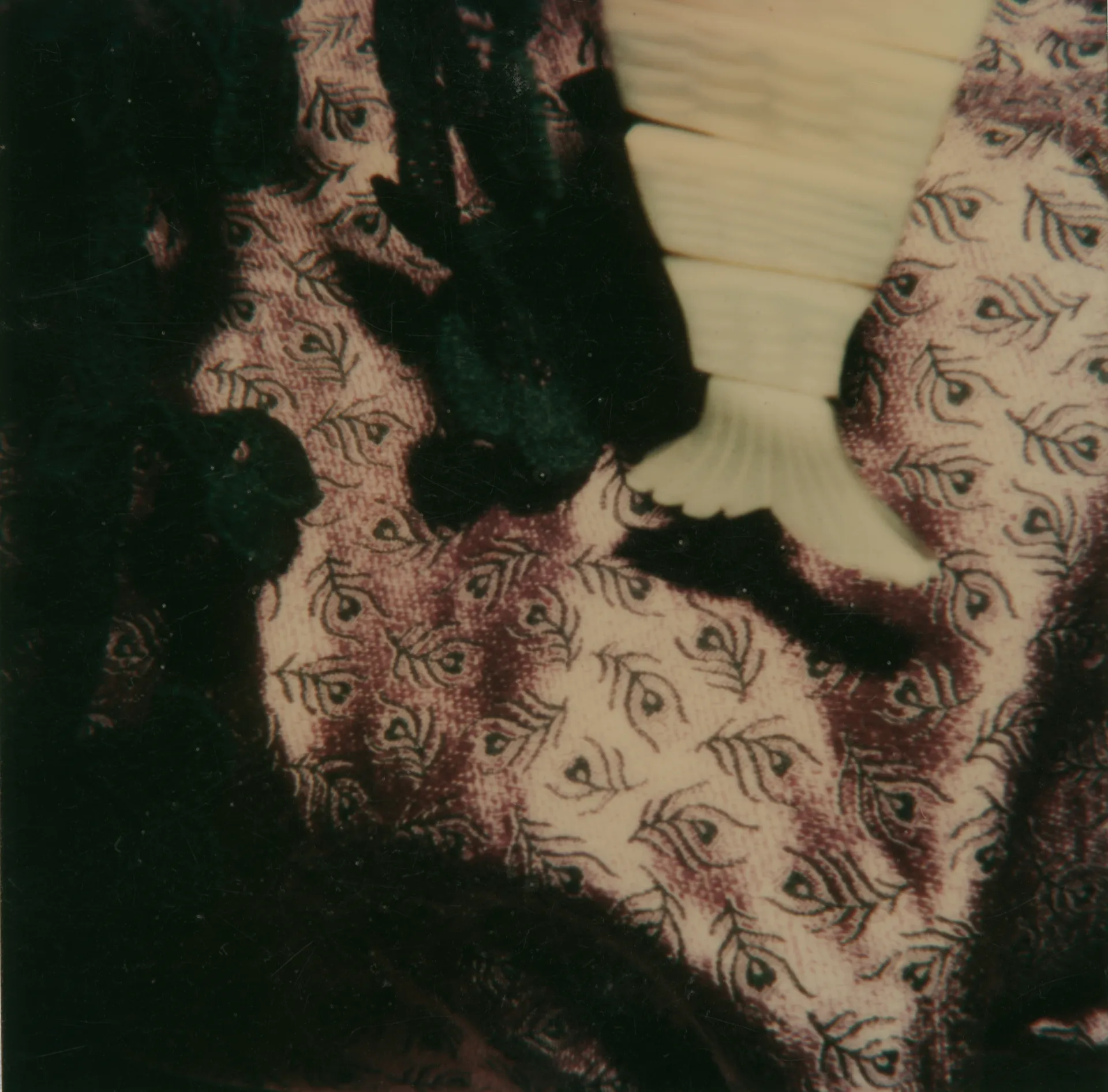
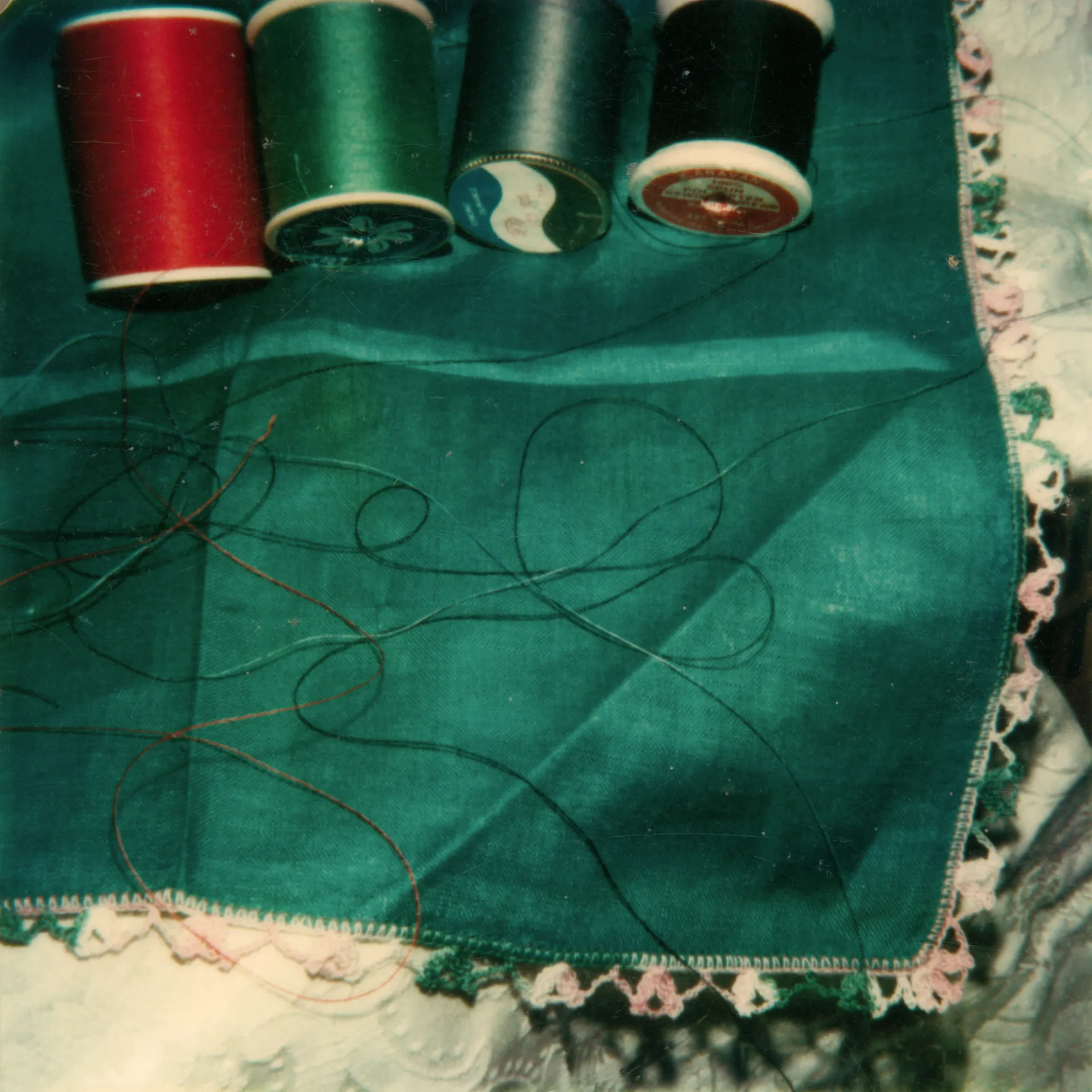
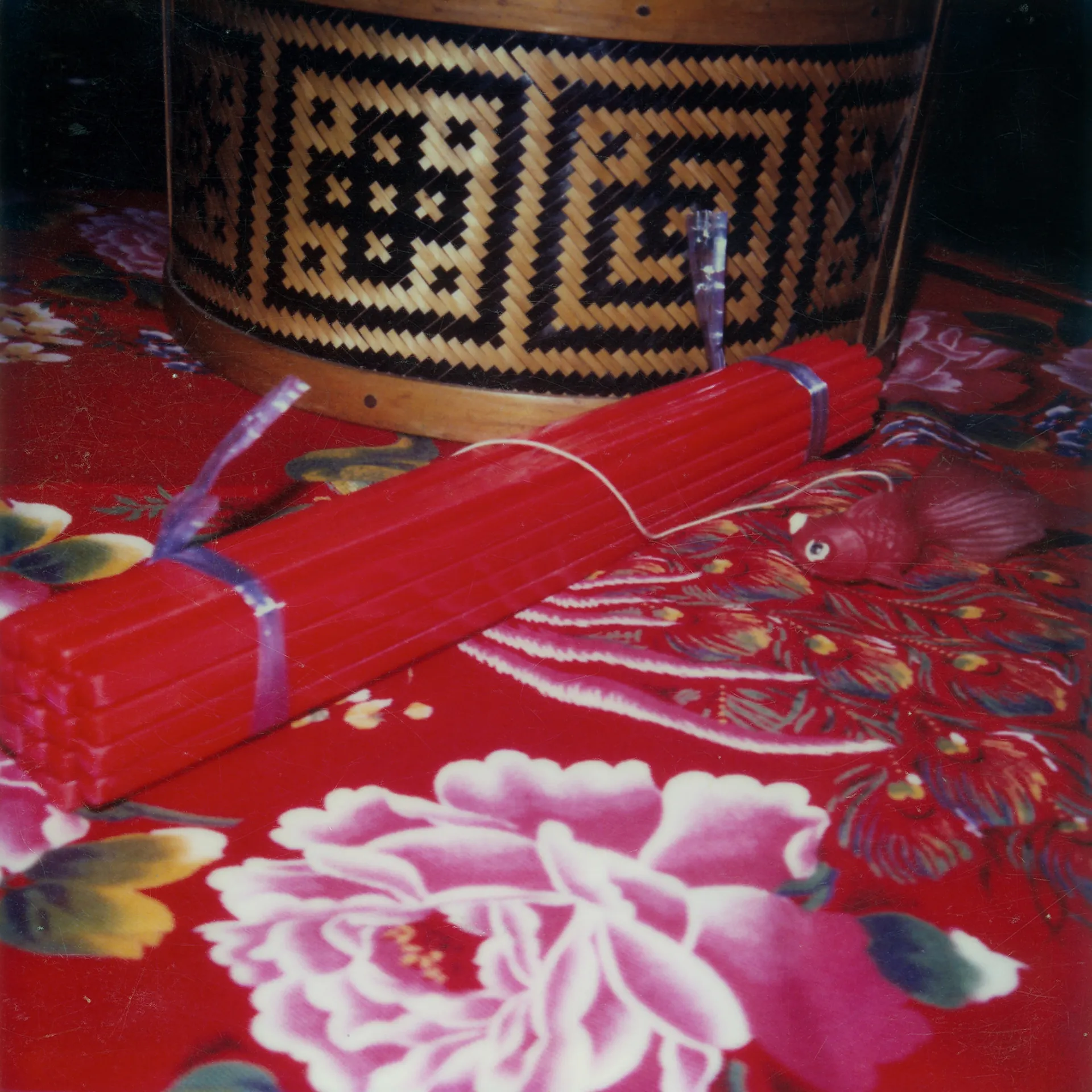
"I often tell people that the birth of photography never dictated the use of any rigid geometric rules for capturing architecture. Instead, what truly matters is drawing from life experience and a deep concern for the atmosphere."
Your photographs often feel intimate and quietly observant. Has there been a project that fundamentally changed how you see the world?
I have always been a quiet observer, approaching situations with quiet confidence and an intuitive sense of what might unfold next. During a memorable field trip with my students to photograph the old electric tram depot in Causeway Bay—shortly before it was demolished to make way for Times Square (opened in 1994, site cleared in the late 1980s/early 1990s) — my students urged me to head up to the Mid-Levels to capture images of the deserted Eu Mansions (Euston Mansion in Bonham Street and Eucliff Mansion in Repulse Bay) in the mid 1980’s before they too were lost, especially with Hong Kong’s rapid redevelopment era and this project fundamentally changed my view to see the world in a different perspective.
Many architectural and fine art photographers focus on rigid geometry. Your work often feels more atmospheric and emotional. What were the sensory experiences (sounds, smells) that influenced how you framed your shots?
I often tell people that the birth of photography never dictated the use of any rigid geometric rules for capturing architecture. Instead, what truly matters is drawing from life experience and a deep concern for the atmosphere. When I focus on a subject—whether it involves architecture or street scenes—I become oblivious to sensory distractions like sounds or smells. I frame my shots purely by intuition.
You’ve witnessed the total shift from darkrooms to digital. Does the "infinite" nature of digital photography take away the "preciousness" of the moment that you felt when you only had some rolls of film in your bag?
I still cherish the quiet “preciousness” of carrying rolls of film in my bag—each one holding latent possibilities waiting to be revealed. At the same time, I deeply value the remarkable advancements of human creativity embodied in digital photography, which has opened entirely new ways of seeing and capturing the world.
How do you think social media has changed the way photography is perceived and valued?
Social media has transformed photography by making it more accessible that anyone can now capture and share images instantly with a global audience, amplifying diverse voices and everyday creativity. However, the constant flood of photos has often reduced their perceived value, turning many into fleeting “content” rather than lasting depth or craft like what we treasured with a rolled film. While it has greatly expanded photography’s reach, but prioritizing speed and visibility over contemplation and quality.
When you started, being a "female photographer" was often treated as a novelty or a niche. Nowadays the industry has changed immensely. Do you feel the "female gaze" is finally being valued as a standard, or is there still a lot of "struggle for having a space" in the arts?
I’ve read articles labeling “female artists” as marginalized or confined to a niche category, but concepts like the “male gaze” or “female gaze” simply represent different modes of observation rather than inherent hierarchies. Ultimately, every artist—regardless of gender—must fight for recognition and space in society. The real struggle lies not primarily in gender dynamics, but in the broader tension between genuine creativity and the forces of non-creativity that stifle it.
One of her friends tells her that she saw a lost family portrait from the 1930s, which piques her curiosity about the missing pictures.
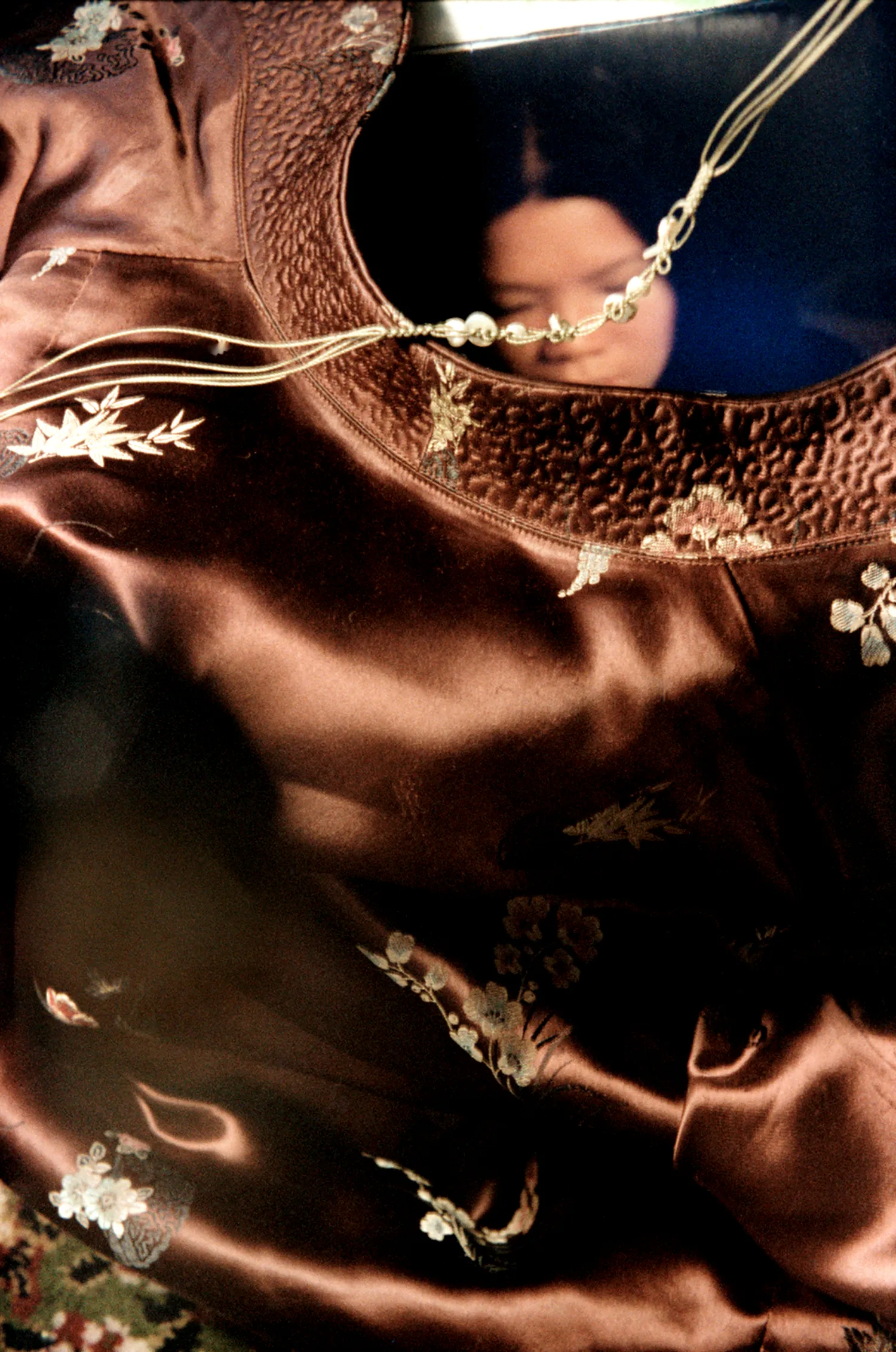
Your work focuses also on "marginal and forgotten" spaces. You have "given" a permanent life to buildings that were destined to be forgotten (like the Kowloon Walled City). On a day like IWD, which celebrates often-overlooked achievements, do you see a parallel between the "invisible" history of Hong Kong’s architecture and the "invisible" labor of the women who lived in the city?
In capturing architecture on the verge of disappearing or in full bloom, I hadn’t consciously sought parallels between Hong Kong’s erased architectural past and the hidden labor of its women. Yet reflection reveals a shared invisibility: the immense, quiet strength of housewives who spent lifetimes nurturing families, quietly relinquishing their own ideals and individuality in the process—an unseen force sustaining the city, much like the overlooked histories in its fading structures.
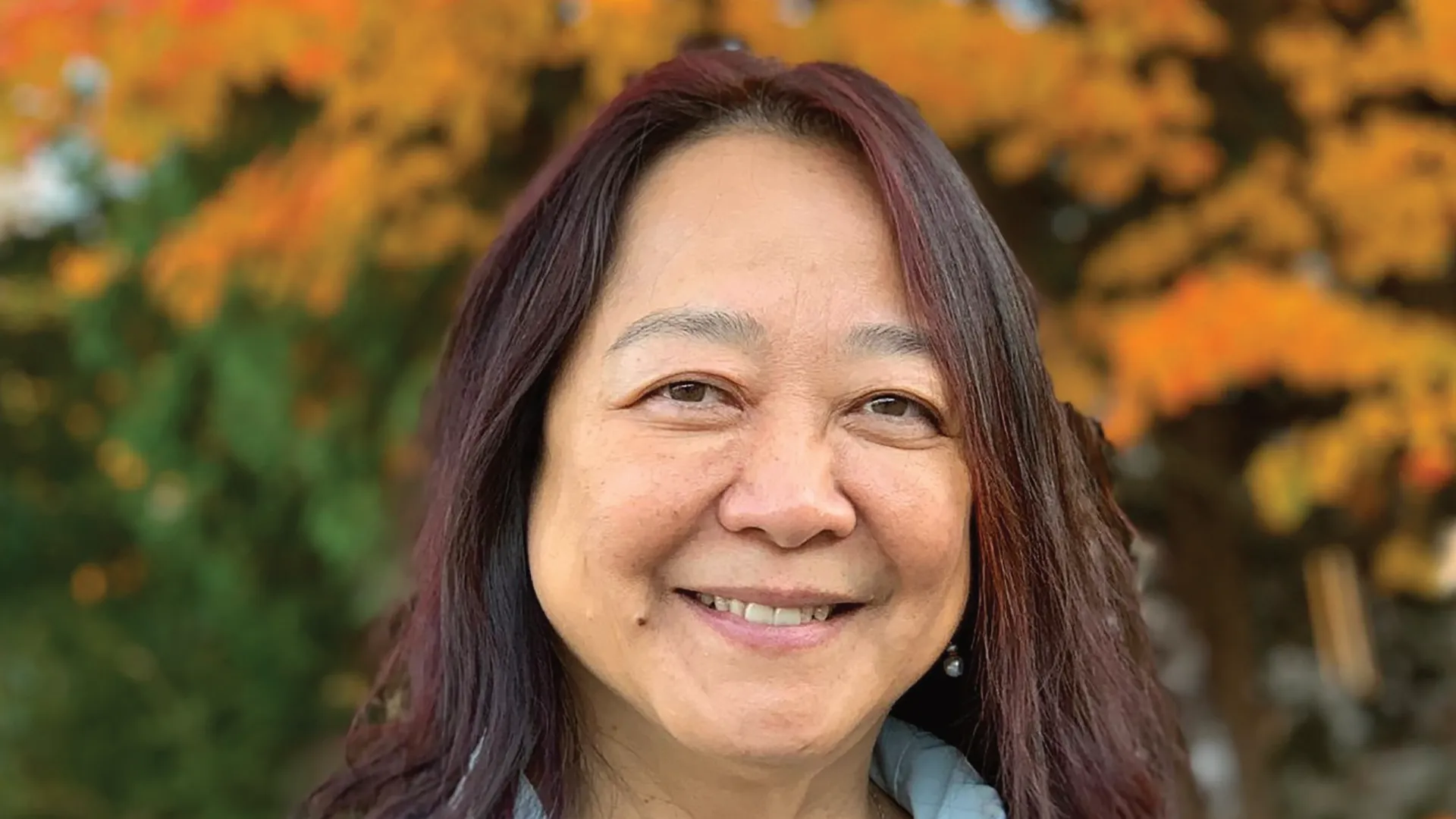
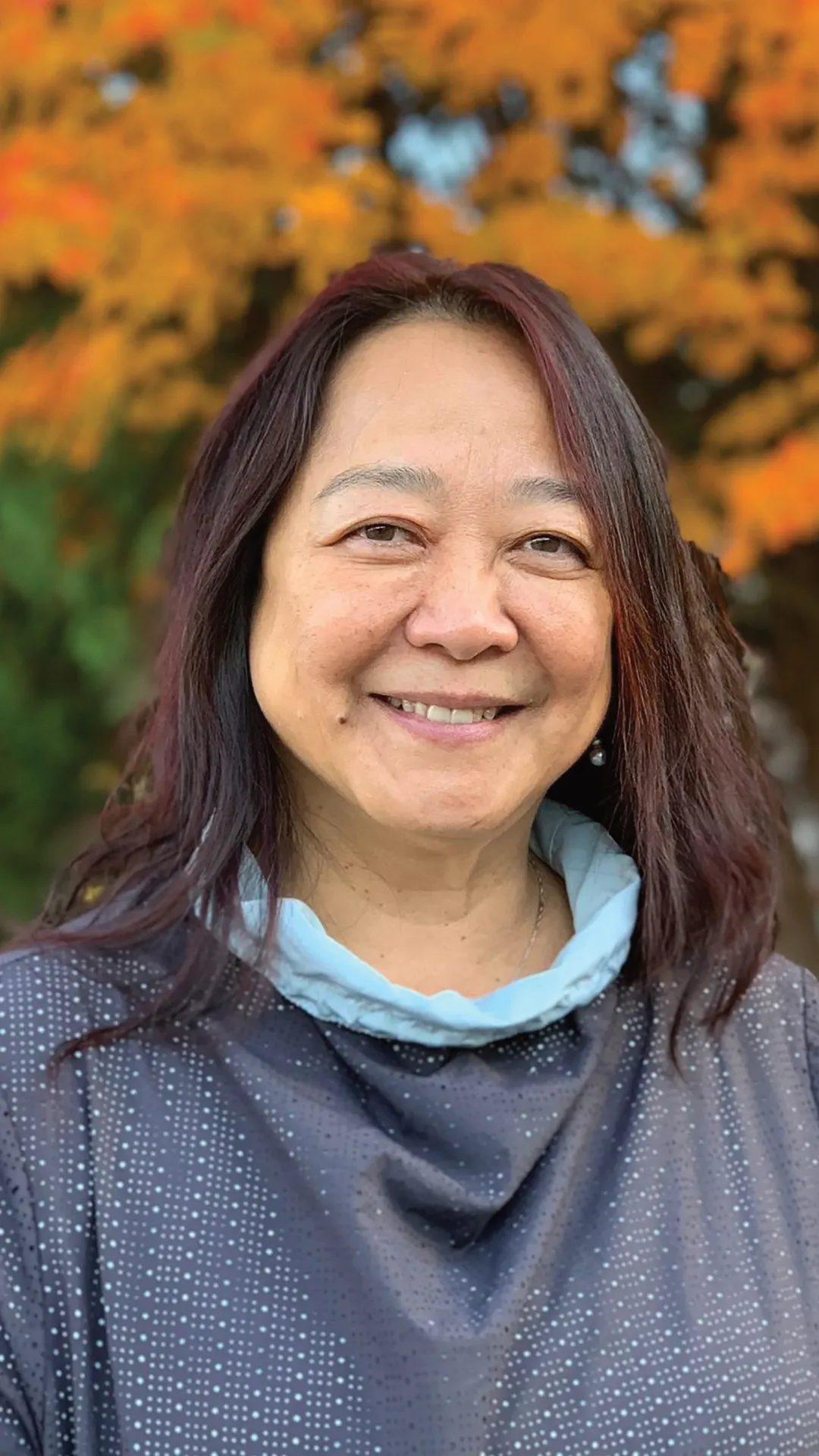
Featured image: © Sin-ying Ho
Sin-ying Ho
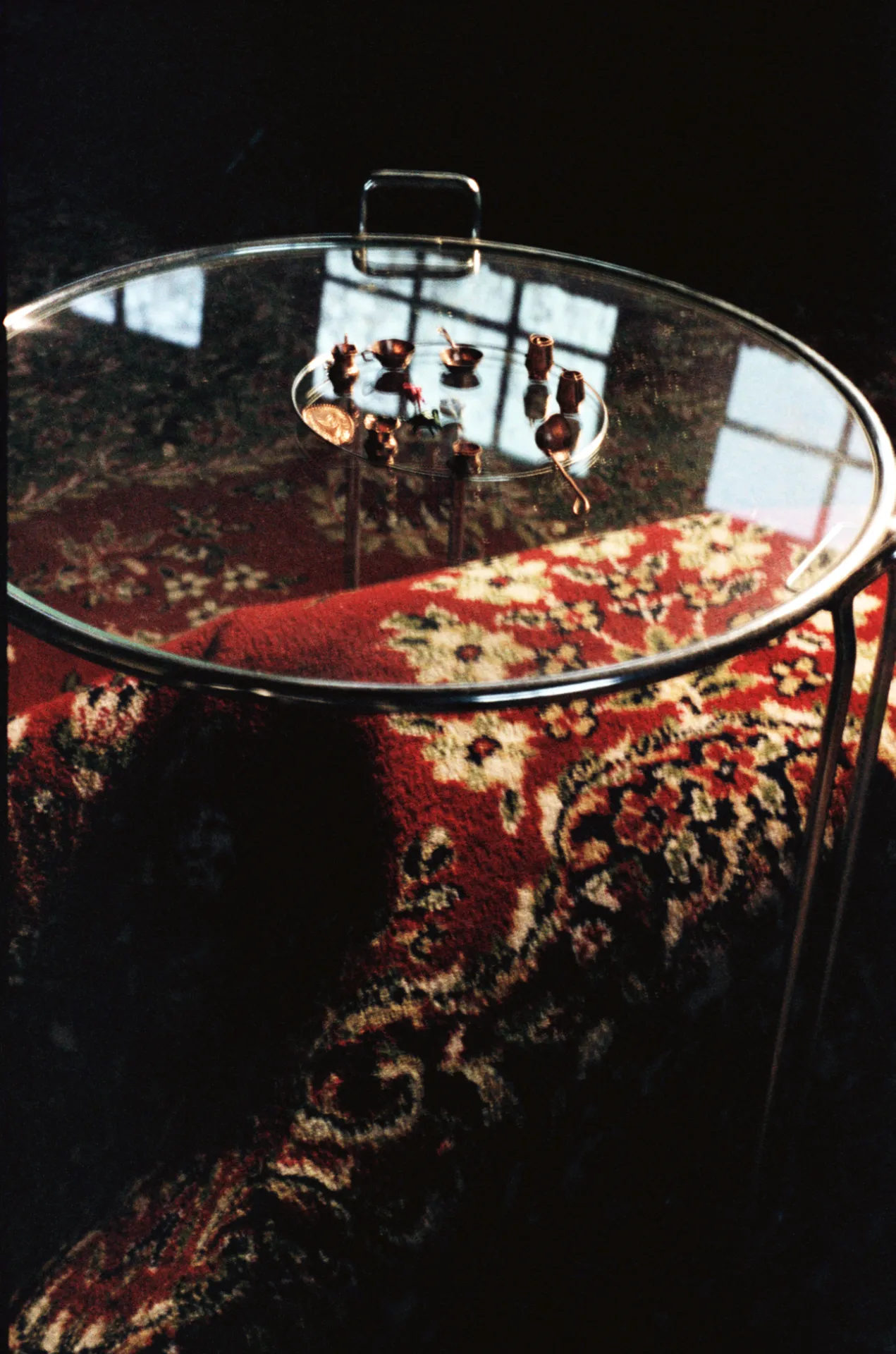
Sin-ying Ho is a contemporary ceramic artist internationally recognized for her innovative reinterpretations of Chinese porcelain of the past, merging the refined aesthetics tradition ware with contemporary imagery, political symbolism, and global cultural references. Her artworks are quite intimate and centers on the contradictions in her life; it discusses migration, transplanting, and growing up in a colony like Hong Kong, which causes a sense of dislocation and necessitates ongoing identity negotiation. Understanding her paradox, she realize that is a phenomenon not only for her but it also affects all planet. So she reflects how cultural borrowings and connections in an accelerating "global village" are impacted by globalization. She felt compelled to produce a body of artwork in 2001 that was centered on conveying and characterizing the collision path of Eastern and Western cultures. New vs old, technology versus tradition, communication versus language, aesthetics versus cultural identity, and economy versus power are all part of the backdrop of this artwork. In light of this, in the context of 21st-century economic globalization, symbols, signs, and corporate logos are used to re-contextualize the intersecting cultures of East and West, new and old. These specifics transcend time and geographical limits. She is also particularly interested in investigating the connection between ornamental symbols derived from Chinese porcelain export goods and the language of symbols in a dialogue with nowadays logos. Her artwork clearly presents porcelain as a living language that can address pressing issues of politics, identity, and global connection in the twenty-first century rather than as a relic of the past. Her artwork also challenges the observer to think about whether human pursuits have any discernible patterns or significance. In addition to her studio art and creative practice, she is an educator and advocate for ceramics as a critical medium within contemporary art discourse. She has an impressive exhibition record. The Hood Museum of Art in New Hampshire, the Fidelity Investments in Boston, the Icheon World Ceramic Center in Korea, the Glenbow Museum in Canada, the Yingge Ceramics Museum in Taiwan, and the Canadian Consulate General in Hong Kong all include her works in their permanent collections. The cover of Utopic Impulses: Contemporary Ceramics Practice, edited by Ruth Chambers, Amy Gogarty, and Mireille Perron (Ronsdale Press 2007), features her piece, Music. Ho is on the advisory boards of the Watershed Center of Ceramics Art and the Taoxichuan Art Center in Jingdezhen, PRChina. She currently resides in New York City.
What inspired you to pursue a career as a ceramic artist, and how did your artistic journey begin?
My artistic journey began in Hong Kong during the 1970s and 80s, a time shaped by British colonial influence, where daily life, language, and identity were constantly negotiated. Cantonese was my mother tongue, yet I was required to learn English and even adopt an English name. That early duality planted the seeds of a lifelong awareness of cultural displacement—though I didn’t have the language for it then. As a child, I remember eating rice from a porcelain bowl and wondering how such an object came into being. I had no idea that porcelain would one day become central to my life, but that curiosity stayed with me. In the late 1980s, I visited my friend Ms. Li Yu Fun at the Pottery Workshop in Hong Kong. She handed me a ball of clay, and I sat at the potter’s wheel for the first time. I giggled, laughed, and didn’t want to stop. Soon after, I began taking classes at the Fringe Club, where the Pottery Workshop was located. At the time, I was a fulltime stage actress with the Chung Ying Theatre Company, so my schedule was unpredictable. Ms. Li introduced me to Mr. Edward Yu, who generously gave me a key to his Earthling Studio and allowed me to practice anytime. Those four years of practice laid the foundation for my future as a ceramic artist. When I immigrated to Canada in 1992—initially to pursue acting—I encountered a new kind of dislocation. It was at Sheridan College that I rediscovered clay. Ceramics offered a language beyond words, one capable of expressing the tensions between cultures, histories, and identities. A pivotal turning point came in 1996, during my BFA studies at the Nova Scotia College of Art and Design, when I participated in an offcampus study program at the Jingdezhen Ceramics Institute in Jiangxi Province. Living and learning in the heart of the “porcelain city” profoundly shaped both my technique and philosophy. Immersed in Jingdezhen’s centuriesold ceramic traditions, I began to synthesize traditional and contemporary aesthetics while navigating the cultural contrasts between Eastern and Western education systems. In 1998, I served as interpreter and liaison for a group of 60 ceramic artists, educators, critics, and collectors from the United States, Canada, England, and New Zealand on a tour of major ceramic centers including Yixing, Jingdezhen, and Yuzhou, as well as cultural hubs such as Shanghai, Xi’an, and Beijing. Acting as a bridge between East and West deepened my contemplation of linguistic and visual language—particularly how signs, symbols, and iconography shift across cultures. These experiences solidified my commitment to porcelain as my primary medium and set the trajectory for my career.
How long did it take you to develop your skills? Did you encounter challenges that made you question your path?
Ceramics is a lifelong practice—one of continual discovery. My training across Canada, the United States, and China immersed me in diverse approaches: Eastern and Western, traditional and conceptual. Porcelain, in particular, demanded years of discipline. It is technically unforgiving, historically charged, and conceptually rich. My time at the Jingdezhen Ceramics Institute was especially formative, exposing me to centuries-old techniques and philosophies that continue to inform my work. There were moments of doubt, especially during periods of migration and during the early years of learning porcelain’s complexities. I remember building and painting a three-foot-tall vessel for months, only to have the shoulder collapse during the glaze firing. Another time, I applied terra sigillata to a bone dry vessel already covered with intricate imagery. Instead of forming the smooth, glossy surface I expected, the terra sigillata cracked into a spiderweb pattern. I cried for a week before deciding to rub red terra sigillata into the cracks to enhance the unexpected pattern. The result was an irresistible surface. These experiences taught me one of the most important lessons in ceramics—and in life: transformation often emerges from failure. Turning disaster into possibility has become central to both my practice and my philosophy. Teaching has also been integral to my development. Over the years, I have taught ceramics at Southeastern Louisiana University, the Emily Carr Institute of Art and Design, the Alberta College of Art & Design, and Concordia University, and have served as a Visiting Artist at Harvard University and the Hong Kong Art School. I am currently an Associate Professor of Ceramics at Queens College, City University of New York. Teaching deepens my understanding of the material and continually renews my dedication to the field.
Ceramic transmits daintiness and fragility but also solidity and protection. What is your relationship with the material? What did you feel after finishing your first creation?
Ceramic embodies the very contradictions that shape my life: fragility and resilience, vulnerability and endurance, tradition and innovation. When I completed my first porcelain piece, I felt an unexpected sense of recognition—as if the material understood something about me before I could articulate it myself. Porcelain carries a long history of global exchange, empire, and desire. It is delicate in process yet capable of surviving for millennia. That paradox mirrors my own experience of navigating multiple cultures and identities, and it continues to guide my relationship with the material.
.
Porcelain is notoriously fragile during the firing process, but lasts millennia once finished. Does the risk of failure affect how you value the final piece?
Absolutely. The kiln is a space of uncertainty—porcelain can crack, warp, blister, or collapse without warning. That vulnerability heightens the significance of each finished piece. For me, the firing process becomes a metaphor for cultural identity: shaped by pressure, unpredictability, and transformation. The risk of failure is not something I try to avoid; it is integral to the meaning embedded in the object. Each piece carries the memory of that risk, and its survival becomes part of its story.
Many of your artworks reinterpret Qing dynasty porcelain aesthetics. How consciously do you engage with histories of trade, empire, and power?
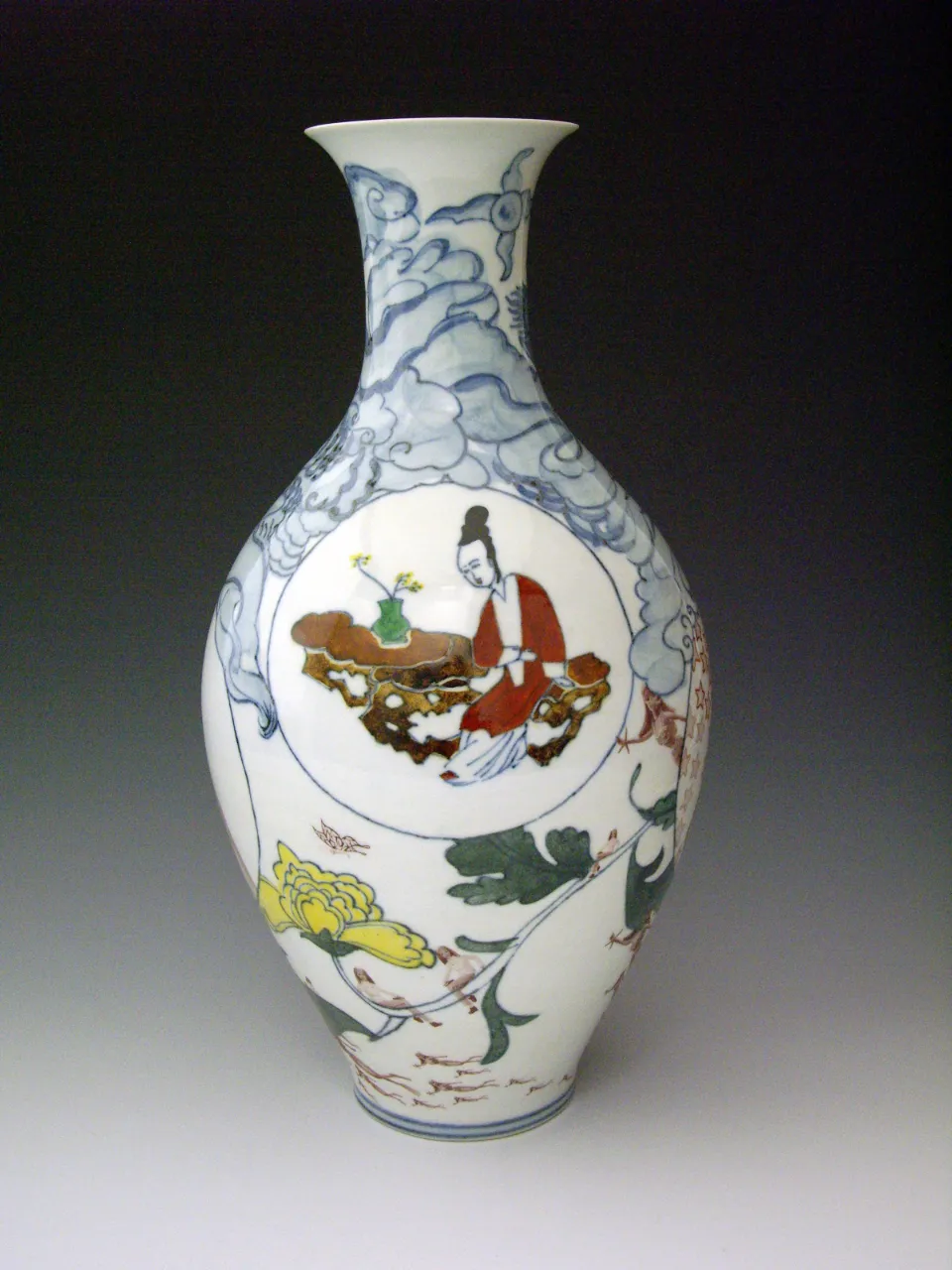
Very consciously. Qing dynasty export porcelain is deeply tied to global trade, colonial desire, and imperial power structures. As someone who grew up in a British colony, trained in Canada and the United States, and studied in Jingdezhen, these histories are personal. In Future Is in Our Hands (2008), I used the traditional doublegourd form associated with Daoism and immortality, but layered it with “@” symbols, children playing video games, and global digital imagery. In Temptation: Life of Goods, Adam and Eve are filled with Chinese coins—symbols of prosperity—but the coins are overlaid with corporate logos like CocaCola, Nike, Piaget, and Chanel. A jagged gold line referencing the 2008 stock market crash cuts across the surface. These juxtapositions reveal how global capitalism reshapes ancient symbols and human desires.
Your surfaces are richly layered and technically complex. You incorporate political symbols, maps, and national emblems. What do you hope future audiences understand about this era through your artwork?
I hope future audiences see this era as one defined by rapid globalization, technological acceleration, and cultural entanglement. The symbols I use—binary code, stock market charts, virus imagery, 5G cloud forms, corporate logos—are the visual vocabulary of our time. In World Garden (2014), peonies—symbols of wealth and royalty—surround global monuments such as the Coliseum, Taj Mahal, London Bridge, and Yellow Crane Pagoda. These combinations form a coded language, much like a computer system, that records the cultural collisions of our time. In One World, Many People, the title phrase appears in multiple languages, surrounded by flowers and figures glazed in celadon and yellow. The work imagines a utopian global garden while acknowledging the complexities of multicultural coexistence. My work becomes a kind of archaeological record of the 21st century.
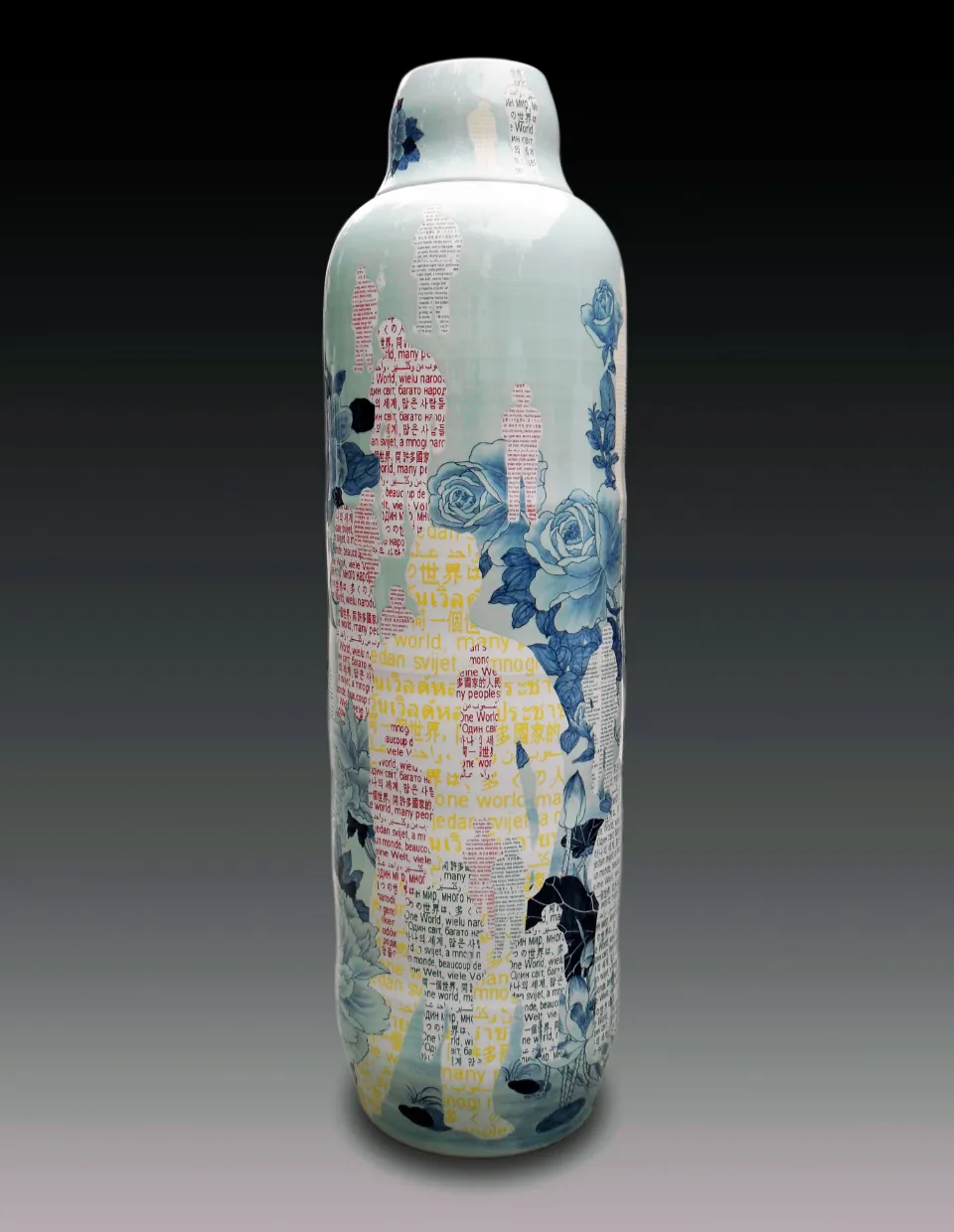
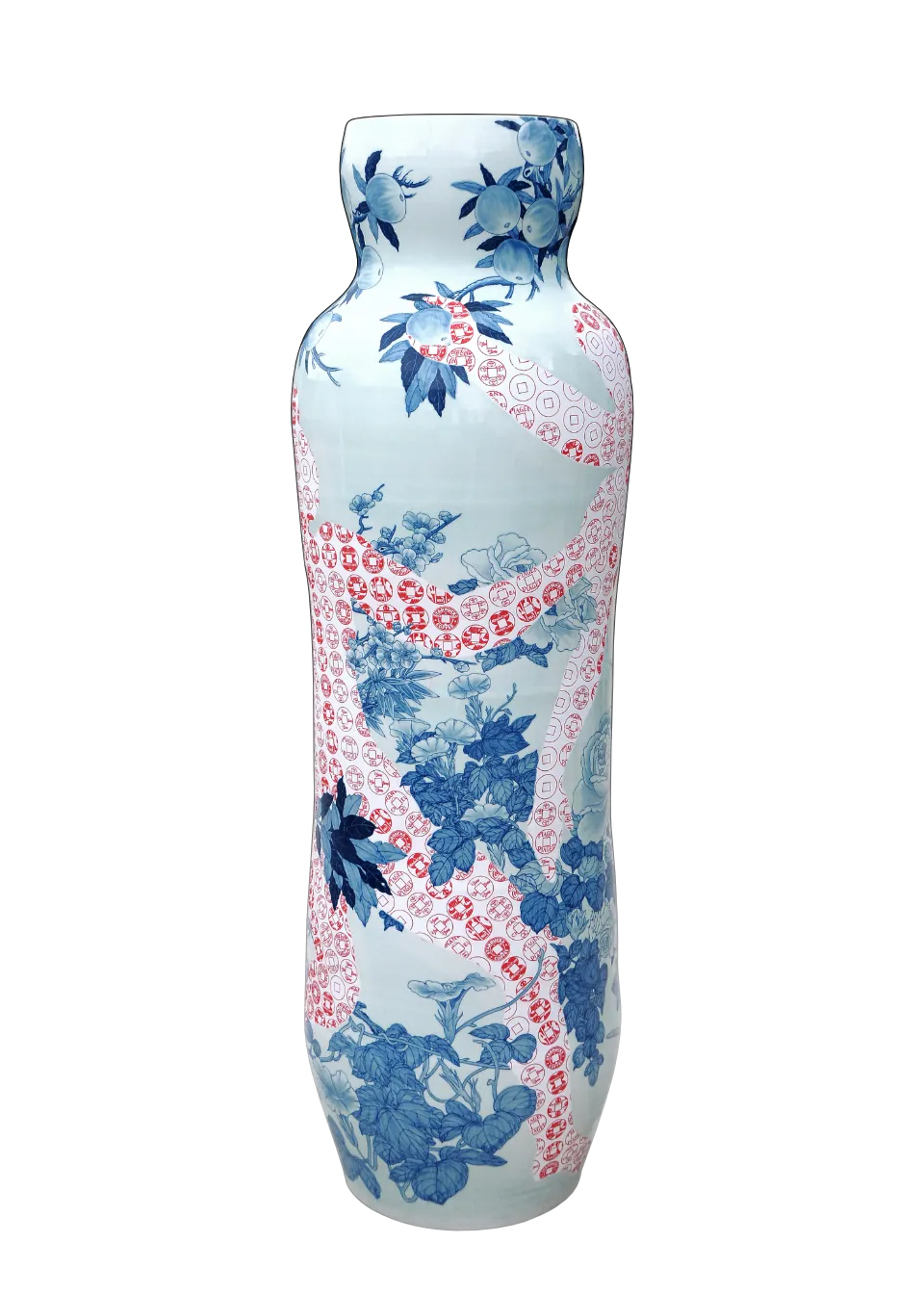
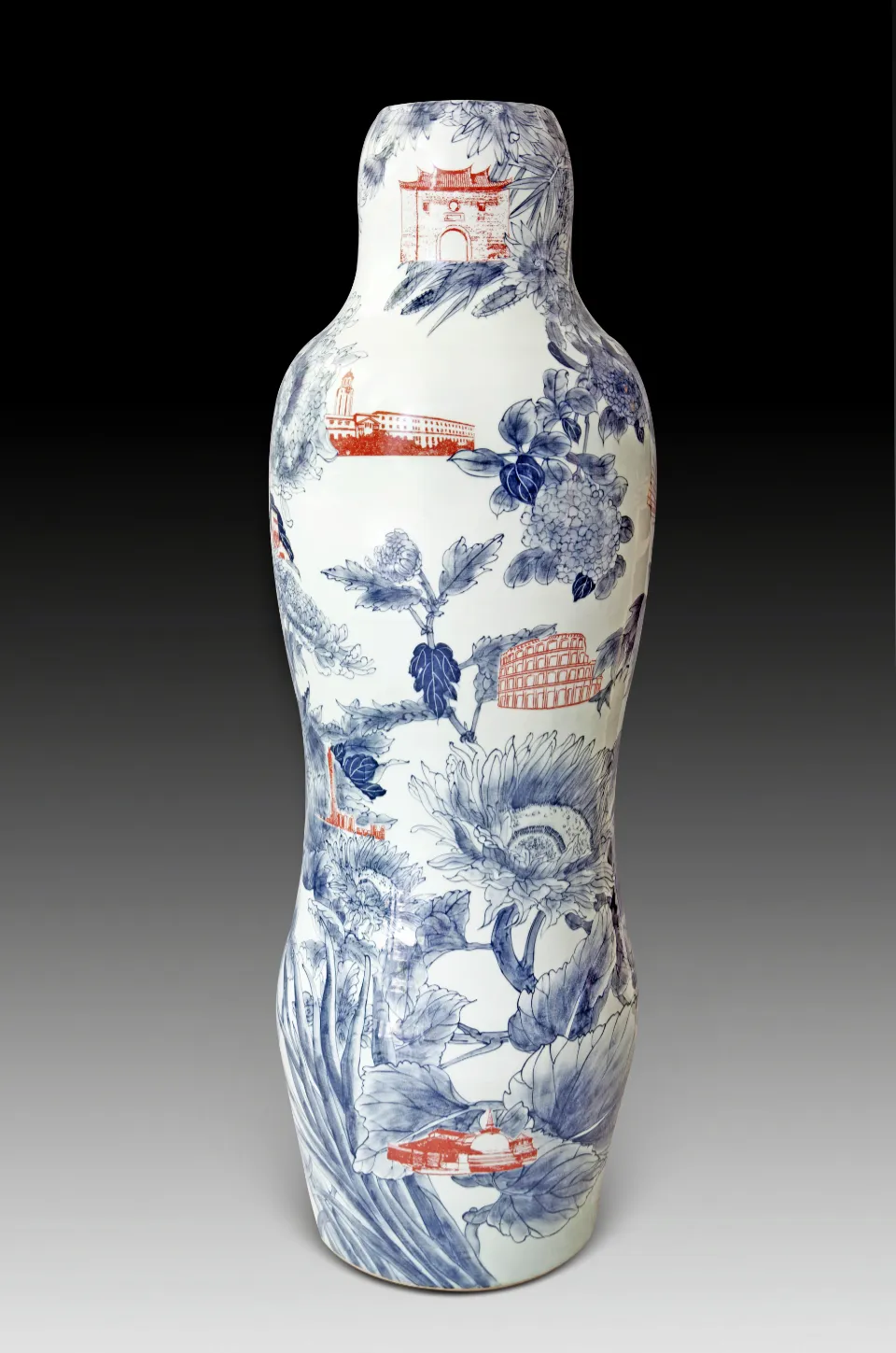
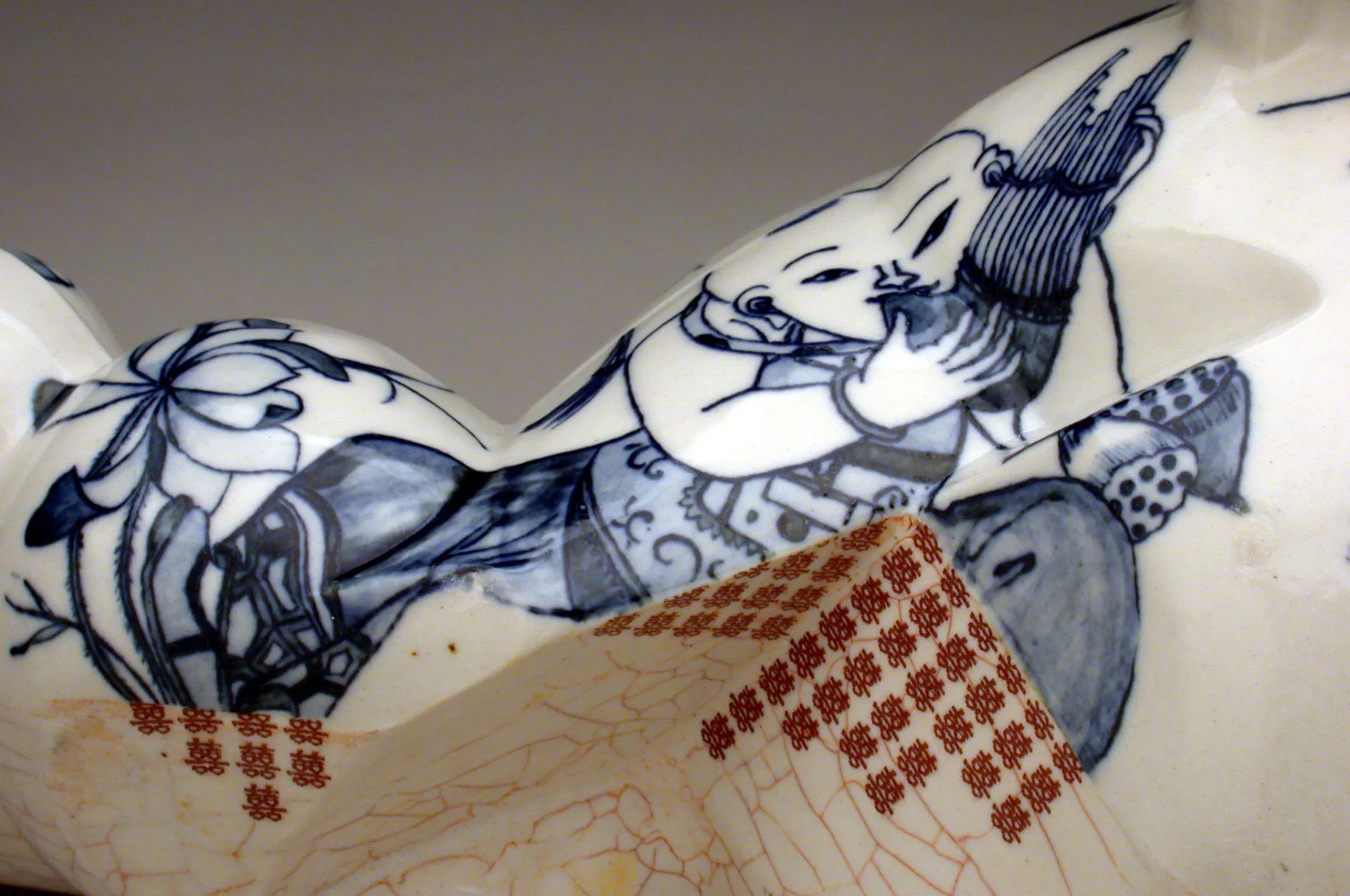
.
Can you share a story about a piece where experimentation led to an unexpected breakthrough?
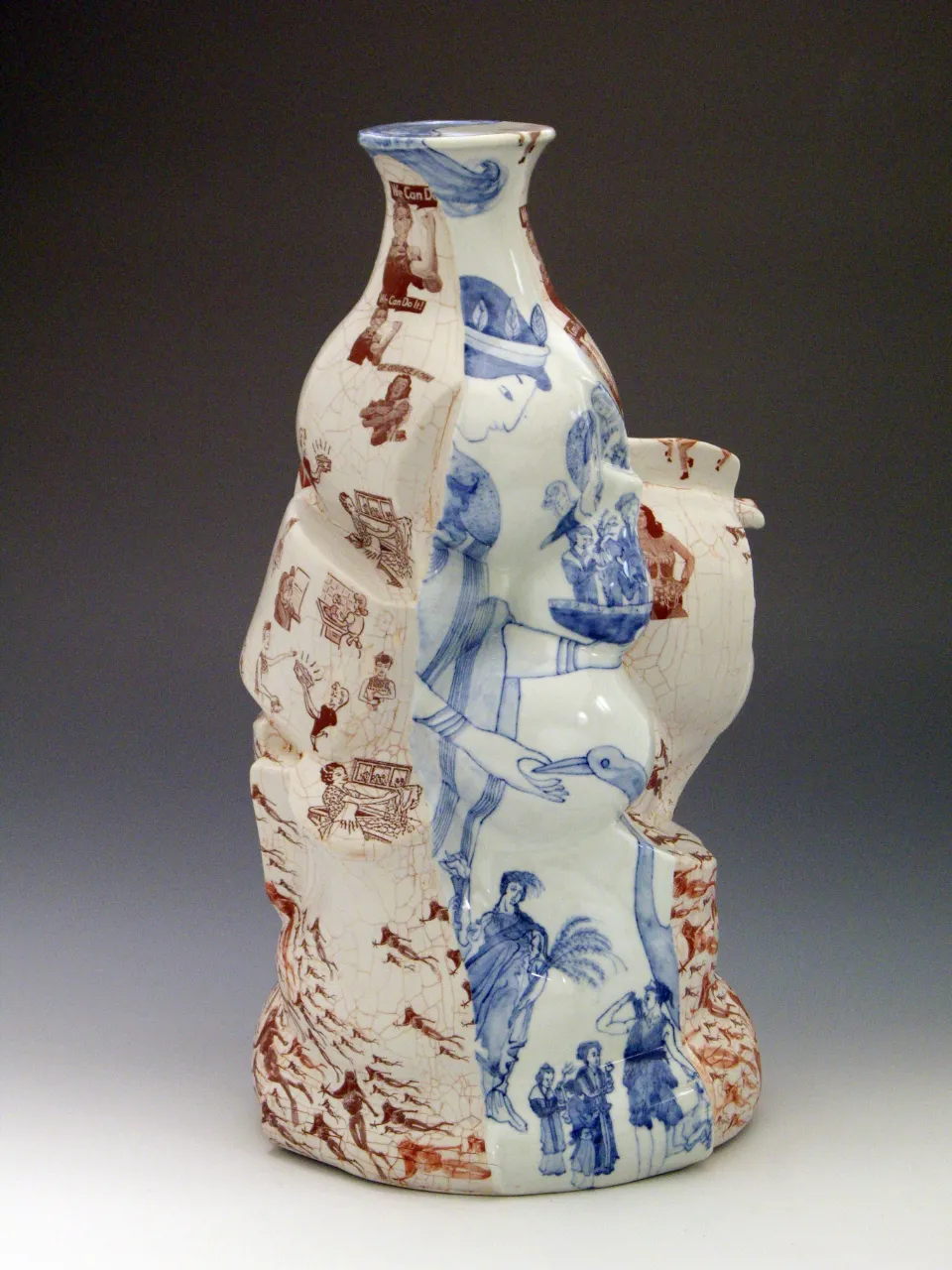
A major breakthrough came when I began experimenting with multipart molds created through wheel throwing, cutting, and reassembling forms. Instead of hiding the seams, I left the evidence of extraction and reconstruction visible. Works like Wedlock (2004) and Histogram No. 2 (2007) use bifurcated forms—one side crackled red, the other cobalt blue—to explore marriage, identity, and cultural codes. The red side references Chinese wedding imagery, while the blue side incorporates Qing dynasty inscriptions and European factory marks. This experiment opened an entirely new direction in my practice, allowing the form itself to embody cultural collision.
Having lived and worked across Asia, Canada, and the United States, how has getting involved in different cultures shaped your visual vocabulary and the way you construct your vessels?
Each place I have lived—Hong Kong, Canada, the United States, and China—has contributed a distinct layer to my visual vocabulary. Hong Kong taught me about cultural hybridity and linguistic duality. Canada introduced me to multiculturalism and the North American studio pottery tradition. The United States exposed me to conceptual art and political discourse. Jingdezhen grounded me in the lineage of porcelain itself. I now see myself as a “global sapien.” I live and work in multicultural cities like New York, Toronto, and Hong Kong, and I maintain a studio in Jingdezhen. My life is a universal existence among many cultures and languages. These experiences shape not only the imagery I use but also the physical construction of my vessels. The forms often embody fragmentation, hybridity, and reconstruction, reflecting the lived reality of crossing borders both physically and psychologically. My international teaching career—from Harvard University and the Hong Kong Art School to Emily Carr, ACAD, Concordia, and Southeastern Louisiana University—has further expanded my understanding of how culture shapes artistic language. I now teach ceramics as an Associate Professor at Queens College, CUNY, continuing this dialogue with new generations of artists.
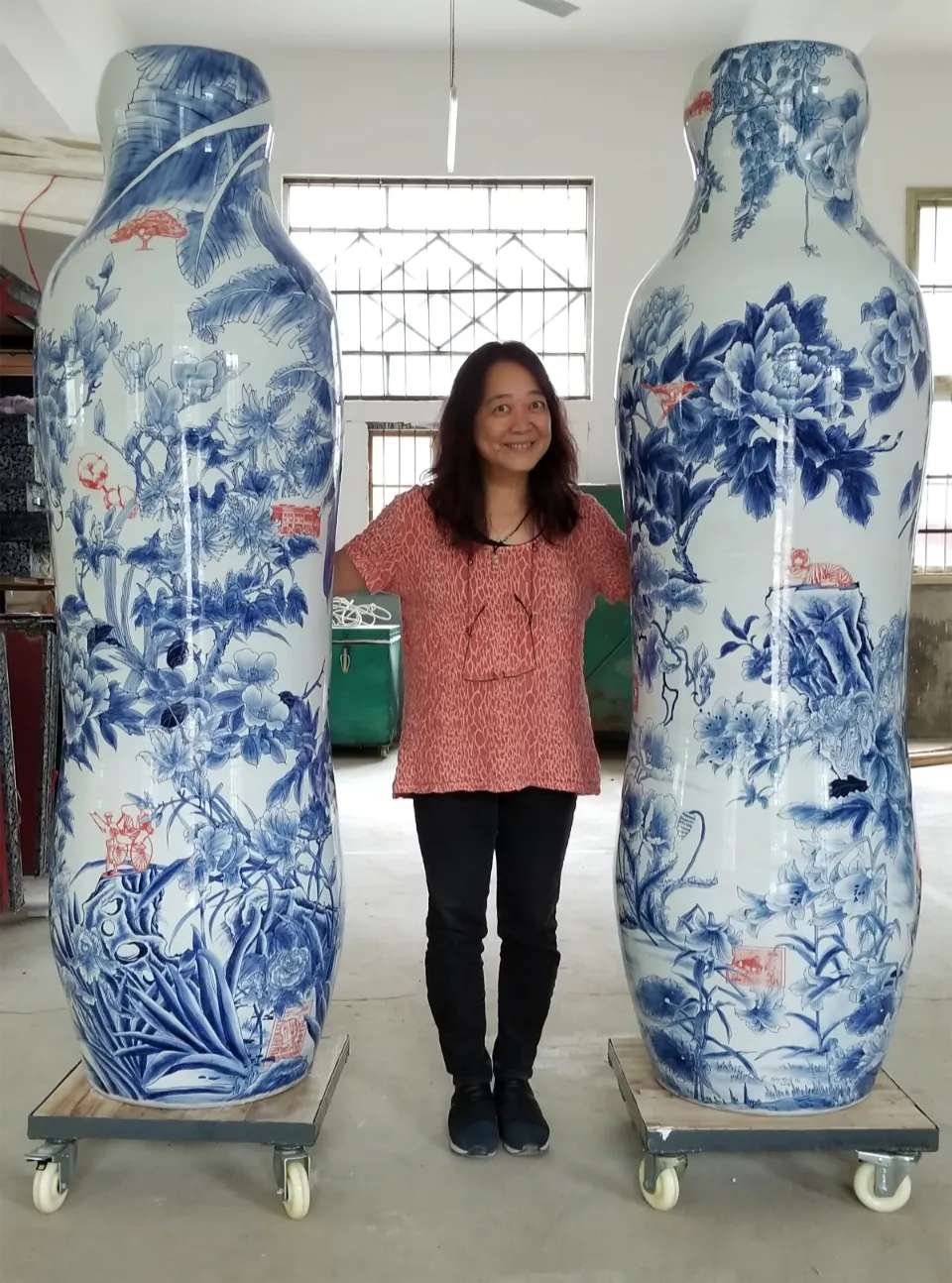
Many of your pieces bring to mind imperial porcelain. What does it mean for you to intervene in forms once tied to patriarchal power structures? If your vessels could speak on International Women’s Day, what would they say?
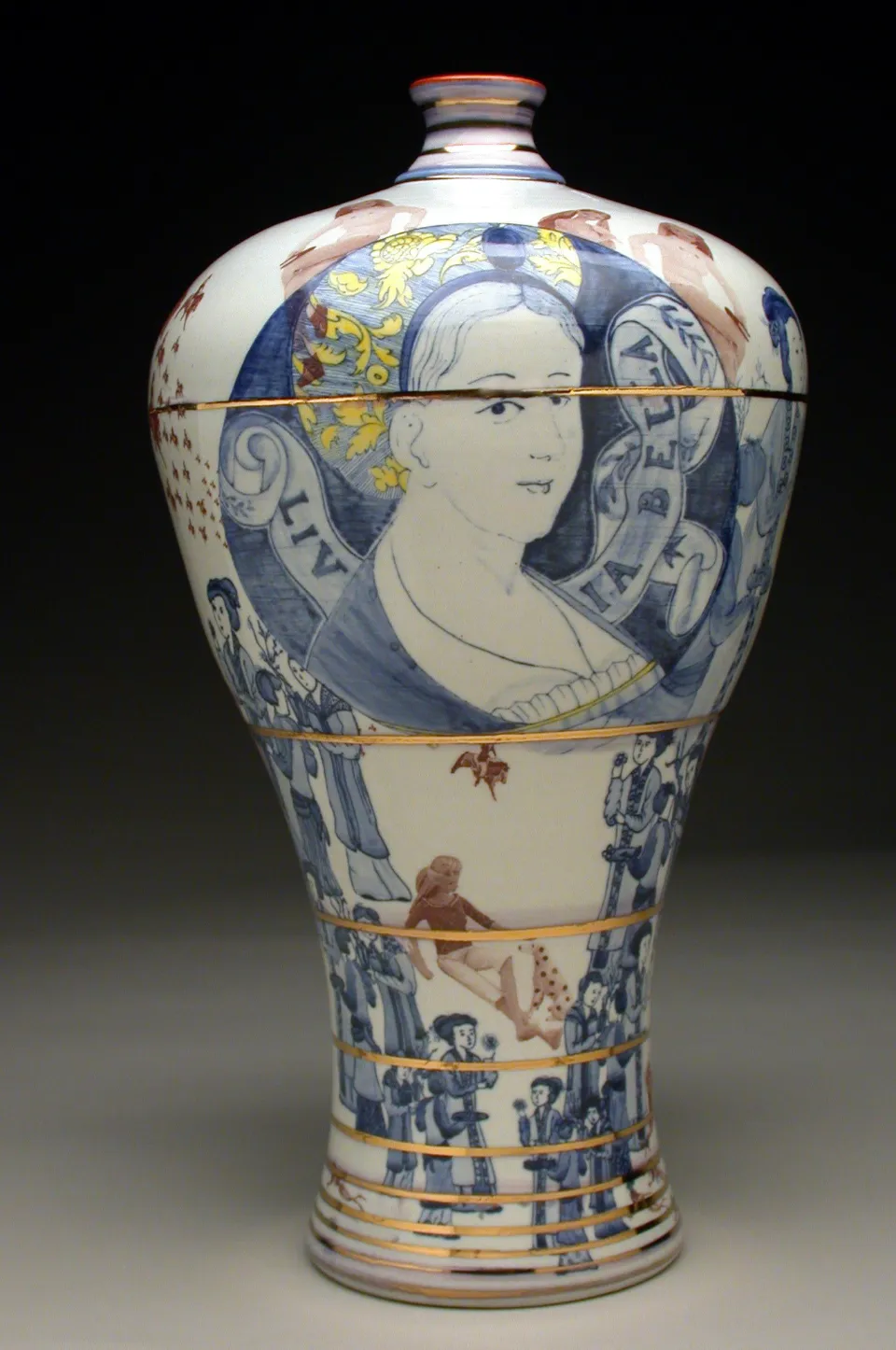
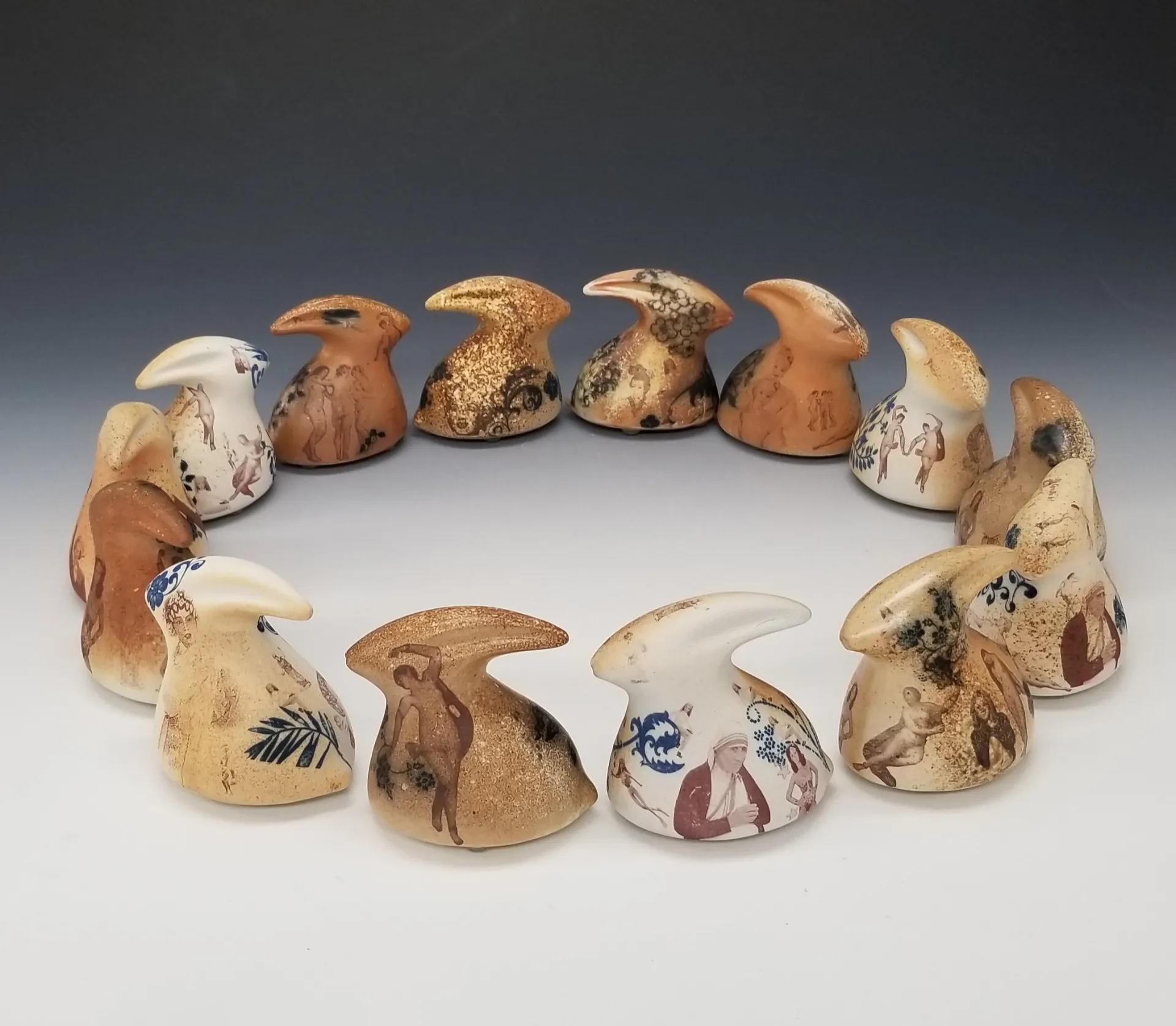
Intervening in imperial forms allows me to reclaim and reinterpret objects historically associated with hierarchy, patriarchy, and elite power. In my Graces series, I use the symbolism of the rabbit—gentle, vulnerable, yet resilient—to represent women across cultures. Each rabbit carries the image of a woman whose story transcends nationality, religion, or language. If my sculptures Seeing Eve, Bella, Ladies, ceramic panel Continuing Journey could speak on International Women’s Day, they would honor the strength found in vulnerability, the dignity in diversity, and the power of women’s stories across borders. They would assert that identity is not defined by imposed structures but by the courage to transform them.
Featured image: © Liao Wanning
Liao Wanning
Xi'an-born oil painter Liao Wan-ning is renowned for her expressive color palette, and skill in transforming "invisible" feelings into concrete textures. In July 1998, she graduated with a Bachelor's degree from the Second Studio of the Oil Painting Department at Xi'an Academy of Fine Arts (with a focus on Impressionist research). From 1999 to 2000, she pursued postgraduate studies at Xi'an Academy of Fine Arts, and in July 2001 she completed the Advanced Studies Program for Faculty at the same institution. From 2000 to 2006, she served as Art Director at a women's general-interest magazine under the Shaanxi Provincial Press and Publication Bureau. In 2006, she signed with the Baoqutang Contemporary Art Gallery in Hong Kong. Upon the completion of her three-year contract, she held her first solo exhibition of oil paintings, and during this period participated in numerous domestic and international oil painting exhibitions, with works collected by private collectors and sold at auction on multiple occasions. Liao's approach chose to honor her own voice and concentrate on topics that truly captivate her, often elderly folks, folktales, and antiquated artifacts, capturing their nowaday looks and situations. She focuses on her specific philosophy regarding memory and the physical act of creation. Indeed Liao Wan-ning’s artworks are deeply tactile and have gained acclaim for their direct exploration of themes of memory, fragility and relational dynamics. In 2015, she established the Liao Wanning Art Space and became a professional artist dedicated full-time to artistic creation. She also launched fine arts training and education programs, guiding multiple middle and high school students into the preparatory and undergraduate programs of prestigious art academies both in China and abroad. In 2023, Liao Wanning settled in Canada, dedicating herself full-time to contemporary figurative art. She serves as a contracted mentor at a professional fine arts gallery and as a lecturer in art studies. She has passed the relevant assessments and holds memberships including: SCA (Society of Canadian Artists), APPL (American Professional Painters League), CPSA (Color Pencil Society of America, selected member), AAPL (American Artists Professional League), IGOR (International Guild of Realism, professional member), and the National Oil and Acrylic Painters Society. She has been interviewed and featured by contemporary art publications and outlets in Italy, France, the United Kingdom, Spain, the United States, Canada, Israel, Hong Kong, and etc … with her works widely published.
Can you briefly introduce yourself? When did you realize you wanted to be an artist? What prompted you to embark on the path of art?
I am a figurative painter recognized both domestically and internationally, whose works primarily focus on portraits and historical themes, earning praise from the art community and the public. I adhere to an artistic philosophy of sincerity, restraint, and realism, rejecting flashiness and the pursuit of trends, using delicate brushwork to reveal the truth of humanity and the pulse of the era. In my artistic career, my work The Spinning Wheel was selected for the National Themed Fine Arts Exhibition; the oil painting Daydream won the Silver Award in the 2023 INNOART PRIZE International Art Competition, and I received multiple international art awards in 2024. I did not deliberately "choose" to become an artist. Rather, since middle school, I was deeply attracted by the charm of painting and have continued on this path until today. No one in my family is engaged in art work. In China, I was exposed to art classes in school from a young age, and my father taught me to practice calligraphy with a brush, imitating ancient rubbings and paintings. In my spare time, I always loved to doodle; a piece of paper and a pen were enough for me to immerse myself in the world of my imagination, pouring everything I saw and thought onto the tip of the brush. I truly solidified this original intention when I realized that painting is not just a hobby, but the best way for me to dialogue with the world and express myself. This is the core of my artistic philosophy: painting should not be an empty form, but a deep expression with temperature, thought, and soul. It allows me to retain those truths that are easily ignored and convey those emotions that are difficult to put into words. This unique value has prompted me to persist all the way, turning painting into a lifelong career and destination, and allowing me to always adhere to the creative principle of "realism without embellishment, sincerity without blind following."
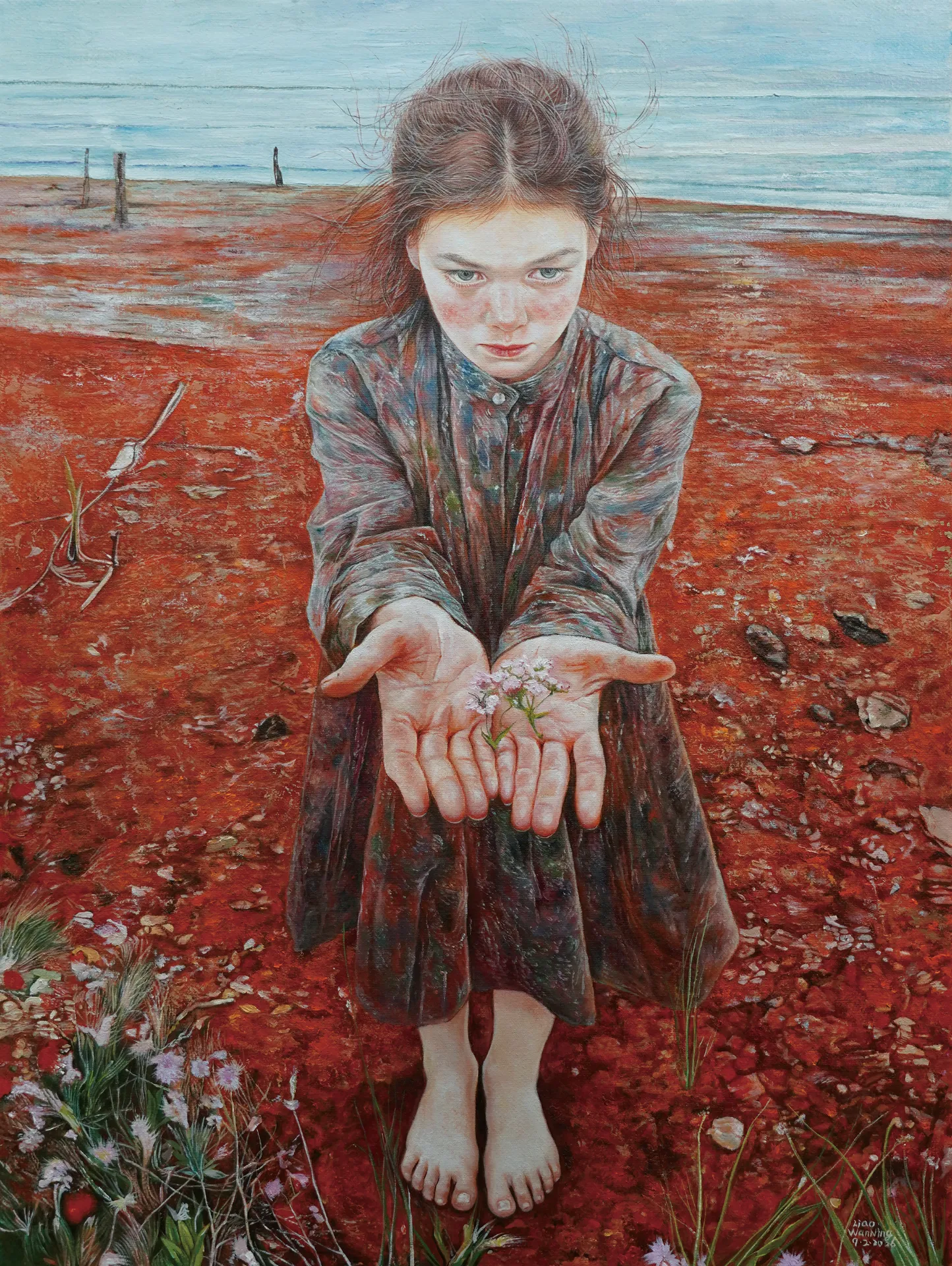
As a contemporary artist rooted in a female perspective, she consistently uses keen social insight and humanistic concern to construct profound reflections on the fate of humanity through visual storytelling
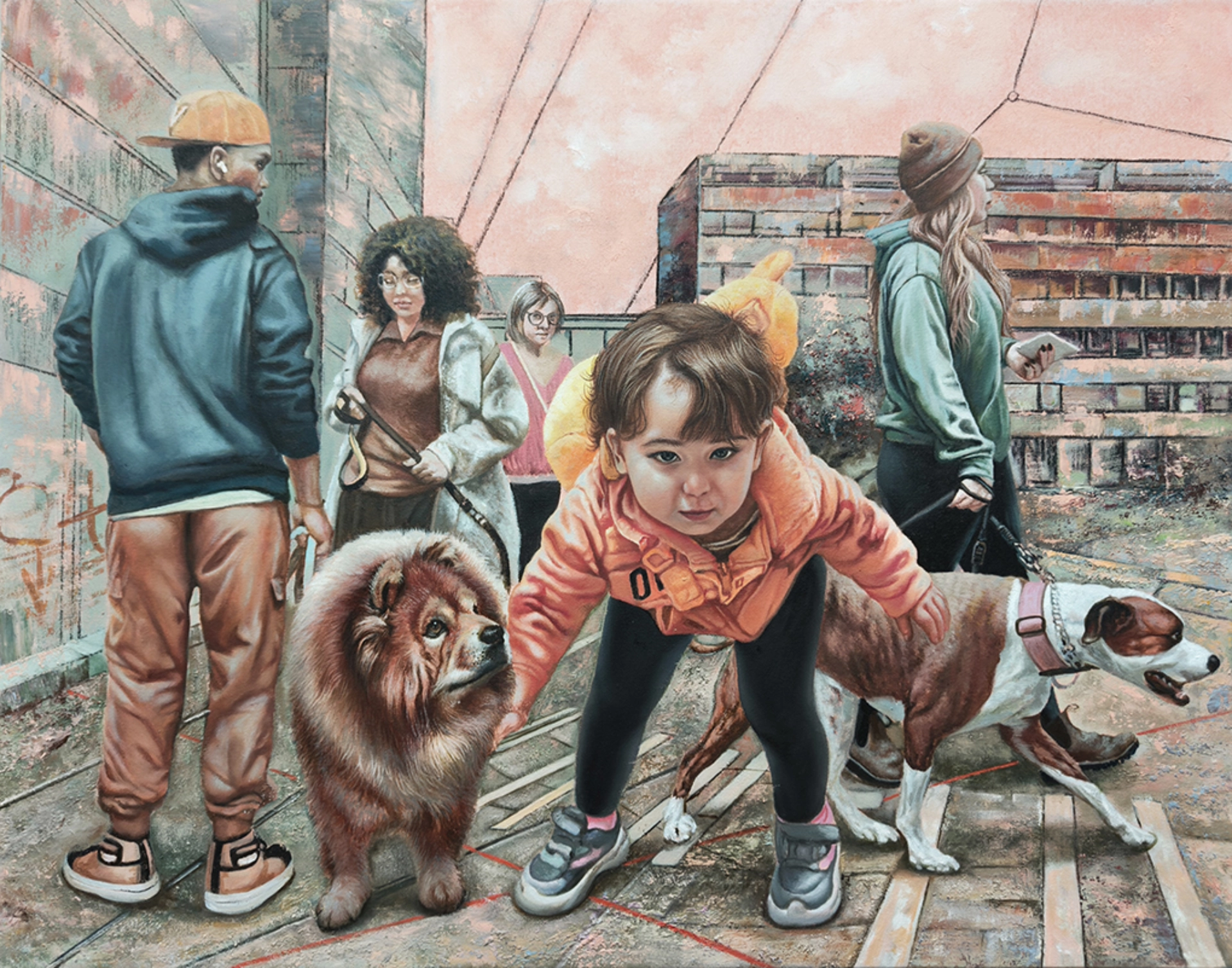
Who has had the greatest influence on you as a person and as an artist?
I grew up in a small city in Southwest China, where there were many military factories called the "Third Front," established for China's political needs at the time. Every factory gathered new immigrants from all over the country, speaking various accents. For me, that was a strange era full of curiosity and longing. The people who influenced me the most fall into two categories. One is the ordinary but artistically talented and resilient adults around me. They could compose music, sing, paint, dance, and were good at various sports. Daily life consisted of watching literary performances, local operas, sports events, movies, and attending dances. This was the lifestyle I experienced from childhood. It was a utopian small-city society with no gap between rich and poor and closed information—although no one was wealthy and resources were scarce, people often left their doors unlocked at night, maintaining kindness, dignity, compassion, and creativity. In those days, every household had more than two children. Apart from the parents working, the children automatically formed small circles of friends based on where they lived. The adults were optimistic, resilient, and kind, and the children were treated gently and looked after by different families. This subtly shaped my character and directly laid the foundation for my artistic concept of "guarding the warmth of humanity with a brush," making me always believe that the core of art is "people"—real emotions and vivid vitality, rather than grand forms. The other category consists of predecessors in the art world, such as those creators who adhere to classical realistic techniques and do not cater to trends. They made me more certain of my artistic direction: the value of art lies not in showing off skills or following trends, but in sincerity and persistence. This has also become my unchanging creative creed for many years. At the same time, some scholars focusing on the humanities and history have also taught me to integrate deeper thinking into my creations, so that my works have not only realistic beauty but also spiritual weight, practicing my artistic pursuit of "figurative carrying the spirit, realism conveying depth."
Do you see painting is a form of self-exploration, communication, or both? What desire are you trying to answer through your painting?
For me, painting is necessarily a combination of self-exploration and communication; the two are inseparable. This is deeply integrated into my artistic philosophy: I have always believed that the essence of artistic creation is "questioning inward, conveying outward"—exploring one's own understanding of humanity and the world internally, and transmitting the truth and warmth one upholds externally. The process of creation itself is an inward self-questioning and the process of practicing my artistic philosophy. While depicting characters and capturing light and shadow, I constantly examine my own heart and organize my understanding of human nature and the world, adhering to the principle of "not simplifying complexity and not beautifying reality." This is the process of self-exploration. The finished work is my medium of communication with the viewer, which fits my expressive philosophy that "silence speaks louder than words": I do not deliberately instill viewpoints; I simply present the truth I see and feel with restrained, realistic brushstrokes, allowing the viewer to find resonance in the image. This is a silent but powerful communication. What I try to answer through painting is actually a very simple question, which is also the core pursuit of my artistic philosophy: in this noisy, impetuous, and uncertain world, how can the dignity, kindness, and hope of individuals be seen and protected? Painting is the answer I provide.
As a contemporary artist, how do you balance traditional portraiture techniques with the modern desire to show a "fragmented" or "evolving" self?
For me, traditional portraiture technique is the "root," and showing the "fragmentation" and "evolution" of the modern self is the "soul." The key to balancing the two lies in "not separating and not blindly following," which is also one of my core artistic concepts—tradition as the foundation, contemporary as the soul, and realism as the bridge, letting classical techniques become a carrier for responding to contemporary emotions and carrying modern thoughts. I always take classical realistic techniques as the foundation, adhering to traditional techniques such as multi-layer glazing and chiaroscuro to preserve the texture and warmth of painting. This is both the confidence of my creation and the manifestation of "respecting the essence of painting." I have always believed that realism is not a rigid replication, but a restoration full of temperature and thought. When showing the evolution of the modern self, I do not deliberately pursue formal "fragmentation." This fits my artistic philosophy of "restrained expression"—not deliberately changing the visual form to cater to modern trends, but hiding inner changes and the marks of the times within the brushstrokes, colors, and expressions of the characters. For example, I use traditional techniques to depict the state and situation of contemporary people, capturing the complex emotions within characters with delicate brushwork, making traditional techniques a carrier for carrying the modern self and responding to contemporary emotions. This makes tradition contain warmth and allows the modern to have roots, both adhering to the essence of realism and endowing the work with a contemporary spirit. This has been the creative direction I have adhered to for many years.
It seems that you use color not just to represent light, but to create a specific internal temperature. What role does erasure or revision instinctively color play in your artwork?
You are absolutely right; this is precisely the core concept of my use of color—color serves emotion and empowers temperature. It is by no means a simple tool for representing light, but a carrier for conveying inner temperature and expressing emotion; it is an indispensable element in my realistic expression. I always adhere to "restrained use of color," not pursuing intense color impact. Low-saturation tones can create a quiet atmosphere, and subtle color changes can convey the ripples in a character's heart. Every choice of color is made to fit the emotion of the image and the inner temperature, which also aligns with my overall artistic philosophy of "sincerity and restraint." The act of erasing and modifying color is not "error correction" for me, but a process of "approaching the truth." It is an instinctive dialogue with the image and a manifestation of my practice of the "extreme realism, extreme sincerity" philosophy. Many times, the initial color combination may only be my preliminary imagination of the image. During the creative process, as my understanding of the characters and emotions deepens, I will adjust the shade, coolness, and warmth of the colors through erasing and modifying until the color can both fit the truth of the light and accurately convey the inner temperature I want, making color, emotion, and truth fit perfectly. This kind of modification is actually a process of constantly questioning inward to give the image more soul, and it is my adherence to the idea that "every work must carry truth and warmth."
In some of your works, shadows seem to hold as much important weight as the subjects themselves. Do you view shadow as an absence of light, or as a container for things that are not said out loud?
I have always believed that shadow is definitely not the absence of light, but the "other half of the soul" of the image, a container carrying unspoken things. This is integrated into my artistic philosophy of "realism is not superficial, details hide deep meanings." I insist on realistic creation, but I am never limited to "replicating appearances." Instead, I focus on conveying deep emotions and stories through details. Shadow is my most commonly used "silent language." In portraits, the subject's expression and outline are the "visible truth," while the shadow is the "unutterable emotion and story." This also fits my creative principle of "restrained expression and leaving space to convey meaning." For example, the shadow on a character's face not only makes the outline more three-dimensional but also captures the hidden emotions in the character's heart—perhaps a hint of stillness, a touch of tenderness, or a trace of imperceptible melancholy. The shadow in the background can create an atmosphere and set a foreshadowing, making the image more layered and leaving more space for the viewer's imagination. Those unspoken emotions, untold stories, and the parts deep in the character's heart that are not easily shown can all be hidden in the shadows, giving the image not only "form" but also "spirit," and giving the silent image a longer-lasting power. This is also my deep understanding of "realistic art": realism is about restoring truth, and even more about conveying the soul behind the truth.
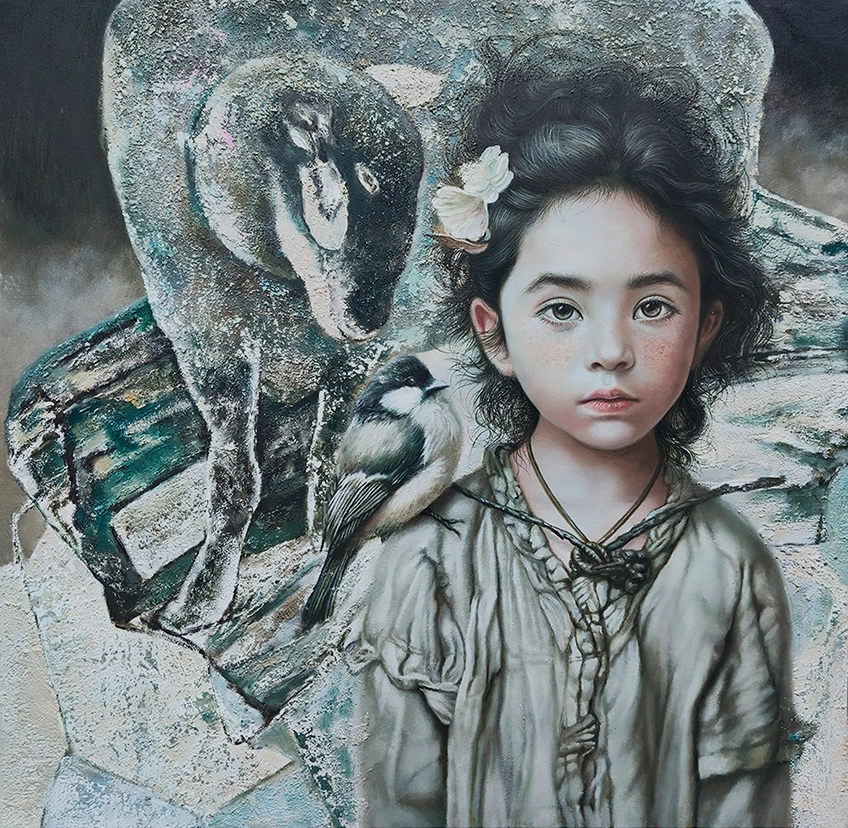
Every artist encounters a moment where a painting feels like it’s failing. How have you distinguished between a piece that needs more work and a piece that told you it wants to be something else entirely?
This distinction stems from my judgment of the "essence of the image," and even more from the artistic philosophy I have adhered to for many years: the core of a work lies in emotion and the inner essence, not in technique and form. I have always believed that in an excellent realistic work, technique serves the inner essence; technique without an inner essence, no matter how exquisite, is just empty showmanship. If I can clearly feel that the inner essence of a work is clear and the emotion is real, and there are only flaws in technique, color, or composition—such as the color not fitting the emotion well enough or the brushwork not being delicate enough—then it only needs more modification. I will patiently polish and adjust it, approaching my original vision bit by bit. This is precisely the manifestation of my "extreme pursuit of truth and warmth." But if, after repeated modifications and adjustments, I still feel that its inner essence is blurred and the emotion is empty, and even the most exquisite technique cannot convey the truth and warmth I want, then I will realize that it itself wants to become something completely different. At this time, I will not force my persistence but will stop and listen to the "voice" of the image, either completely overturning and repainting it or extracting the valuable parts and transforming them into inspiration for another work. This is also part of my artistic philosophy: artistic creation should not be "stubborn persistence," but "sincere compromise and rebirth." Respecting the work itself is respecting the essence of art and my original intention of "using the brush to convey the truth."
You capture the completeness of the beauty: authenticity over aesthetics in a world that often demands women to be 'curated'. Is your commitment to realistic, unvarnished portraiture, an act of giving women the right to be seen exactly as they are? How do you protect your creative voice in an art market that favors trends?
Yes, this is exactly the original intention of my insistence on realistic and unembellished portraits, and it deeply resonates with my core artistic philosophy that "truth is beauty, sincerity is power." I have always believed that art should not be a "filter" used to beautify falsehood and avoid reality, especially in portraiture; its value lies not in depicting a "perfect appearance," but in capturing a "truthful soul." As realist artists have shown, they reproduce external objects through observation and depiction, experiencing their own feelings and understanding. Such art conforms to the viewer's visual experience and provides sensory aesthetic pleasure. In this era of excessive pursuit of "perfection" and "exquisite packaging," many people are used to hiding their true selves, especially women, who are often required to conform to certain established aesthetic standards. What I want to do is use the brush to "restore the truth"—this is also the core pursuit of my realistic creation: no beautification, no embellishment, capturing the most authentic expression and natural state of women. Even the fine lines on the face or the fatigue in the eyes are part of their unique charm and part of beauty. I hope through such creation to empower women to show their true selves, and I want to convey my artistic claim: truth is the most powerful and complete beauty; the mission of art is to protect this truth and convey this unembellished human warmth, breaking people's stereotypical perceptions of "beauty." This is the original intention I have adhered to for many years. As for how to defend my creative philosophy in an art market that worships trends, my method is simple—"guard my heart, do not follow blindly, and do not cater." This is the most steadfast part of my artistic philosophy: art should not cater to the market but should lead aesthetics and convey power. I always believe that the value of art does not lie in whether it closely follows trends, but in whether it is sincere, whether it has temperature, and whether it can convey power. Realism is the best way for me to convey this sincerity and temperature. Market trends change constantly, but human truth, kindness, and dignity are eternal themes and the eternal core of my creation. I will not change my realistic direction because the market likes a certain avant-garde style; nor will I waver in my original intention because someone questions my realistic style as "not avant-garde enough." I always adhere to the principles of "restrained expression and realistic transmission of the soul," avoiding showmanship and impetuousness, focusing on depicting what I think and feel, and insisting on using sincere brushstrokes to convey warmth and realistic images to carry thought. I firmly believe that time will prove that such soulful, warm, and persistent works have their own irreplaceable value. This is my reverence for art and my adherence to my own creative philosophy.
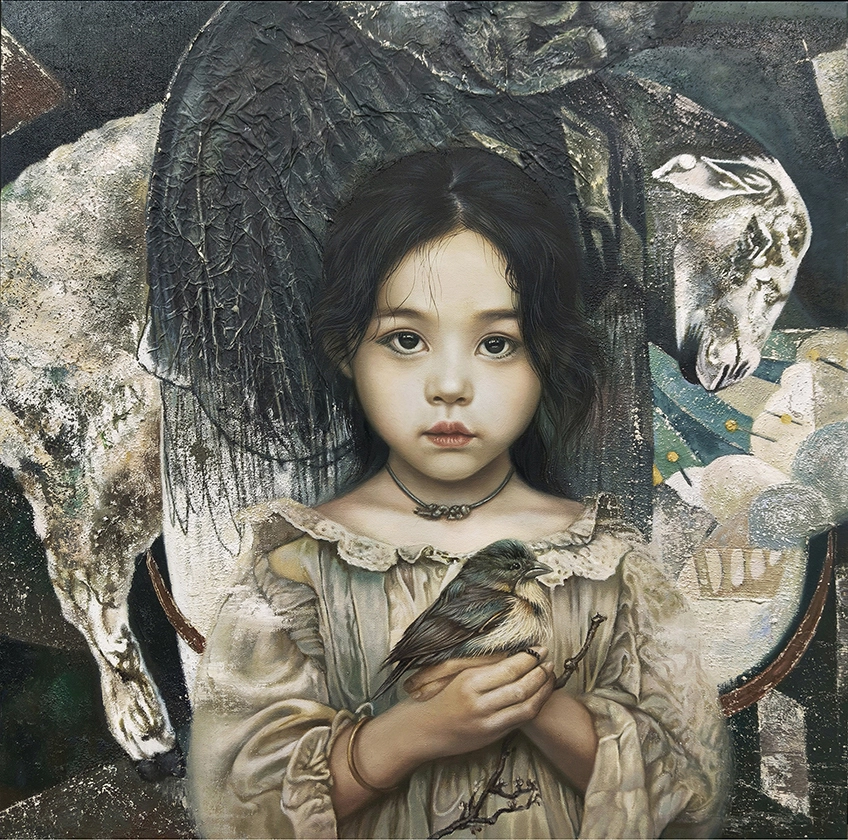
In your artistic career, is there a work that you feel particularly connected to, or one that represents an important milestone on your life or artistic path? Can you share the creative story behind this work and its personal significance to you?
For me, the work that resonates most and marks an important shift in my artistic practice is Returning to Canaan. This work not only became a key turning point in my creative career but also vividly demonstrated my mature core artistic philosophy—using realism as a boat, sincerity as the soul, and symbolism as a bridge to guard the realm of truth, convey the light of hope, and pursue a spiritual home. The creation of this work originated from a period of inner confusion—at that time, the art market was swept by various avant-garde and trendy styles, and many people advised me to go with the flow, saying my realistic style was "outdated." I once fell into self-doubt, struggling in the whirlpool of whether to change my creative direction and betray my original intention of "transmitting the soul through realism and sincere expression." Just then, I witnessed many people who were in difficulty but still adhered to kindness and longed for belonging. Their stories were like a beam of light that illuminated me, making me re-examine my original creative intention and strengthening my artistic philosophy: the value of art lies not in the formal innovation, but in the sincerity and power of the content. I gave up the idea of following the crowd, settled down, and used classical realistic techniques as a foundation to depict a girl holding a bird—this is precisely the practice of my "integration of traditional techniques and contemporary concepts": using the classical multi-layer glazing technique to restore the delicate texture of the character and the bird, guarding the essence of realism; and using the symbolic imagery of the girl and the bird to convey the pursuit of a spiritual home and hope by contemporary people in turbulence and confusion, endowing the work with a contemporary spirit. With the girl's steadfastness and the bird's tenderness, I convey an understanding of human nature and a persistence in hope. This fits my philosophy of "restrained expression and silent transmission of meaning"—no need to deliberately render emotions; the image itself contains power. The creative process of this work was also a journey of self-redemption and self-solidification—it made me understand that creation is not about catering to the market, but about guarding the truth and conveying hope, and about using realistic brushstrokes to build a bridge between reality and the spirit. After this work was completed, it not only won the resonance of many viewers but also completely solidified my creative philosophy: no matter how the market changes, I will adhere to realism and sincerity, using the brush to convey human warmth and using works to carry spiritual weight. This has also become the core guide for all my subsequent creations.
As a painter navigating the contemporary art world, what does International Women’s Day mean to you personally and professionally? In your experience, how has being a woman shaped your path in the arts, in terms of challenges or expectations, and what changes would you like to see for women artists today?
For me, International Women’s Day is not only a tribute to female power but also a reminder of my original creative intention—it inspires me to continue using the brush to capture the truth and resilience of women and to defend their dignity and power. This aligns with the core of my artistic philosophy: speaking for women through realistic brushwork and guarding the truth of women through sincere expression. Just as Frida Kahlo explored the meaning of art and life through self-portraits, and Mary Cassatt depicted the depth of female emotions through domestic scenes, their works not only show the achievements of female artists but also reflect the status and identity of women in society. I have always believed that the beauty of women does not lie in "exquisite packaging," but in truth and resilience, and art should become the "guardian" of this truth. In my professional career, this holiday constantly reminds me that as a female artist, I must not only do my own creation well and adhere to the principle of "realism without embellishment, sincerity without blind following," but I also have the responsibility to speak for women through my works, convey female power, let more people see the light of women, and break people's stereotypical perceptions of women. This is also the mission I have always adhered to in my creation and an extension of my artistic philosophy: art is not only self-expression but also humanistic care and respect and protection for human nature and the individual. The challenges faced as a woman on the artistic path are very real: on the one hand, there are still some implicit biases in the art world. For example, some people think that the works of female artists are "not powerful enough" or "too delicate," and will even use "feminized" to partially define our creations—this is precisely contrary to my artistic philosophy. I always believe that the power of art does not lie in the hardness of the brushstrokes or the avant-garde form, but in the sincerity and temperature of the core. The sensitivity of women can instead better capture the glimmer of human nature and better convey the "realistic soul" philosophy I uphold. On the other hand, women often have to balance family and career, facing more tests in terms of creative time and energy distribution. Sometimes, due to various trivial matters, I have to pause my creative plans, which makes me cherish every creative opportunity more and strengthens my belief in "keeping the original intention and not giving up creation." My expectations are simple: first, I hope to have more time and space to focus on my creation, adhere to the "realistic and sincere" artistic philosophy, and paint more touching works; second, I hope to break people's prejudice against female artists through my own efforts, so that everyone can focus on the work itself and the truth and warmth it conveys, rather than the artist's gender. This is also my small hope for the art world as a female artist and my adherence to my own artistic philosophy. I even more hope for several changes in the situation of today's female artists: First, break gender bias, so that female artists and male artists can enjoy equal display opportunities, recognition, and respect, no longer bound by gender labels, so the public understands that the value of art ultimately lies in the core and power of the work, not the artist's gender. This can also allow more female artists to bravely adhere to their own creative philosophy without following blindly or catering. Second, have more platforms and support to help female artists solve creative dilemmas such as time, funding, and display channels, so we can adhere to the artistic path with more peace of mind and focus on creation itself and the transmission of artistic philosophy and humanistic care. Third, I hope for more mutual assistance and inclusiveness among female artists, supporting and achieving each other, and jointly making a stronger voice so that more people can see the power and value of female art and see the human warmth and spiritual power we convey through realistic, sincere, and restrained expression. Regardless of gender, an artist's value ultimately speaks through their work. I hope all female artists can bravely be themselves and adhere to their original creative intention, like me, taking realism as the carrier and sincerity as the core, blooming their own light, and letting art become a force that guards truth and conveys hope.
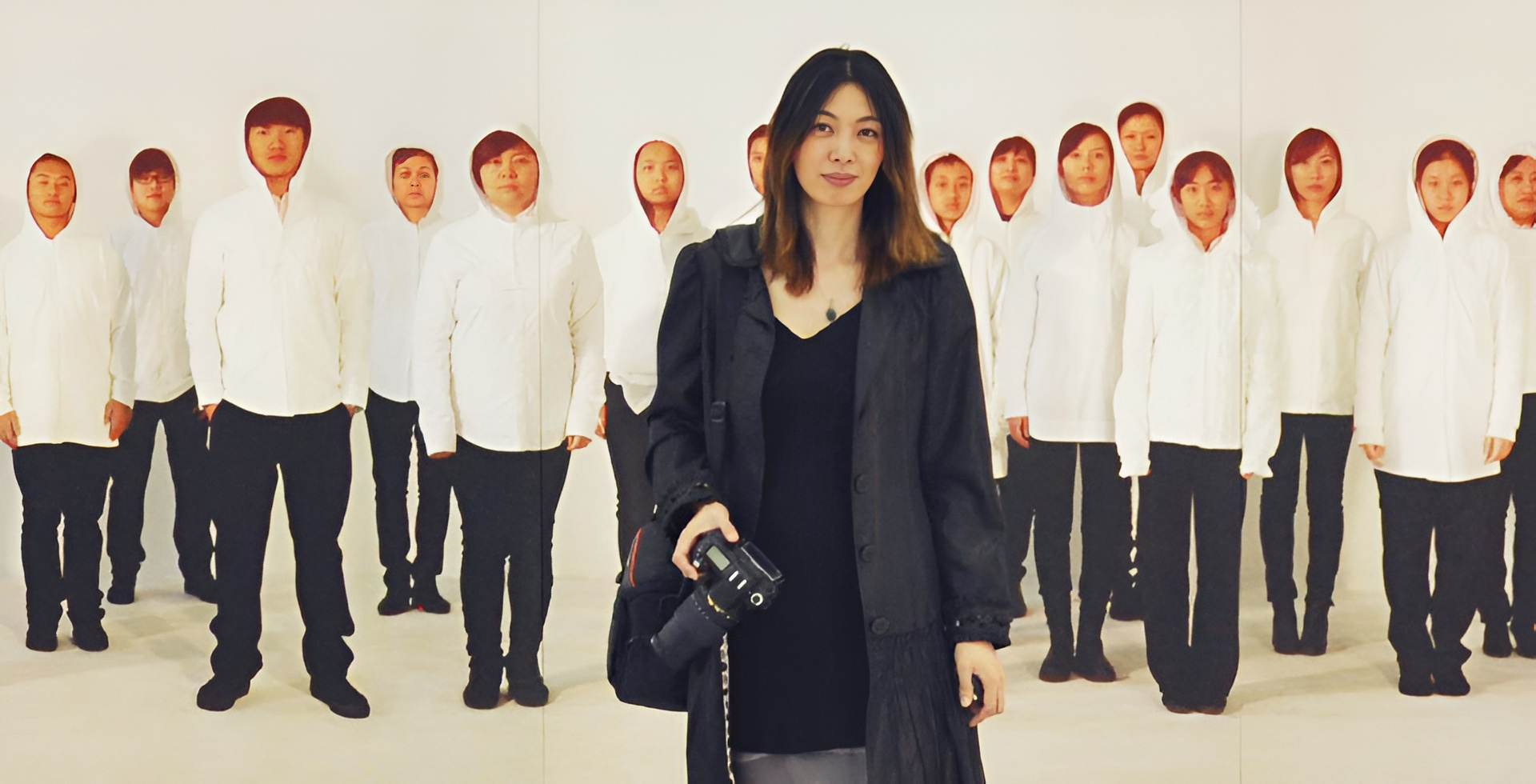
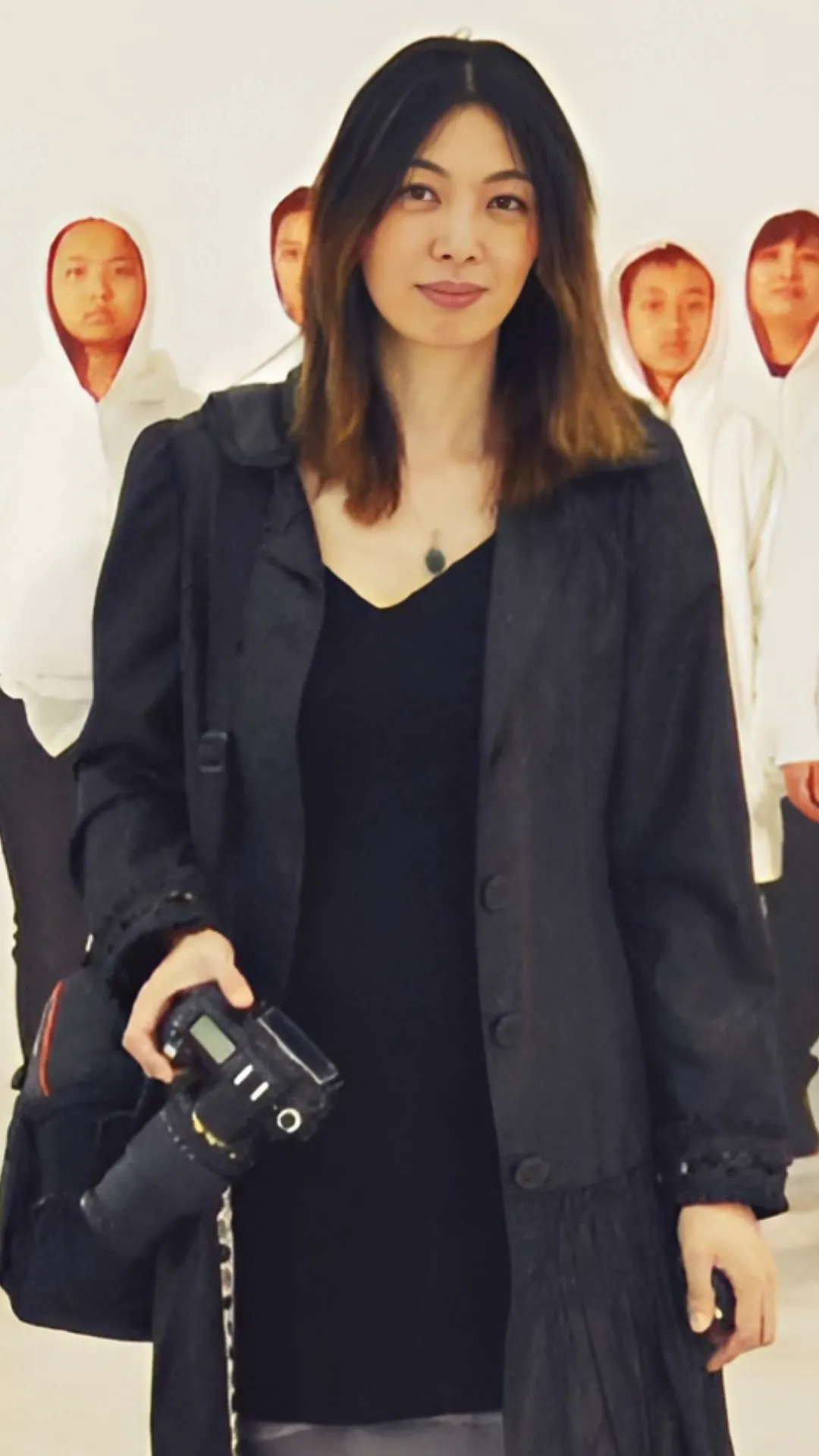
Featured image: © Lin Jingjing
Lin Jing jing
Lin Jingjing (林菁菁) is a contemporary visual artist whose practice bridges personal narrative and collective memory through painting, mixed media, and installation. Known for her nuanced visual language and poetic sensibility. Her artwork functions as a form of "social surgery"—a delicate, often painful, yet necessary probing into the paradoxes of modern existence. Her work is deeply conceptual, and her practice transcends geographical borders dealing with the nowaday society to explore the universal fragility of human identity. Her artworks reflect the tension of the softness against the coldness of social critique. She is an artist whose work doesn't just be seen—it breathes, it bleeds, and it stitches together the fragmented identities of human modern age. Her artwork includes video, mixed-media, paintings, installations, and performances. She is also renowned for creating stunning worlds by weaving thread over paintings, installations, and other mixed media. This creative mix technique produces a dreamlike impression that transports viewers to a different reality. She deconstructs by using traditionally "feminine" crafts like as a tool of resistance. She invites viewers to stop being "mental orphans" of the digital age and to start the difficult, beautiful work of stitching ourselves back together. Through exhibitions both locally and internationally, Lin Jingjing has cultivated a practice that emphasizes dialogue—between past and present, East and West, and the internal and external self. Her art resonates for its sensitivity, subtle strength, and ability to transform personal experience into universally relatable narratives. Her artworks have been exhibited in major public museums including the National Art Museum of Chile in Santiago(Chile), the Ivam in Valencia(Spain), the Kunstraum in Vienna(Austria), Galeria Herold in Bremen, Saint Mary’s University Art Museum in Halifax(Canada), the Leonard Pearlstein Gallery in Philadelphia, the Tikanoja Art Museum in Vaasa (Finland), the Long Museum in Shanghai(China), the Nanjing Museum Nanjing(China), Guangzhou Art museum in Guangzhou(China), the Du Land Modern Art Museum in Shanghai (China) and Song Zhuang Art Museum in Beijing (China), Ljubljana Castle in Slovenia, etc.
Was there ever a time you doubted your career path?
I have doubted everything. For me, doubt is not equivalent to denial. Doubt is a reopening of narrative, a sustained vigilance toward anything that appears overly clear.
How did you move through that uncertainty?
I feel that I am always living within paradox. Uncertainty, for me, is itself a form of paradox. I do not seek to resolve it.
She explores the possibility of building the future from difficult realities in a "non-place" global setting as she digs deeply into the complexity of technology neocolonialism.
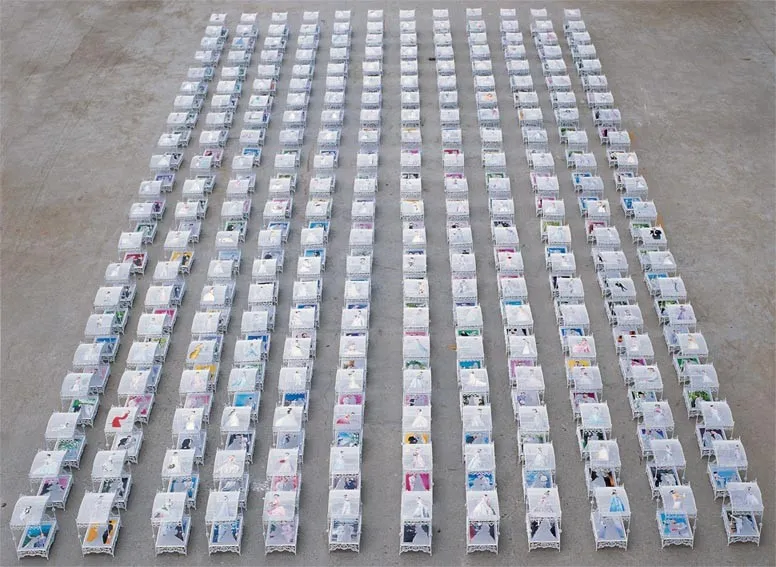
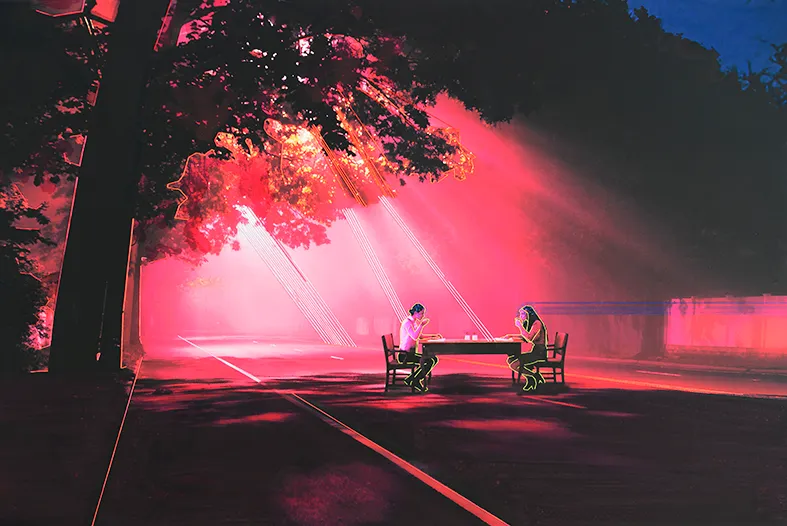
What is a defining moment in your life that quietly changed the direction of who you are today?
It was the decision to live with extreme restraint and radical simplicity. That form of self-limitation has shaped not only how I live, but how I think and work. It remains the most consequential decision I have made.
Many of your conceptual visual artworks explore social and personal identity in modern society. How do you balance autobiography with universal themes?
I am not interested in autobiographical expression. I am interested in how narratives are produced, circulated, edited, and how they gain an unstable form of authority through suspicious repetition.
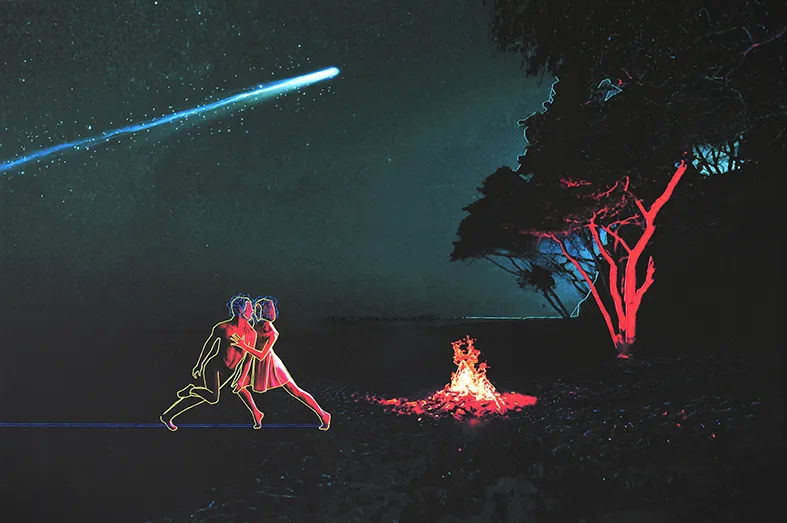
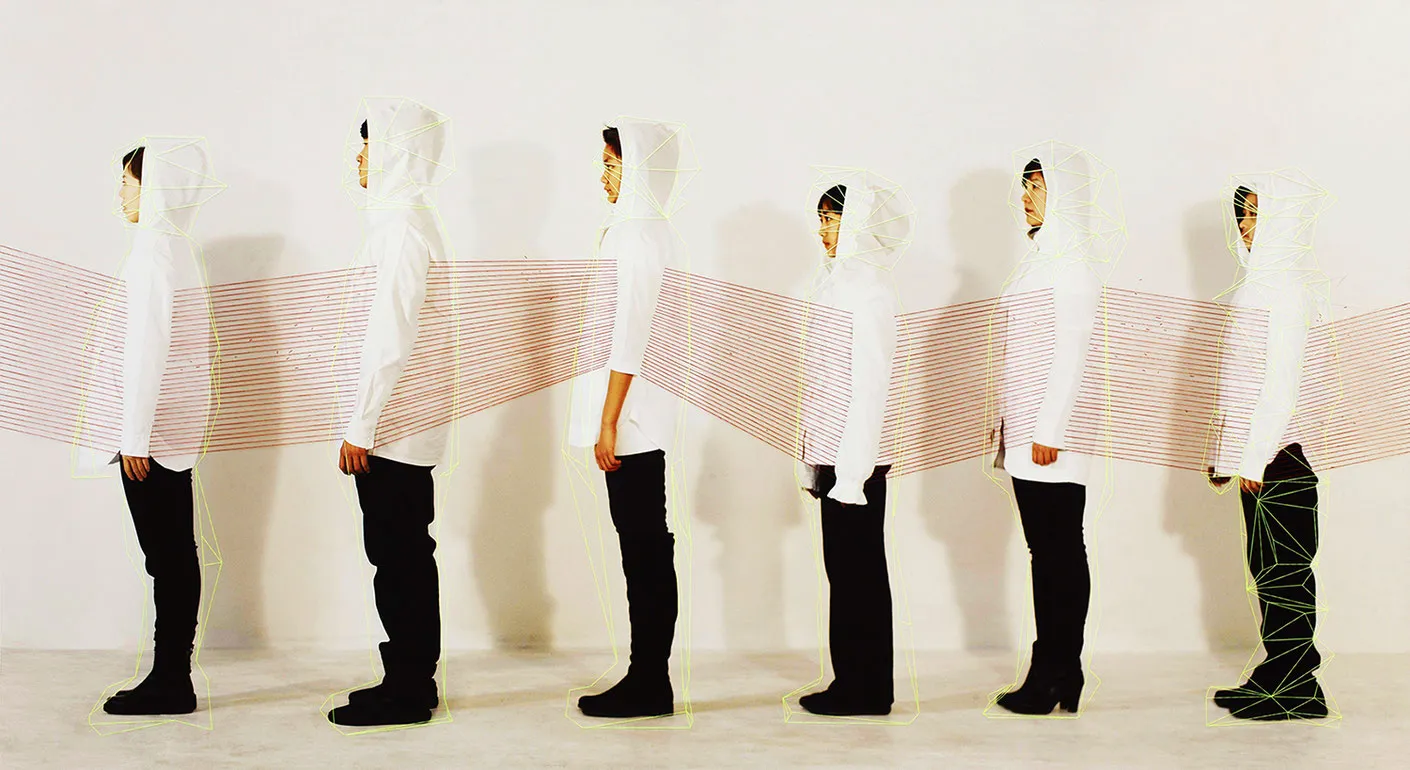
.
Having lived and worked between many Western and Eastern cities, how has your gaze forced you to redefine what “authenticity” means in your work?
I believe authenticity is a temporary condition. It is continuously rewritten as it moves through different contexts.
In your work Public Memory (2015), you explored how memories can be manipulated or even manufactured by society. If memories are constructed by external forces, do we own our pasts, or are we curators of a shared fiction?
Memory is not equivalent to the past. It is the most unreliable form of narrative. People use memory to edit history.
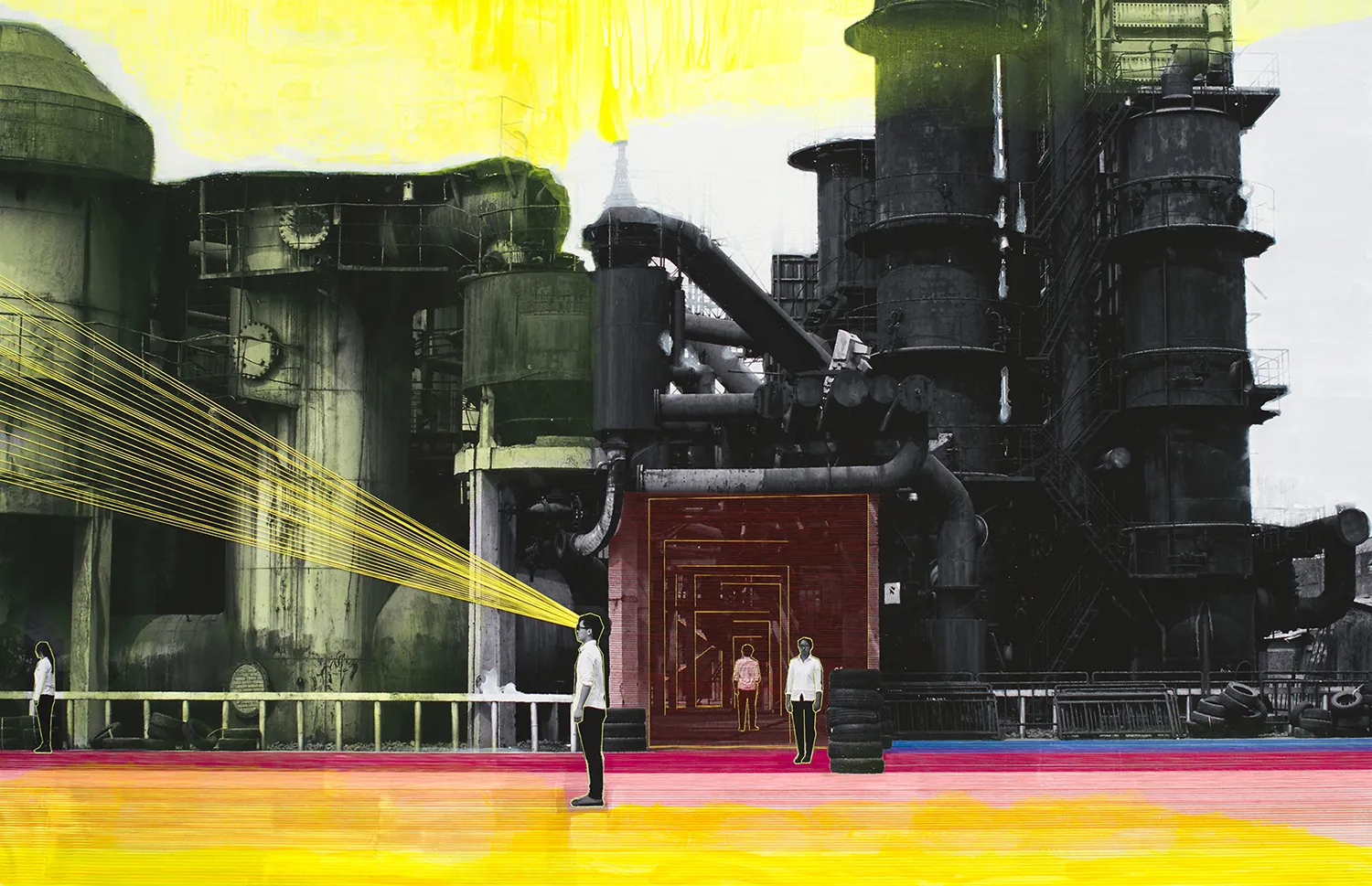
Her artwork spans installation, video, sound, animation, light, performance, sculpture, painting, drawing, coding, mixed media, and photography.
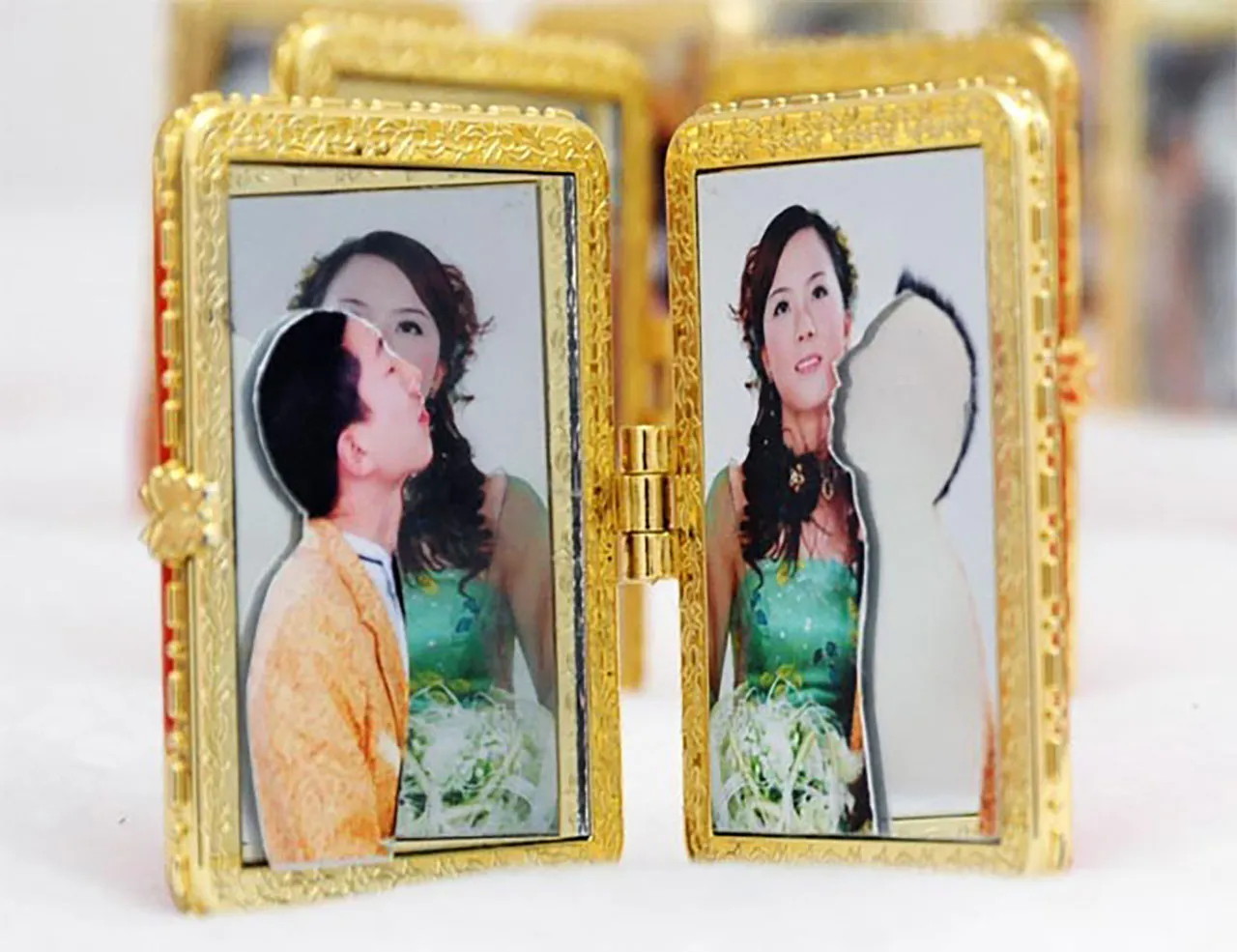
Much of your artwork critiques the homogenization of people within economic systems. How can individuals gain true visibility without becoming commodities?
There is no longer any visibility that has not been contaminated.
In your series dealing with the “mental orphans” of the new generation, what do you believe women in the arts have to give to an increasingly digital and disconnected society?
Compassion.
Can you share a meaningful story from the backstage of your art projects?
I no longer deliberately distinguish between what is life and what is art.
As we enter an era of AI-generated imagery where truth is harder to define, do you think the tactile, physical labor in your work gains new meaning?
The determination of meaning does not rely on materiality or the body. It happens through judgment, choice, and restraint.
In what ways are women still constrained by antiquated ideas that need to be dismantled? How have expectations of success in the arts changed?
Sexual implication. Soft power.
As we mark International Women’s Day, how has your professional journey shaped your understanding of women’s empowerment, and what responsibility does your work carry in advancing opportunities for other women?
I do not emphasize female identity. I do not emphasize any gender. I emphasize conditions.
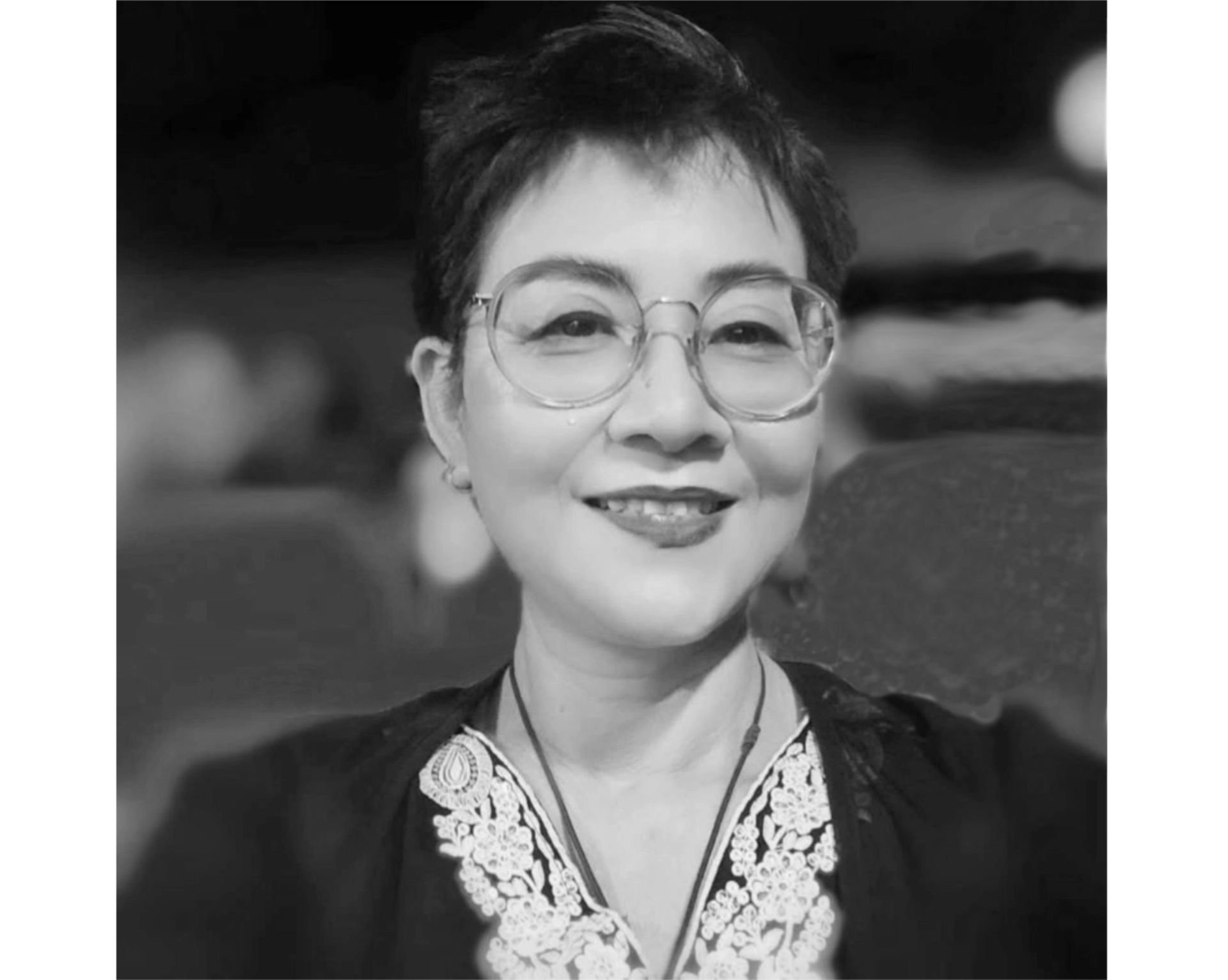
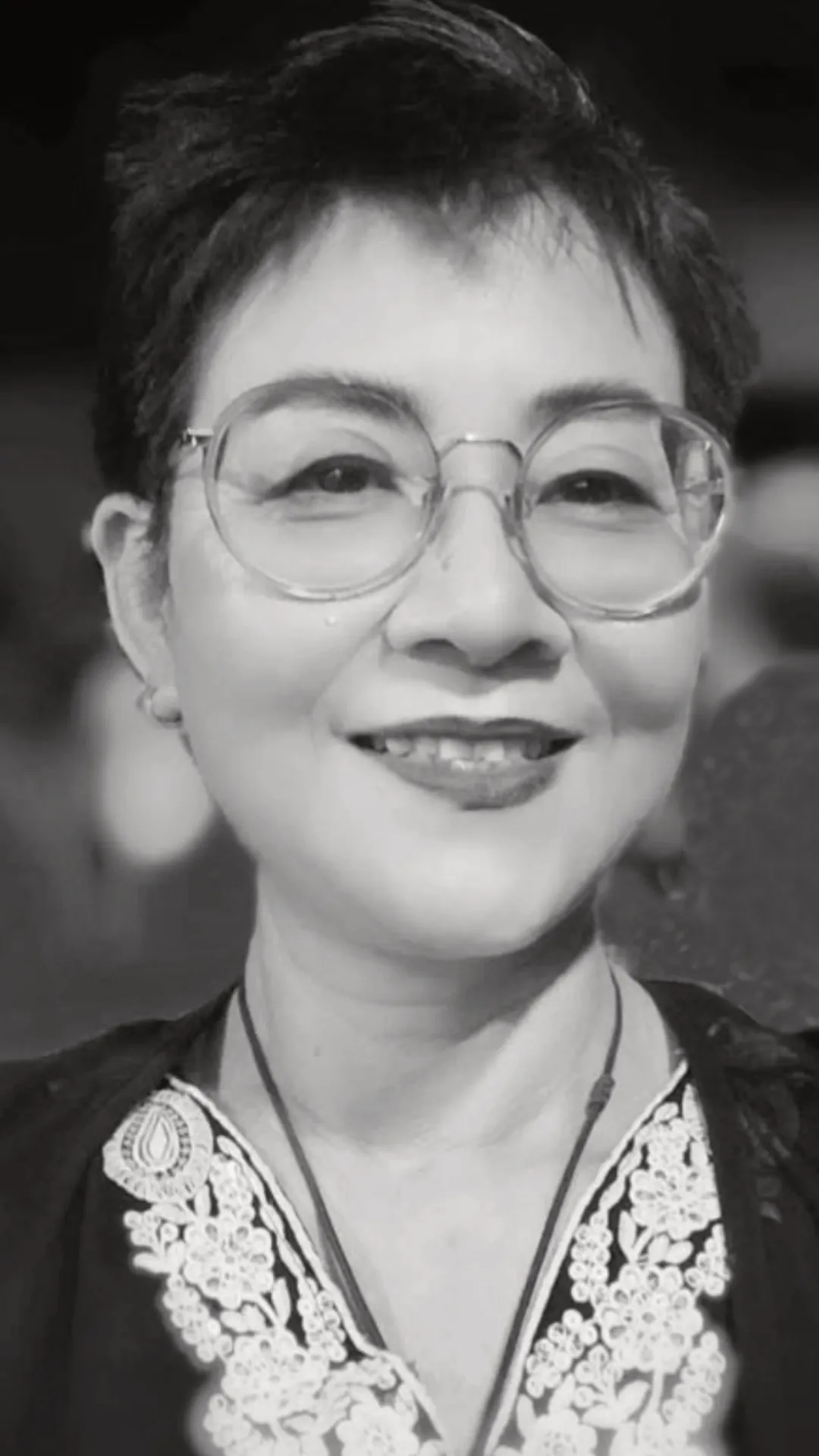
Featured image: © Christine Chen
Christine Chen
Dr. Christine Chen (Hon.) is a transpacific poet, translator, and editor, and scholar whose work interrogates language, power, and the politics of embodiment. Her writing is known for its experimentation, intellectual intensity, and refusal of easy resolution. Through fragmented syntax and charged lyricism, she explores gender, labor, and the conditions of visibility. Her artwork insists on the complexity of women’s lives beyond celebration or cliché. Her poetry confronts systems of power while holding space for ambiguity, rage, vulnerability, and resistance. Her writing contributes significantly to contemporary conversations since her poetry is formally innovative.Through rigorous language and bold choices, Chen asks what it means to inhabit a body shaped by history—and how poetry might reclaim agency within that terrain. Her writing often dances between languages, geographies, and the visceral sensations of the body, since she requires a delicate balance between exploring the technical craft of her verse and the cultural/personal identity that informs it. She won the 30th Italian Ossi di Seppia Award for Best Foreign Writer (2023) and was named Outstanding Poet at the 2025 Sydney International Poetry Festival. Her work has been translated into more than twenty languages and is held in major international collections. For four consecutive years, her poems have appeared in ‘Chinese Language and Literature ‘(Taiwan), a respected reference publication for educators. Her latest bilingual collection, ‘Before Blossoming ‘(Chinese–Italian), was published in Italy in January 2025.; ‘Once upon a time’ was published in India 2026 February. In 2024, Chen represented Oceania at the Medellín International Poetry Festival. Since 2023, she has served as a Committee Member and Oceania Continent Coordinator of the World Poetry Movement, and she currently serves as Editor-in-Chief of the New Zealand poetry magazine Global Muse. She is currently based in New Zealand.
You are a healthcare professional, a columnist of a New Zealand newspaper and also a poet. Can you tell us more about these parallel careers? What motivated you to start writing? How do you create a balance between all of them?
I have always believed that writing and professional work are not separate realms, but two parallel rivers that nourish one another. As a healthcare professional, witnessing birth, aging, illness, and death on a daily basis—moving between hospital wards and operating theatres—I confront both the fragility and the dignity of life. These first-hand experiences have given me a deeper and more authentic understanding of human existence. They allow my writing to carry an innate sense of compassion and warmth. It is not born of imagination alone, but grows out of real breaths and heartbeats. In the beginning, writing was simply an impulsive, almost casual act—like speaking to myself, except that the whispers of the heart were placed onto paper. Yet through continuous recording and reflection, I gradually realized that writing was more than emotional release; it had become a conscious aesthetic practice and an exploration. Words began to assume a deeper responsibility: to question, to deconstruct, and to rebuild. Life itself is a long journey of exploration and healing. The gains, losses, and wounds of youth may seem gently wrapped by time, yet they are not always truly healed. To me, the pen is like a surgical scalpel—it reopens wounds that were merely given first aid and performs a complete, lucid operation. The difference is that this surgery is not upon the body, but upon the mind, the spirit, and the emotional self. As a healthcare professional, I practice compassion; as a writer, I become my own doctor. Now, I am gradually stepping away from full-time work, allowing myself more time to travel and to write. In movement and in words, I continue to observe, to reflect, and to heal—healing others, and healing myself.
When did you understand your passion for poetry? Who influenced you as a person and poet? Which poets or thinkers have shaped your writing approach?
I was born in an ancient city in southern China—a place where one of China’s greatest poets, Su Shi (Su Dongpo), was once exiled. For over a thousand years, a living literary tradition has flowed through that city. Poetry was never distant or elitist; even ordinary people—young and old—were familiar with classical verses. It was something woven into daily life. At the age of three, I was required to recite classical poems before the clan elder. During the Lunar New Year, under my mother’s guidance, I would read the couplets pasted on doors throughout the city streets, studying their rhythm, imagery, and subtle artistry. Poetry, therefore, was never something I “discovered”—it was already in my bones. Reading and chanting verses felt as natural as eating and drinking. It was not until university, when I moved to the provincial capital, that I encountered modern Chinese poetry and Western poets in a systematic way. I still vividly remember the sonnets of Elizabeth Barrett Browning. The passion and direct emotional intensity of Western poetry stood in striking contrast to the restraint and subtlety of Eastern traditions. This contrast broadened my understanding of what poetry could be. Motivated by this awakening, I returned to the classics with renewed attention—from China’s earliest anthology, the Book of Songs, to the lyrical beauty of Buddhist scriptures such as the Śūraṅgama Sūtra. Beyond their aesthetic elegance, I was deeply moved by their profound inquiries into life, the universe, and human existence. Later, I immersed myself in Western intellectual history, especially the Renaissance and its philosophical and religious developments. Bertrand Russell’s A History of Western Philosophy left a lasting impression on me, while Yuval Noah Harari’s Sapiens: A Brief History of Humankind led me into deep reflection on civilization and the destiny of humankind. I have also long cherished the works of the Indian poet Rabindranath Tagore, especially Stray Birds, as well as the luminous prose poems of Khalil Gibran. All these diverse and layered readings gradually converged into a personal philosophy of life and the cosmos. They do not exist separately in my mind; rather, they permeate my poetry organically. My writing has thus become a natural expression of the ongoing dialogue between thought, emotion, and spirit.
When you’re drafting, do you begin with sound, image, concept, or something less definable? What are your sources of inspiration?
In my early years, my writing was often inspired by songs—by beautiful melodies and moving lyrics that quietly guided the flow of emotion and allowed words to grow naturally. Later, my inspiration gradually shifted toward painting and photography. The interplay of light and shadow, composition, and the frozen beauty of a captured moment taught me to construct my lines with a stronger visual sensibility. Today, however, the deepest impulses behind my work come from sustained and extensive reading. Many poems are not born at the very moment of reading; rather, they emerge after long periods of observation and contemplation in daily life. Then, a particular word or image in someone else’s poem acts like a medicinal catalyst, suddenly opening the floodgates of thought and feeling. In that instant, experiences long dormant are ignited, and language begins to flow. Beyond sound, text, and imagery, my greatest source of inspiration remains nature. Living in New Zealand—a land that feels almost like a human sanctuary, with its clear blue skies, drifting white clouds, and gentle, unpretentious people—I have come to re-examine the relationship between humanity and the cosmos. My poetry has gradually moved toward what Eastern philosophy describes as the unity of heaven and humankind. More precisely, that is the spiritual realm I continue to strive for and seek to approach.
Has anger ever acted as a creative unexpected force, transforming into a piece of writing that went beyond the initial negative feeling?
Yes, anger has indeed acted as an unexpected creative force in my writing. But I have learned not to write at the very peak of it. Instead, I allow it to wander for a while—like a pot of boiling soup that must cool slightly before its true flavour can be tasted. This interval is essentially a process of reflection and sedimentation, a movement from surface reaction to deeper inquiry. In Buddhist thought, there is the principle of cause and effect: anger is the “effect,” and we must search for the “cause.” Only when the emotion has been gently set down can we move beyond its intensity and perceive the underlying reasons and structures beneath it. The shockwave produced by anger can indeed carry the force of thunder and lightning. It can split open numbness, awaken dormant thought, and even bring about a kind of primordial awakening. When tempered and transformed, this energy ceases to be merely negative emotion; it becomes one of the driving forces of writing—a catalyst for self-examination and spiritual breakthrough.

"To me, the pen is like a surgical scalpel—it reopens wounds that were merely given first aid and performs a complete, lucid operation. The difference is that this surgery is not upon the body, but upon the mind, the spirit, and the emotional self."
Do you have a paper notebook where you track inspiration, and collect ideas for future creations or have messy paper? Are you still analogue in a digital era?
I do keep the habit of writing with pen and paper, though I do not carry them with me everywhere. Instead, they are placed in my dedicated meditation space. Over the past decade, I have meditated almost every day in the sauna. It is a moment of seclusion from the outside world, and a meeting point with my inner self. Inspiration often knocks most gently in those quiet hours, and I quickly jot down whatever flashes into my mind—sometimes just a single word, an unfinished line of poetry, or an image not yet fully formed. Later, I return to my computer or phone to develop those scattered sparks into complete works. For me, writing is both traditional and modern. I cherish the tactile warmth of pen and paper, while also embracing the convenience and efficiency of the digital age. In a sense, I am a writer who walks between two temporal worlds—allowing ancient modes of contemplation to merge with contemporary technological tools.
Could you please share a behind-the-scenes story that inspired you to write a poem that is particularly special and holds a meaningful feeling for you?
Land of the White Cloud is a poem that weaves together the history and present reality of New Zealand. From the earliest Māori who first settled and rooted themselves here, to the European arrivals who followed, and now to waves of new immigrants bringing capital and development plans—this land has been continuously redefined and rewritten through the passage of time. Each day I live beneath blue skies and drifting white clouds, surrounded by birds and forest. Such vastness and purity naturally evoke reverence and love. Yet it is precisely because I love this land that I feel a quiet unease at the ever-rising and expanding urban skyline. I understand that industrialization and commercialization are forces difficult to resist; they are part of history’s tide. But when I witness patches of green gradually swallowed by concrete and housing, I cannot help feeling a deep ache. One day, a hedgehog that had visited my backyard almost daily was accidentally run over by my car. I stood there for a long time, realizing that perhaps no second hedgehog would ever come to wander across that patch of grass again. It was not merely an accident; it felt like a metaphor—an emblem of the growing distance between humanity and nature. I know that this destiny will eventually reach every land, including this place once called the “Land of the White Cloud.” That small hedgehog became the heaviest, and most truthful, point of departure for the poem.
In your poem "Light", you write about "straight lines and cross-sections." Do you believe poetry should be a "cross-sections" that speaks with the "straight lines" of injustice, walking into the path of human emotion that comes up against systemic struggle?
Every poet develops a distinctive voice shaped by their reading, intellectual formation, and way of thinking. My university training was in the sciences, and that background has quietly influenced how I observe the world—through structure, analysis, and dissection. As a result, in my writing I often gravitate toward an almost three-dimensional, geometric mode of expression, layering and cross-sectioning ideas to reveal their internal framework. I believe this “anatomical” approach allows for greater precision—like a surgical scalpel, calm yet incisive, cutting through surfaces to uncover what lies beneath. It is not an exhibition of rationality for its own sake, but an effort to move closer to truth. When confronting injustice or systemic oppression, I prefer this straight-line force—striking at critical points, neither evasive nor decorative, but facing the rawness of lived reality. To me, poetry can be both a gentle consolation and a sharp incision. And when reality demands illumination, I am willing to let language become that clear and exacting light.
In your “Rebirth Trilogy”, you describe a woman becoming “the core of everything” through acts like watering flowers, doing laundry, and cooking.
In Buddhist teaching, even washing clothes and cooking are forms of spiritual practice. I have always believed that poetry arises from life, yet also transcends it. Only those who live attentively and wholeheartedly can truly be called practitioners—awakened individuals. All things possess spirit. When we cherish the grass and trees around us, when we care about a simple meal or a humble dish, we are in fact entering into an authentic relationship with the world. In such moments, our eyes, ears, nose, tongue, body, and mind are fully awake, fully alive in awareness. Life itself already carries a poetic radiance. To me, poetry is not something artificially constructed; it is simply a record of this awakened state—a testimony to the sacredness and wholeness embedded within ordinary daily life.
You are clearly sharing about a love freely given. How do we challenge a patriarchal system that disguises devotion as duty, making a woman who loves appear enslaved, while convincing the enslaved woman that she is freely choosing her role?
The ideology of male superiority has endured for thousands of years, yet women’s awakening is an ongoing mission just as enduring. Real change begins with women’s own consciousness; and consciousness requires living, tangible role models. I was fortunate that my mother was such a presence in my life. In the 1950s, within a relatively closed society, she was among the few women able to receive higher education. For her outstanding contributions to China’s cement industry, she was honored as a “National Outstanding Woman” by the All-China Women’s Federation. In my memory, she both washed clothes, cooked, embroidered, and cared for the family—and was also an accomplished engineer. These roles never conflicted; instead, they deepened her love for both life and work. The key lies in choice. Love must arise from within, not from coercion. A woman carries her own inner clarity; external conditioning and indoctrination can never fully obscure genuine awareness. Awakening, ultimately, is the courage to acknowledge oneself and to live authentically.
Do you think poems can help as a healing, medicate and help during a period of stress? Can poems be therapeutic? How can reading poems enrich everyday life?
Poetry is a form of beauty, just like film, music, and painting—each an essential expression of the human spirit. Art is nourishment for the soul. I have seen people from all walks of life find comfort in poetry, discover insight within its lines, and release emotions that had long been suppressed. At certain moments, poetry is like a spring in the desert, quietly quenching a thirsty heart. It may not directly solve practical problems, but it offers an inner support and a source of light. For some people, poetry is more than a therapeutic tool; it is as indispensable as sunlight and air. I am one of those people.
IWD 2026 asks us to reflect not only on progress but on the persistence of structural inequality. As a poet whose work engages the voice, embodiment, and resistance, how do you see poetry functioning right now, as witness, as refusal, as solidarity, or as something else entirely? And what do you think and feel most urgently for women and marginalized people at this moment?
If we reflect on the 2026 International Women’s Day theme—acknowledging both progress and the persistence of structural inequality—I would say that poetry, at this moment, is first and foremost a form of witnessing. In an age of information overload and short memory, poetry allows individual experience to be seen and preserved. It gives shape to lives that are drowned in statistics and enables the silenced to speak. It records how bodies are disciplined, and how they rise again. To witness, in itself, is an act of resistance. Secondly, poetry is a refusal. A refusal to be simplified, to be defined, to be consumed. Through the precision and singularity of language, it challenges the dominant narratives produced by structural inequality. When institutions use grand rhetoric to obscure individual wounds, poetry opens fissures—through detail, through breath, through the raw texture of lived pain. At the same time, poetry is solidarity. It may not always shout, yet it creates quiet and profound resonance between readers. When one woman, late at night, reads another woman’s poem and realizes, “I am not alone,” isolation is broken. Poetry builds emotional communities, and such communities are fertile ground for resisting structural oppression. But poetry is not merely a tool or a stance. It is also a practice of consciousness. When we learn to speak of ourselves with greater precision and honesty, we begin to reconstruct our subjectivity. For women and marginalized people, the most essential task is not simply to be empowered, but to reaffirm: Who am I? How do I name myself? What I feel most urgently at this moment is this: May women no longer be forced to choose between devotion and selfhood. May the marginalized not have to exchange silence for safety. True progress is not symbolic inclusion, but structural transformation; not merely the permission to speak, but the willingness to listen to voices that systems have long ignored. And poetry, perhaps, continues to shine through these small yet steadfast voices. Finally, I hope to see more awakened women speaking out, because the power of example is immeasurable. May our daughters and granddaughters grow up with more mothers who dare to stand up and speak.


Featured image
Yishan Li
Yishan Li is a professional comics, manhua artist and illustrator global trailblazer. Her artworks bridge Eastern and Western traditions. She is well known for her elegant linework, expressive characters, and richly atmospheric compositions, that emotional nuance and cinematic energy to every project. Her portfolio is as diverse as it is prestigious, including work on iconic franchises like Buffy the Vampire Slayer, Batwoman, Hellboy, and Lady Death, alongside her own original graphic novels. She has built a distinctive career illustrating manga adaptations of classic literature, original graphic narratives, and fantasy-inspired commissions. For twenty years, Yishan Li has been a visual revolutionary with unique cultural, and technical nuances. From the bustling studios in China to the publishing houses of Paris and these in the United States, she has navigated the world of comics with a sharp pen and an even sharper professional resolve. She has been working with publishers such as Top Cow, DC, Darkhorse, Random house, Titan comics, Delcourt and Dargaud. Her career bridges the gap between Eastern and Western markets. Through her artwork, Yishan Li continues to expand the possibilities of cross-cultural comics storytelling, inspiring readers and aspiring artists alike with her dedication to craft and visual narrative. The rise of the female gaze in manga is reflected in Yishan Li’s artwork, highlighting the cultural shifts behind it and suggesting that the future of comics will be more diverse than ever. She constantly participates in a variety of comic events and has more than 50 books published worldwide also didactic to learn direct creative drawing techniques. Yishan Li was hired by Lexus UK in 2019 to provide manga-style artwork that highlighted the company's "latest and most important cars." In 2020, Yishan Li drew a comic novel about a young goth girl named Mary, the supposed descendent of Frankenstein author Mary Shelley. The comic was chosen by the American Library Association as one of the Great Graphic Novels for Teens of 2021. Whether she is illustrating supernatural hunters or teaching the next generation of girls how to sketch their first heroines, her work emphasizes that a woman’s perspective is not a 'sub-genre'—it is a global force. She is currently living in Shanghai.
Have you always been clear about your career in the comics field since your childhood? Who were your early artistic inspirations? What pushed you to follow this path?
Not at all — if you’d asked childhood me about my future, “comic artist” definitely wasn’t on the list. I was on a very sensible path. I studied Sociology first, then completed a Master’s in Business, fully expecting to build a conventional career — something stable, probably involving meetings and spreadsheets. But I’ve loved drawing for as long as I can remember. In high school, I was already taking on comic freelance work whenever I had time. It was very much part-time, but some of it was published — which, looking back, feels like a pretty obvious sign. I also grew up reading a lot of Japanese manga, and my absolute favourite was Ōke no Monshō. I was completely immersed in that world — the drama, the historical setting, the emotional intensity. I didn’t realise it then, but those stories shaped my imagination in a huge way. So comics wasn’t the official plan — but it was always quietly running in the background. After finishing my master’s, I realised storytelling was the only path that truly excited me. Choosing it wasn’t accidental; it was intentional. And that makes the commitment even stronger.
Your artwork blends traditional manga aesthetics with Western fantasy illustration. How do cultural differences influence the way romance and fantasy are depicted in your artwork?
I grew up reading manga, so my instinctive way of storytelling naturally leans toward that tradition — especially in how emotions and relationships are portrayed. Manga tends to linger on feelings, atmosphere, and character moments, which really shaped how I approach romance and emotional pacing. As I got older and became more exposed to Western comics and fantasy illustration, I started to appreciate a different kind of storytelling — one that values clarity, structure, and efficiency. Western comics often communicate ideas very directly, and that influenced how I construct scenes and move a story forward. So my work has become a blend of both. The emotional sensitivity and romantic tension come from my manga roots, while the visual storytelling and world-building are informed by Western fantasy traditions. I think that cultural mix allows me to tell stories that feel both intimate and expansive at the same time.
She has contributed to several books and publishing projects all around the world with a style that combines Western artistic inspirations with traditional manga aesthetics.
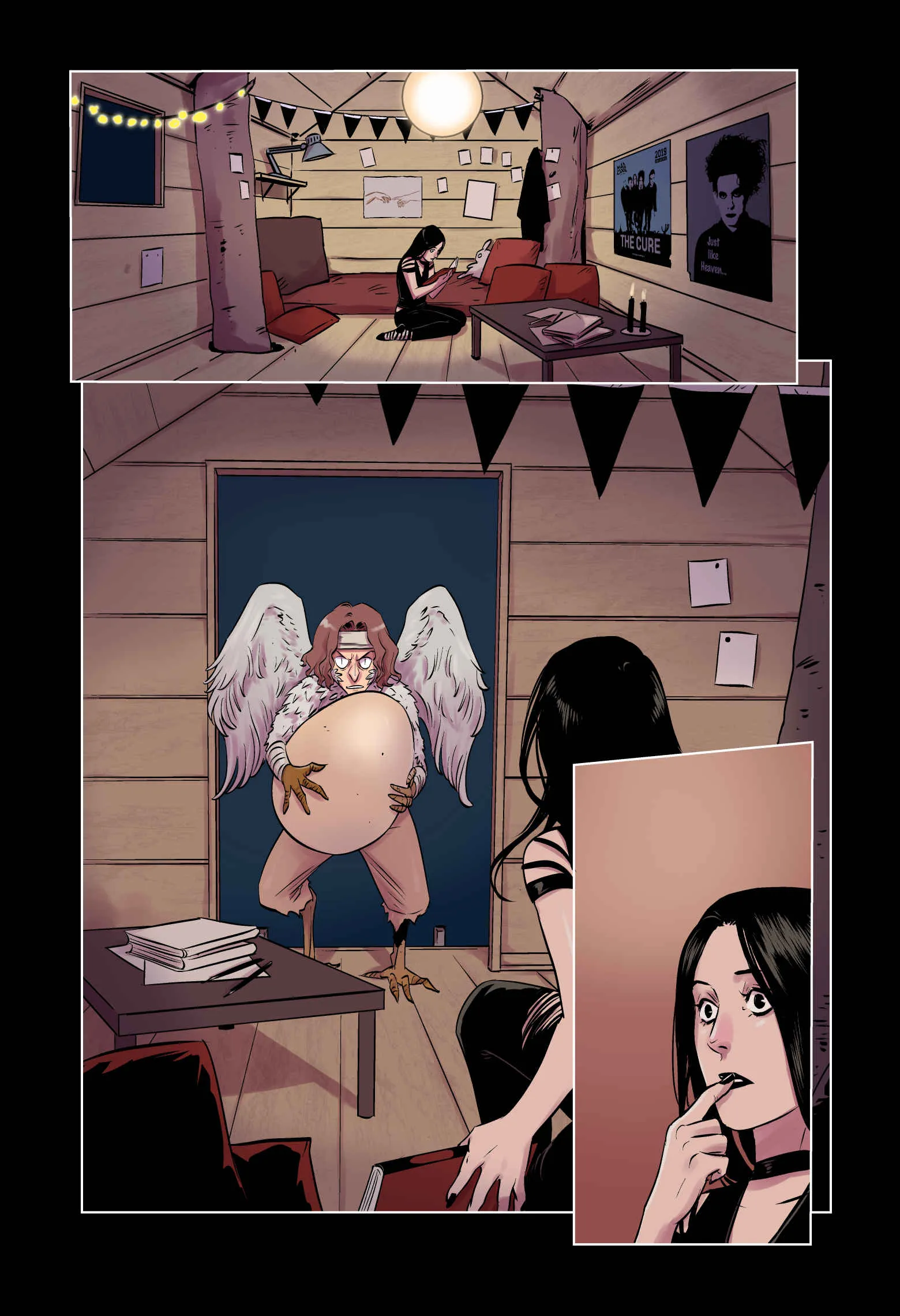
When you begin a new project, do you start with character emotion, composition, or world-building? What anchors your process?
I usually begin with character design, along with a rough sense of the world they inhabit. Characters are my anchor — once I understand who they are and the emotional tone they carry, it becomes much easier to shape everything else visually. In many projects, the writer already knows where the story is going, but as the artist, I’m often introduced to it piece by piece. At the beginning, I might understand the characters and the overall mood, but I don’t always see how every plot element connects yet. Part of my process is gradually discovering those links through drawing each chapter or scene. That sense of unfolding actually helps me stay emotionally close to the story. As the narrative reveals itself to me, I can reflect that discovery visually, allowing the characters and world to develop naturally alongside my understanding of the story.
Her artworks often explore themes of romance, resilience, and identity, portraying women with both strength and vulnerability
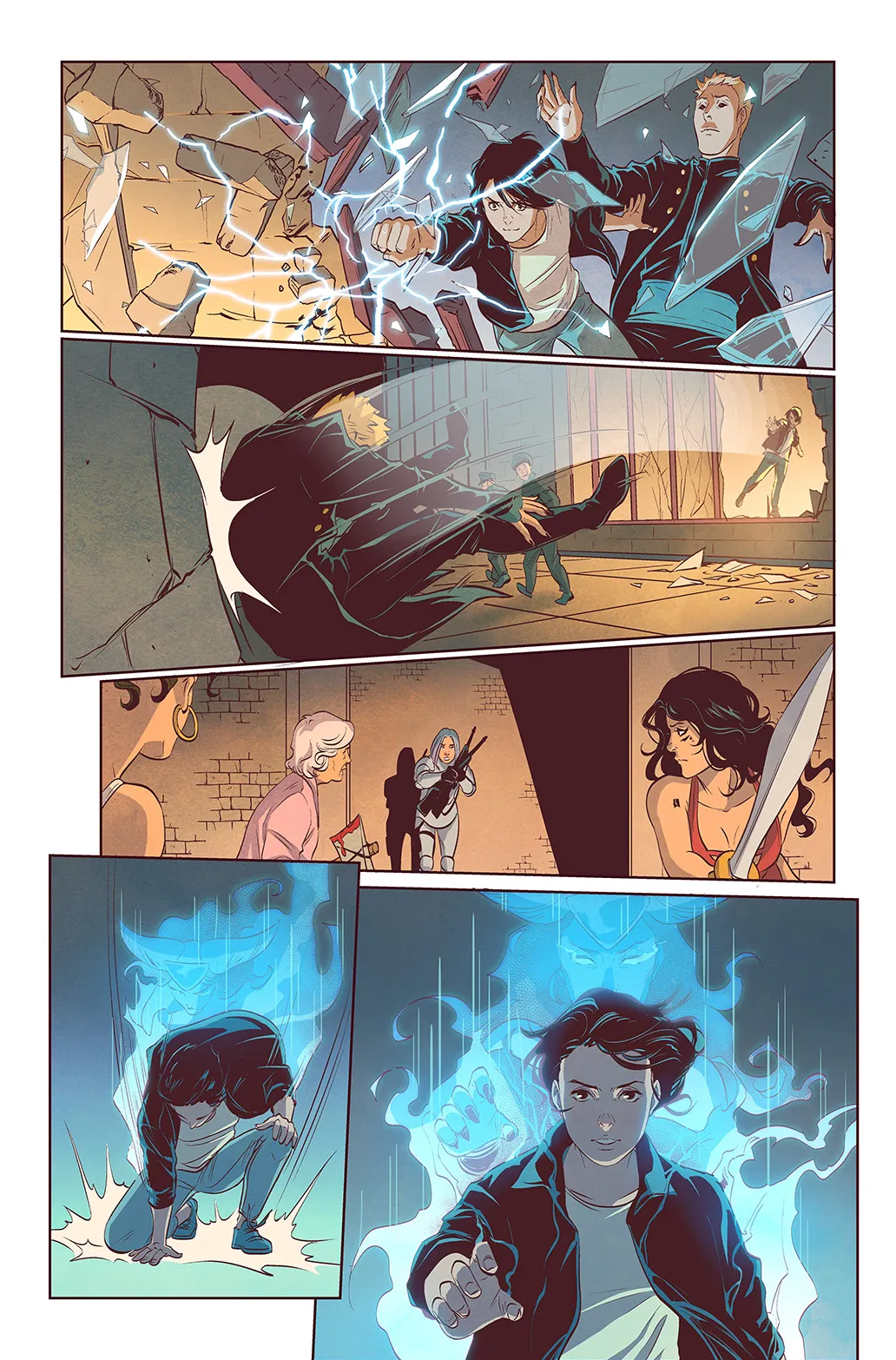
Do you feel more creative freedom when working with established literary worlds or when building your own from scratch?
Established literary worlds usually come with quite strict boundaries, especially when the material is licensed. There are existing designs, rules, and fan expectations to respect, so visually you have to stay very close to what’s already defined. Creativity still exists, but it’s more about interpretation than reinvention — you’re working within a carefully protected framework. When I’m developing a story together with a writer, though, the freedom is completely different. Sometimes the writer will only describe what generally happens across a few pages and trust me to decide how the scenes unfold visually. I can shape pacing, emotion, and even storytelling beats through the artwork, and the dialogue might be added afterwards to match what’s been drawn. Those projects feel much more exploratory. Instead of following a path, we’re building it together, and that collaborative space is where I often feel the most creatively free.
As an illustrator, you hold the 'camera.' Many of your illustrations feature strong female characters. How do you approach portraying strength without sacrificing vulnerability?
As an illustrator, I do feel like I’m holding the camera — I decide what the audience sees and how they experience a character. For me, strength and vulnerability aren’t opposites. They naturally exist together, because that’s simply how people are. As women, we’re often very familiar with navigating both at the same time, so I don’t feel the need to hide vulnerability when portraying strong female characters. In fact, showing emotion, doubt, or tenderness often makes their strength more believable. When I work on female-led stories, I tend to approach them with a certain honesty — allowing characters to be capable and resilient, but also human. To me, real strength isn’t about appearing invincible. It’s about continuing to move forward while feeling everything fully, and that balance is what I try to capture in my illustrations.
Which project felt the most personally transformative for you, and why? Can you please share the story behind it?
The most personally transformative project for me was a webtoon I worked on over the past three years, which was completed last year, called Re: Trailer Trash. The story follows an elderly woman who travels back into her teenage body and gets the chance to reshape her life and the environment around her. It’s really about second chances — what you would do differently if you could start again. Interestingly, while I was drawing the story, the character herself goes through a major physical and emotional transformation. She becomes healthier, more determined, and decides to truly take control of her life. At that time, I was also thinking about improving my own health, but like many people, I kept postponing it. Working on the comic every day changed that mindset. Her attitude — this feeling of “I’ve been given a second chance, so I’m going to do it properly this time” — started to affect me. I realised that in real life, we don’t actually get a time reset. If I wanted change, I had to start now. By the end of drawing the first season, I had lost around 15 kilograms and built a regular exercise habit. So the project didn’t just transform the character — it transformed me as well. It’s one of those rare moments where storytelling loops back and quietly changes the storyteller.
You’ve worked in UK comics, US monthlies, and French albums. You’ve built a career across China, the UK, and the broader international comics scene. How has working in different markets shaped your storytelling sensibilities?
Honestly, the biggest difference hasn’t been storytelling itself, but format. Different markets come with different page structures and pacing — some allow more space for visual storytelling, while others are much denser with dialogue. It’s also less about the country and more about the writer. Some writers leave room for the artist to shape emotion and pacing visually, while others rely more on text. Working across different markets has mainly taught me flexibility — adapting to formats and collaborations while still keeping my own visual voice.
How does your storytelling 'pacing' change when shifting between the fast-paced American style and the more decompressed European or Asian styles?
When working in faster-paced American formats, you tend to focus on key storytelling moments and make each panel deliver information efficiently. The pacing moves quickly, so clarity and impact become very important. In more decompressed European or Asian styles, you can slow things down. Each frame carries more atmosphere and background detail, allowing readers to spend more time inside the moment and notice what’s happening beyond the main action. It becomes less about rushing to the next event and more about letting the scene breathe.
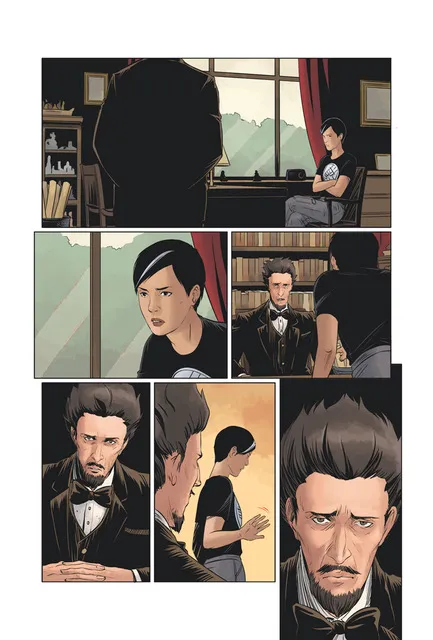
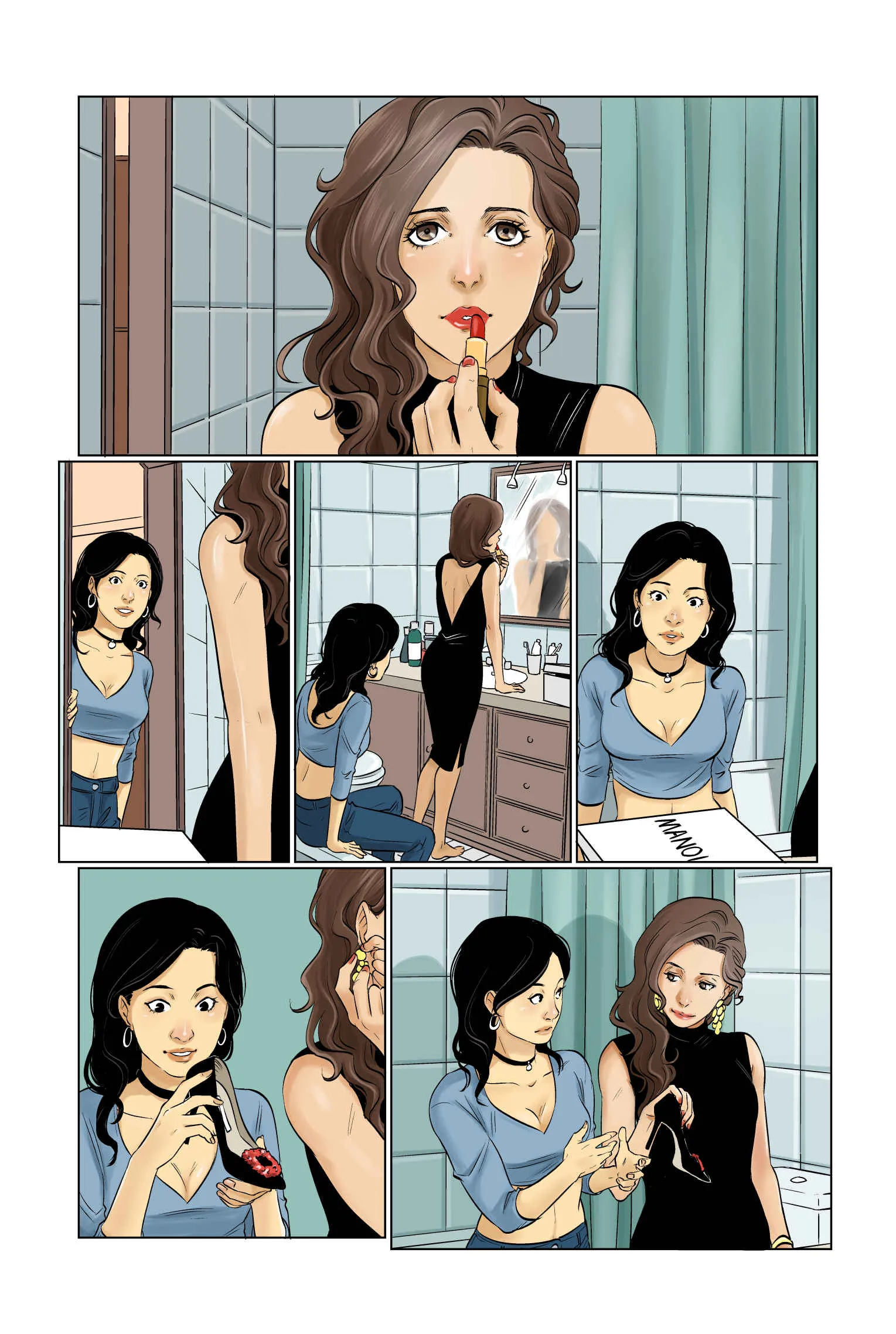
In the past, there were rigid boxes for 'women’s comics'. You’ve worked across four distinct international markets. Do you feel those walls have finally crumbled, or are female artists still fighting to be 'just artists' rather than 'female artists'? Have you noticed a difference in how female creators are supported or compensated? Who is leading the way in equity?
From my personal experience, the industry today feels quite open and progressive. I haven’t personally faced direct injustice, and one noticeable change is that many editors, decision-makers, and readers are now women as well. That naturally shifts the creative environment and the kinds of stories being supported. Historically, comics were largely shaped by a predominantly male readership, so the mainstream leaned toward traditionally masculine themes — superheroes, action, and certain visual ideals. But as readership has diversified, especially with younger female audiences entering the space, the definition of what comics can look like has expanded significantly. Because of that, I think the walls around “women’s comics” are gradually dissolving. There’s still conversation around representation and equity, but increasingly artists are being recognised for their voice and style rather than being placed into gendered categories. The growing diversity of readers and creators is really what’s driving that change forward.
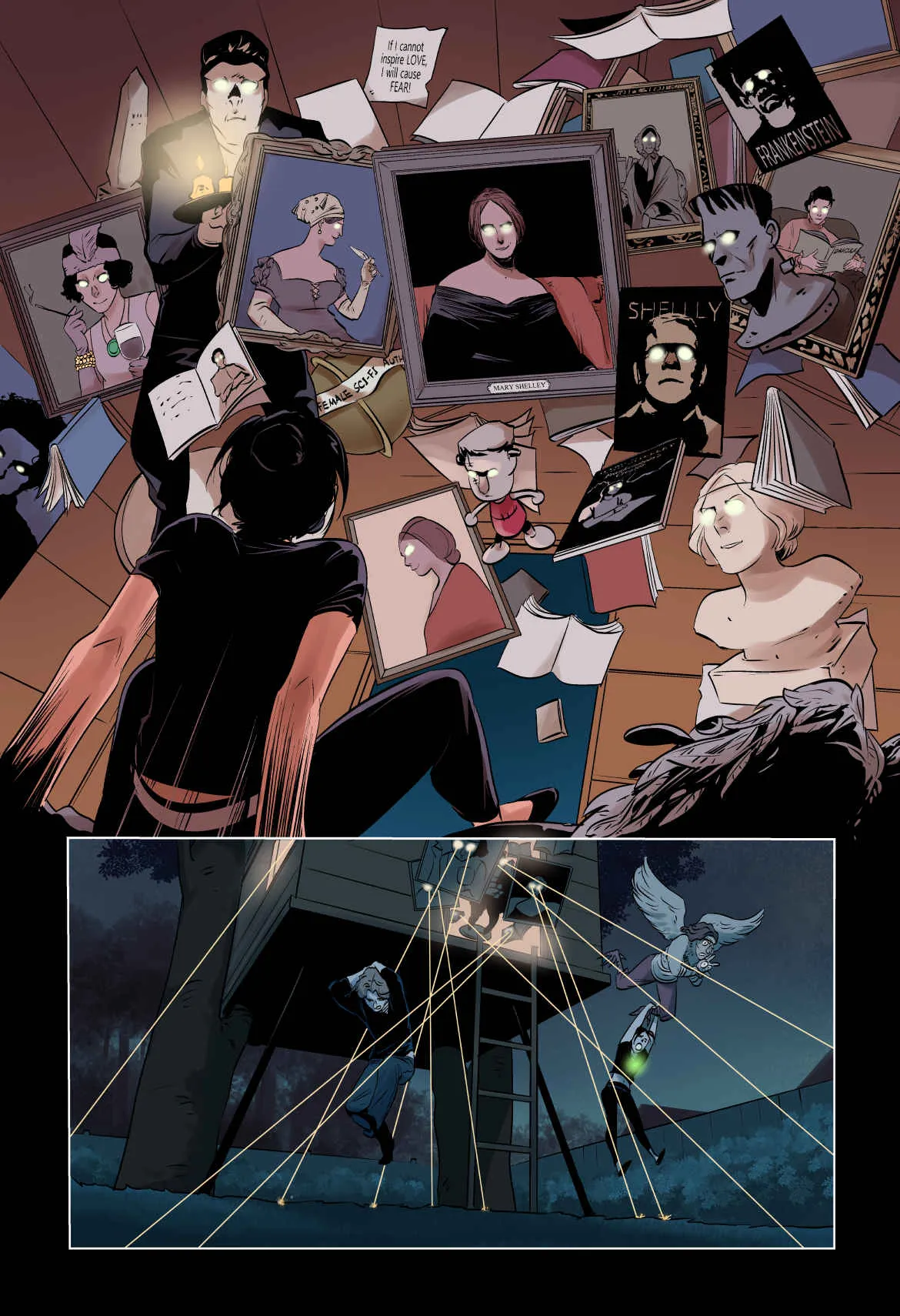
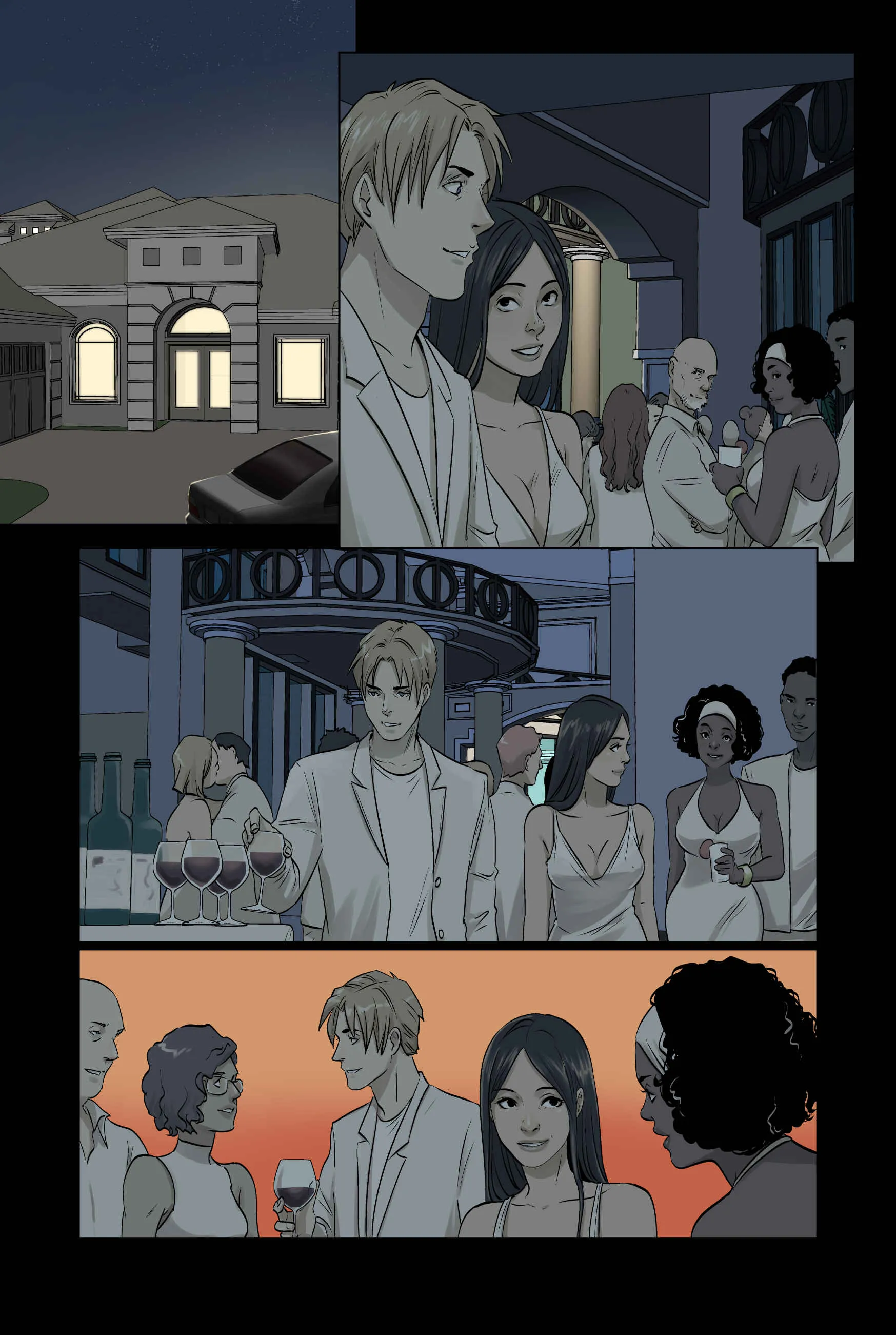
The International Women's Day 2026, focus is "Rights. Justice. Action. For ALL Women and Girls." As a highly prolific freelancer working across cultures, how do you see your role in shaping the visual representation of women in comics today, what message about women’s creativity, resilience, or leadership would you most want your art to communicate?
As an artist, I’m very aware that I help shape how women are seen on the page — not just visually, but through the roles they’re allowed to occupy in stories. Comics are an immersive medium, so the way women are portrayed can quietly influence how audiences understand strength, leadership, and identity. Through my work, I want to show that women don’t need to fit a single definition to be powerful. They can be ambitious, vulnerable, resilient, or imperfect — often all at once. Working across cultures has also taught me that there isn’t one way to represent women, and I hope my art helps broaden that space, showing women as active creators of their own stories rather than exceptions within them.
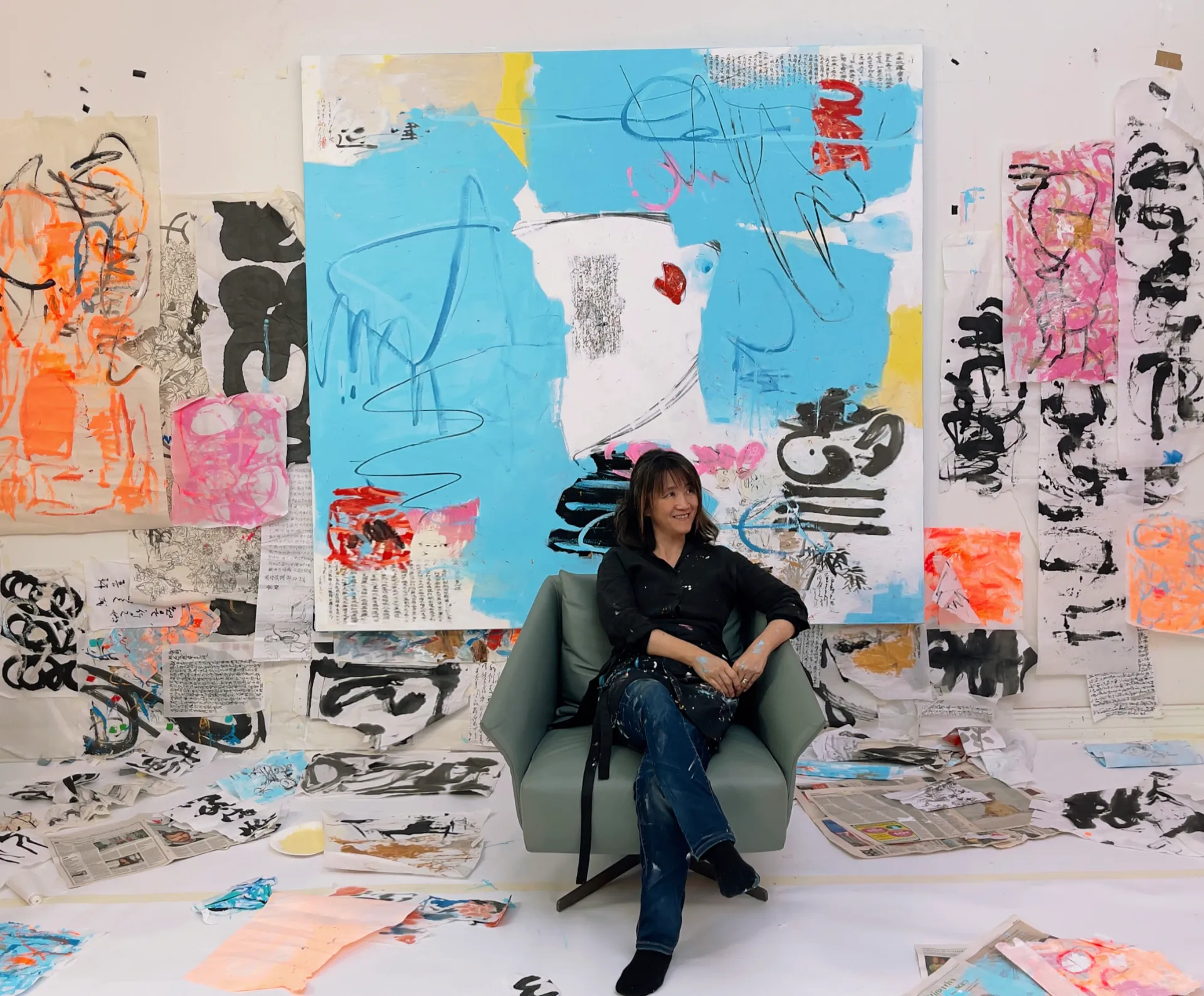
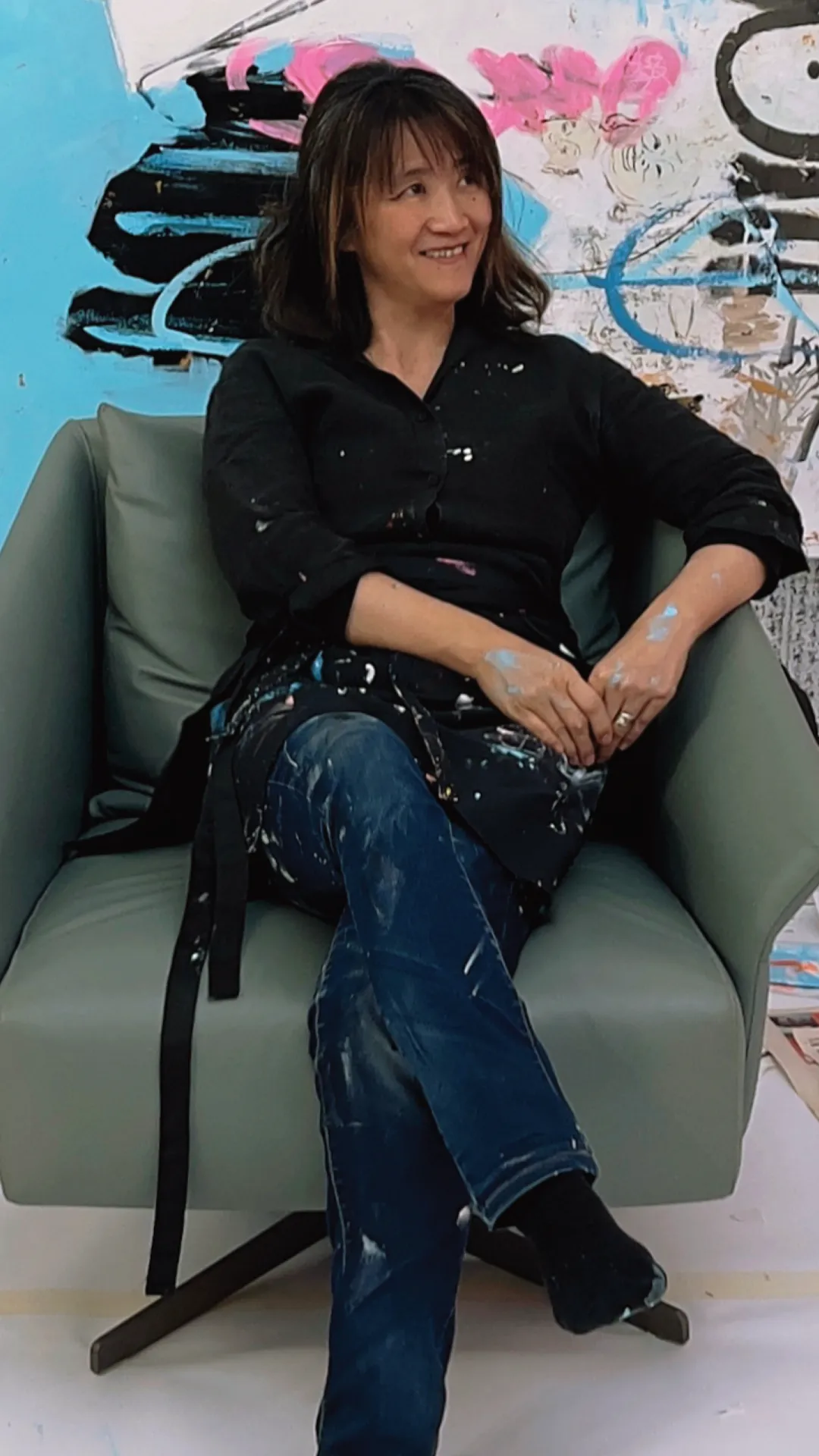
Featured image: © Canal Cheong Jagerroos
Canal Cheong Jagerroos
Canal Cheong Jagerroos (張彤茹) is a contemporary artist that works primarily in abstract painting and installations, and which body of work have been exhibited worldwide since the 1980s. She is well renowned for her personal style of multi-layered rice-paper paintings, drawings, signs, symbols, mix-media and calligraphy to depict the cumulative effects of changes with a contemporary expression, although her subsequent work is based on concept art. Her practice moves fluidly between cultures, materials, and perspectives. She attended the Guangzhou Academy of Fine Arts and took fine art studies, and also took classes in painting, Chinese painting, oil painting, contemporary art, applied art, and experimental art, among others. She completed these courses in 1989 and returned to Macau, but immediately resumed her creative studies in Hong Kong, where she spent a year studying art and graphic design at the Open University of Hong Kong. Her artwork is interwoven with old metaphoric symbols, signs, and modern sentiments. She finds inspiration in watching current societal challenges through the lens of philosophy and natural growth, as well as being true to herself and her own personal sentiments. Her art frequently combines traditional Chinese ink methods with modern abstract expressionism, creating an intriguing connection between Eastern and Western ideals. She uses a very intricate and complex constructive, deconstructive, and reconstructive method. Her pieces are designed to spark reflection rather than surface-level answers. Her practice reflects a sensitivity to context and a commitment to thoughtful inquiry, often engaging with questions of cultural memory, and visibility as an ongoing dialogue. Her recent large-scale paintings solo exhibitions 'Blue and Red Art project' and 'Floating Island' with (calligraphy) textile were displayed at Salo Art Museum, Jyväskylä Art Museum, Joensuuu Art Museum, Korundi Rovaniemi Art Museum and Xian Art Museum from 2018 to May 2020. She currently splits her time living and working between Helsinki, Shanghai, Nice, Berlin and Tokyo. She has an upcoming exhibition at Helsinki Meilahden Art Hall, which will run from 1 April to 30 August 2026.
Could you tell us what motivated you to become an artist? Have you always had a clear vision of your career from an early age? What are your best childhood memories related to art?
Creativity was a natural part of my life as I grew up in an artistic family in Macau, China. From a young age, I always knew I wanted to become an artist. Art has been my quiet language, providing me with space for calm, clarity, and reflection. As time passed, my passion deepened as I explored different mediums and discovered what truly resonated with me. Some of my most cherished childhood memories are beautifully simple: spending hours drawing with my sisters, completely losing track of time, while surrounded by the warmth and encouragement of our parents, who wholeheartedly supported my creative endeavours. The unwavering support of my family has profoundly shaped my artistic journey and the artist I am today.
You've lived across diverse cities with distinctive cultures—from Macau to Finland and beyond. Do you feel your art belongs to a specific geography, or are you intentionally creating a "third space" that exists only on the canvas?
I envision my art transcend beyond canvas; I see it as an opening invitation, a gateway to connection—a realm where inspiration can ignite, our diverse experiences are celebrated, and moments of joy and unity can flourish. Over the past 30 years, I have lived in many places I have called home — from the luminous streets of Macau to the peaceful winters of Helsinki, from the vibrant rhythms of Shanghai and Hong Kong to the subtle elegance of Strasbourg, Zurich, and Trieste, and across the vast landscapes of Africa, from sun-drenched savannas to Dakar, where the pulse of markets, music, and street life infuses every corner. Each place has left its trace on me, shaping not only who I am but the artist I have become. I continue to feel their echoes in my work—every place carries its own rhythm, its unique light, and emotional atmosphere, and these elements inevitably flow into my paintings. Living across such diverse environments has influenced me deeply, teaching me to be adaptable, open, and receptive. On the canvas, I am not trying to represent a physical location. Instead, I create an internal landscape. It is less about where I am, and more about how these places have settled within me. I do not feel that my art belongs to any single geography; rather, it exists in a space shaped by memory, transition, and the experience of moving between cultures.
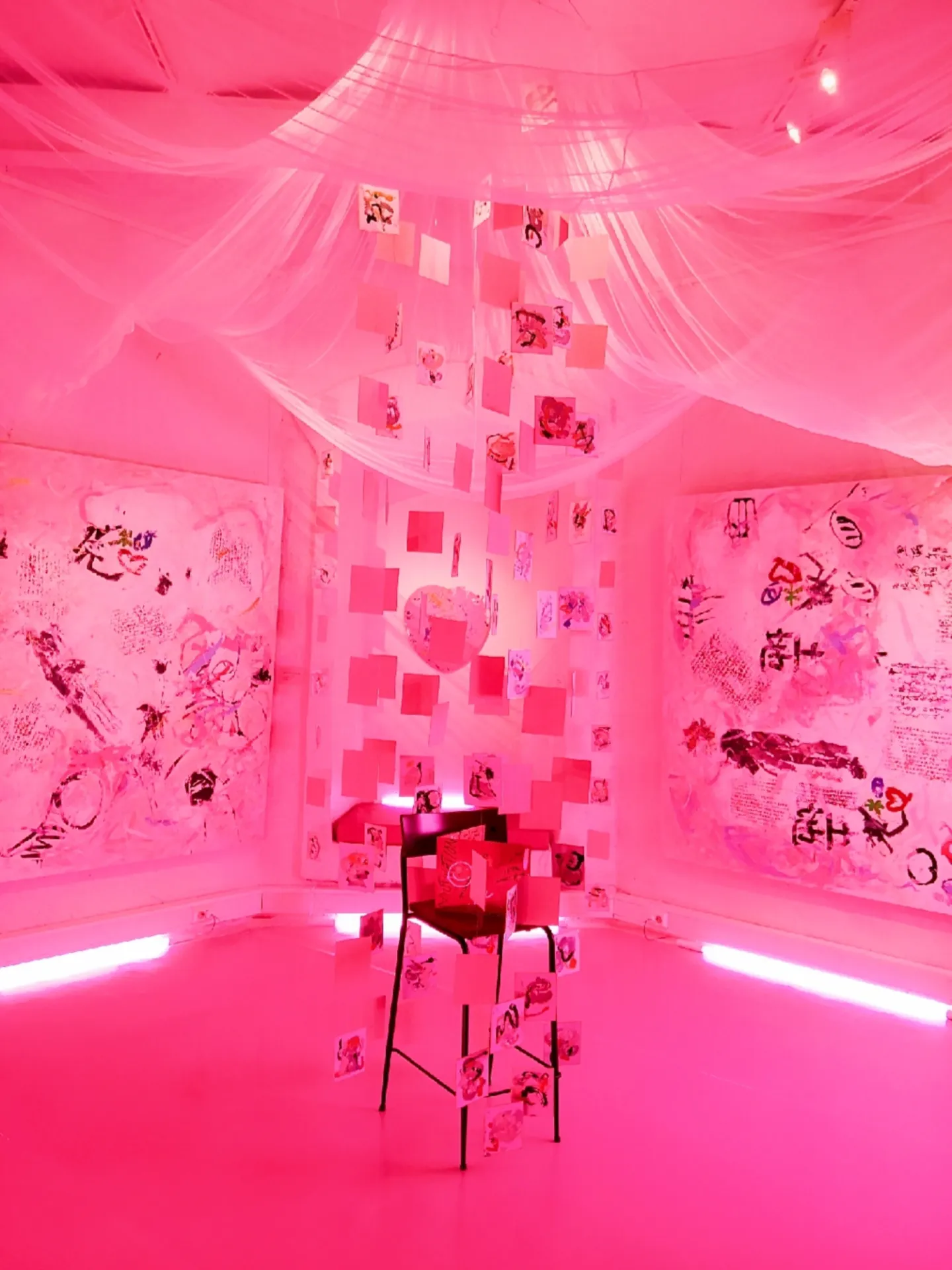
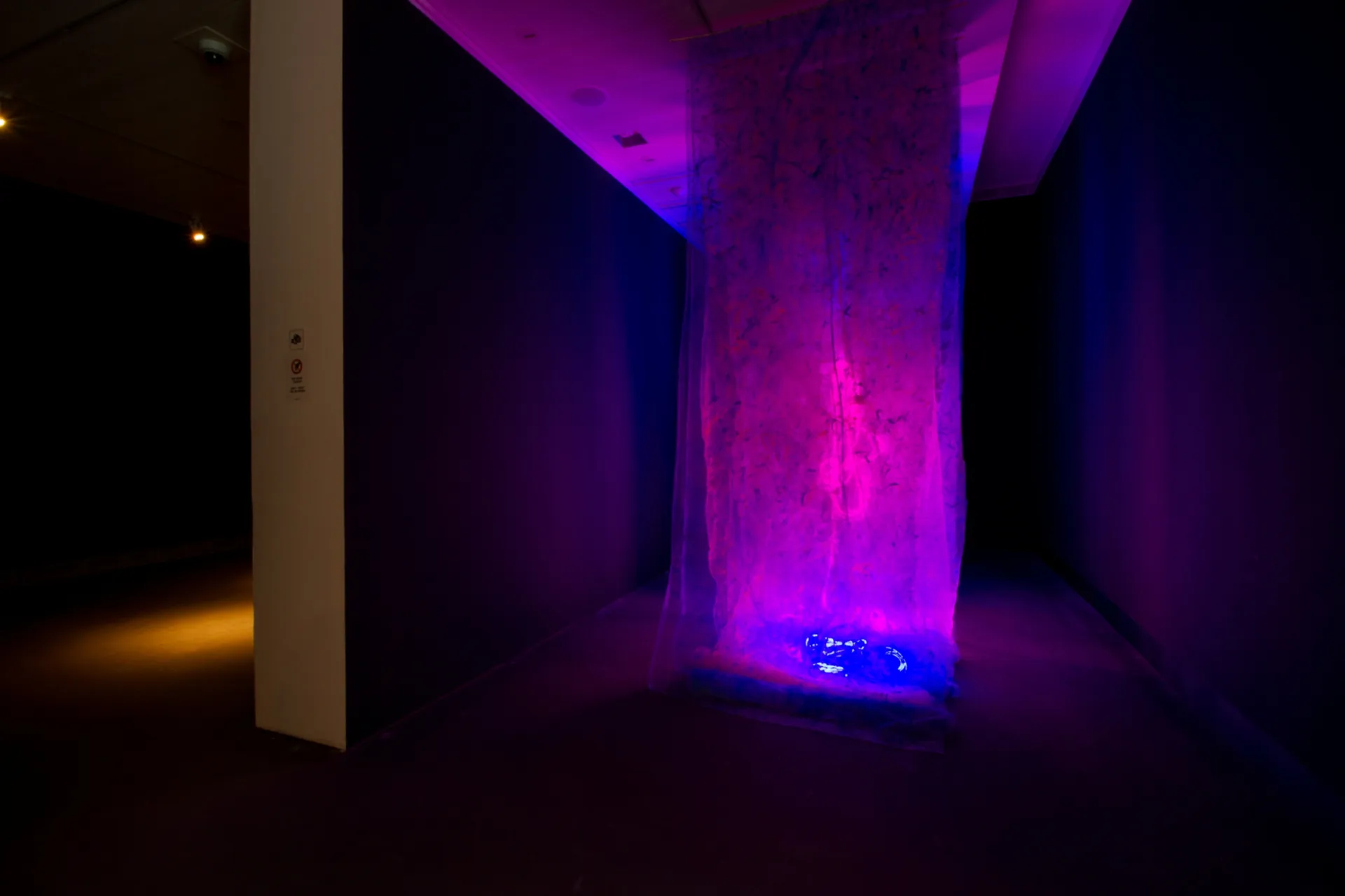
.
Has your cultural background shaped not only what you create, but how you think about creating or/and how do you organize a productive studio day?
Yes, absolutely. My cultural background has naturally shaped not only what I create, but also how I approach the act of creating. I am comfortable sitting in front of an empty canvas for hours, rather than rushing toward resolution —I embrace layers, contradictions, and the notion that a work can evolve slowly over time. For me, the day often begins quietly — revisiting what I worked on before, adjusting small details, or simply observing. Observation is an essential part of my practice; it allows the work itself to flow to the next step, letting ideas emerge spontaneously. Some days are physically active and experimental; others are slower and more contemplative. Ultimately, creating for me is less about an outcome and more about remaining present, and where ideas can surface naturally.
You create artwork with delicate materials like rice paper but in massive, layered scales. How do you balance the fragility of the medium with the physical intensity required to create such large-scale works?
Precisely I’m deeply drawn to materials like rice paper because of its fragility. They carry a sensitivity, a responsiveness to touch, moisture, and movement that feels almost alive. At the same time, I’m interested in pushing that delicacy into a larger physical scale — expanding something intimate into something immersive. Balancing fragility with physical intensity requires both control and surrender. Large-scale works demand strength and endurance; they require me to move with my whole body, to stretch, layer, lift, and sometimes even struggle with the material. But rice paper resists force. It tears easily, absorbs unpredictably, and records every gesture. That tension becomes part of the work and each layer adds strength. In many ways, the process mirrors a human experience: fragility and resilience are not opposites. They coexist. The physical intensity of making these works doesn’t contradict the delicacy of the material — it reveals it.
"I do not feel that my art belongs to any single geography; rather, it exists in a space shaped by memory, transition, and the experience of moving between cultures."
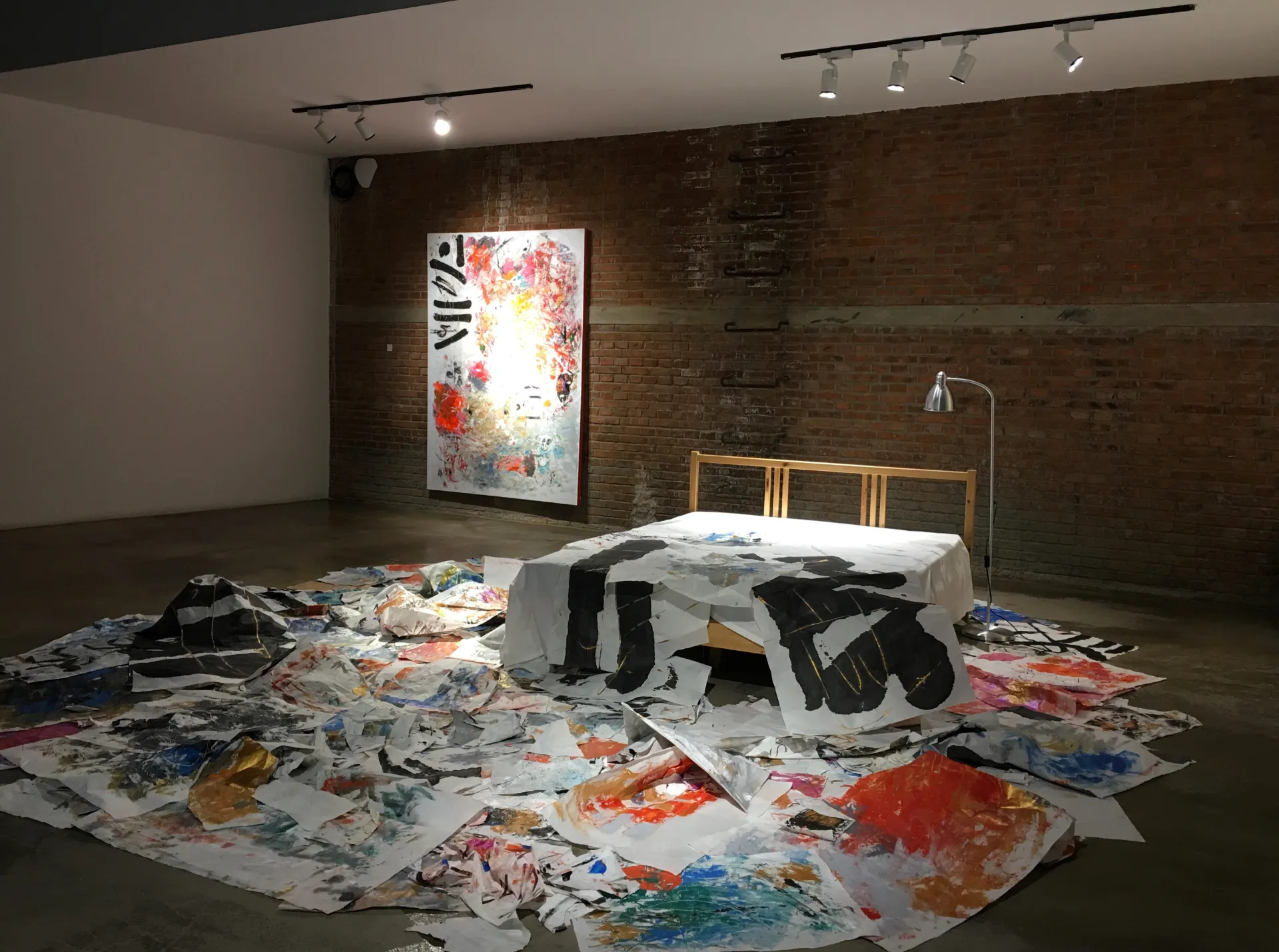
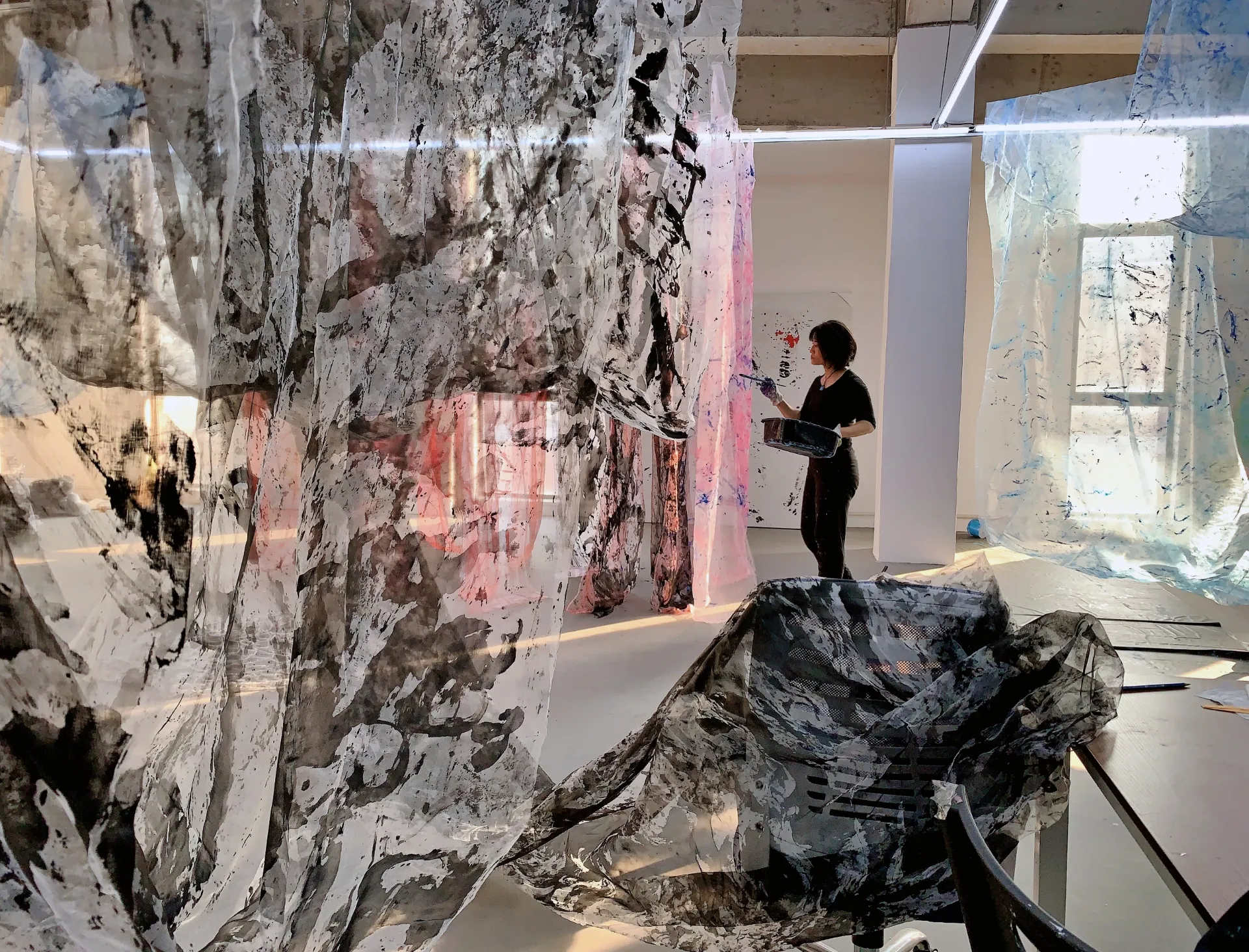
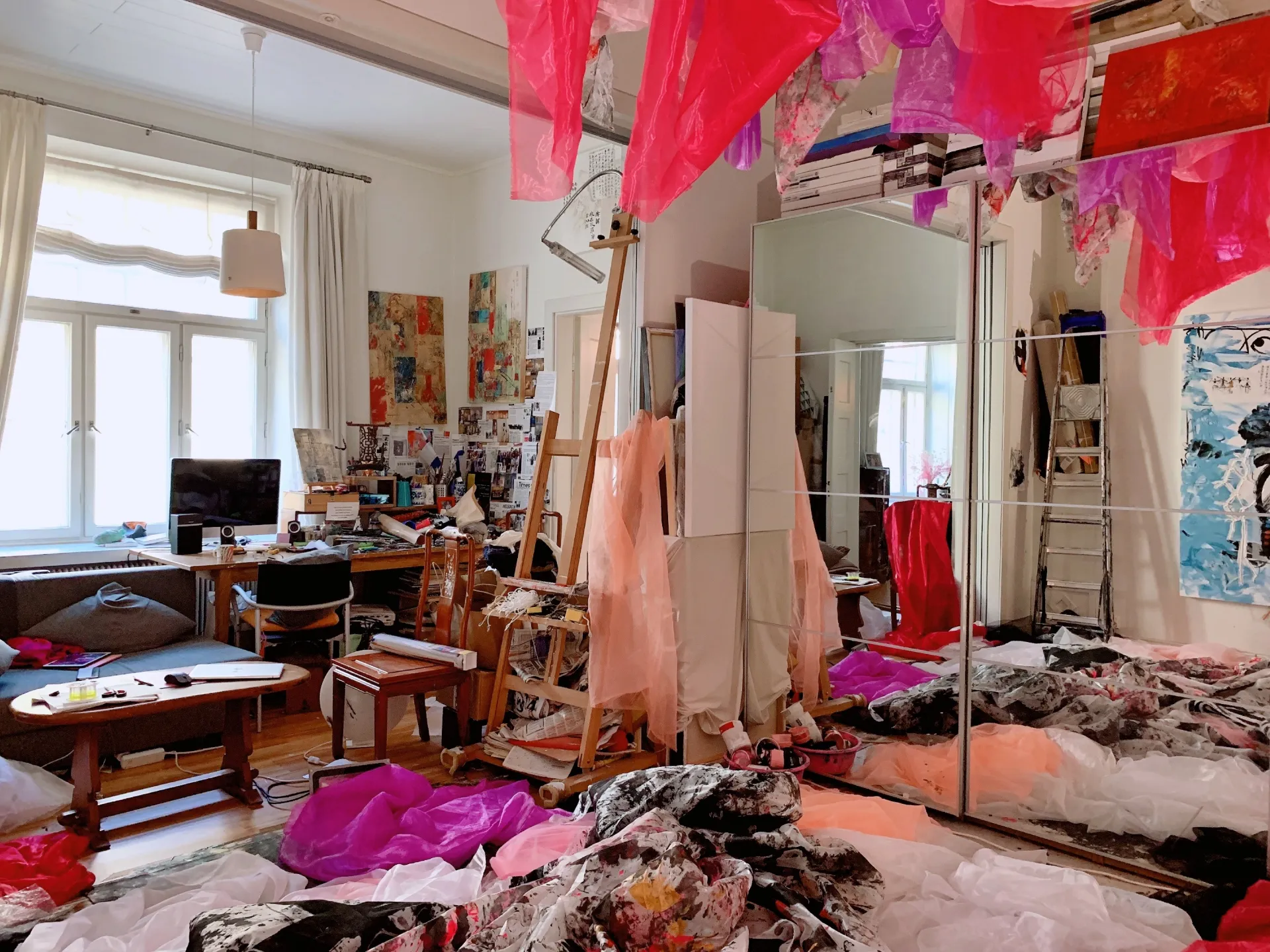
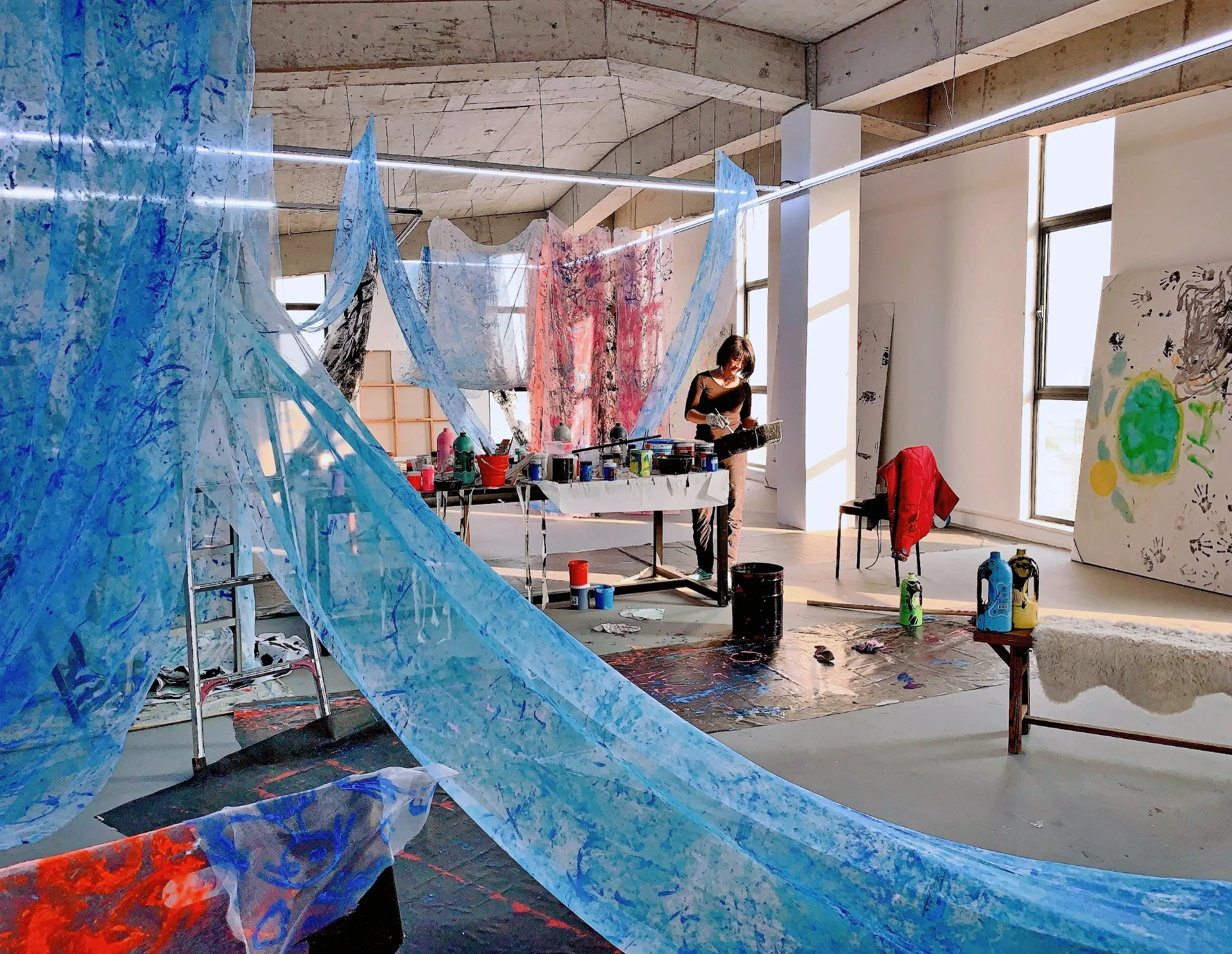
"In many ways, the process mirrors a human experience: fragility and resilience are not opposites. They coexist. The physical intensity of making these works doesn’t contradict the delicacy of the material — it reveals it."
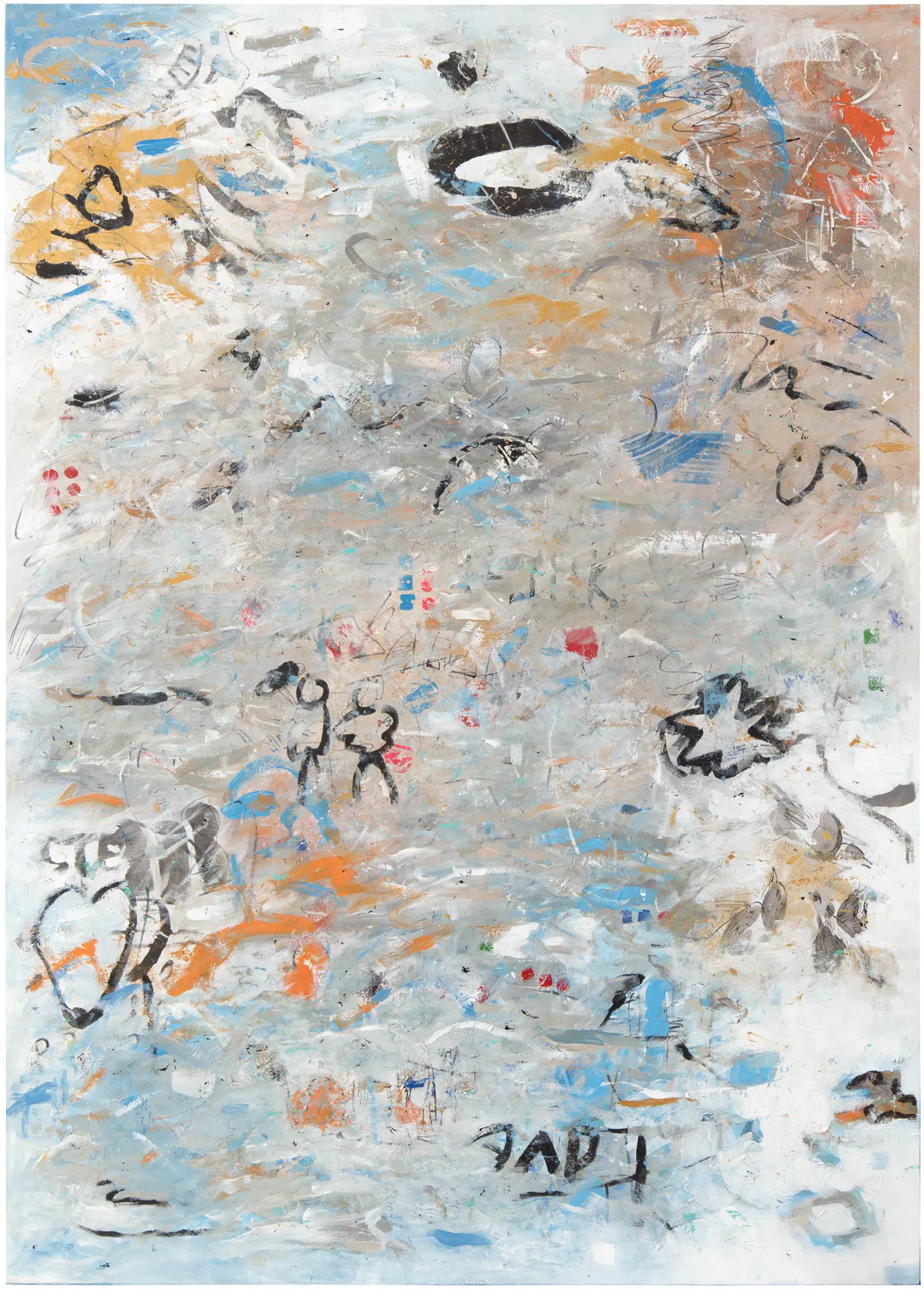
Ink and wash involve a certain level of unpredictability. How much of your work is a disciplined execution of a vision, and how much is a "collaboration" with the way the paint decides to flow that piece?
My father taught me the art of traditional Chinese brush painting when I was just a child. He emphasized the importance of grip, teaching me how to hold the brushes so that the strength of my arm could flow naturally with the ink. From that moment on, I became captivated by ink washes, which embody a beautiful dance between predictability and spontaneity. Ink possesses its own wisdom, reacting to water, gravity, absorption, and the passage of time in ways that are impossible to foresee. I’ve learned to embrace these moments, allowing the excitement of the unexpected to flow—often, it is these unanticipated strokes that create the most vibrant and dynamic elements of my work.
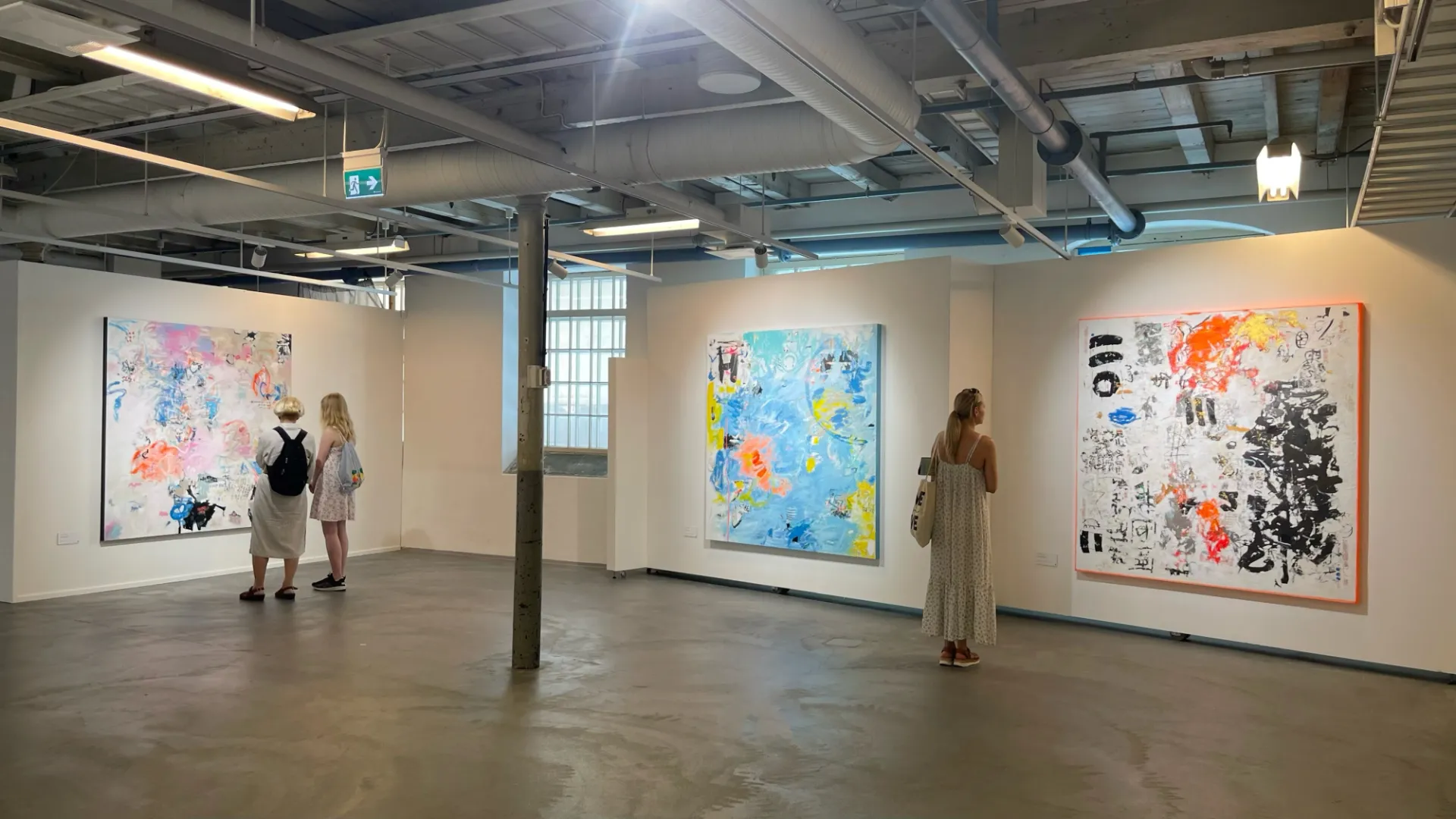
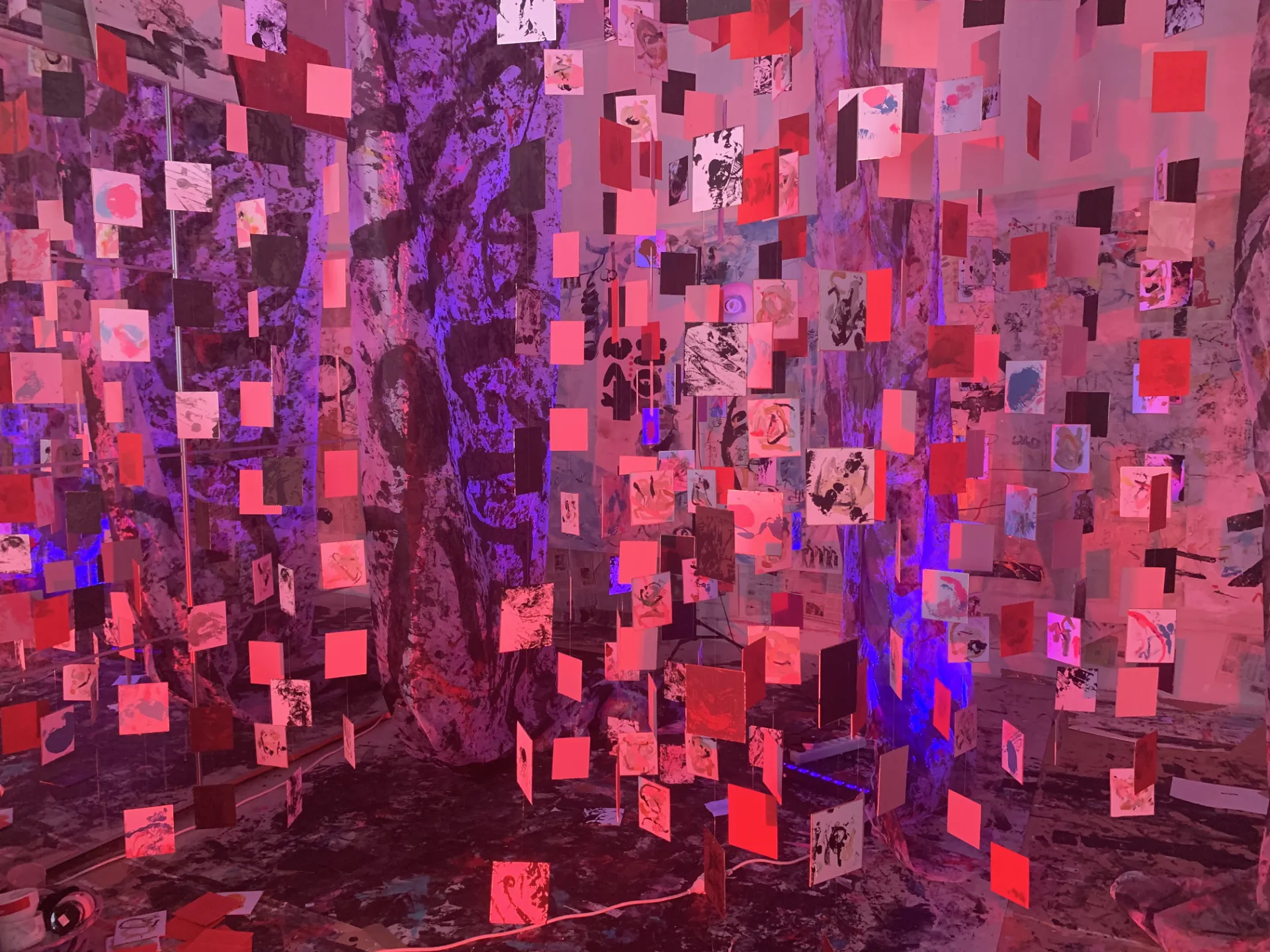
.
Chinese ink painting carries thousands of years of solid tradition. When you integrate it into contemporary abstraction, do you feel like you are "changing" those rules, or simply translating them for a new century of creative life?
You are right! The Chinese ink painting carries an extraordinary depth of history, philosophy, and discipline, and I approach that tradition with great respect. For me, it is not something to break from, but something to remain in dialogue with. When I integrate ink into contemporary abstraction, I do not feel that I am changing the ancient rules but rather extending its spirit, breath, gesture, emptiness, balance, and the relationship between space and spontaneity. In that sense, I see my work as a continuation rather than a rupture. Every tradition was once contemporary; it evolved because artists responded to their own time while remaining rooted in core values. I see myself as continuing that conversation in the present moment.
How do you balance personal storytelling with universality? Do you believe art should comfort, confront, or create doubts? Does your art reflect your personal philosophy of life? What do you hope to communicate with your artwork?
I often begin my work with a fleeting memory, a sensation, a quiet shift inside me. Instead of telling a story, I let it breathe into atmosphere, gesture, and space. When personal details melt into abstraction, they become invitations. Viewers can wander in with their own memories, their own emotions, and suddenly the personal becomes universal through resonance rather than explanation. Art serves more than one purpose. It can provide comfort, provoke surprise, challenge perceptions, or spark doubt — sometimes all at once. I am particularly drawn to the subtle space where certainty dissolves. When a work resists immediate resolution, it invites prolonged looking and deeper reflection. I aspire for my art to evoke something beyond words: a pause, a spark of recognition, a quiet smile in front of the work. If that happens, a connection has been made — and that, to me, is pure magic.
You spoke at TEDxNYU Shanghai about "Interstice as Space"—the transformative power of unplanned moments. How can women in the arts use these "in-between" spaces to support one another rather than competing for limited gallery spots?
When I spoke about “Interstice as Space” at TEDxNYU Shanghai, I was referring about the magic that happens in the pauses — the informal hangouts, the unplanned chats, the moments that aren’t in any schedule but end up being transformative. These in-between spaces are where new possibilities quietly take shape. For women in the arts, these interstitial spaces can become powerful sites of solidarity. The art world often presents limited representation and limited visibility. But in the spaces outside formal structures, we have the freedom to redefine value. Support can begin with simple acts: studio visits, sharing resources, open conversations, recommending one another for opportunities, or creating independent platforms and sharing connections.
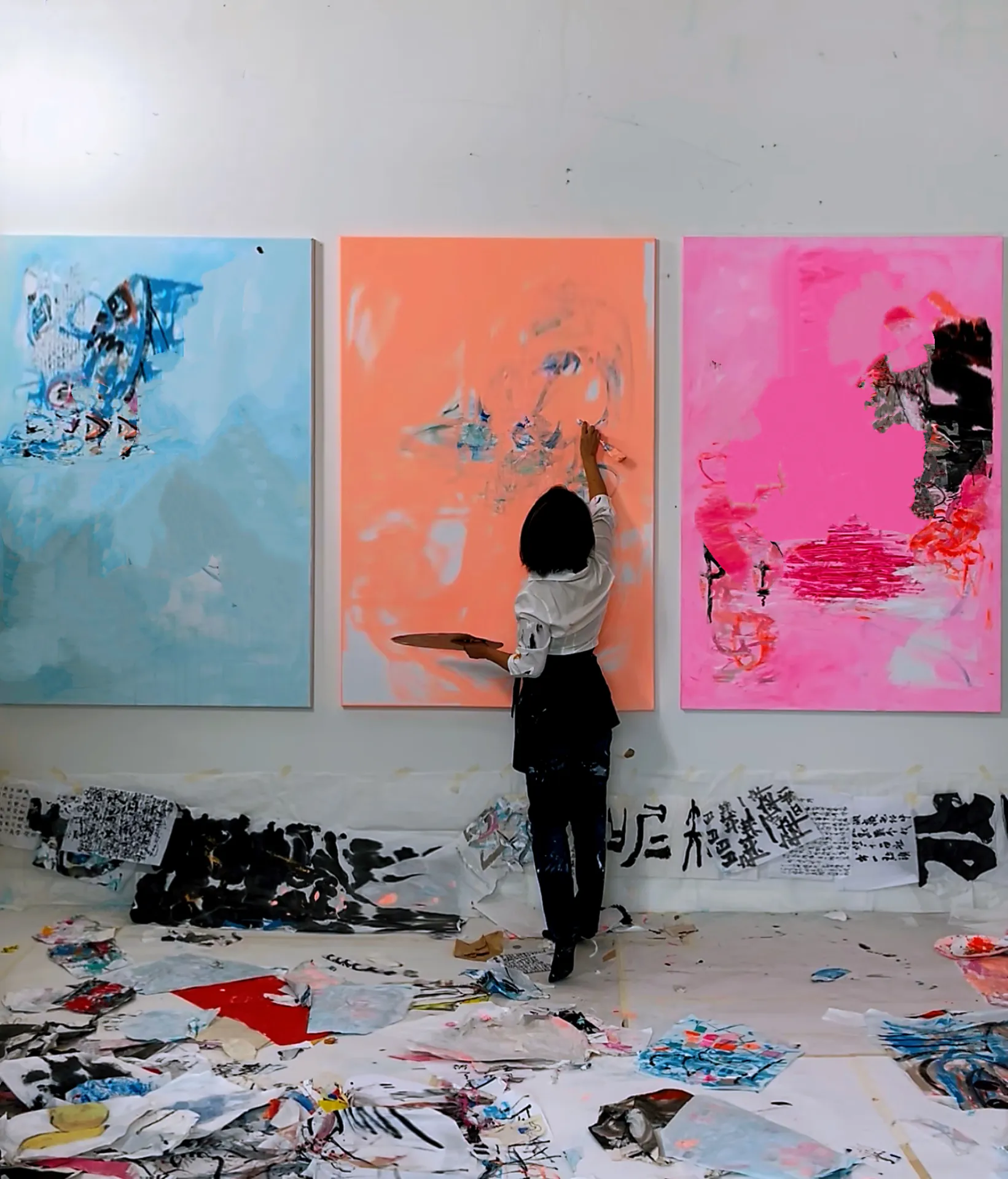
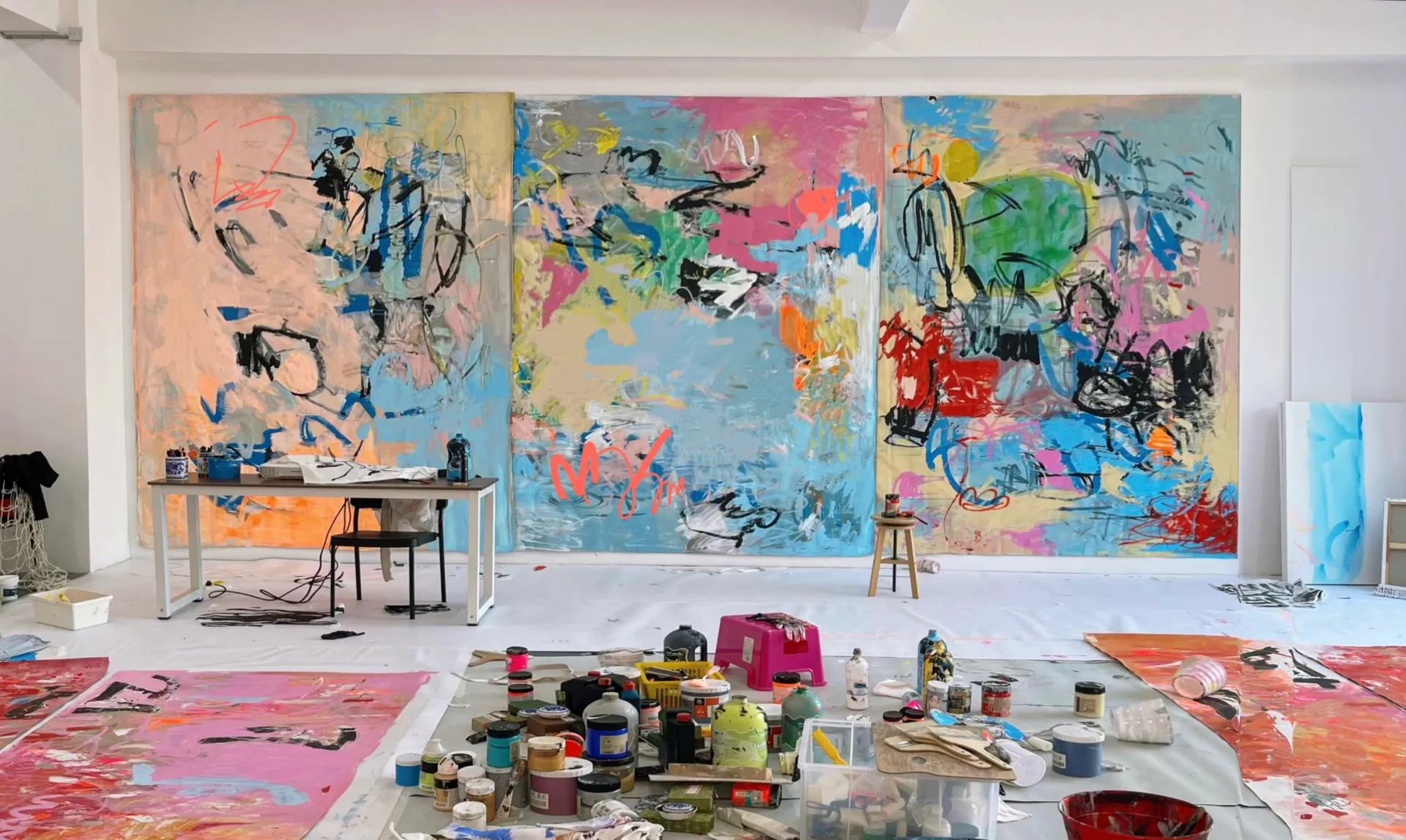
.
Your artwork, like the Floating Island project, involves immense physical labor and technical layering. Do you think the art world is finally beginning to recognize the "strength" required in finding harmony art, moving away from the stereotype of gender?
I hope so! When I began my ongoing installation project Floating Island in 2017, I quickly realized just how much physical strength and technical layering it demands. But that challenge was part of the joy. Floating Island art project allowed me to explore space, form, and movement in ways that felt almost magical. As audiences engage with Floating Island—pausing, reflecting, and connecting with the work—made the experience complete. In those moments, the installation truly came alive, and the audience became part of it. For me, these interactions highlight the strength along my creative path.
Do you think days like IWD meaningfully advance equality, or do they risk becoming only symbolic? What conversations about gender do you feel are still missing in the art world? How can artists contribute to conversations about gender justice in ways that go beyond slogans?
I think days like International Women’s Day hold real potential, but their impact depends on what comes after. Symbolic recognition matters because visibility matters; it creates a moment to acknowledge history, inequity, and progress. Yet symbolism alone is not enough. If the conversation begins and ends on that day, it risks feeling performative rather than transformative. True progress requires continuity and long-term commitment. A commemorative day can open the door, but sustained action is what walks through it. Finally, I believe art has the power to shift perception — and perception, in turn, shapes the world around us.
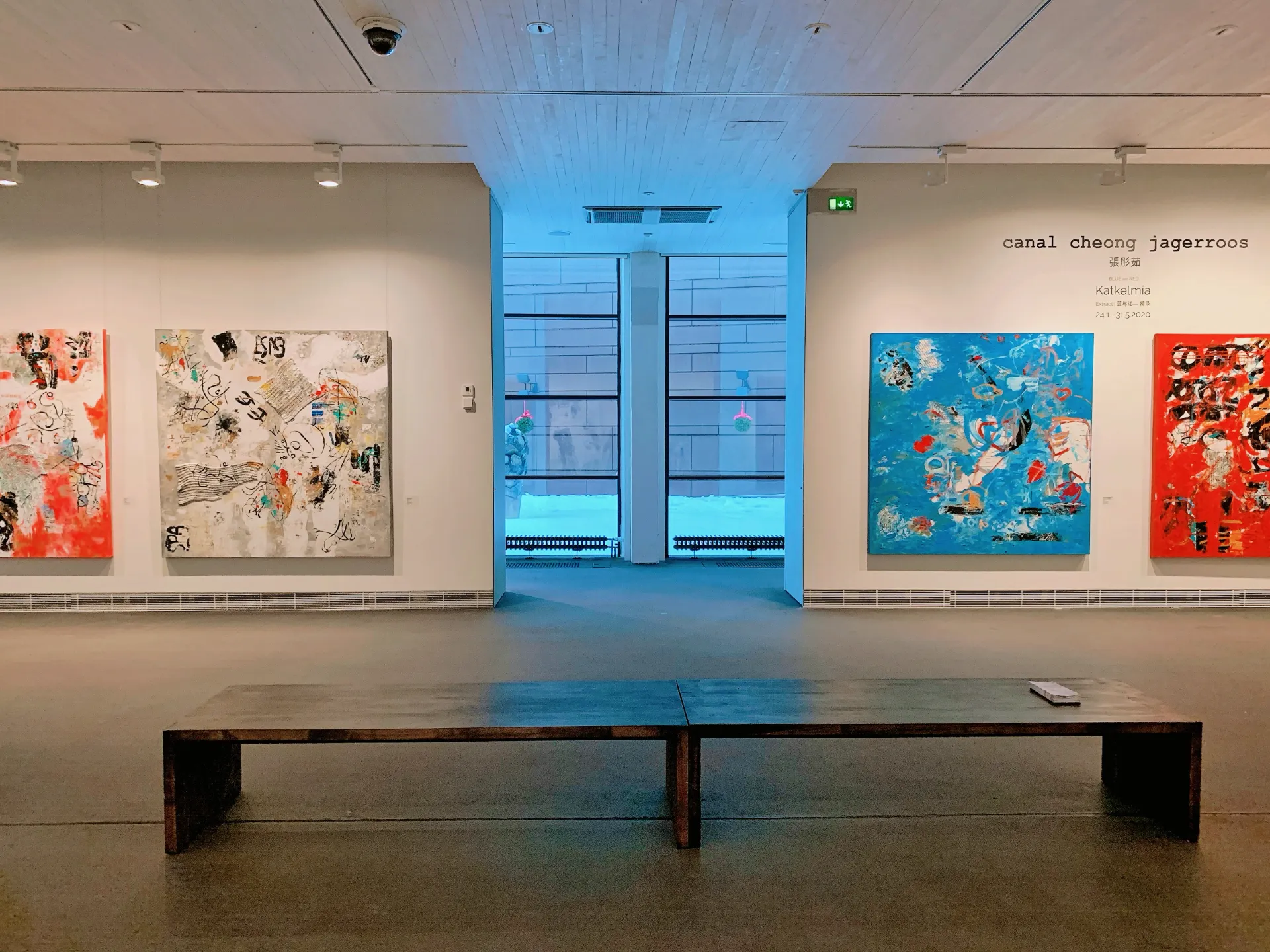
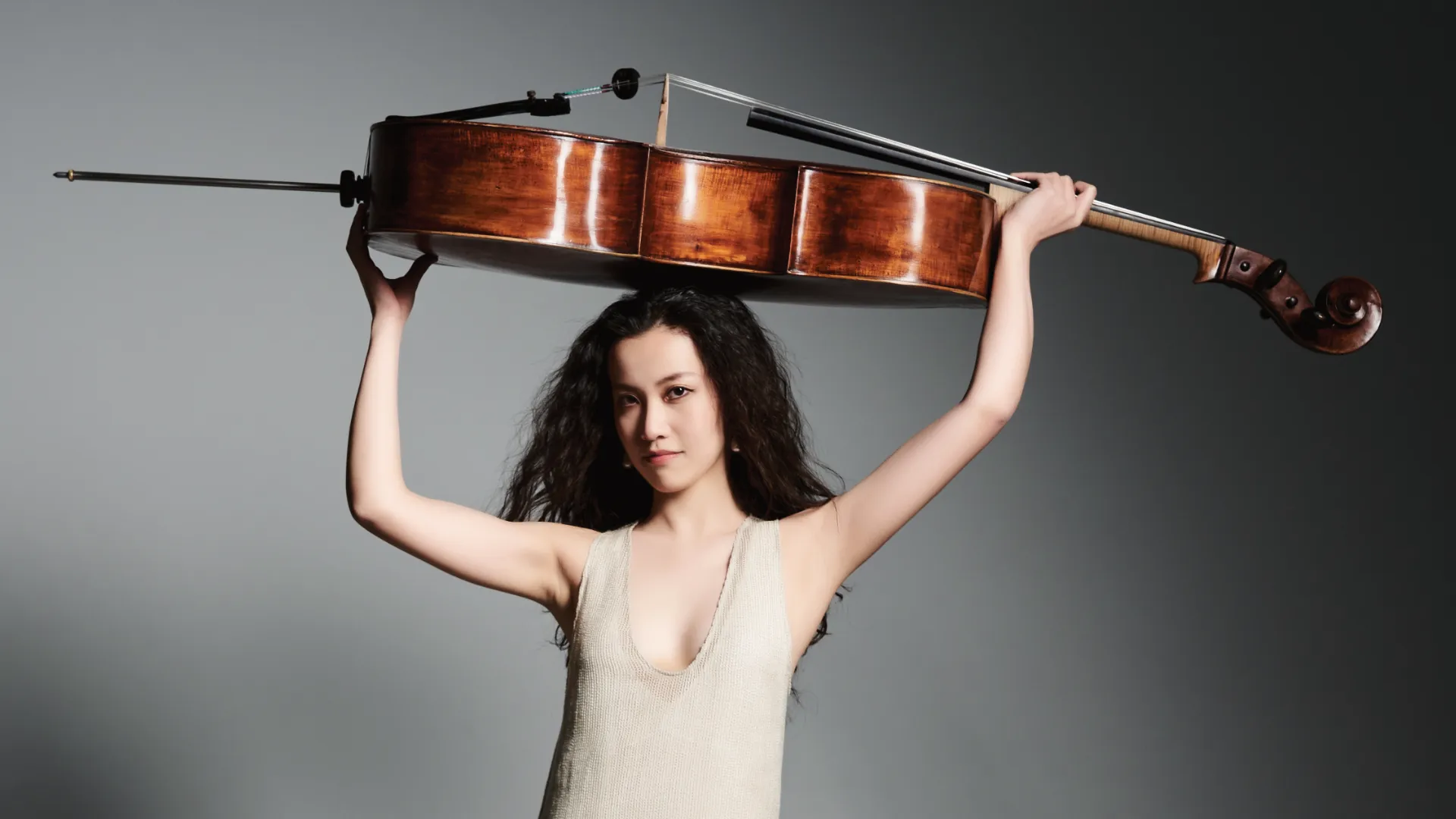
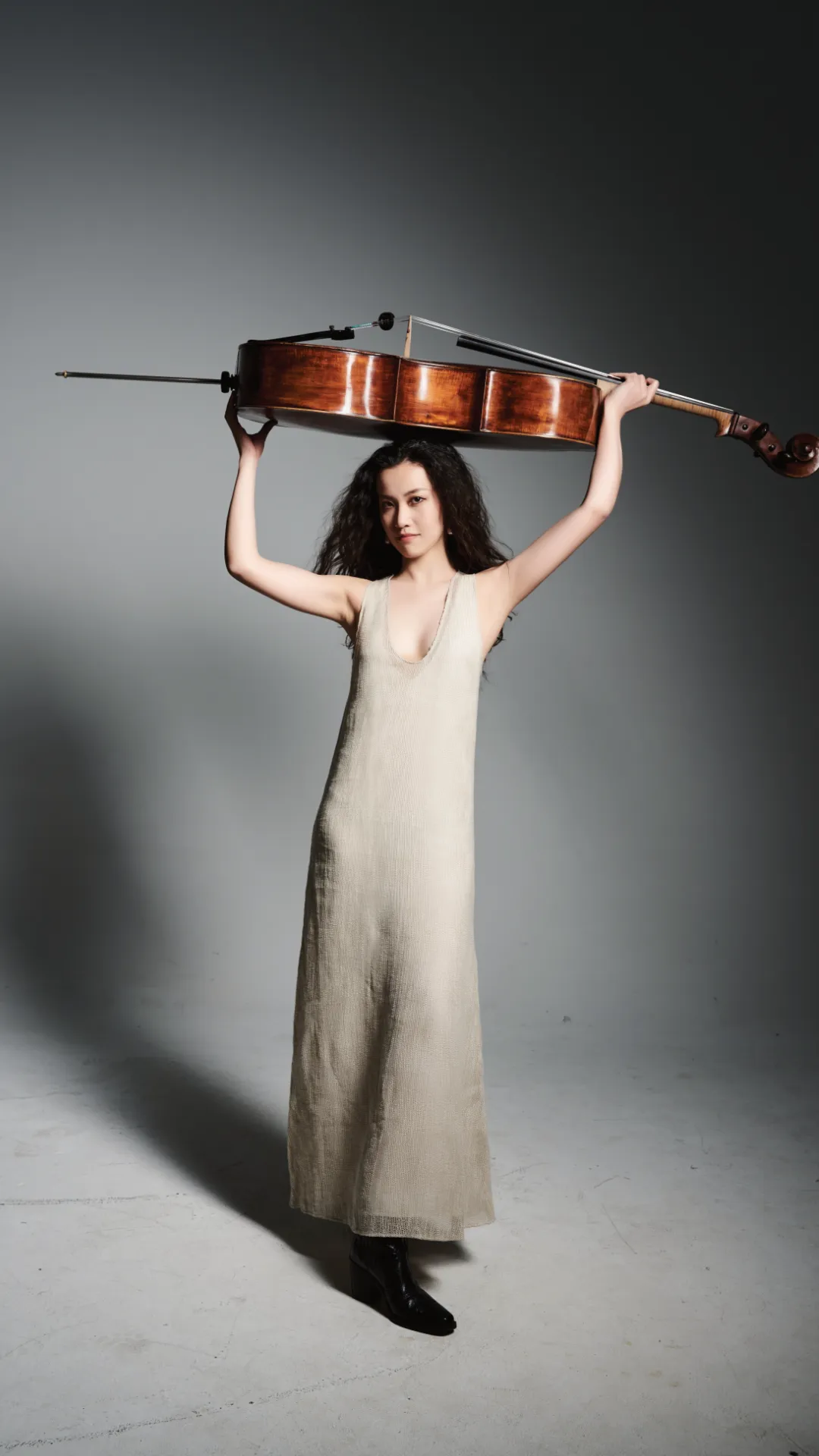
Featured image: © Lila
Lila
Cellist Lila is a passionate and expressive musician whose artistry bridges technical brilliance with deep emotional storytelling. Lila began playing piano at the tender age of four, before switching to the cello at the age of seven. She joined the Juilliard School Precollege division in 2016 and trained under Professors Richard Aaron and Sieun Lin. Lila has studied with Frans Helmerson at Kronberg Academy since 2018. She adds a unique voice to both solo and group performances and is well-known for the warmth of her tone and her captivating stage presence. Known for her fearless technicality and a sonic palette that ranges from velvet whispers to challenging radical vulnerability , Lila has redefined what it means to lead from the deep. She isn't just playing the repertoire of the past, but is actively bowing a new, more emotional future into existence. Her interpretations balance precision with sensitivity, allowing audiences to experience familiar repertoire in fresh and intimate ways. She believes in music as a powerful language, one that transcends borders, builds connection, and gives voice to stories that words alone cannot tell. In an era where digital perfection often masks raw emotion, cellist Lila remains devoted to the 'magical grit' of the strings. Her music is a masterclass in controlled chaos and deep empathy. Lila has developed deep natural balance physically and mentally, between stage life hectic and personal inner space. She has given concerts on many international stages such as the Verbier Festival, Schloss Elmau, Tsinandali Festival, Teatro dell’Opera di Roma, Moscow Tchaikovsky Concert Hall as well as in the Tokyo Suntory Hall. She has worked with the orchestras such as the Tokyo Symphony Orchestra, the Orchestra Roma Sinfonietta, the Moscow Virtuosi, the State Symphony Orchestra New Russia, the Shanghai Philharmonic Orchestra and the Shanghai Opera Symphony Orchestra under conductors such as Christoph Eschenbach, Vladimir Spivakov, Yury Tkachenko and Norichika Iimori.
When did you first realize that you love music? What inspired you to pursue a career in music? The cello has such a unique, vocal quality. What first drew you to this instrument rather than another?
I don't think there was a single cinematic moment. It wasn't a lightning bolt. It was more like a slow, irreversible falling. Music became the place where I felt most honest. As a child, I realized that when I played, I didn't have to explain myself. The cello could say things that I didn't yet have the language for. The cello's voice — that dark, human register — felt close to speaking, almost like confessing. It felt vulnerable. It vibrates directly against your chest, you don't just hear it, you physically absorb it. That intimacy is what chose me.
What are your fondest memories of training to become a musician? Which artists have influenced you the most?
My fondest memories are not competitions or achievements. They're rehearsals, or a performance which I devoted all my attention and concentration to. Working with musicians like András Schiff, who speaks little but demands everything, taught me that depth doesn't need theatrics. And of course, Ludwig van Beethoven has been my anchor. His music contains trauma, rebellion, forgiveness and tenderness all at once. It showed me that strength can be fragile and still unbreakable.
What are some sacrifices you faced pursuing your passion for music? What have been the greatest challenges of your career so far?
There is a romantic myth about pursuing art. The reality is airports, uncertainty, physical exhaustion, and constant self-doubt. I've sacrificed stability, proximity to family, and sometimes emotional safety. There are concerts where you feel invincible, and others where you question everything. One of the greatest challenges is learning not to tie your self-worth to applause. The stage is intoxicating, but it is not a stable foundation for identity.
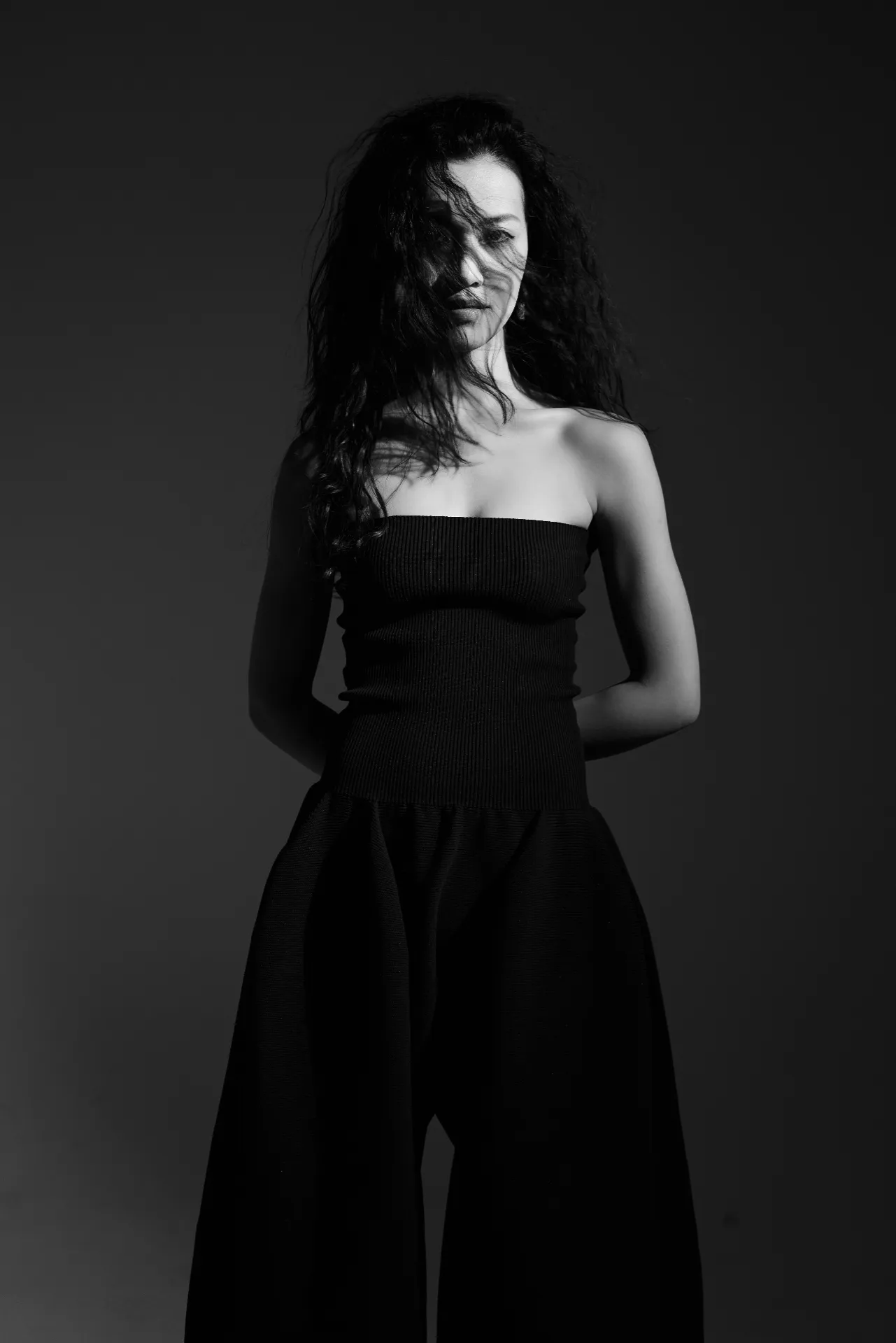
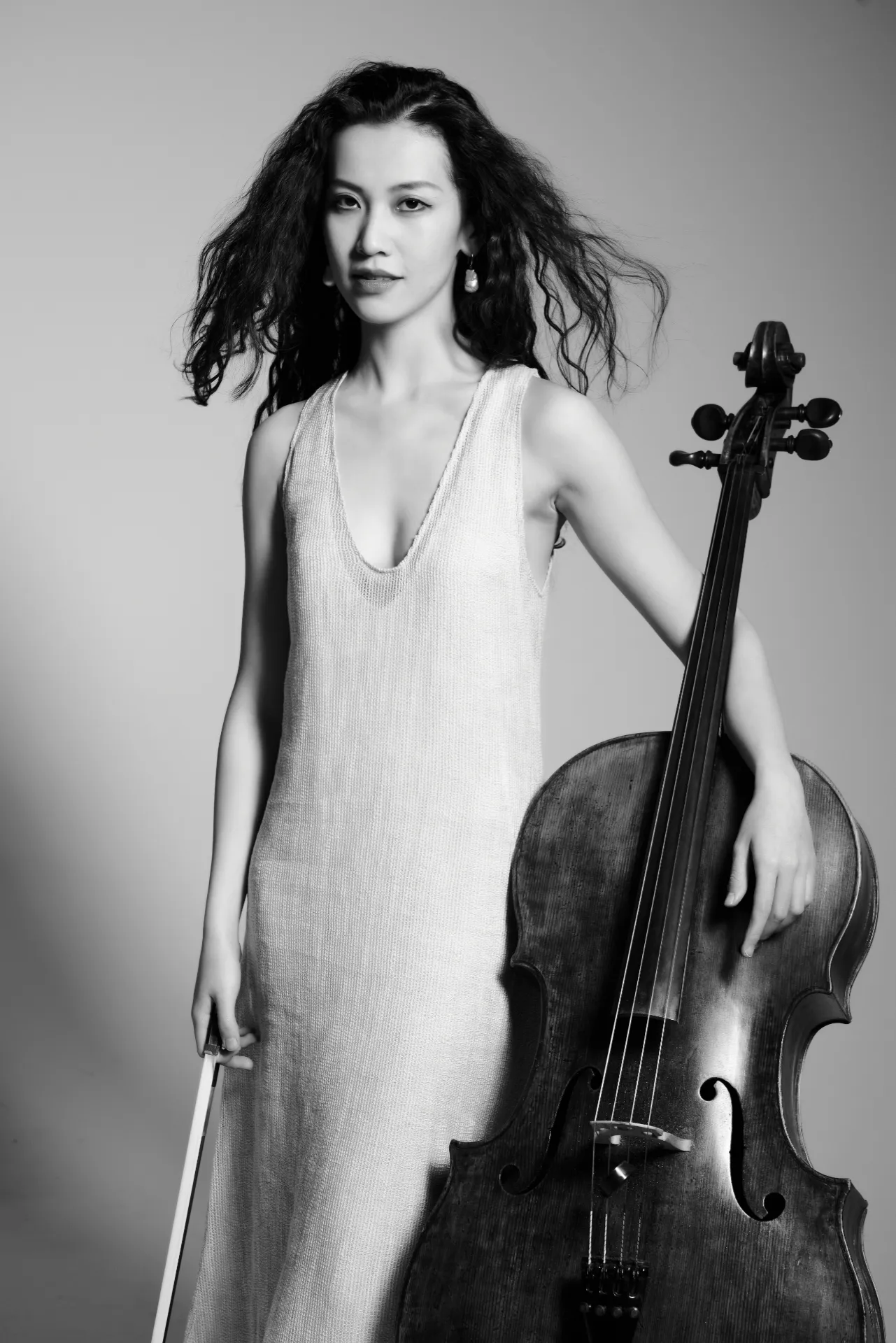
What does playing the cello represent for you? How has music enriched your life?
It's just my whole life. And I will keep doing it.
What are your greatest satisfactions as a cellist? What milestone so far?
My greatest satisfaction comes from those rare concerts where I enter a state of extreme concentration — when time disappears and everything feels inevitable. Afterwards there's a deep exhaustion, but also a quiet certainty. That feeling matters more to me than any prize. A milestone was finishing both my Bachelor's and Master's studies in Kronberg at 19. It marked the end of an intense chapter that shaped me profoundly. As a child, I won many international competitions before the age of eleven, but I barely remember them. I was too young. They were achievements, yes, but they don't define me.
Cellists have a notoriously connected relationship with posture and physical strain. The cello vibrates directly against your chest and heart. How has your relationship with your own body changed as you've spent thousands of hours wrapped around this wooden box?
The cello forces you into radical awareness. If your body resists, the sound tightens. Over thousands of hours, I've learned that tension is audible. Strength in cello playing is not muscular dominance; it's alignment, gravity, breath. The instrument vibrates against my sternum, against my heart. There's something humbling about that. You cannot fake sound production when your body is the resonating chamber.
Can you share with us a story of a performance or a behind the scenes moment that holds significant meaning for you? Why is it such a memorable experience?
I was once asked to jump into a piano trio concert the day before the performance. The program was Tchaikovsky and Ravel — two monumental piano trios. I had played a few movements almost ten years earlier, but essentially, I had to relearn both pieces overnight. I didn't sleep at all. The next day, I traveled for hours to the venue, rehearsed, and walked straight onto the stage. The result was surprisingly good. But what stayed with me was the adrenaline, the razor-sharp clarity, the heightened awareness. It felt dangerous and alive. That night reminded me that sometimes you are far more capable than you think, especially when there is no room left for doubt.
What are your next goals and commitments?
To record a debut album that feels honest, not strategic. To build a career that does not depend on trends or image, but on substance. And to protect the part of me that reads, reflects, and questions, because that inner life feeds the music.
What would you recommend to anyone wanting to pursue a career like yours?
Don't pursue this if you only love applause. Pursue it if you are willing to be alone with a phrase for hours. If you are willing to confront yourself. Pursue it when you really love music. And build a life outside music. Read. Love. Travel. Suffer. That is what will make your interpretations real.
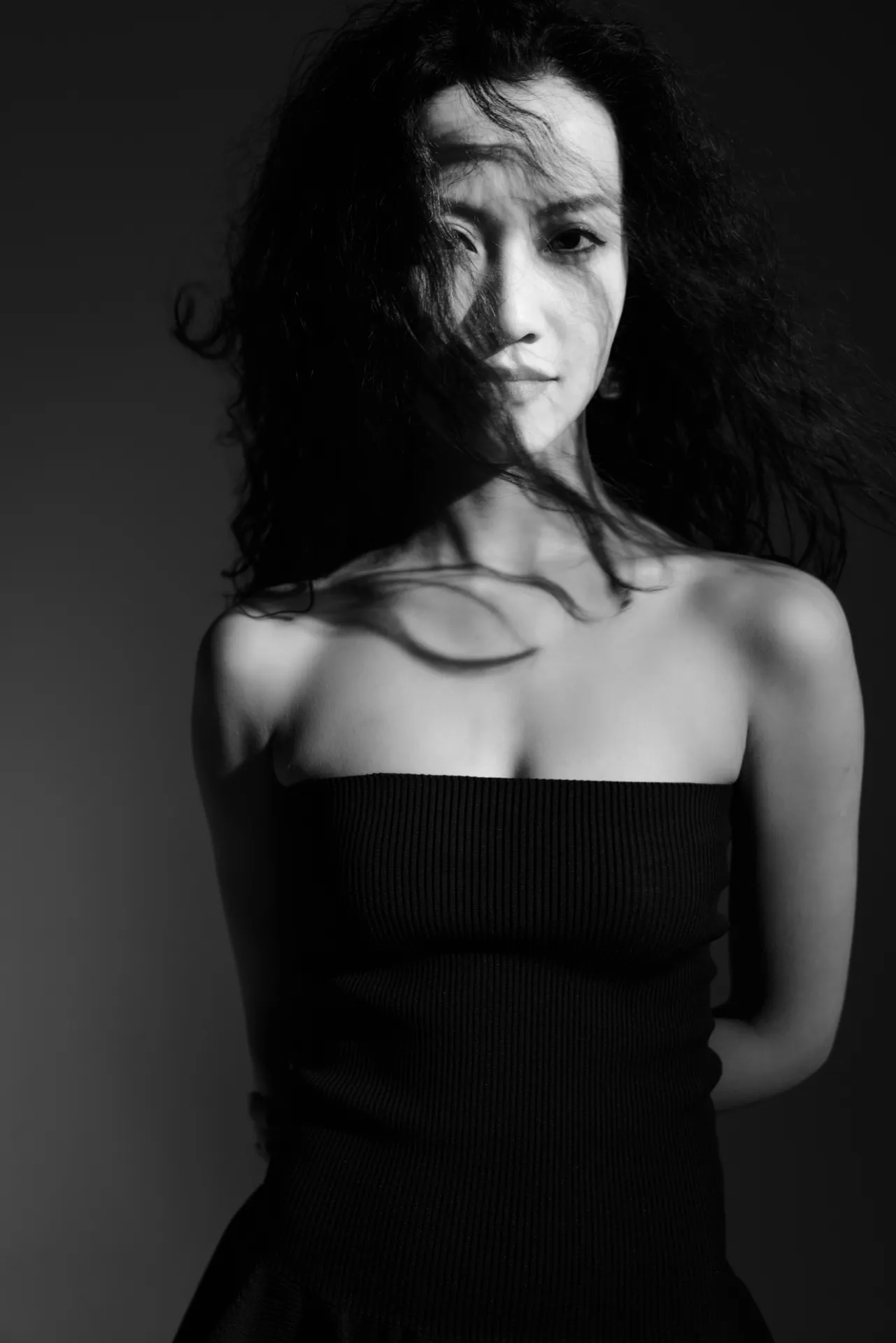
IWD is often about "strength", "inclusion" or "equity." As a cellist artist, how do you redefine strength? In your playing, how are you paying realization forward to the girls watching and listening to you from the front row?
Strength, for me, is staying soft. It's keeping an open and kind heart even when life or people have hurt you. Closing yourself is easy. Remaining open and curious and fresh is much harder. You become what you choose to see in this world.
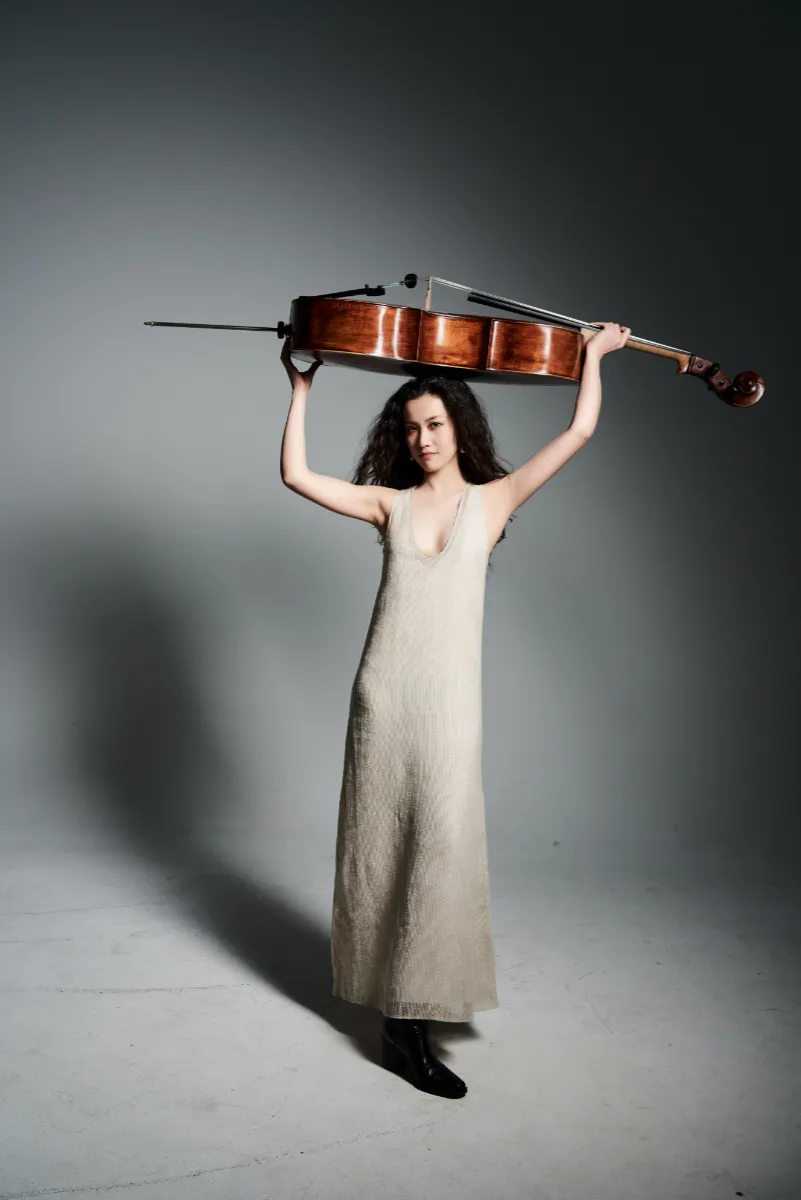
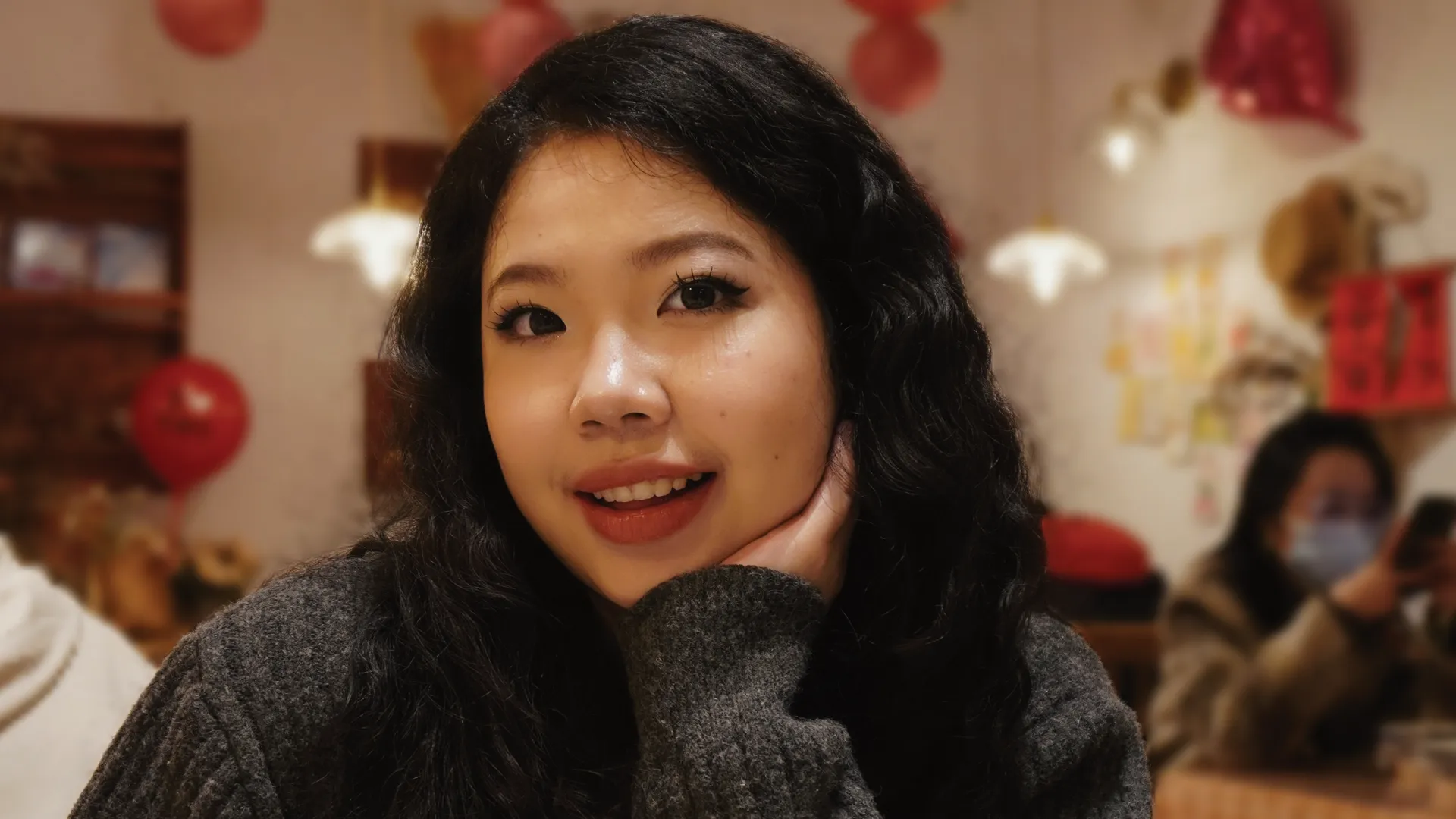
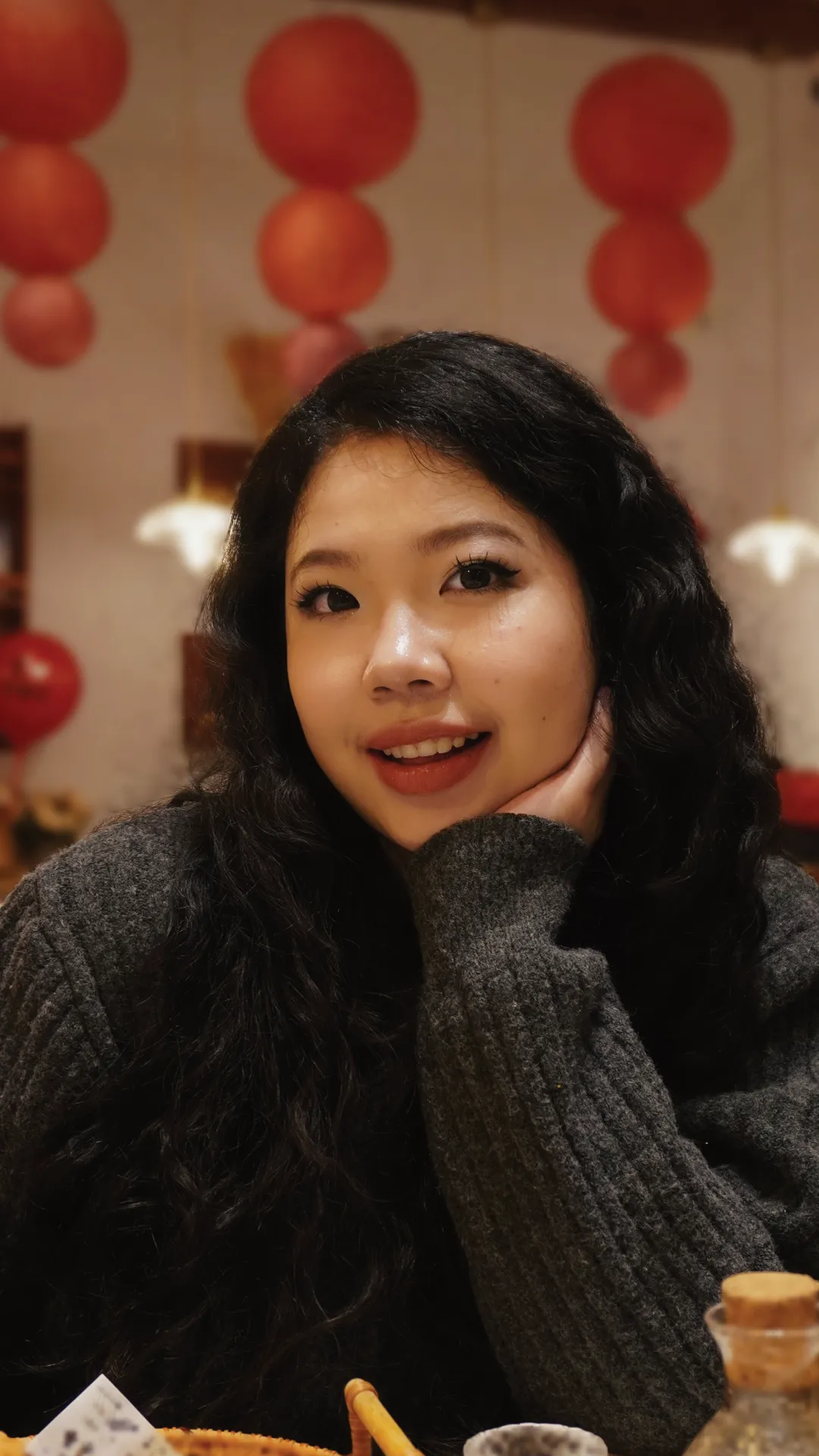
Featured image: © Wei Wu
Wei Wu
Wei Wu is a skilled illustrator and animator whose artwork lies at the nexus of poetic imagery and dynamic movement. She graduated from MA illustration at Kingston University of Art. She became renowned in the field of art, for her ability to transform intricate interior environments into stunning visual narratives. Her command of light, texture, and atmospheric storytelling has allowed her to carve out a special place for herself in the world of contemporary art. Her illustrations are vivid, full of color and energy, and they dig deeply into universal subjects that she investigates via her own experiences. Throughout, the picture is filled with deep meaning that both lovingly honors her Chinese background and Asian culture while challenging conventional notions of female beauty. She encourages the audience to consider women's place in society and how they are perceived as objects by using symbols and metaphors to define her art and examine femininity and experiences. Wei Wu in her artworks captures the ethereal yet grounded quality of femininity. Through her work in investigative illustration, animation, and personal projects, she has created a unique visual language that transports spectators to eerie and intimate realms.She has specialised in a playful and sparkling style, through metaphors to explore deep topics about relationships, society. Emotional architecture is the subject of her artwork. Wei frequently examines the subtle tension between isolation and connection in her work, whether she is directing a series of flowing animation or creating a single, memorable frame. By fusing the tactile warmth of traditional painting with the boundless possibilities of digital media, her approach accomplishes a rare feat: it seems both current and timeless. She is London-based and being represented by THIS IS JELLY
Was there a defining moment when you realized you wanted to be an artist? How did illustration and motion become your primary medium? What initially inspired you to start this path?
I wouldn't say there was a single defining moment. Drawing has always been a very natural way for me to process emotions and observe the world around me. As I continued studying illustration, I gradually realized that images could carry stories, cultural references, and emotional layers beyond simple visual expression. I was drawn to illustration and motion because they allow a certain freedom between narrative and imagery. Through characters, colors, and symbolic elements, I like to construct dreamlike spaces where viewers can form their own interpretations.
When developing a new piece, what comes first: the palette, the characters, or the emotional theme?
Most of the time it starts with an emotional tone or a conceptual idea. It might come from a social observation, a personal experience, or sometimes just a feeling that's difficult to put into words. From there, the characters and environments begin to take shape. Color is also a very important element in my work—not just decorative, but emotional. I often use bold or slightly conflicting color combinations to create a balance between beauty and unease.
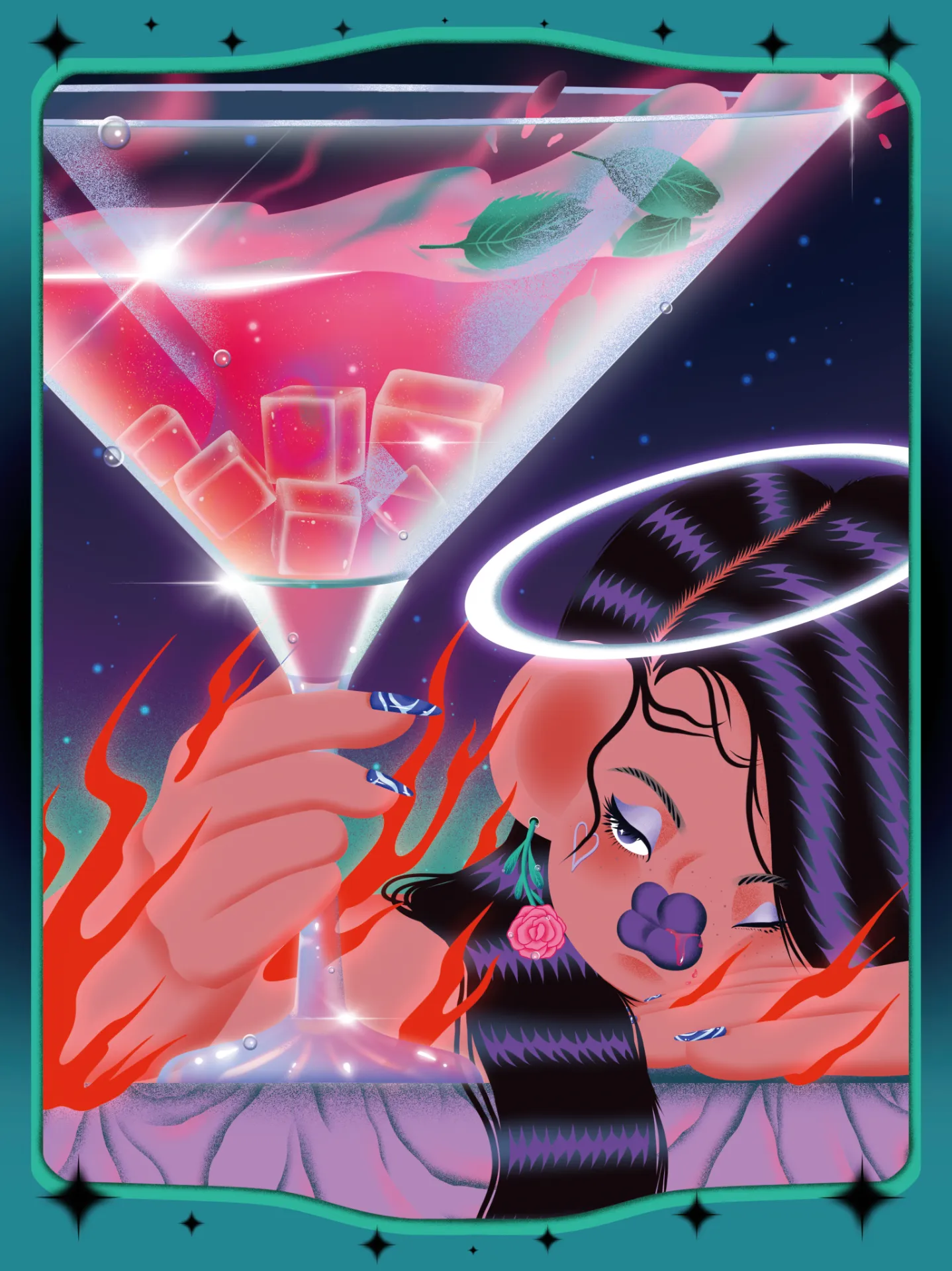
Many of your illustrations feel like fragments of a larger myth or dream. Do your images begin with a narrative, or does the story emerge while you draw?
Usually the narrative emerges during the drawing process. At the beginning I might only have a vague image in mind—perhaps a character, a setting, or a certain mood. As I work, the piece slowly develops its own story. I enjoy that sense of unpredictability. It feels a bit like dreaming: once you enter the image, new details and metaphors start to appear naturally.
Your work often hides symbolic layers beneath vibrant colors. How do you decide how much meaning to reveal and how much to leave ambiguous for the viewer?
I actually enjoy keeping a certain level of ambiguity. If an image is completely explained, the viewer's participation becomes limited. So I tend to leave visual clues and symbolic elements within the composition, but not a single fixed interpretation. Each viewer brings their own experiences and cultural background to the work, and that creates different ways of reading the image.
Many of your characters seem suspended between innocence and danger. What interests you about that emotional tension?
That tension often reflects the real world. Many things that appear beautiful, soft, or playful can hide more complex or even unsettling structures underneath. I like using a visually bright or playful aesthetic to explore deeper emotional or social themes. That contrast allows the work to remain visually inviting while still holding space for reflection.
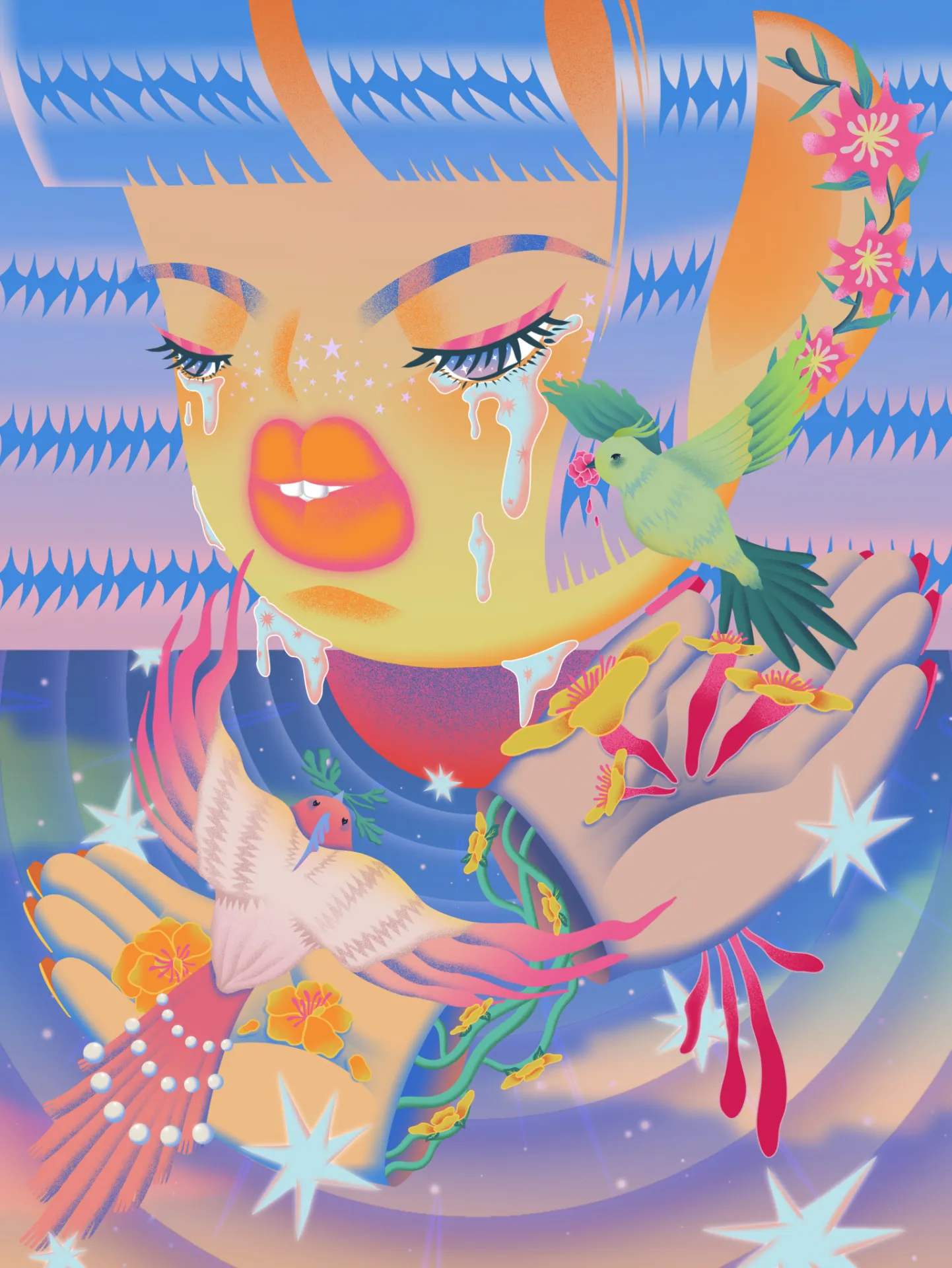
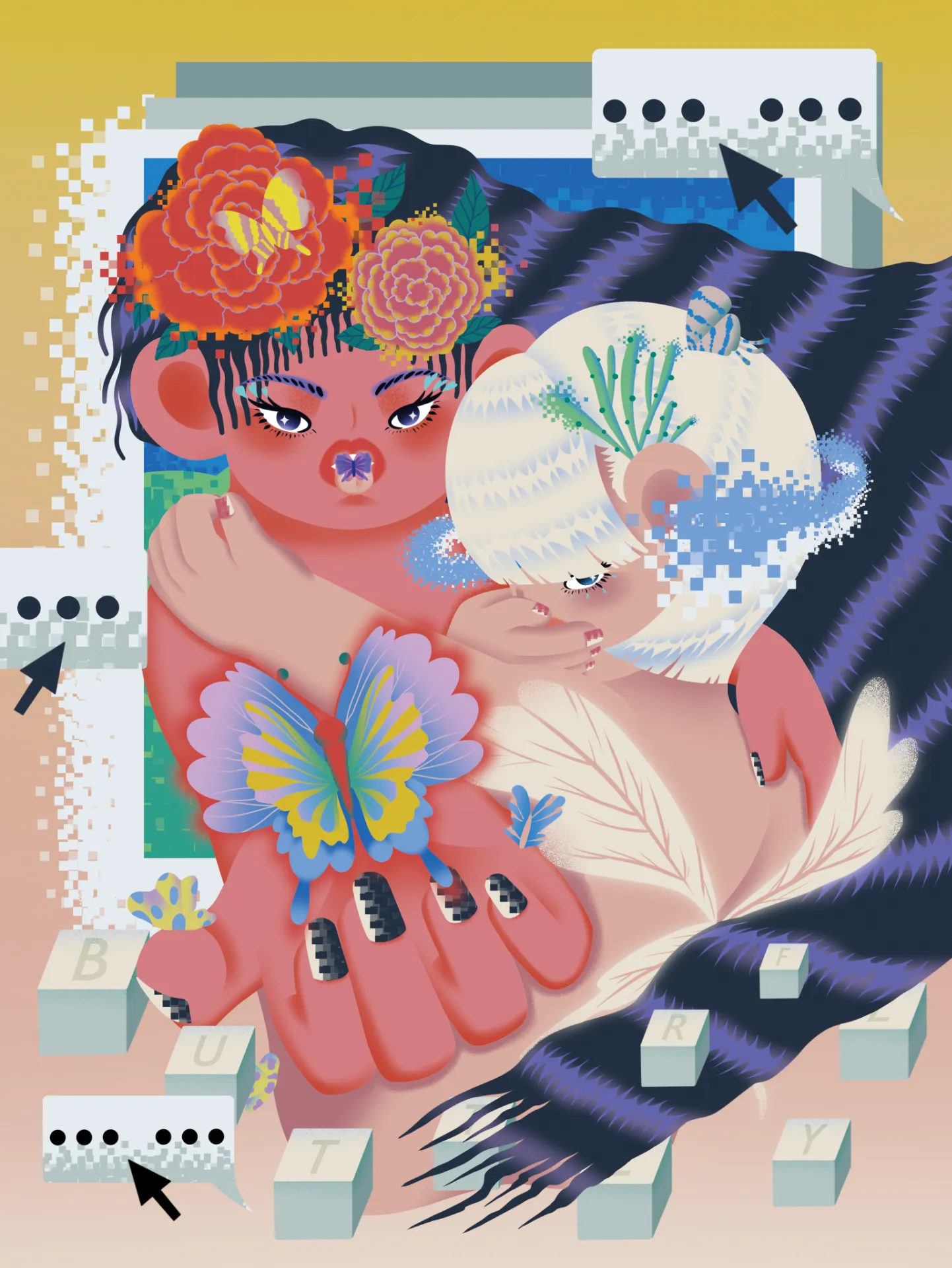
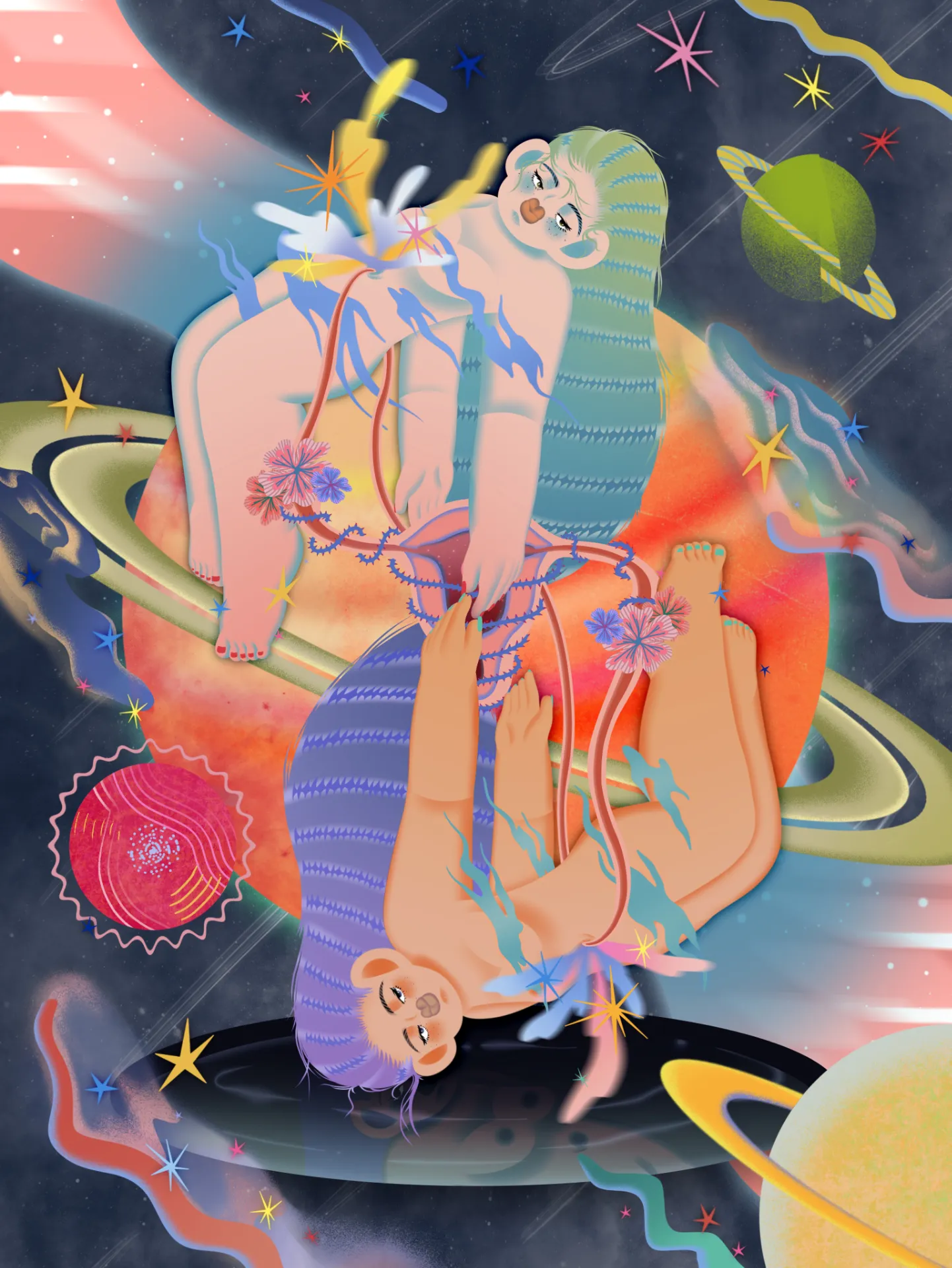
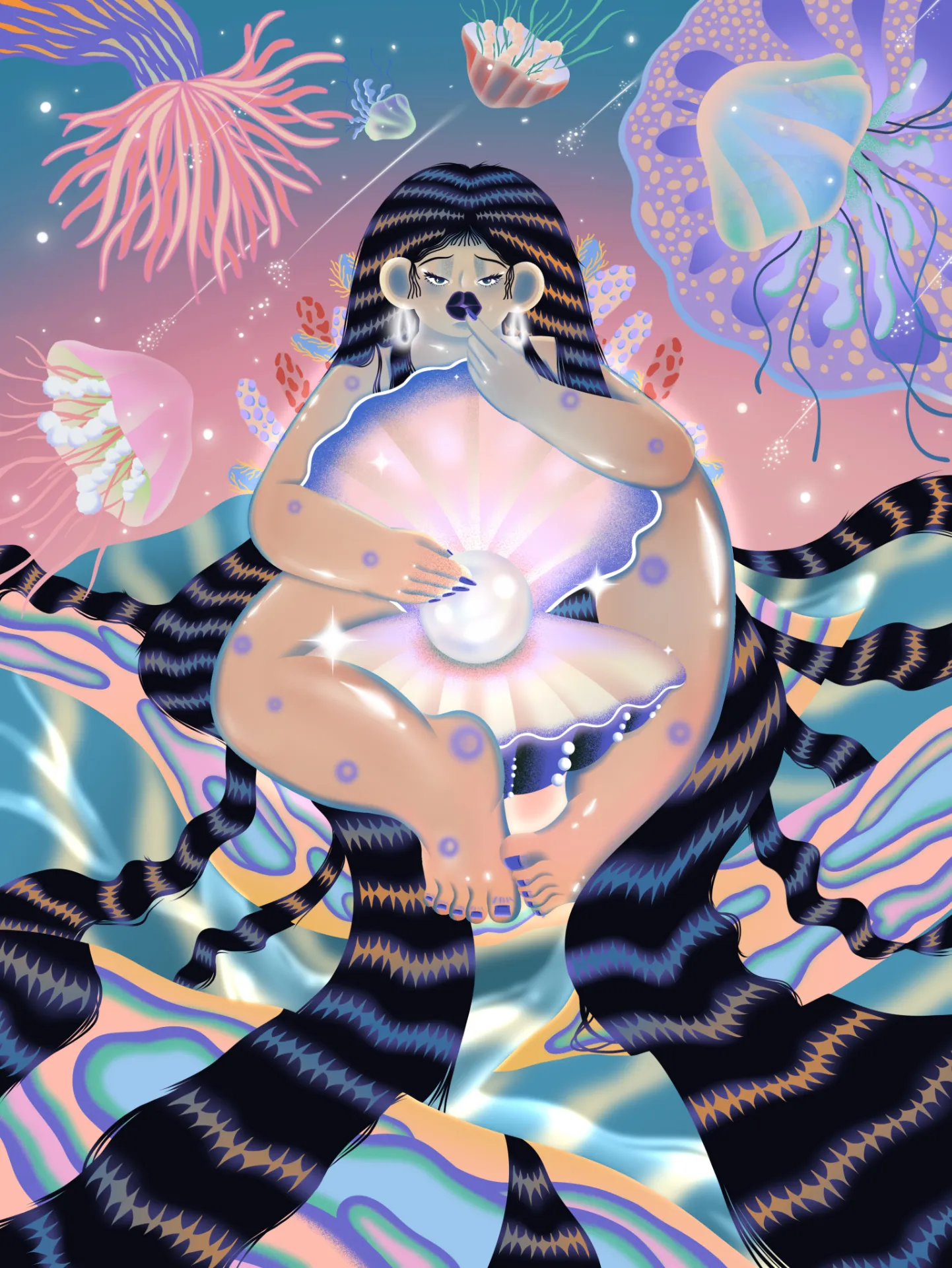
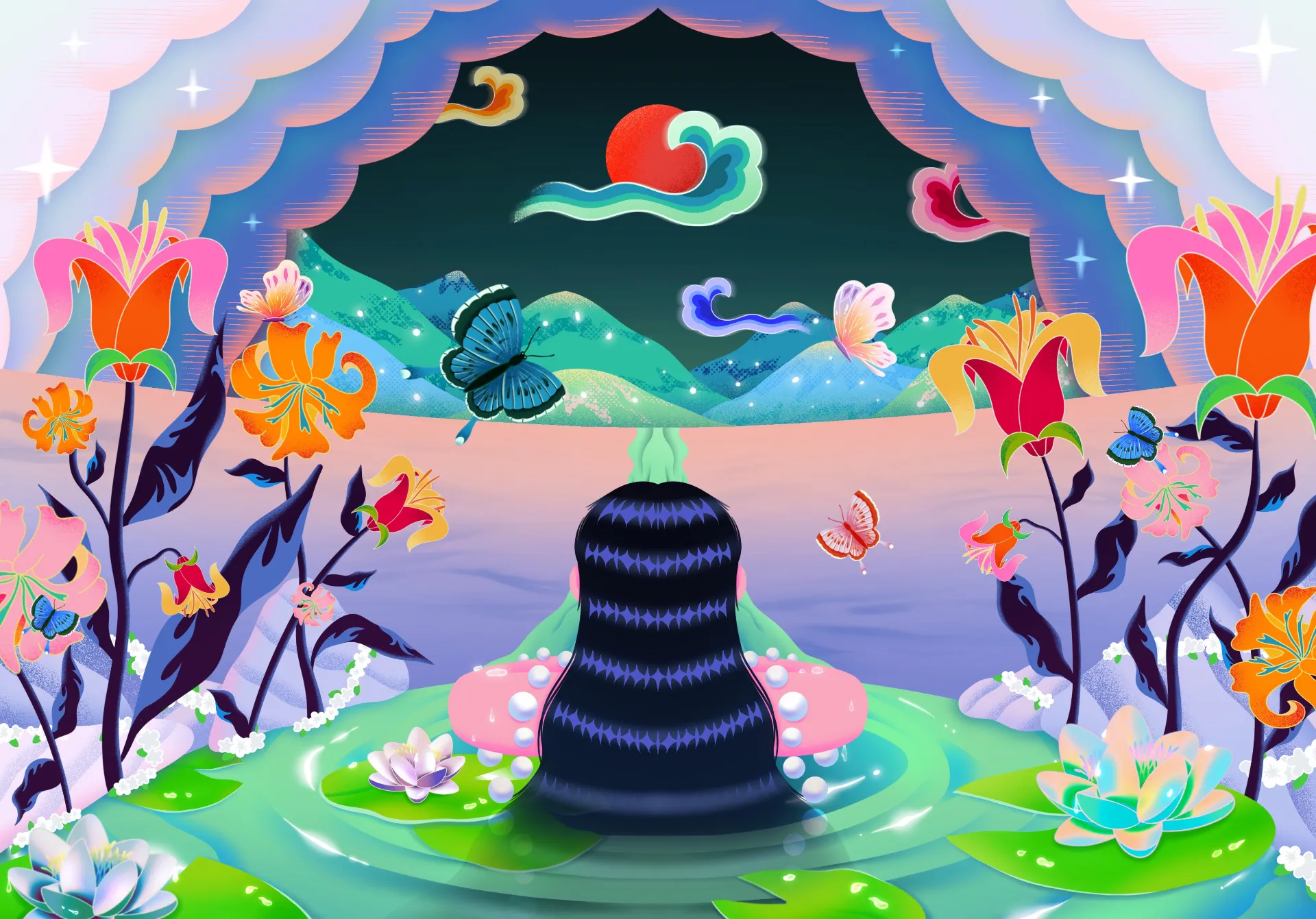
.
Your illustrations blend Chinese cultural references with contemporary global aesthetics. Do you ever feel tension between preserving the tradition and/or reinventing it?
I see it more as a dialogue rather than a conflict. Chinese culture is incredibly rich—from mythology and folklore to plants, patterns, and symbolic systems. These elements naturally become part of my visual language. Reinterpreting them within a contemporary context is also a way of retelling these stories. I hope the work can carry a sense of cultural memory while also creating new meanings in a global visual landscape.
What elements of Chinese visual culture do you feel are still misunderstood or underexplored in global illustration? Living and working in London, do you find yourself seeing them differently?
Living abroad has actually made me more aware of how unique many Eastern visual traditions are. For example, symbolic systems, mythological storytelling, and the relationship between humans and nature are all very important in Chinese culture. Sometimes these elements are simplified into a generic "Eastern aesthetic." But behind them there are much deeper histories and cultural contexts. For me, creating art is also a way of re-narrating these visual traditions.
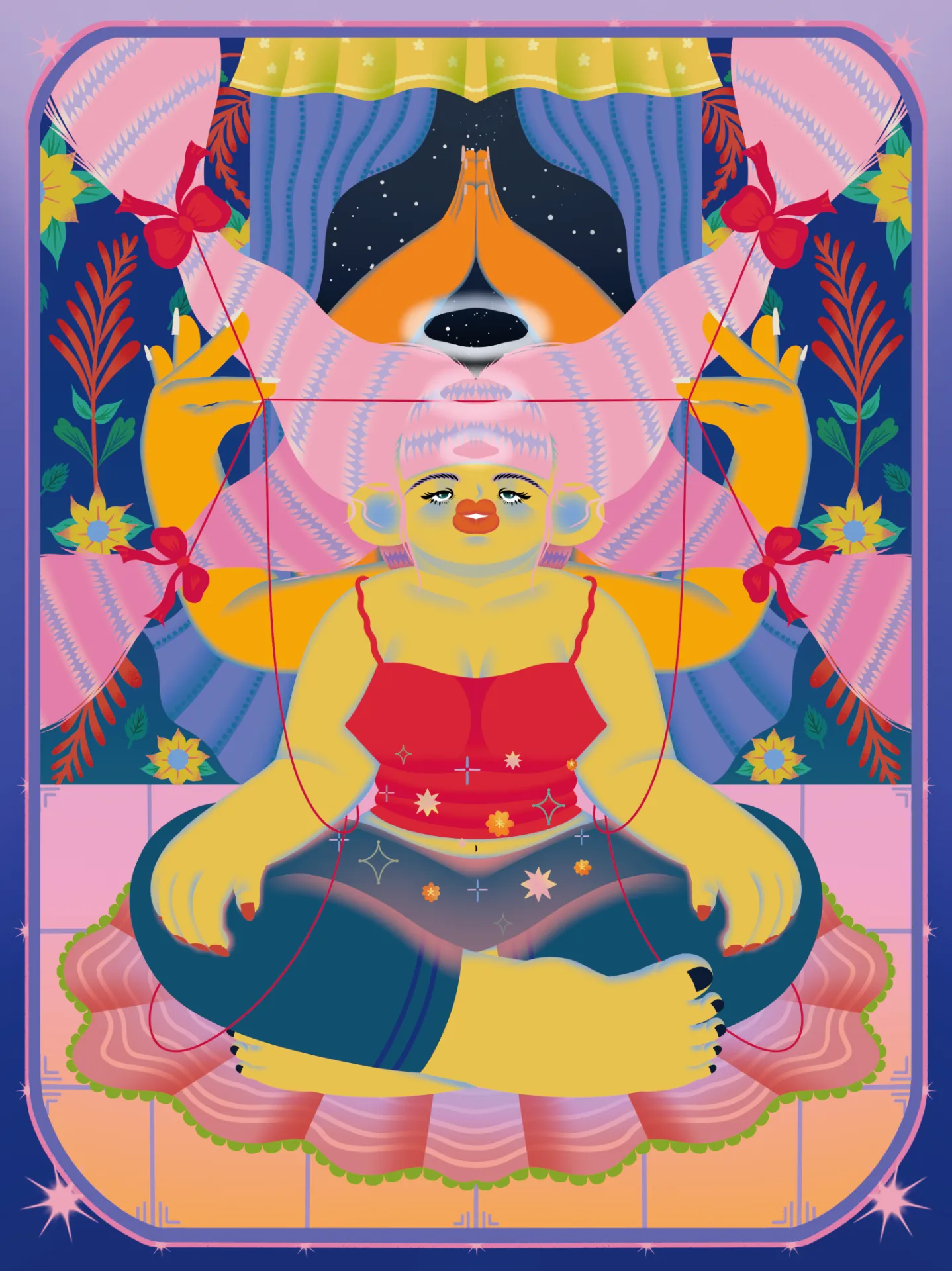
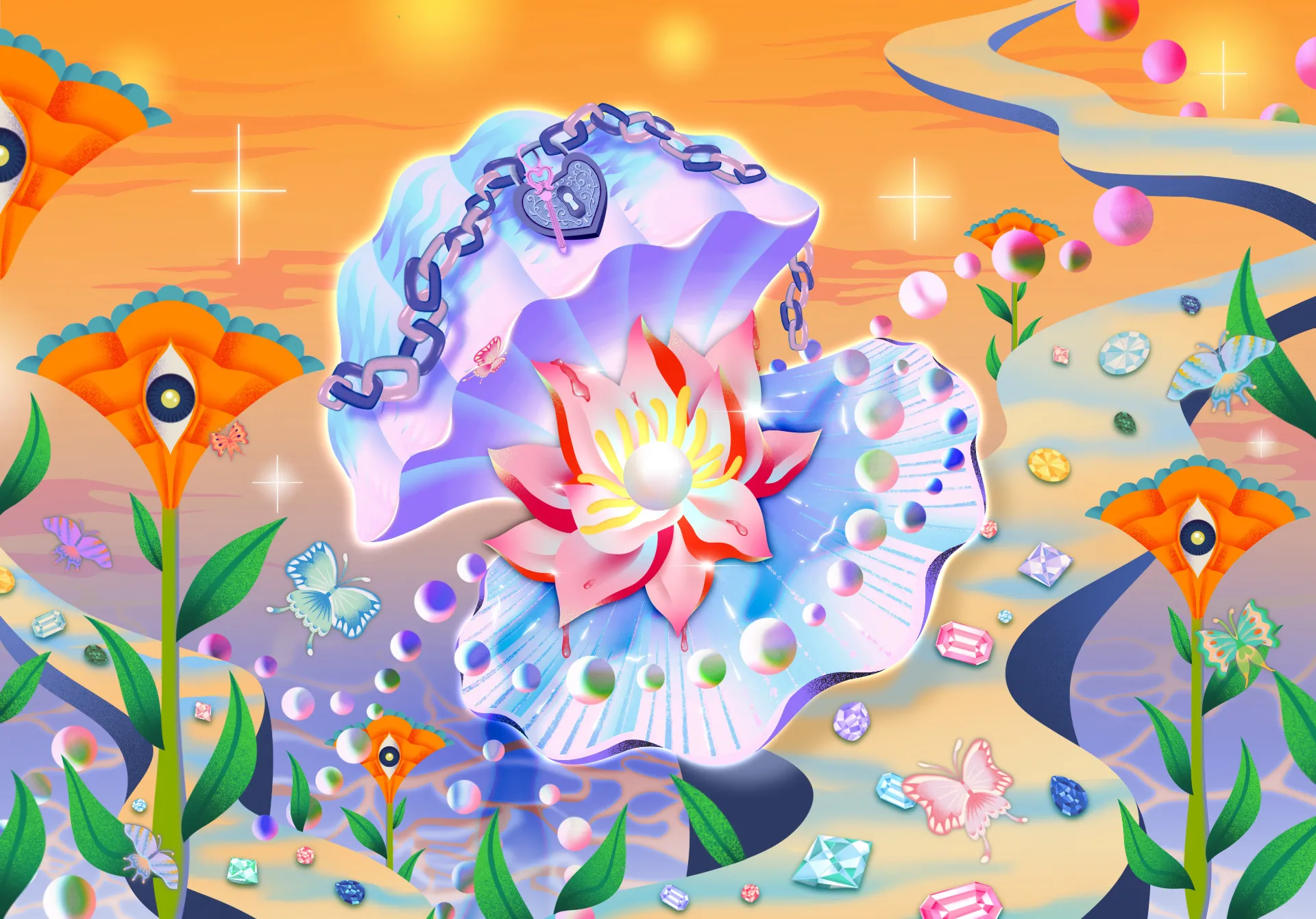
With AI and automation reshaping digital art, what is the one "human" element in your process that you feel cannot be replicated?
I think it's personal experience. Many of my works are influenced by my life, my cultural background, and conversations with people around me. Those memories and emotions naturally shape my visual language. For me, the value of art often lies in that very specific and personal perspective.
Many of your works center female characters navigating mysterious worlds. Are these figures autobiographical, symbolic, or something else?
In some ways they are different versions of myself, but they're not purely autobiographical. I see them more as a collective presence—shaped by real experiences, emotions, and stories shared by many women. In my images they often appear like explorers in parallel worlds, navigating beauty, uncertainty, and hidden dangers.
On IWD 2026, many artists are reflecting on the visibility and representation of women in creative fields. As an illustrator, how do you see your artwork contributing to this conversations?
Women have always been central to my work. As a female artist, it feels natural for me to explore women's experiences and perspectives. My images are not always directly narrative, but I hope the characters carry a sense of strength. They can be vulnerable, curious, and courageous at the same time. If these images resonate with viewers or offer even a small sense of empowerment, that would already feel meaningful to me.
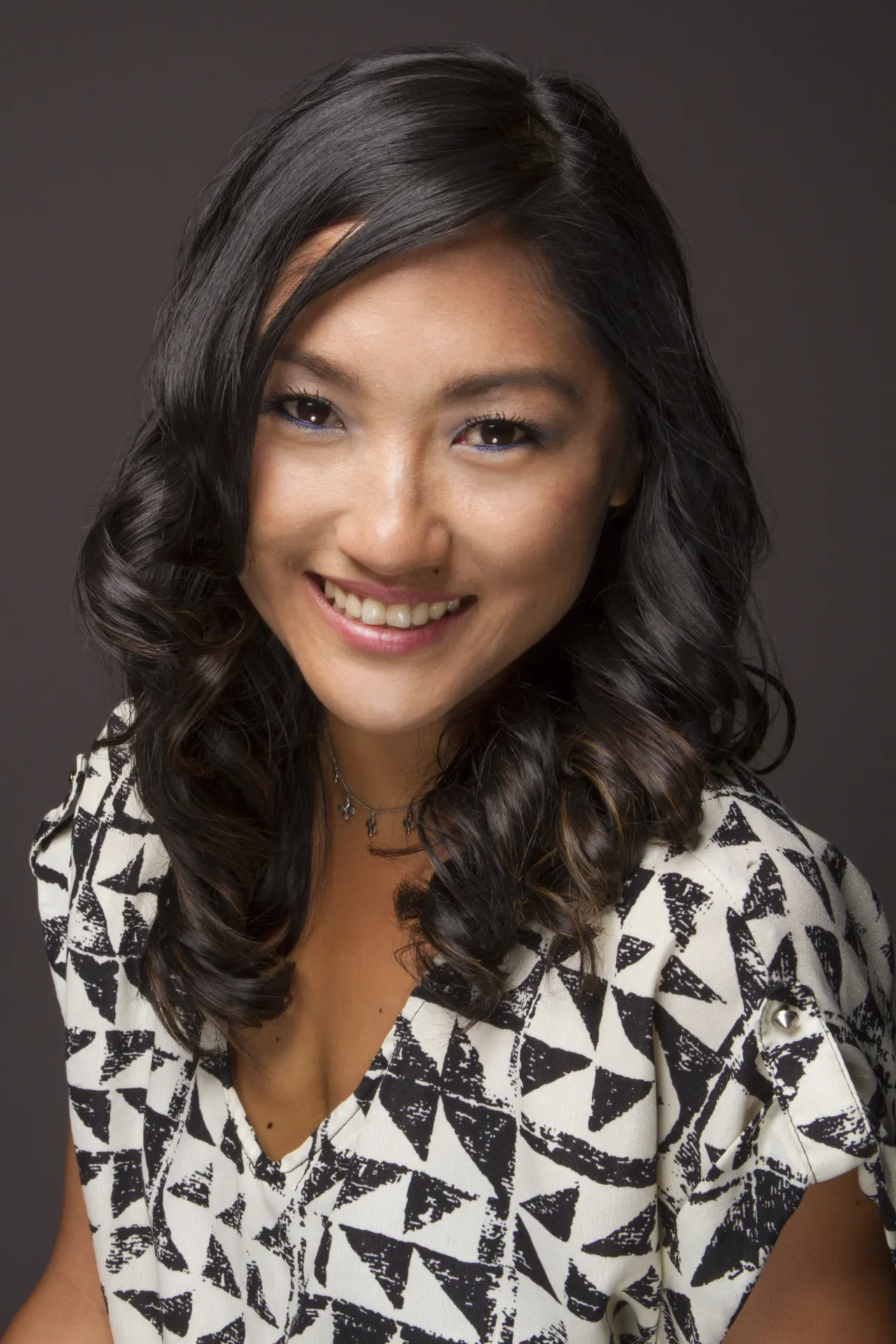
Featured image: © Vanessa Gonzalez Bunster
Jessica Chen
Jessica Chen is a dancer, director, choreographer, renowned for producing visceral and emotionally intense choreography and rhythms, and the founder/artistic director of J CHEN PROJECT, modern dance company based in New York City. Her dancing career started at a young age when he performed traditional dances at Chinese school on Saturdays, such the Dai peacock dance, Kŏngquè wüge. Dance was how she found her place in the world. For her dance are bodies speaking and telling a story. She is a professionist who doesn't just fill space, she reclaims it. Jessica Chen teaches that belonging isn't a place you find, but a rhythm you create. Her work resonates with particular urgency; as an artist navigating cultural, linguistic, and institutional boundaries, she continues to expand the possibilities of representation, not only by telling stories, but by reshaping how they are physically and emotionally experienced. She was able to explore and create her own artistic voice as a dancer, choreographer, and director when she founded J CHEN PROJECT, a 501c3 nonprofit contemporary dance group, in 2008. The company's purpose is to produce dance works that deconstruct identity, cultural diversity, and belonging while also promoting radical, equal access to the arts. Her creations are inherently multicultural. She sees herself as a link between two nations with complex and deep histories since she is Chinese American. Her art is based on the shared memories, her own ancestry, and the things that unite people in a community. Her creative voice is shaped by the nuances of diasporic experience: the negotiation between heritage and assimilation, silence and expression, visibility and erasure. Whether in intimate ensemble pieces or larger stage productions, She choreography as both inquiry and invitation, an embodied dialogue between performer and audience.From her work at Lincoln Center and MOCA to her global collaborations in Shanghai and Taiwan, her choreography is celebrated for its "untranslatable" emotional depth. She was nominated for the Outstanding Choreographer/Creator Bessie Award in 2023 and the Broadway World Regional Productions Best Choreography Award in 2024. She received the 2021 GALLIM Moving Women award. Her acclaimed show AAPI HEROES performed at the Museum of Chinese in America for LNY25. She was working on SUMO at The Public Theater as the 2025 SDCF Director Fellow. Jessica is an enthusiastic SDC member.
When did you realize you wanted to carve a career as a professional dancer ? What motivated you? How old were you when you began training?
I was six years old. My parents tell me that something shifted in me the moment I began. Movement just made sense in a way nothing else did. Throughout my childhood, I performed with the Los Angeles Chinese Folk Dancers under the direction of Olivia Liou. We performed all over Los Angeles to crowds of thousands of people. I never had stage fright. The stage felt like home. The moment I decided to pursue a professional career in the arts was outside The Ailey School in NYC one morning after dance classes. I questioned if I was truly committed, or if I was playing along. The truth, there was a quiet voice in the back of my head saying, "I'm not really trying yet, but if it happens, it happens, I'll go with the flow, maybe I'll get discovered." So my follow up question was, "Do I really want this?" Sometimes you have to name it. Take ownership. Say, I am going to take this risk, which means I might fail or embarrass myself, but I am going to give it everything I have. No regrets. No wondering what might have happened if I had tried. That was the moment. I said out loud, "I am pursuing a career as a professional dancer."
What thrills you the most? Could you share the vibe and what did you feel before making your stage debut?
Honestly, I don't remember my stage debut. I was so young when I started performing that it was just life. When I moved to New York, I immediately started picking up small gigs, so there was no single grand moment I can point to. The stage was just always there. What thrills me is the preparation and then that feeling when you actually get out there. There's a power you have on stage that's hard to describe. A calm. It feels like time stops, or like you are in control of time. You have to rely on your training, practice, and, most of all, your instinct. That's not something you can manufacture or plan for. You have to be present enough to let it happen.
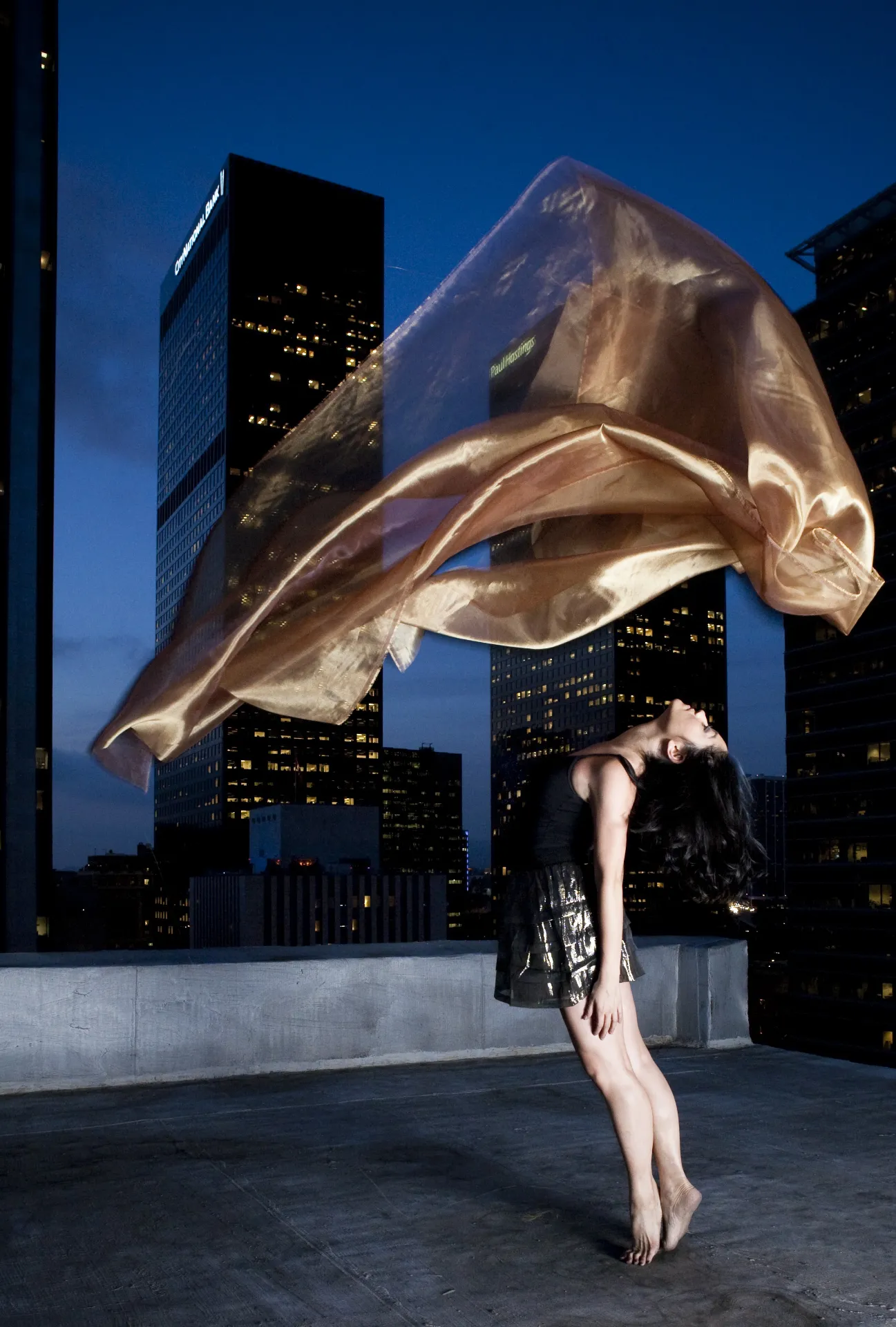
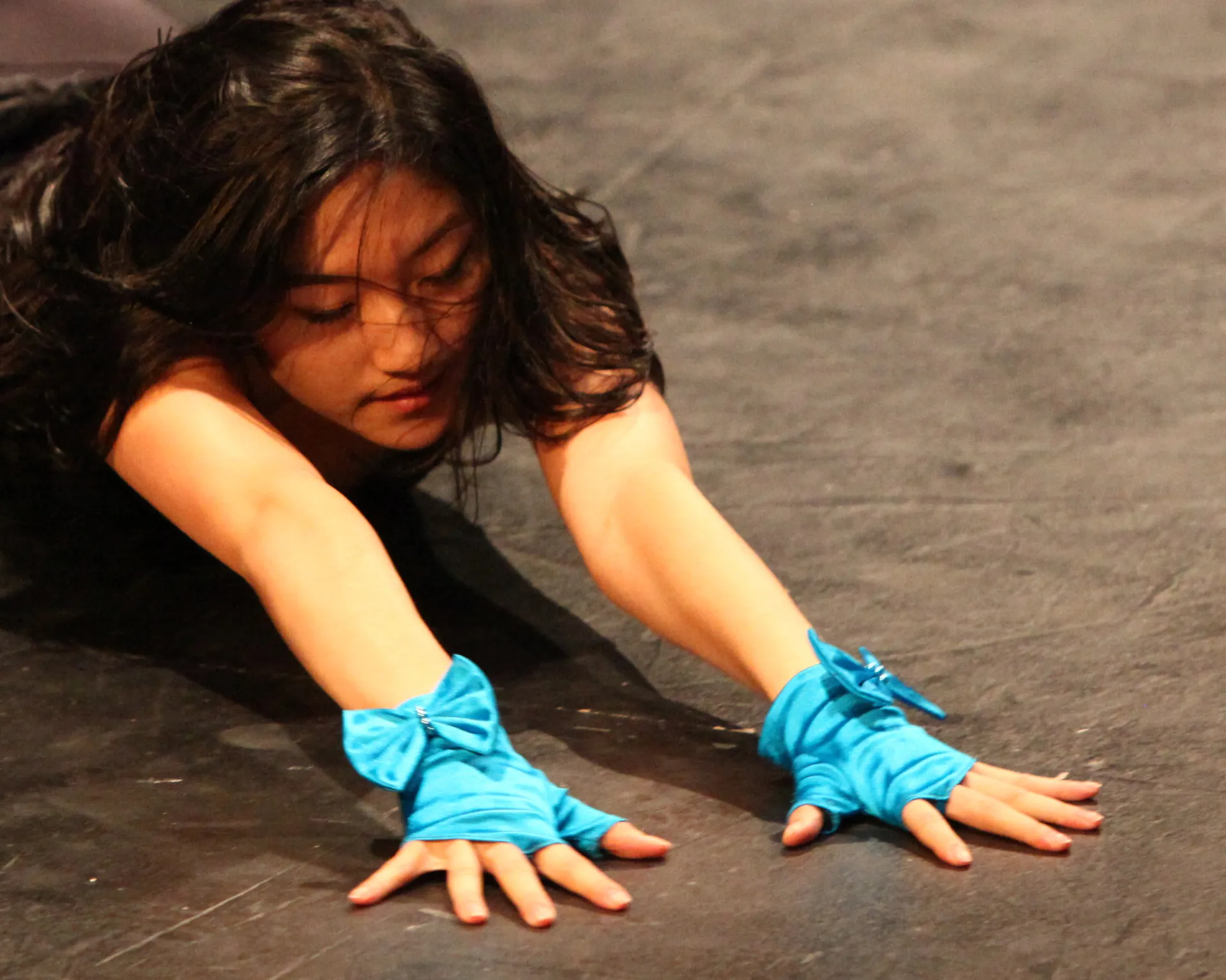
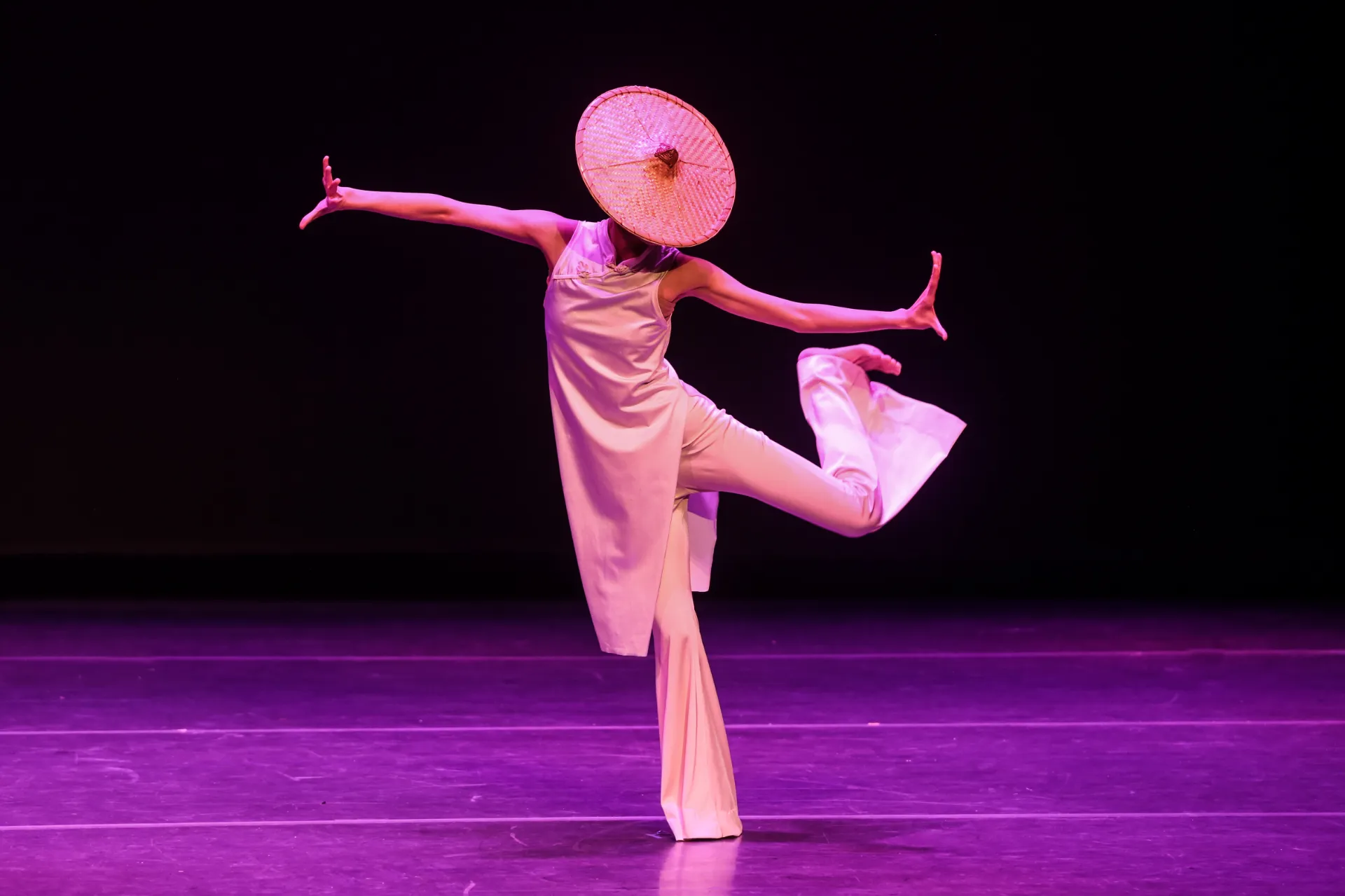
What boundaries did dancing help you overcome in life, other than willpower, passion, and determination? What strength did it provide you?
Dance taught me to take up space without apology. Growing up Chinese American, there's often this pressure to be smaller, quieter, more agreeable. The studio was one of the first places I learned that taking up space is not a transgression. It's necessary. It's the whole point. It also gave me a relationship with failure that I couldn't have found anywhere else. In dance, you fall, you start over, you refine. You don't get to skip the hard parts. And then in 2012, I was in a near-fatal car accident. I was in a coma for 13 days after eight hours of brain surgery. I woke up with broken bones throughout my body and had to relearn how to breathe, sit, stand, and walk. Dance rebuilt me. Surviving that taught me something I couldn't have learned any other way: that the body is more resilient than the mind believes, and that movement is not just an art form. It is a lifeline. I share to connect.
You are artistic director and choreographer at J CHEN PROJECT. What is the creative process to set up new choreography for performances? Where do you take inspiration?
My process always starts with a question, not an answer. Something I'm sitting with, something unresolved, something I need to understand better about myself or the world. I'm drawn to the things that don't wrap up neatly: identity, belonging, what it means to be Chinese American in this country right now.
As a Chinese American artist, how has your sense of storytelling and belonging shifted throughout your career, and how has that transformation influenced the way you create choreography?
I started in Chinese folk dance, where every dance tells a story. That was my first relationship to storytelling and to my heritage. When I began creating my own work, I started telling my own stories. Then I moved into theater, and words became another tool. Mythology has always been a natural entry point for me. Because I grew up in the United States, I never lived on the land of my ancestors, but mythology bridged that distance. I loved the Monkey King. I loved the story of how the Chinese zodiac animals were ordered. I am the year of the rat, and I used to resent that, until I learned that the rat finished first. Storytelling has a way of doing that. It changes how you see yourself. Early in my career there was enormous pressure to translate myself, to make my experience legible to audiences who did not share my background. Over time I stopped. The most specific work is always the most universal. Belonging, I have learned, is not something you find. It is something you build.
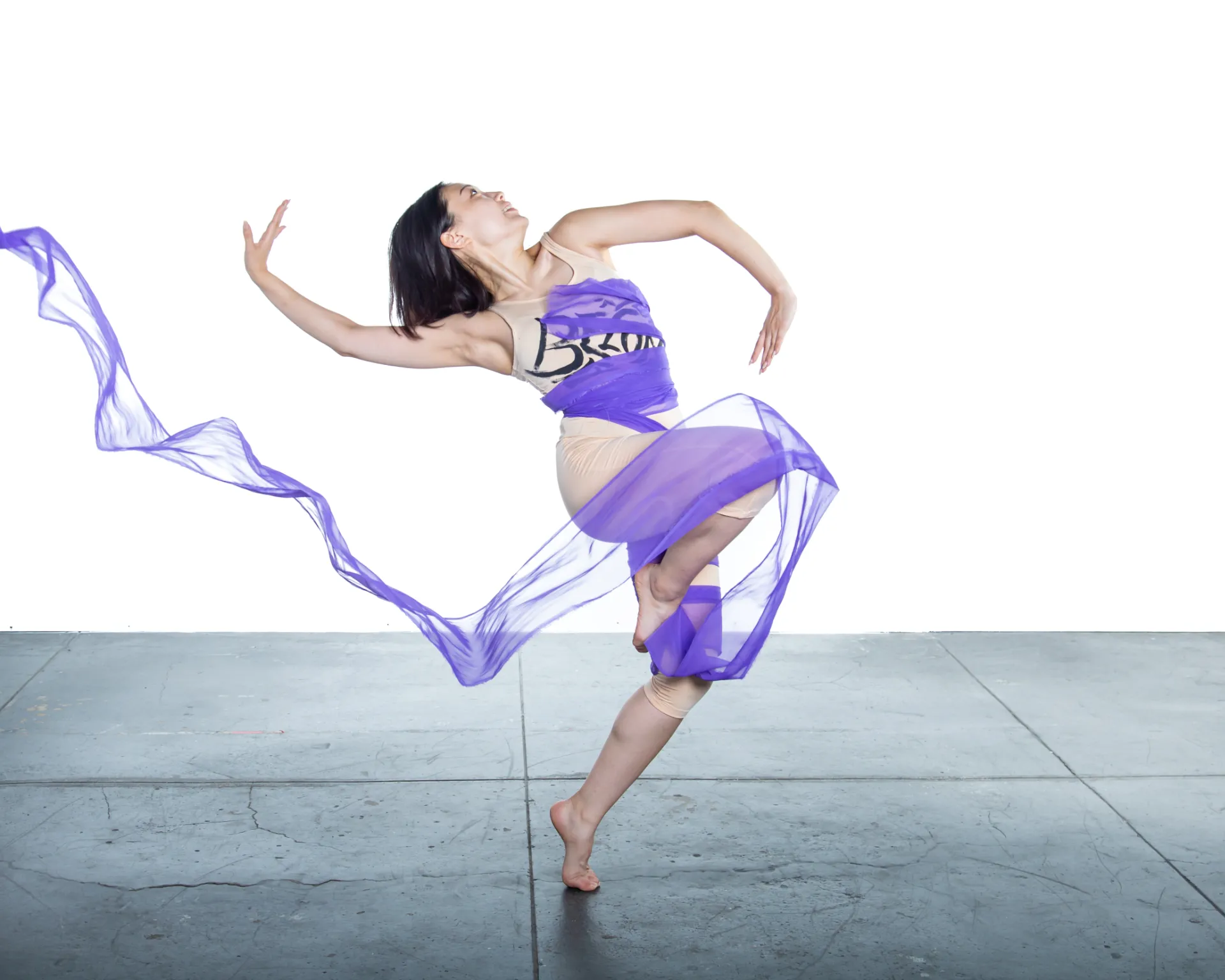
Your work explores identity and the human experience through movement and dance. Do you believe the body can communicate a more visceral truth than language, something beyond what a script or book alone can express?
Yes, completely. Language is extraordinary, and it has limitations. Dance opens the imagination in a way that words alone cannot. An arm in the air, hanging for what seems like an eternity, can communicate grief, joy, defiance, and longing all at once. The visceral experience of witnessing a moving body can elicit a profound sense of empathy. That kind of connection doesn't require translation.
How do you balance the desire to tell deeply personal, specific stories without feeling the pressure to be a 'spokesperson' for the entire Chinese American experience?
Representation matters. I am grateful to have a platform to create and share my art. Growing up, I was surrounded by the Chinese American community, but I never saw my stories represented in wider American media or on mainstream stages. That absence shapes you in ways you don't fully understand until you're older. So when I create work, I think about the young person in the audience who might be seeing herself on stage for the first time.
Could you please share a meaningful story from backstage that still holds a special place in your heart?
There's one moment I return to often. I was performing a duet I had choreographed, and mid-performance, the music skipped, jumping forward and cutting out an entire section. The finale was a series of intense lifts: I would launch myself at my partner, and he'd flip me over his shoulders. Those lifts depended completely on the music for timing and safety. On stage, in front of a full audience, we looked at each other. He said quietly, "Did the music just skip?" I said, "Yes." He said, "Should we skip to the end?" I said, "Yes." And we did, seamlessly. That moment encapsulates everything I believe about this work. We made a split-second decision together under pressure, and it held, because we trusted each other completely. I have always felt safest on stage. That safety comes from trust. That's the culture I try to build in every rehearsal room I lead. Community. Trust. Camaraderie. Without those, the lifts don't work.
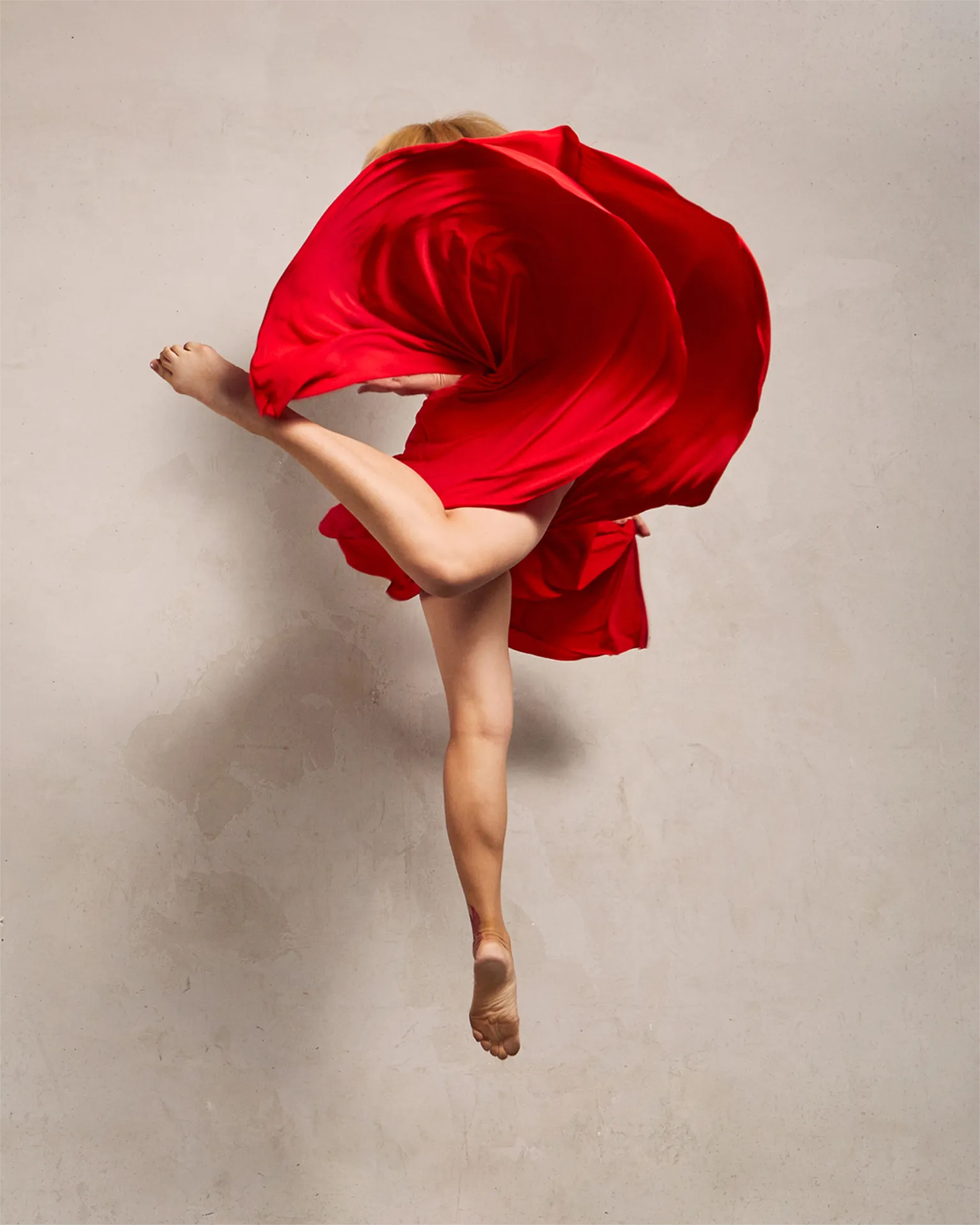
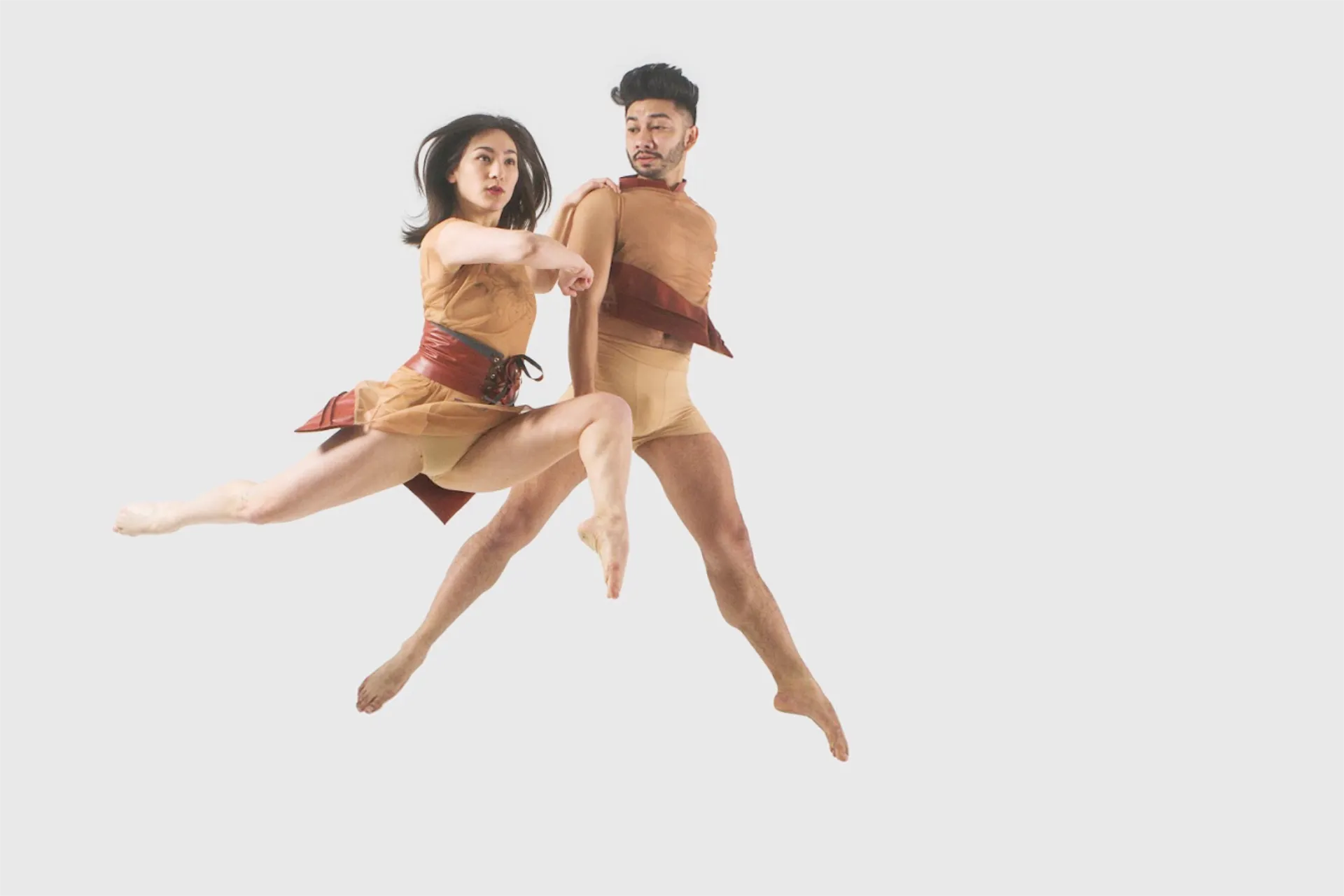
IWD 2026 highlights the idea that when we give support, we create progress. As the leader of a nonprofit dance company, in what ways has offering opportunities to dancers deepened and enriched the artistic vision of your latest works?
Supporting artists is central to what J CHEN PROJECT does. I create opportunities and build an environment where dancers can do their best work. When people feel supported, they show up fully. And that energy is in the room when we create.
You have described the body as a 'political vessel.' In the context of this year's IWD focus on 'Rights and Justice,' how can dance serve as a form of 'Action' for women whose stories have been legally or socially marginalized?
The body has always been a political site, especially the bodies of women and women of color. Laws are written about our bodies. Social norms are imposed on them. So when we put those bodies on stage and let them speak, that is a powerful act. Dance recovers histories that have been erased from our collective memory. It transforms silence into voice and invisibility into presence. For women whose stories have been overlooked or dismissed, the stage is an act of reclamation. You cannot erase what has been witnessed.