The Architecture of Memory: Wong Wo Bik’s Lifelong Conversation With Hong Kong
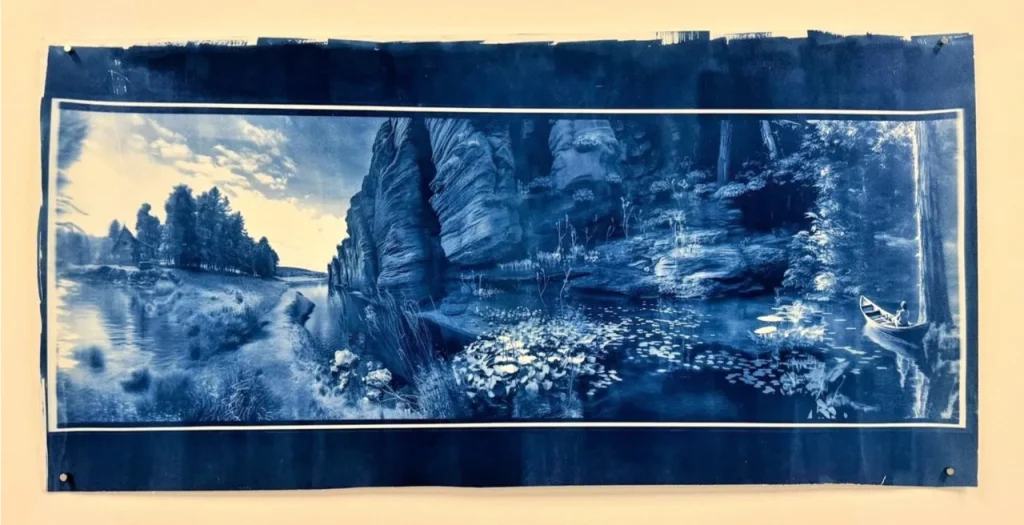
Wong Wo Bik designed to explore artistic philosophy, Hong Kong identity, visual language, and personal reflection in a deeper way.
Fine arts photographer Wong Wo Bik (王禾璧) is renowned for her photographic depiction of Hong Kong’s historically and culturally significant structures and architecture. She has an extensive and energetic career also as a curator, researcher, art educator, and media artist. In 1977, she earned a Bachelor of Fine Arts in sculpting and printing from Columbus College of Art and Design in Ohio, and in 1979, she achieved a Master of Fine Arts in Photography from Temple University’s Tyler School of Art in Philadelphia. In the 1980s, she started taking pictures of Hong Kong’s old buildings and scenery. She is interested in investigating historic structures that could eventually be dismantled or destroyed to keep a track of life, history and memory. Photography is a tool for creating memories not only as a means of preserving them. Her creations represent her personal experience “vanquishing time and space” in the location in addition to serving as a historical record of historic structures. She feels that the architecture she observes in Hong Kong’s streets tells tales about the people who lived there, thus she attempts to utilize art as a means of expressing and shedding perspective on these different locations.
Since her photos depict her experiences and tales at the locations, her artwork also includes artistic alterations. She has a persistent interest in temporal and spatial interchange. Particularly in the photographs she took while traveling, she employs light, which enters through many shapes and materials, as well as space and non-space, to represent shifts from the familiar to the unknown. When viewers turn around the piece, their attention is unintentionally diverted. Through the use of both still and moving photos, she seeks to explore the beauty of the vanishing built environment and cityscape. She is the fellowship recipient of Asian Cultural Council (ACC) and Institute of International Education (IIE) in 1995 respectively. Since 1996, she has served as the Museum’s Honorary Advisor for the Department of Leisure and Cultural Services. In 2010, she was a founding member of the Hong Kong International Photo Festival (Hong Kong Photographic Culture Association). In 2013, she received an award from the Hong Kong Women Excellence in the Six Arts, Hong Kong Federation of Women. Her practice is an ongoing dialogue with time. Her artworks are exhibited permanently at Hong Kong Heritage Museum (Hong Kong, China), Hong Kong M+ Museum, Guangdong Museum of Art (Guangzhou, China), Archive of Modern Conflict (London, Great Britain), and private collectors (Hong Kong and United States). She continues to challenge humans to look at our surroundings not just as real estate, but as vessels of collective history.
What are your best childhood memories related to visual art and photography? What motivated you to pursue a career in this field? What is something photography allows you to express that words cannot?
During my primary school years, the school provided a dedicated space where I could create drawings, often for student competitions representing the school. After graduating from secondary school with modest results, I was unable to gain admission to Hong Kong’s top universities in the mid-1970s. Instead, I enrolled in evening courses in design and fine arts through the Chinese University of Hong Kong’s Extra-Mural Studies (now known as continuing education) while working as a clerical officer or secretary in various institutions and for the Hong Kong Government. This continued until January 1975, when I decided to pursue further studies abroad.
One of her friends tells her that she saw a lost family portrait from the 1930s, which piques her curiosity about the missing pictures.
Do you remember your earliest photos, camera or fill roll?
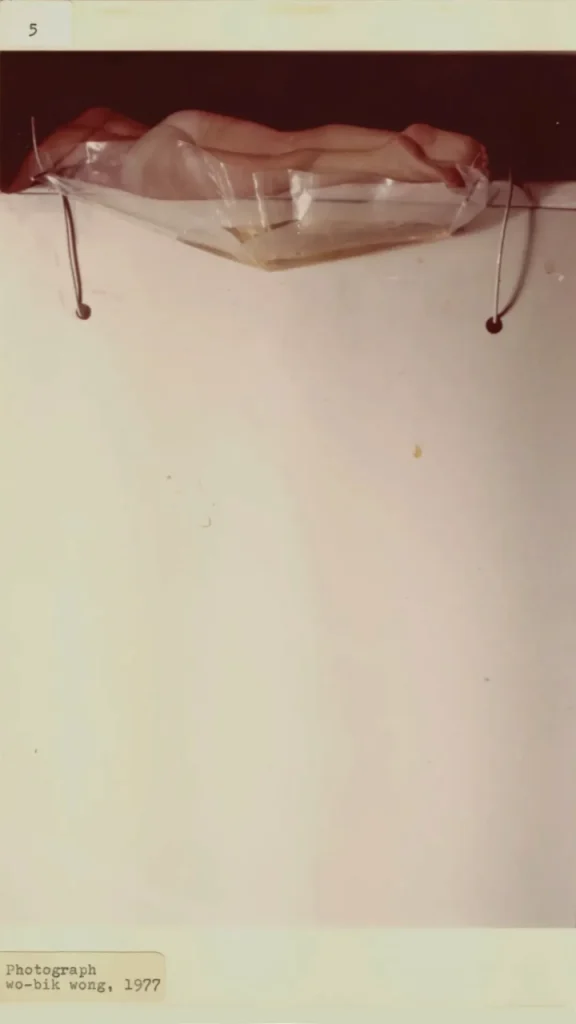
I did not begin using a camera until I went abroad to study, when I acquired a Minolta camera equipped with a standard 50mm lens. During my undergraduate years at Columbus College of Art & Design in Columbus, Ohio, USA, I started photographing my surroundings using whatever equipment and materials were available at the time. For example, I captured images of a cut-out nude model juxtaposed against a large sheet of wrapped plastic on the wall (which I had hung to help conserve heat and prevent heat loss during the cold Ohio winter), placed in a bathtub filled with water, or set in front of a painting depicting outer space. These compositions created cool, expressive, and atmospheric scenes. Through photography, I was able to convey ideas and emotions that words alone could not express. I called this series of works “Mindscape” and “Levitation” series. To save money, I purchased a 100-foot roll of Kodak black-and-white film (ASA 100). I obtained empty film cassettes free of charge from a local photo store and loaded them myself, yielding approximately 18 rolls of 36-exposure film from a single bulk roll.
What doubts or challenges have most influenced your growth as an artist?
Before I truly began my journey as an artist, I held a rather naive belief: that graduating from art school would automatically make me an artist. Back then, I never questioned what it would take—I simply assumed that if I was prepared to confront whatever challenges came my way, becoming an artist would follow naturally.
Wong Wo Bik seeks to recount and reimagine stories through creative fabrications, as well as her own subjective account of her experiences while exploring the place.

Hong Kong has a distinctive photographic identity compared to other cities. How has growing up in Hong Kong shaped your visual sensibility? Is there a part of the city you feel most connected to photographically, and why?
The hilly, undulating landscape of Hong Kong Island is the area I feel most connected to as a photographer. I enjoy wandering up and down staircases and sloped streets, capturing the lively, human activity that unfolds along the way.
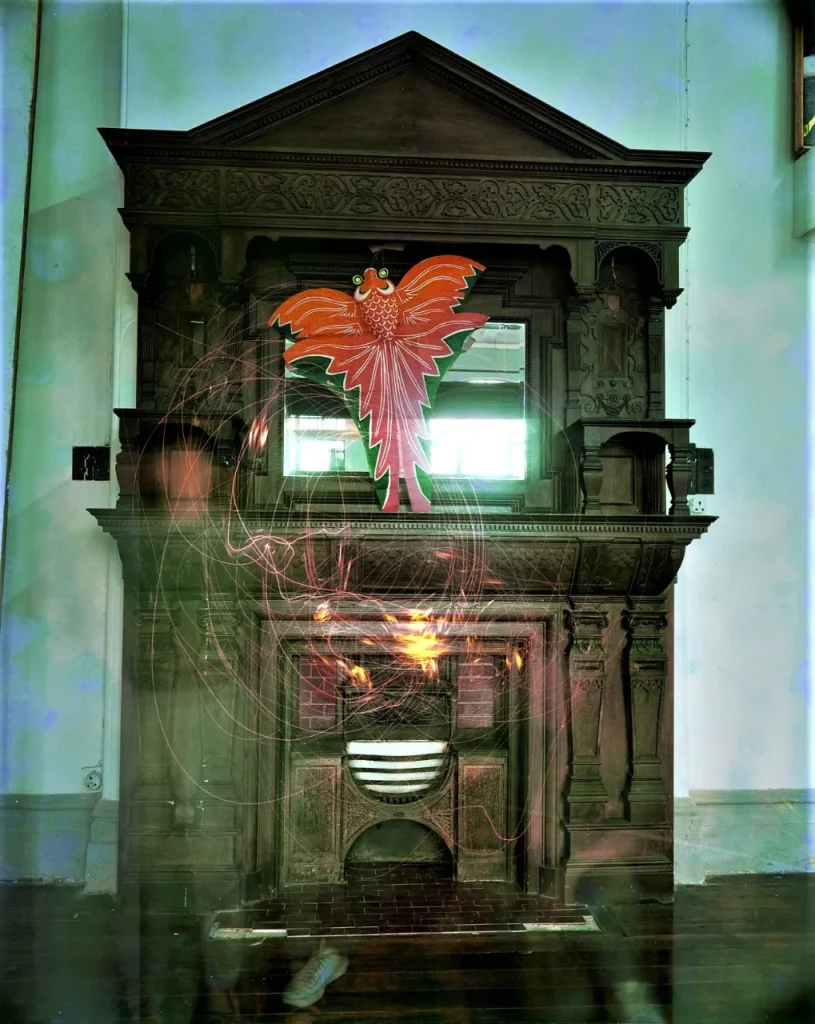
Your photographs often feel intimate and quietly observant. Has there been a project that fundamentally changed how you see the world?
I have always been a quiet observer, approaching situations with quiet confidence and an intuitive sense of what might unfold next. During a memorable field trip with my students to photograph the old electric tram depot in Causeway Bay—shortly before it was demolished to make way for Times Square (opened in 1994, site cleared in the late 1980s/early 1990s) — my students urged me to head up to the Mid-Levels to capture images of the deserted Eu Mansions (Euston Mansion in Bonham Street and Eucliff Mansion in Repulse Bay) in the mid 1980’s before they too were lost, especially with Hong Kong’s rapid redevelopment era and this project fundamentally changed my view to see the world in a different perspective.
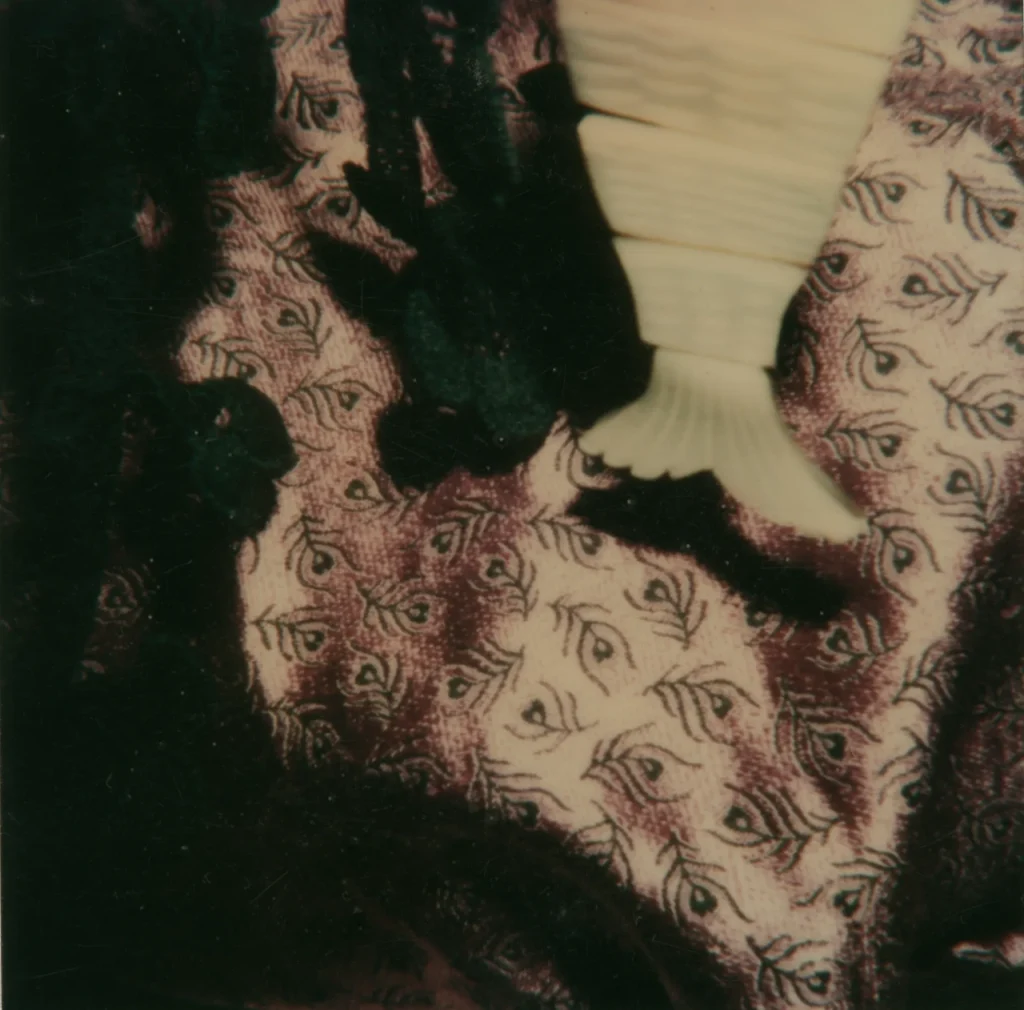
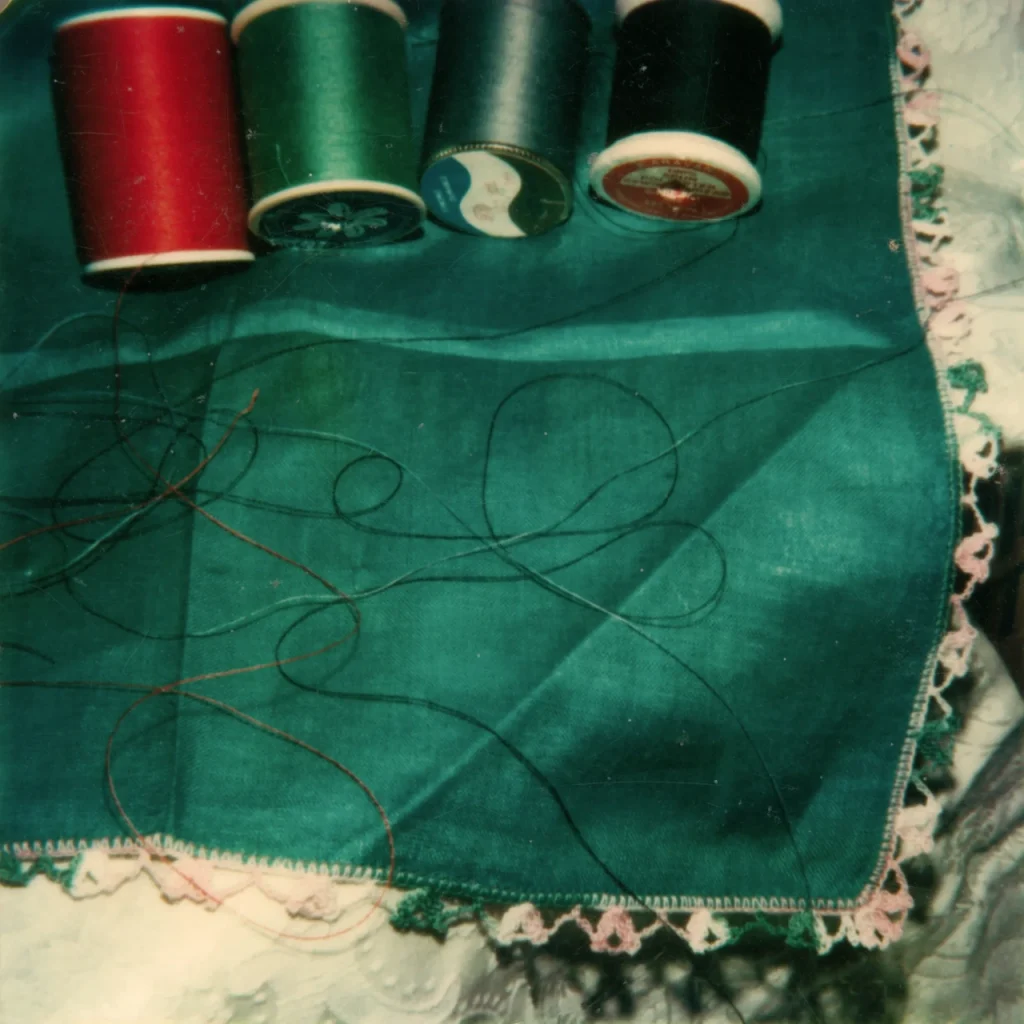
She also developed the Polaroid series, which mimics a thriller movie by simulating a crime scenario in a single frame.
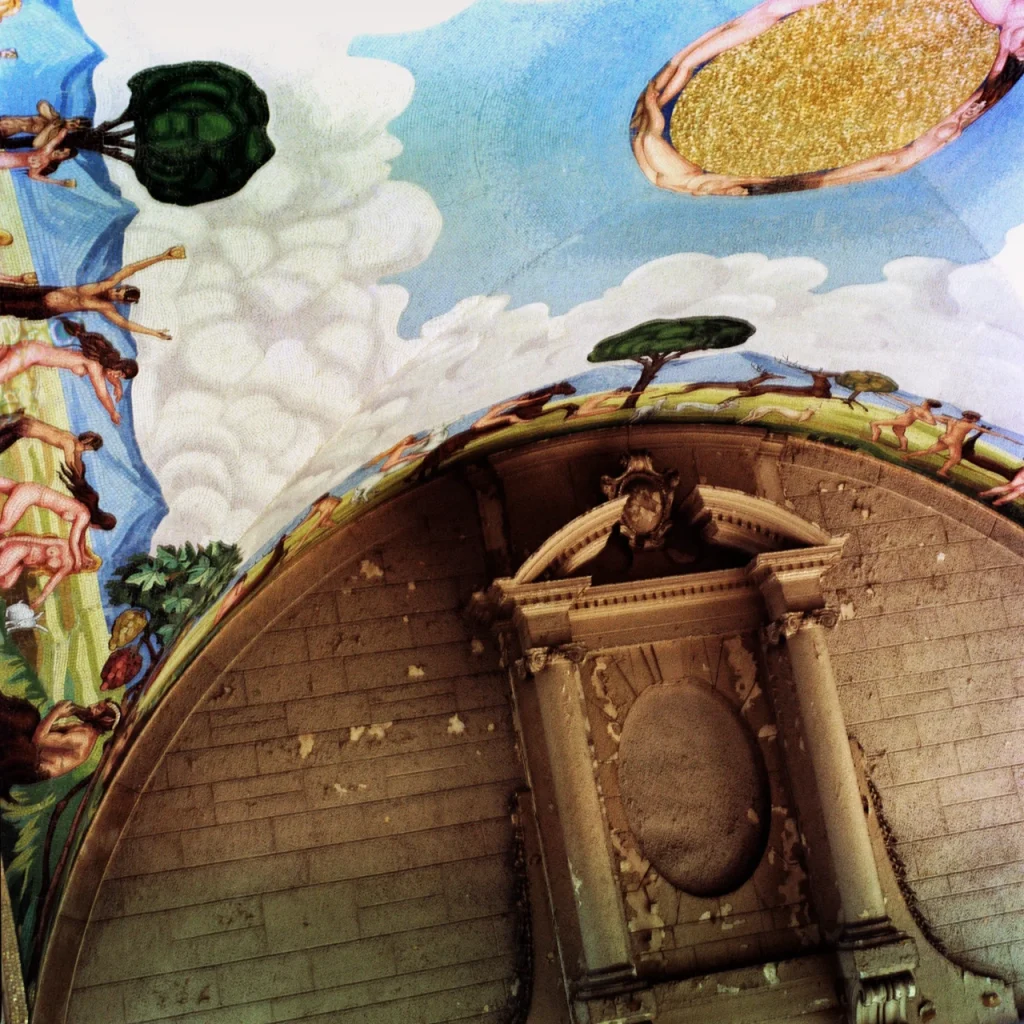
Many architectural and fine art photographers focus on rigid geometry. Your work often feels more atmospheric and emotional. What were the sensory experiences (sounds, smells) that influenced how you framed your shots?
I often tell people that the birth of photography never dictated the use of any rigid geometric rules for capturing architecture. Instead, what truly matters is drawing from life experience and a deep concern for the atmosphere. When I focus on a subject—whether it involves architecture or street scenes—I become oblivious to sensory distractions like sounds or smells. I frame my shots purely by intuition.
You’ve witnessed the total shift from darkrooms to digital. Does the “infinite” nature of digital photography take away the “preciousness” of the moment that you felt when you only had some rolls of film in your bag?
I still cherish the quiet “preciousness” of carrying rolls of film in my bag—each one holding latent possibilities waiting to be revealed. At the same time, I deeply value the remarkable advancements of human creativity embodied in digital photography, which has opened entirely new ways of seeing and capturing the world.
She worked as a researcher at the Hong Kong Heritage Museum and taught photography and communication at the Hong Kong Arts Centre and many Hong Kong universities, including the University of Hong Kong, the Chinese University of Hong Kong, and City University of Hong Kong.
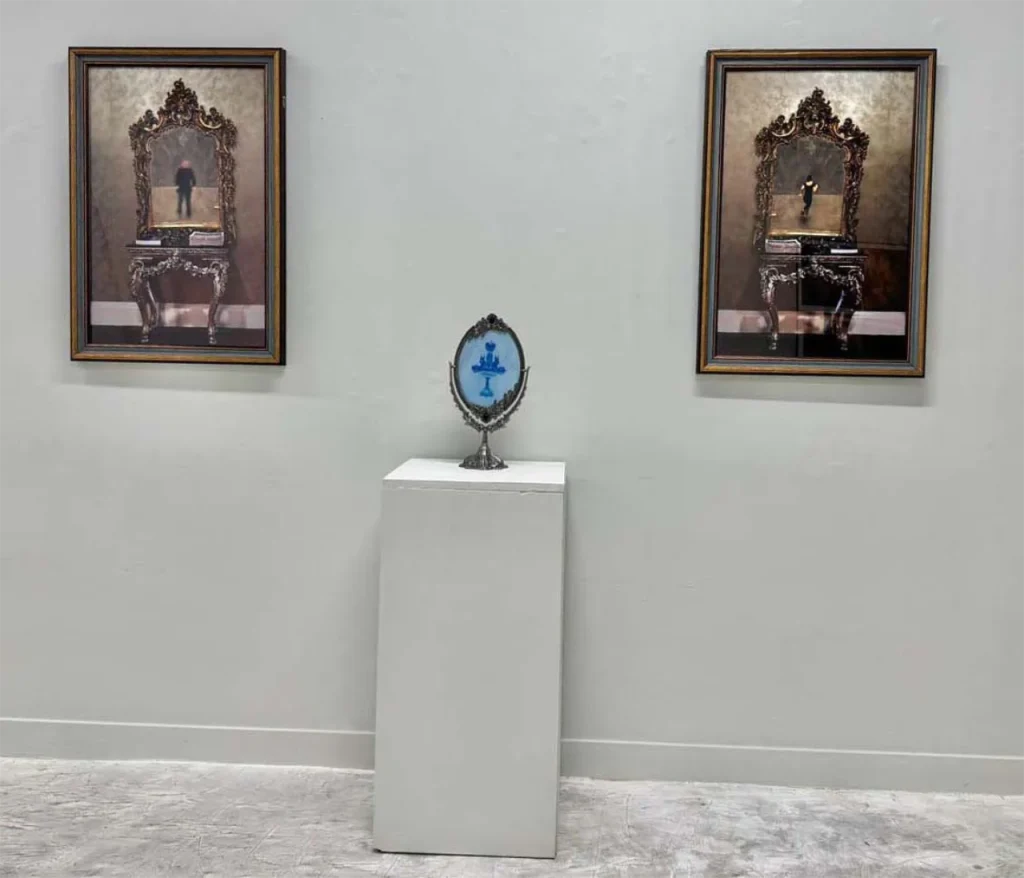
How do you think social media has changed the way photography is perceived and valued?
Social media has transformed photography by making it more accessible that anyone can now capture and share images instantly with a global audience, amplifying diverse voices and everyday creativity. However, the constant flood of photos has often reduced their perceived value, turning many into fleeting “content” rather than lasting depth or craft like what we treasured with a rolled film. While it has greatly expanded photography’s reach, but prioritizing speed and visibility over contemplation and quality.
Wong Wo Bik displays the image that she recreated of the 1930s by enlisting her friends to mimic the original at the Woman Wanted exhibition at the Hong Kong Heritage Museum.
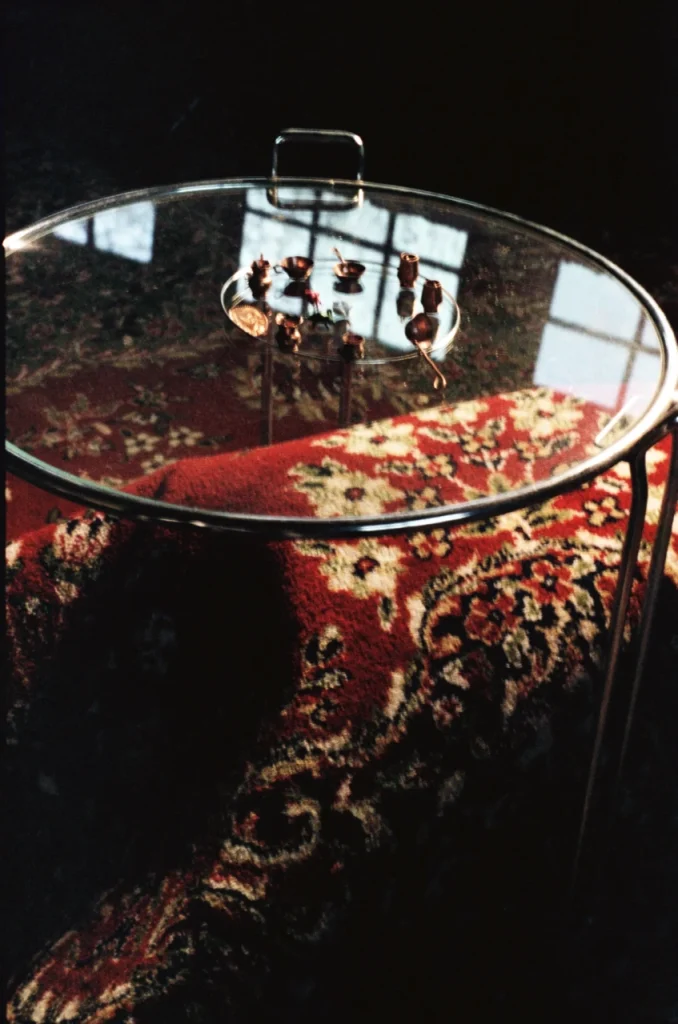
When you started, being a “female photographer” was often treated as a novelty or a niche. Nowadays the industry has changed immensely. Do you feel the “female gaze” is finally being valued as a standard, or is there still a lot of “struggle for having a space” in the arts?
I’ve read articles labeling “female artists” as marginalized or confined to a niche category, but concepts like the “male gaze” or “female gaze” simply represent different modes of observation rather than inherent hierarchies. Ultimately, every artist—regardless of gender—must fight for recognition and space in society. The real struggle lies not primarily in gender dynamics, but in the broader tension between genuine creativity and the forces of non-creativity that stifle it.
Wong Wo Bik throughout her career, she has given visibility to the invisible—both in the crumbling heritage buildings she rescued through her lens and in the mentorship she provides to the next generation of female artists.
Your work focuses also on “marginal and forgotten” spaces. You have “given” a permanent life to buildings that were destined to be forgotten (like the Kowloon Walled City). On a day like IWD, which celebrates often-overlooked achievements, do you see a parallel between the “invisible” history of Hong Kong’s architecture and the “invisible” labor of the women who lived in the city?
In capturing architecture on the verge of disappearing or in full bloom, I hadn’t consciously sought parallels between Hong Kong’s erased architectural past and the hidden labor of its women. Yet reflection reveals a shared invisibility: the immense, quiet strength of housewives who spent lifetimes nurturing families, quietly relinquishing their own ideals and individuality in the process—an unseen force sustaining the city, much like the overlooked histories in its fading structures.
Photos courtesy of Wong Wo Bik
Post Author