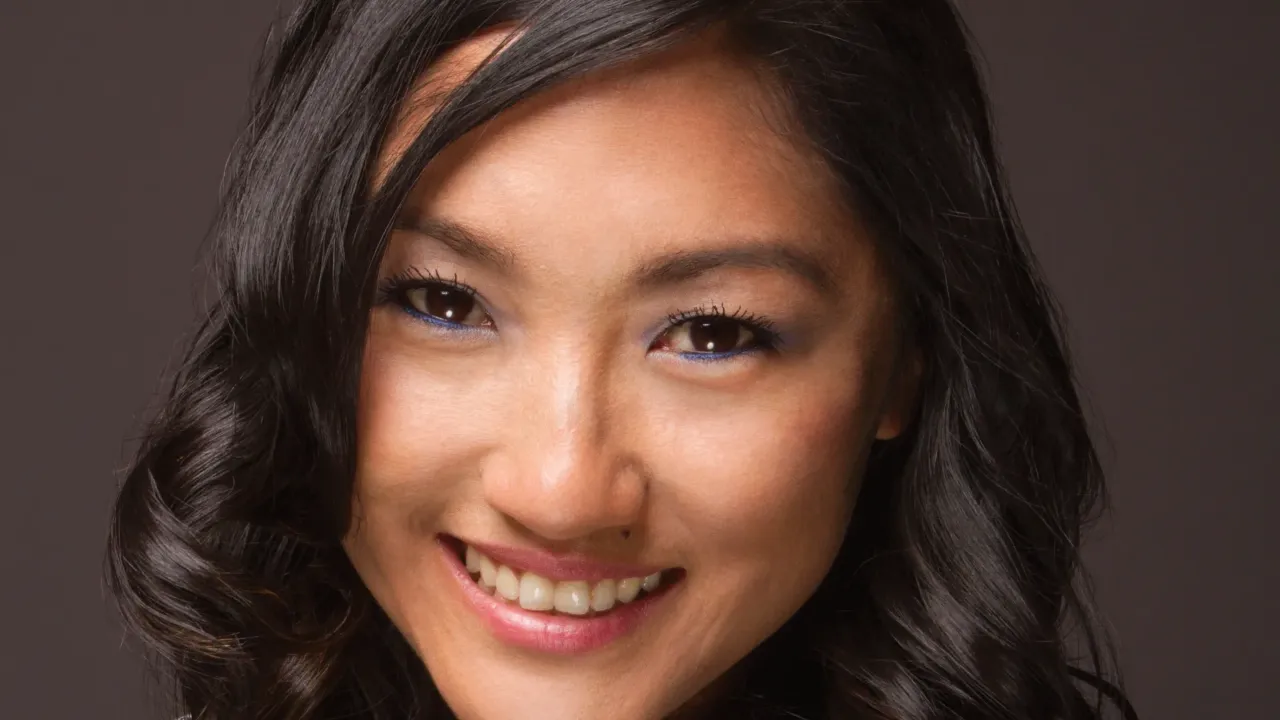
How the founder of J CHEN PROJECT turned diasporic tension into a new language of the body
Dancer, choreographer and founder Jessica Chen is the rhythmic force behind J CHEN PROJECT.
Jessica Chen is a dancer, director, choreographer, renowned for producing visceral and emotionally intense choreography and rhythms, and the founder/artistic director of J CHEN PROJECT, modern dance company based in New York City. Her dancing career started at a young age when he performed traditional dances at Chinese school on Saturdays, such the Dai peacock dance, Kŏngquè wüge. Dance was how she found her place in the world. For her dance are bodies speaking and telling a story. She is a professionist who doesn’t just fill space, she reclaims it. Jessica Chen teaches that belonging isn’t a place you find, but a rhythm you create. Her work resonates with particular urgency; as an artist navigating cultural, linguistic, and institutional boundaries, she continues to expand the possibilities of representation, not only by telling stories, but by reshaping how they are physically and emotionally experienced. She was able to explore and create her own artistic voice as a dancer, choreographer, and director when she founded J CHEN PROJECT, a 501c3 nonprofit contemporary dance group, in 2008.
The company’s purpose is to produce dance works that deconstruct identity, cultural diversity, and belonging while also promoting radical, equal access to the arts. Her creations are inherently multicultural. She sees herself as a link between two nations with complex and deep histories since she is Chinese American. Her art is based on the shared memories, her own ancestry, and the things that unite people in a community. Her creative voice is shaped by the nuances of diasporic experience: the negotiation between heritage and assimilation, silence and expression, visibility and erasure. Whether in intimate ensemble pieces or larger stage productions, She choreography as both inquiry and invitation, an embodied dialogue between performer and audience.From her work at Lincoln Center and MOCA to her global collaborations in Shanghai and Taiwan, her choreography is celebrated for its “untranslatable” emotional depth. She was nominated for the Outstanding Choreographer/Creator Bessie Award in 2023 and the Broadway World Regional Productions Best Choreography Award in 2024. She received the 2021 GALLIM Moving Women award. Her acclaimed show AAPI HEROES performed at the Museum of Chinese in America for LNY25. She was working on SUMO at The Public Theater as the 2025 SDCF Director Fellow. Jessica is an enthusiastic SDC member.
Official Site | Jessica Chen Project | Instagram | Youtube
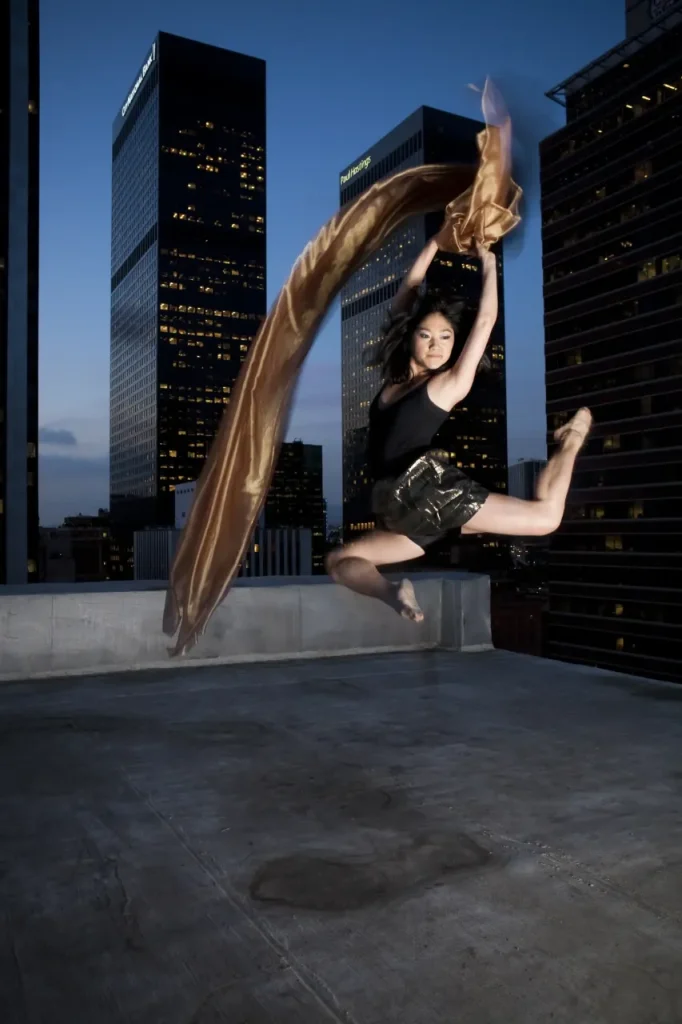
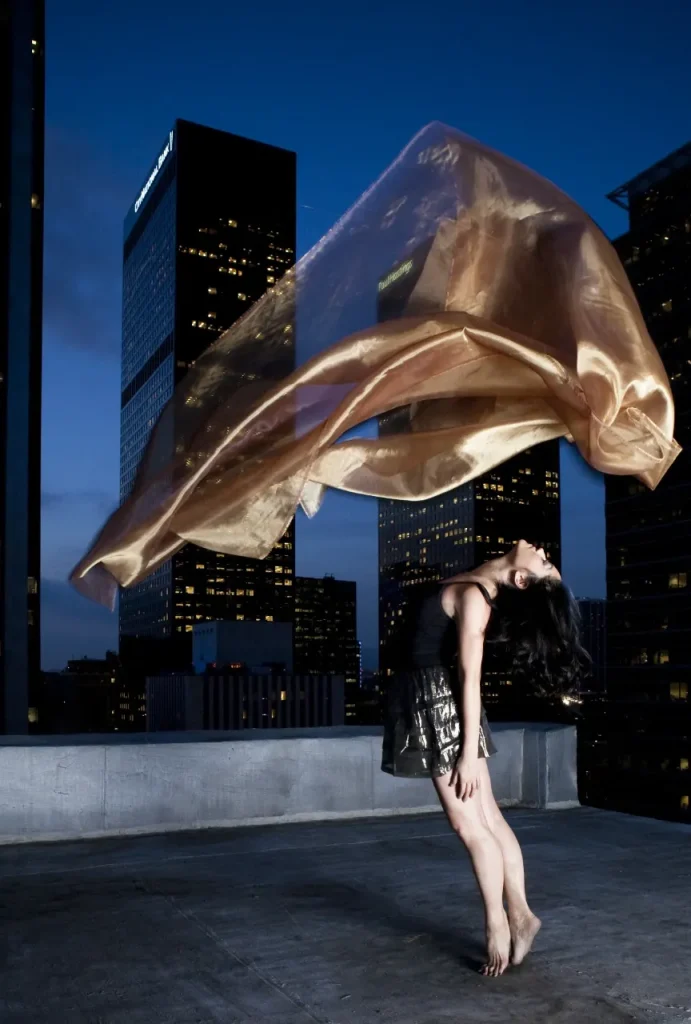
When did you realize you wanted to carve a career as a professional dancer ? What motivated you? How old were you when you began training?
I was six years old. My parents tell me that something shifted in me the moment I began. Movement just made sense in a way nothing else did. Throughout my childhood, I performed with the Los Angeles Chinese Folk Dancers under the direction of Olivia Liou. We performed all over Los Angeles to crowds of thousands of people. I never had stage fright. The stage felt like home. The moment I decided to pursue a professional career in the arts was outside The Ailey School in NYC one morning after dance classes. I questioned if I was truly committed, or if I was playing along. The truth, there was a quiet voice in the back of my head saying, “I’m not really trying yet, but if it happens, it happens, I’ll go with the flow, maybe I’ll get discovered.” So my follow up question was, “Do I really want this?” Sometimes you have to name it. Take ownership. Say, I am going to take this risk, which means I might fail or embarrass myself, but I am going to give it everything I have. No regrets. No wondering what might have happened if I had tried. That was the moment. I said out loud, “I am pursuing a career as a professional dancer.”
A Director and Choreographer dedicated to the AAPI narrative, she translates the complexities of the Chinese American identity into world-class movement.
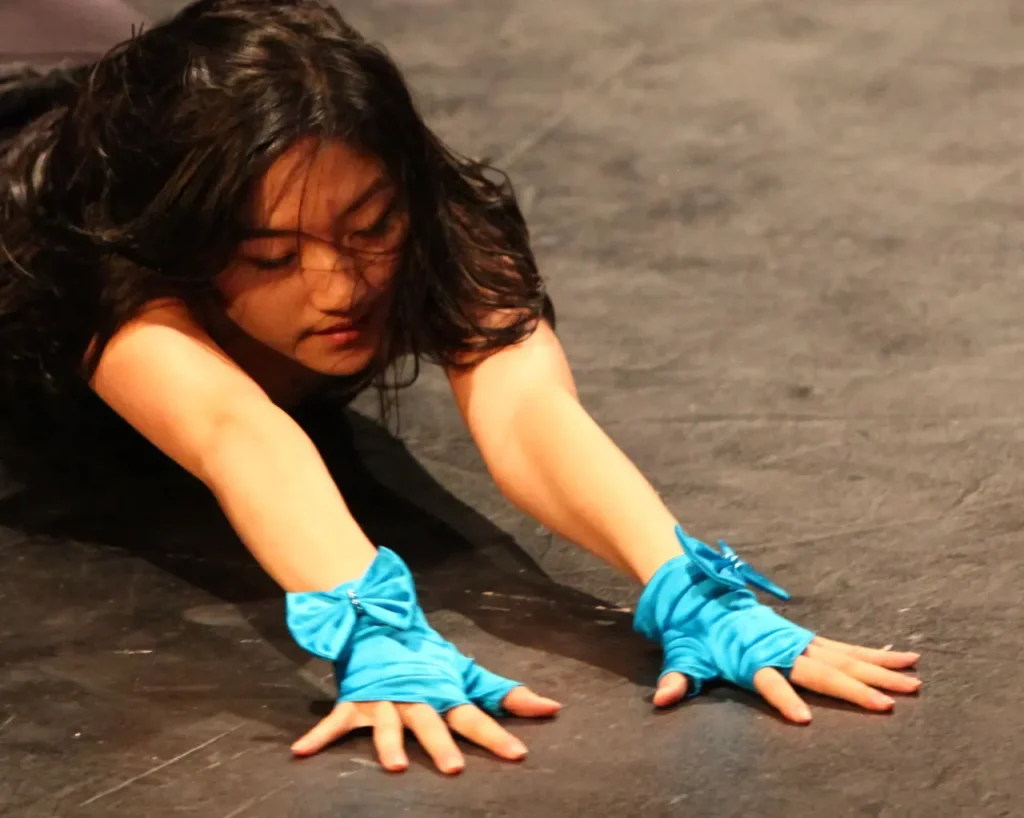
What thrills you the most? Could you share the vibe and what did you feel before making your stage debut?
Honestly, I don’t remember my stage debut. I was so young when I started performing that it was just life. When I moved to New York, I immediately started picking up small gigs, so there was no single grand moment I can point to. The stage was just always there. What thrills me is the preparation and then that feeling when you actually get out there. There’s a power you have on stage that’s hard to describe. A calm. It feels like time stops, or like you are in control of time. You have to rely on your training, practice, and, most of all, your instinct. That’s not something you can manufacture or plan for. You have to be present enough to let it happen.
Through her New York-based company, J CHEN PROJECT, she turns complex themes of cultural identity and ancestral memory into breathtaking physical narratives.
What boundaries did dancing help you overcome in life, other than willpower, passion, and determination? What strength did it provide you?
Dance taught me to take up space without apology. Growing up Chinese American, there’s often this pressure to be smaller, quieter, more agreeable. The studio was one of the first places I learned that taking up space is not a transgression. It’s necessary. It’s the whole point. It also gave me a relationship with failure that I couldn’t have found anywhere else. In dance, you fall, you start over, you refine. You don’t get to skip the hard parts. And then in 2012, I was in a near-fatal car accident. I was in a coma for 13 days after eight hours of brain surgery. I woke up with broken bones throughout my body and had to relearn how to breathe, sit, stand, and walk. Dance rebuilt me. Surviving that taught me something I couldn’t have learned any other way: that the body is more resilient than the mind believes, and that movement is not just an art form. It is a lifeline. I share to connect.
Her work explores cultural identity, belonging, movement, and language for creating a more inclusive society.
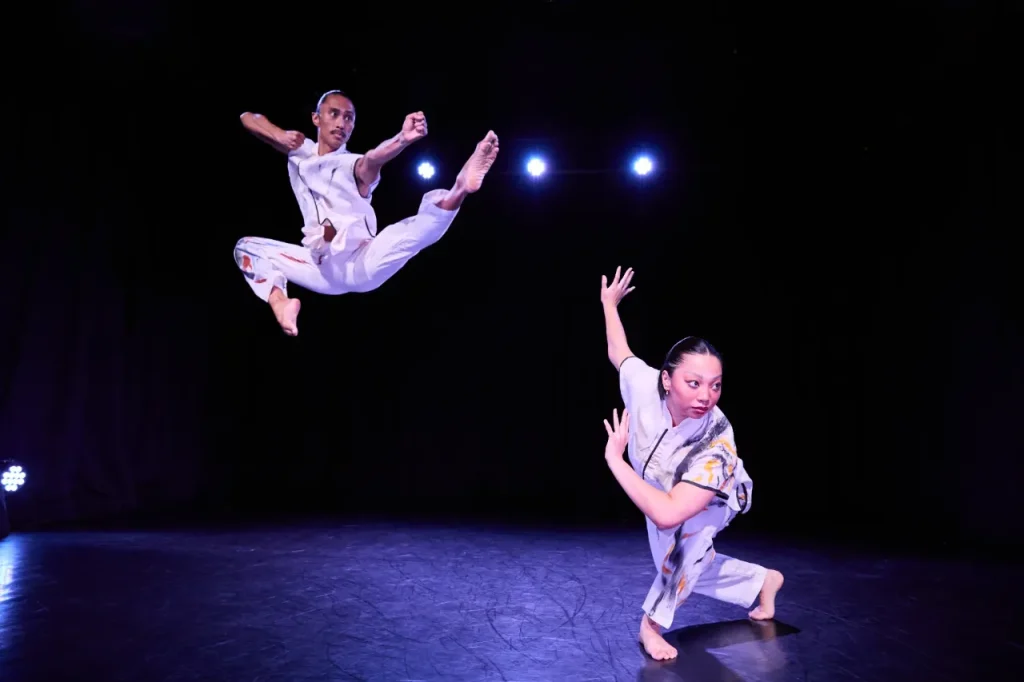
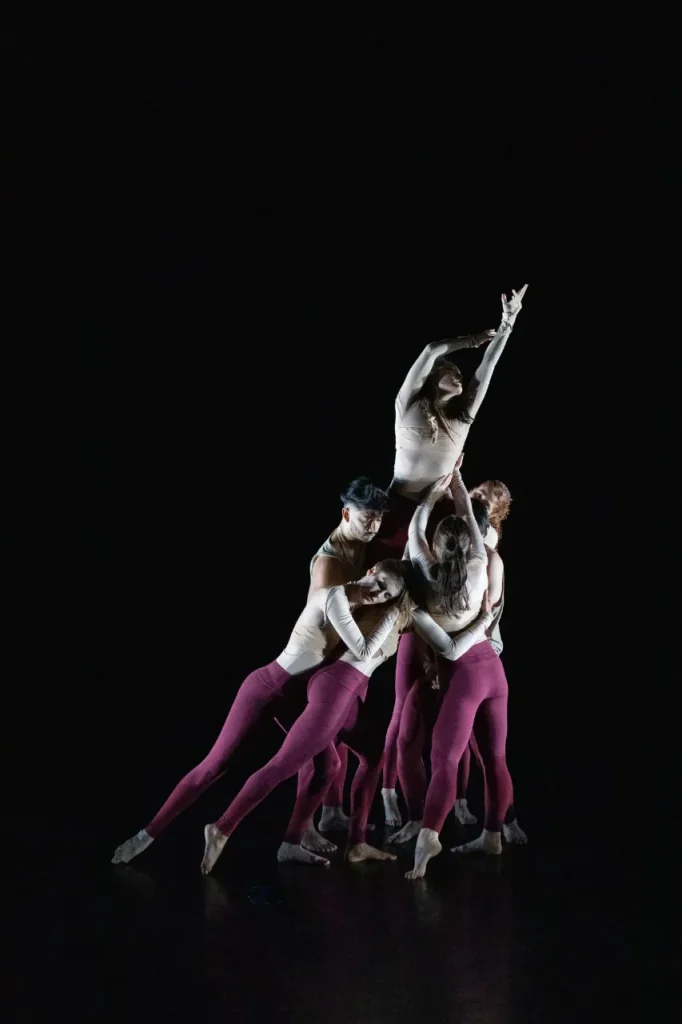
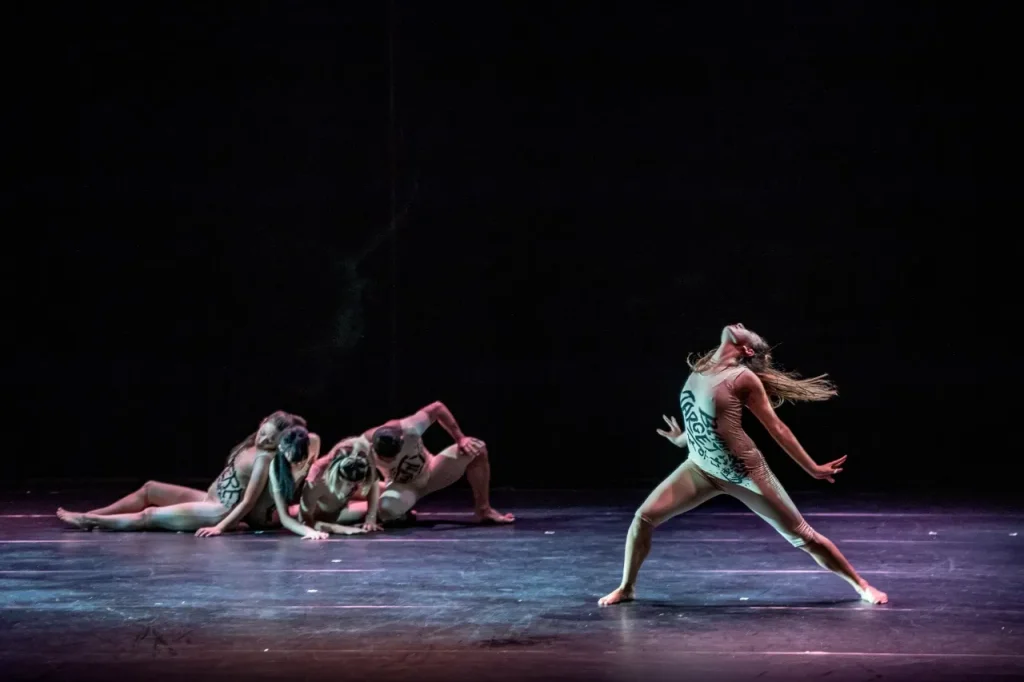
You are artistic director and choreographer at J CHEN PROJECT. What is the creative process to set up new choreography for performances? Where do you take inspiration?
My process always starts with a question, not an answer. Something I’m sitting with, something unresolved, something I need to understand better about myself or the world. I’m drawn to the things that don’t wrap up neatly: identity, belonging, what it means to be Chinese American in this country right now.
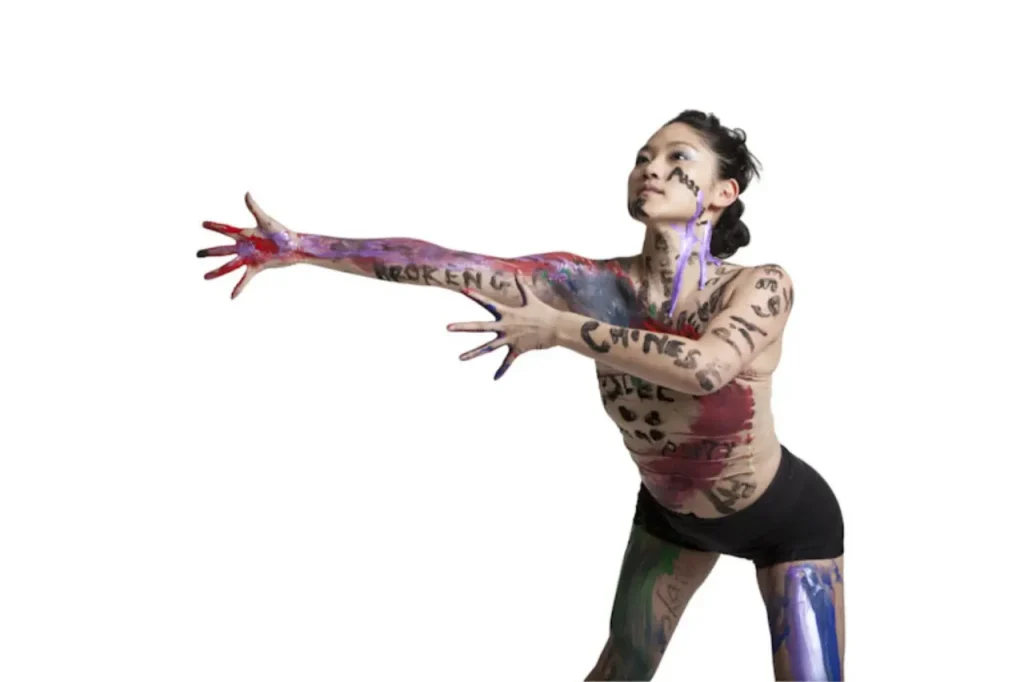
As a Chinese American artist, how has your sense of storytelling and belonging shifted throughout your career, and how has that transformation influenced the way you create choreography?
I started in Chinese folk dance, where every dance tells a story. That was my first relationship to storytelling and to my heritage. When I began creating my own work, I started telling my own stories. Then I moved into theater, and words became another tool.
Mythology has always been a natural entry point for me. Because I grew up in the United States, I never lived on the land of my ancestors, but mythology bridged that distance. I loved the Monkey King. I loved the story of how the Chinese zodiac animals were ordered. I am the year of the rat, and I used to resent that, until I learned that the rat finished first. Storytelling has a way of doing that. It changes how you see yourself. Early in my career there was enormous pressure to translate myself, to make my experience legible to audiences who did not share my background. Over time I stopped. The most specific work is always the most universal. Belonging, I have learned, is not something you find. It is something you build.
Jessica Chen’s work sits at the intersection of heritage and modern expression, she translates abstract feelings of “belonging” into physical shapes.
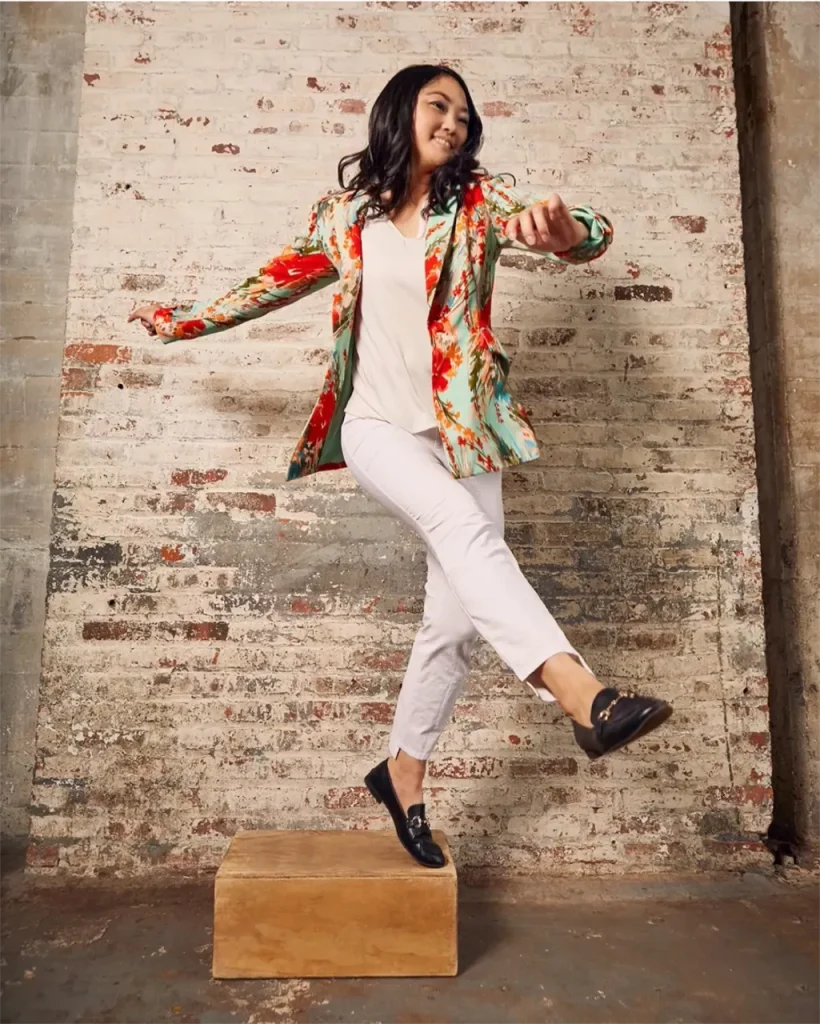
Your work explores identity and the human experience through movement and dance. Do you believe the body can communicate a more visceral truth than language, something beyond what a script or book alone can express?
Yes, completely. Language is extraordinary, and it has limitations. Dance opens the imagination in a way that words alone cannot. An arm in the air, hanging for what seems like an eternity, can communicate grief, joy, defiance, and longing all at once. The visceral experience of witnessing a moving body can elicit a profound sense of empathy. That kind of connection doesn’t require translation.
How do you balance the desire to tell deeply personal, specific stories without feeling the pressure to be a ‘spokesperson’ for the entire Chinese American experience?
Representation matters. I am grateful to have a platform to create and share my art. Growing up, I was surrounded by the Chinese American community, but I never saw my stories represented in wider American media or on mainstream stages. That absence shapes you in ways you don’t fully understand until you’re older. So when I create work, I think about the young person in the audience who might be seeing herself on stage for the first time.
Her work has graced prestigious platforms like New York Fashion Week at MoMA, Lincoln Center, and MACY’s Thanksgiving Day Parade.
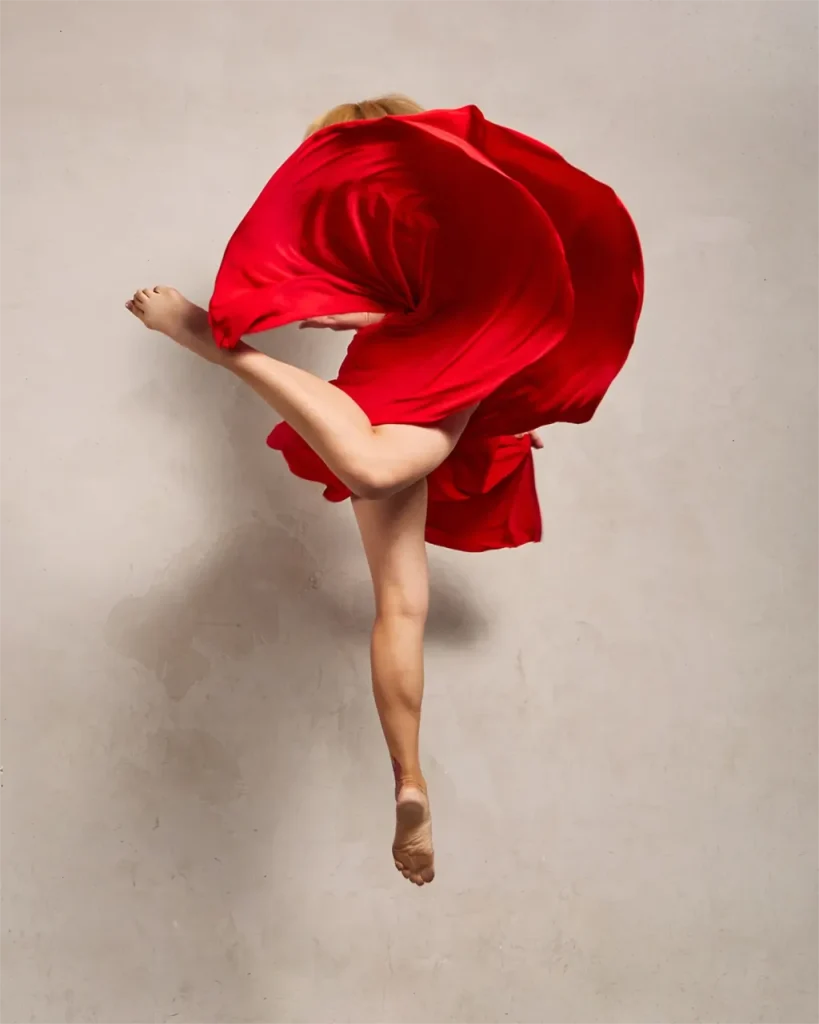
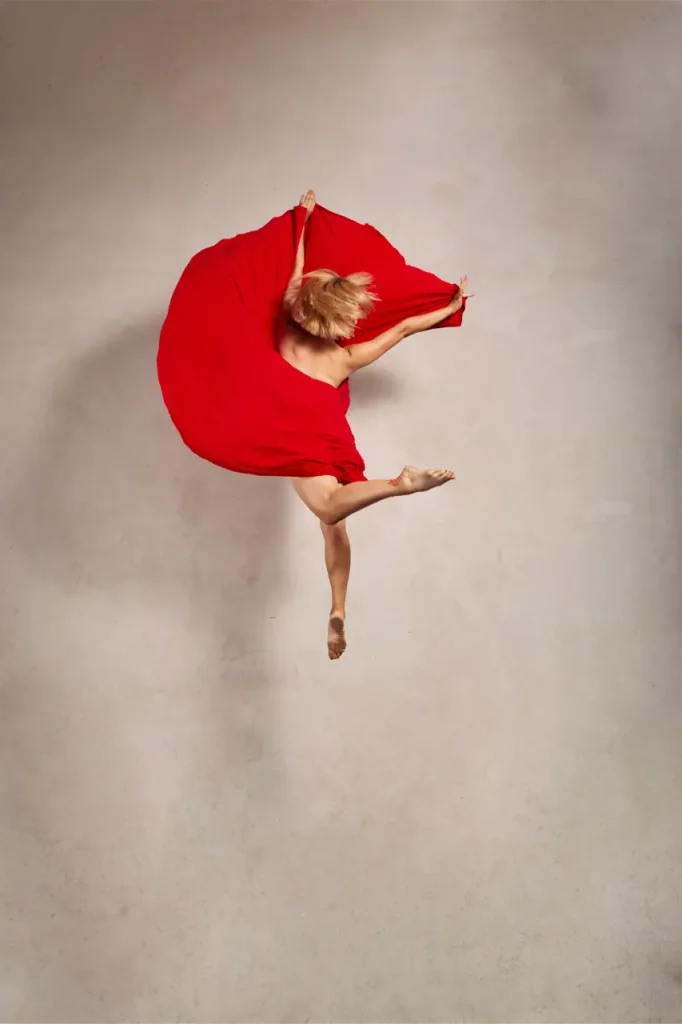
Could you please share a meaningful story from backstage that still holds a special place in your heart?
There’s one moment I return to often. I was performing a duet I had choreographed, and mid-performance, the music skipped, jumping forward and cutting out an entire section. The finale was a series of intense lifts: I would launch myself at my partner, and he’d flip me over his shoulders. Those lifts depended completely on the music for timing and safety. On stage, in front of a full audience, we looked at each other. He said quietly, “Did the music just skip?” I said, “Yes.” He said, “Should we skip to the end?” I said, “Yes.” And we did, seamlessly.
That moment encapsulates everything I believe about this work. We made a split-second decision together under pressure, and it held, because we trusted each other completely. I have always felt safest on stage. That safety comes from trust. That’s the culture I try to build in every rehearsal room I lead. Community. Trust. Camaraderie. Without those, the lifts don’t work.
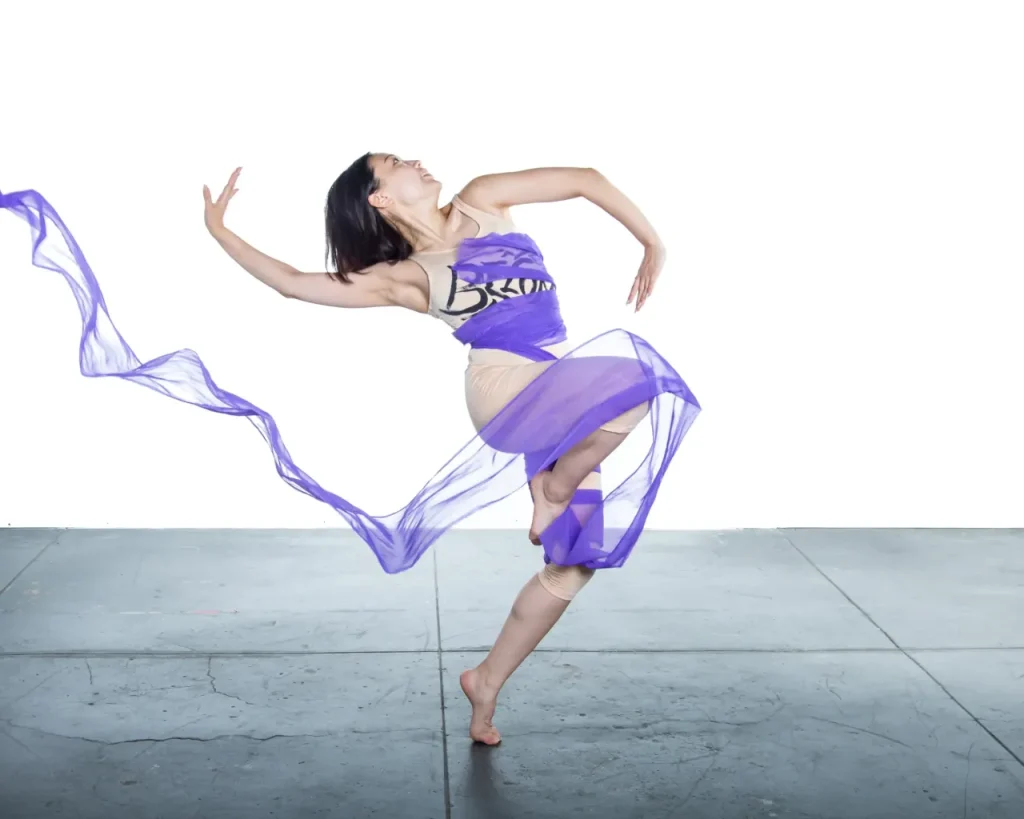
IWD 2026 highlights the idea that when we give support, we create progress. As the leader of a nonprofit dance company, in what ways has offering opportunities to dancers deepened and enriched the artistic vision of your latest works?
Supporting artists is central to what J CHEN PROJECT does. I create opportunities and build an environment where dancers can do their best work. When people feel supported, they show up fully. And that energy is in the room when we create.
You have described the body as a ‘political vessel.’ In the context of this year’s IWD focus on ‘Rights and Justice,’ how can dance serve as a form of ‘Action’ for women whose stories have been legally or socially marginalized?
The body has always been a political site, especially the bodies of women and women of color. Laws are written about our bodies. Social norms are imposed on them. So when we put those bodies on stage and let them speak, that is a powerful act. Dance recovers histories that have been erased from our collective memory. It transforms silence into voice and invisibility into presence. For women whose stories have been overlooked or dismissed, the stage is an act of reclamation. You cannot erase what has been witnessed.
Photos courtesy of Jessica Chen
Post Author