Yishan Li redraws the map of what is possible for in the field of comics and manga arts
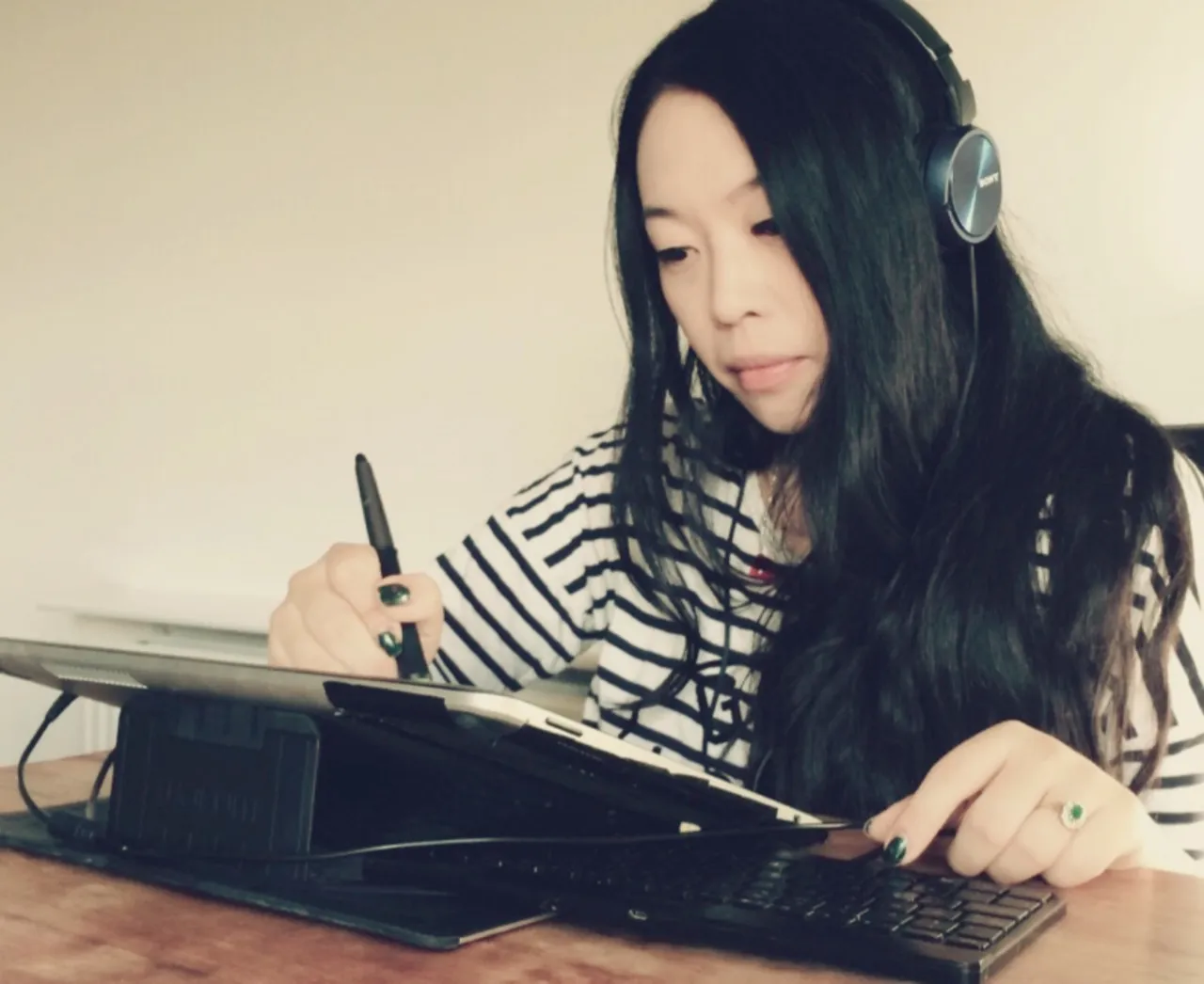
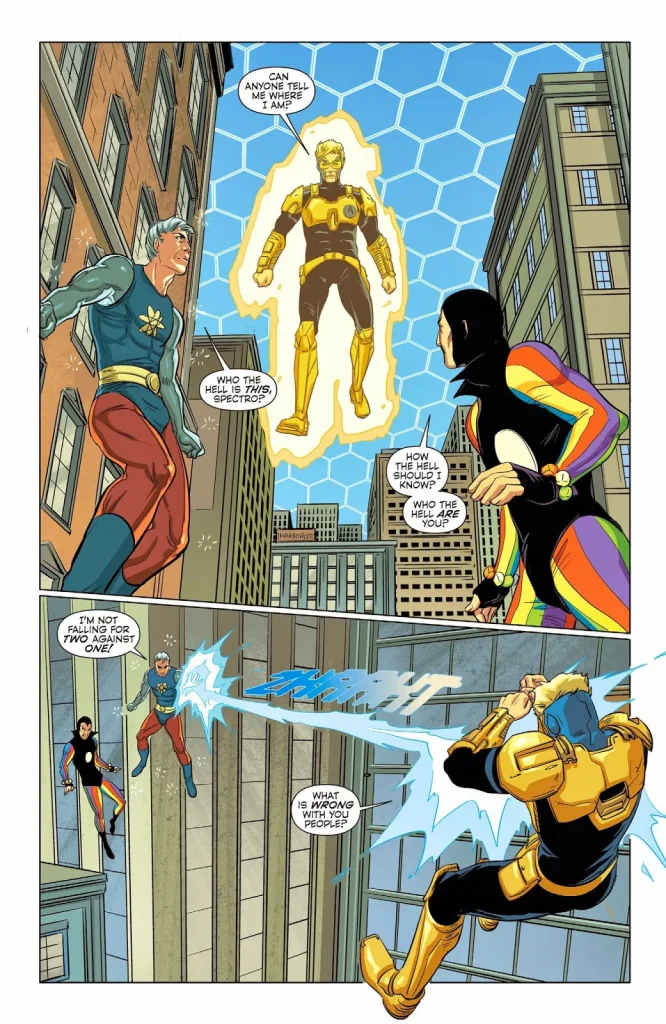
Yishan Li is a professional comics, manhua artist and illustrator global trailblazer. Her artworks bridge Eastern and Western traditions. She is well known for her elegant linework, expressive characters, and richly atmospheric compositions, that emotional nuance and cinematic energy to every project. Her portfolio is as diverse as it is prestigious, including work on iconic franchises like Buffy the Vampire Slayer, Batwoman, Hellboy, and Lady Death, alongside her own original graphic novels. She has built a distinctive career illustrating manga adaptations of classic literature, original graphic narratives, and fantasy-inspired commissions. For twenty years, Yishan Li has been a visual revolutionary with unique cultural, and technical nuances. From the bustling studios in China to the publishing houses of Paris and these in the United States, she has navigated the world of comics with a sharp pen and an even sharper professional resolve. She has been working with publishers such as Top Cow, DC, Darkhorse, Random house, Titan comics, Delcourt and Dargaud. Her career bridges the gap between Eastern and Western markets. Through her artwork, Yishan Li continues to expand the possibilities of cross-cultural comics storytelling, inspiring readers and aspiring artists alike with her dedication to craft and visual narrative.
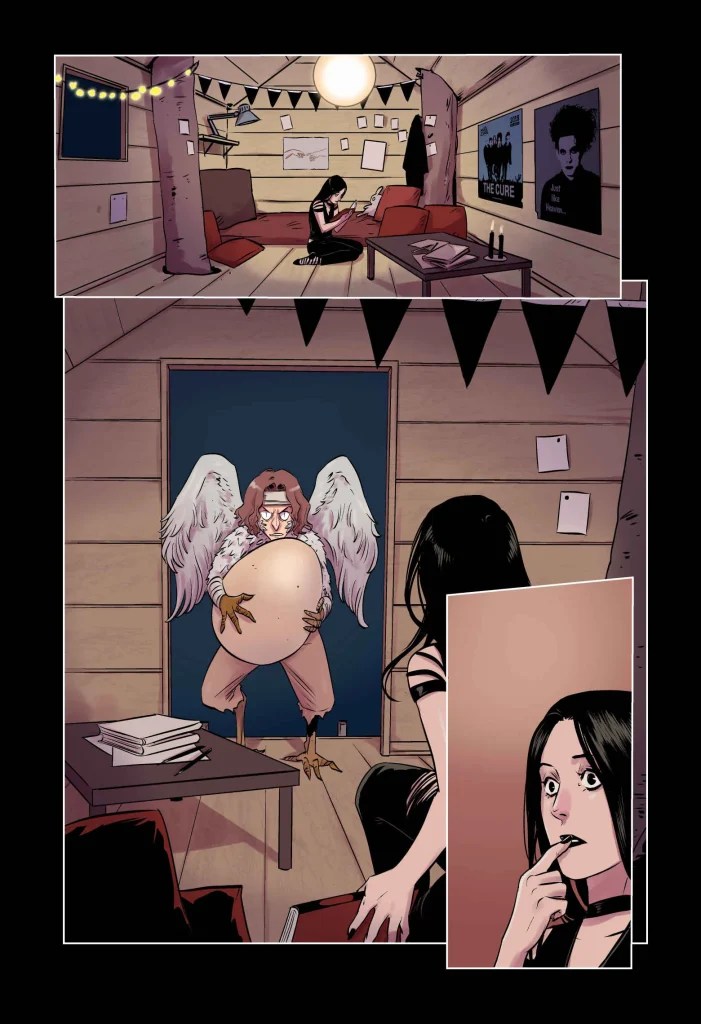
The rise of the female gaze in manga is reflected in Yishan Li’s artwork, highlighting the cultural shifts behind it and suggesting that the future of comics will be more diverse than ever. She constantly participates in a variety of comic events and has more than 50 books published worldwide also didactic to learn direct creative drawing techniques. Yishan Li was hired by Lexus UK in 2019 to provide manga-style artwork that highlighted the company’s “latest and most important cars.” In 2020, Yishan Li drew a comic novel about a young goth girl named Mary, the supposed descendent of Frankenstein author Mary Shelley. The comic was chosen by the American Library Association as one of the Great Graphic Novels for Teens of 2021. Whether she is illustrating supernatural hunters or teaching the next generation of girls how to sketch their first heroines, her work emphasizes that a woman’s perspective is not a ‘sub-genre’—it is a global force. She is currently living in Shanghai.
Official Site | Instagram | Amazon
Have you always been clear about your career in the comics field since your childhood? Who were your early artistic inspirations? What pushed you to follow this path?
Not at all — if you’d asked childhood me about my future, “comic artist” definitely wasn’t on the list. I was on a very sensible path. I studied Sociology first, then completed a Master’s in Business, fully expecting to build a conventional career — something stable, probably involving meetings and spreadsheets. But I’ve loved drawing for as long as I can remember. In high school, I was already taking on comic freelance work whenever I had time. It was very much part-time, but some of it was published — which, looking back, feels like a pretty obvious sign. I also grew up reading a lot of Japanese manga, and my absolute favourite was Ōke no Monshō. I was completely immersed in that world — the drama, the historical setting, the emotional intensity. I didn’t realise it then, but those stories shaped my imagination in a huge way. So comics wasn’t the official plan — but it was always quietly running in the background. After finishing my master’s, I realised storytelling was the only path that truly excited me. Choosing it wasn’t accidental; it was intentional. And that makes the commitment even stronger.
Since Yishan Li has worked across the UK, US, France, and China, she has a unique 360-degree view of the industry.

Your artwork blends traditional manga aesthetics with Western fantasy illustration. How do cultural differences influence the way romance and fantasy are depicted in your artwork?
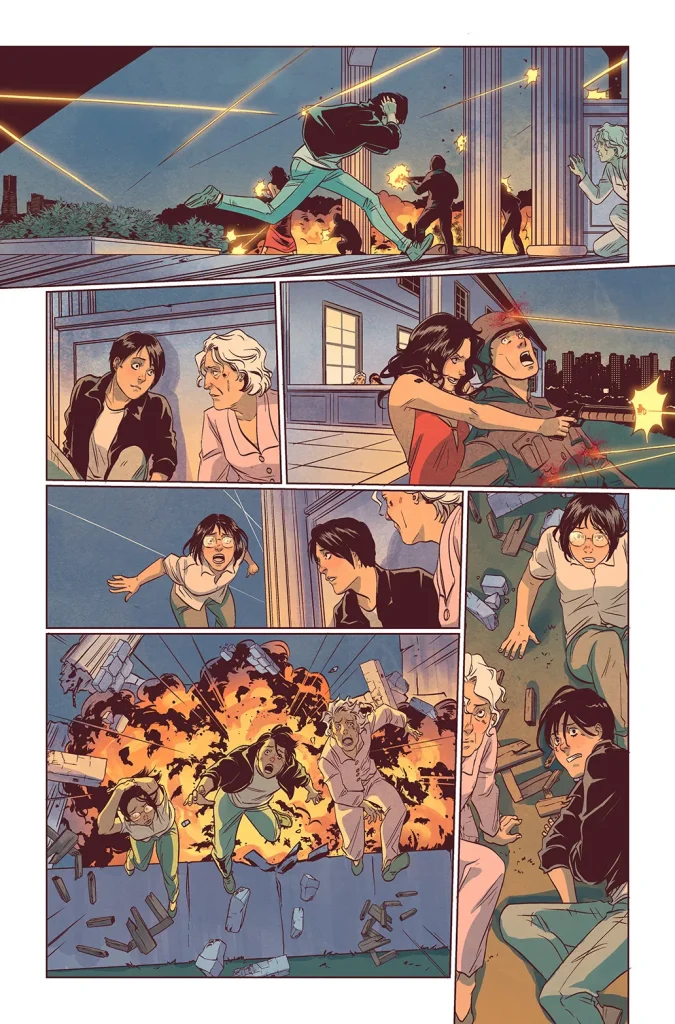
I grew up reading manga, so my instinctive way of storytelling naturally leans toward that tradition — especially in how emotions and relationships are portrayed. Manga tends to linger on feelings, atmosphere, and character moments, which really shaped how I approach romance and emotional pacing. As I got older and became more exposed to Western comics and fantasy illustration, I started to appreciate a different kind of storytelling — one that values clarity, structure, and efficiency. Western comics often communicate ideas very directly, and that influenced how I construct scenes and move a story forward. So my work has become a blend of both. The emotional sensitivity and romantic tension come from my manga roots, while the visual storytelling and world-building are informed by Western fantasy traditions. I think that cultural mix allows me to tell stories that feel both intimate and expansive at the same time.
She has contributed to several books and publishing projects all around the world with a style that combines Western artistic inspirations with traditional manga aesthetics.
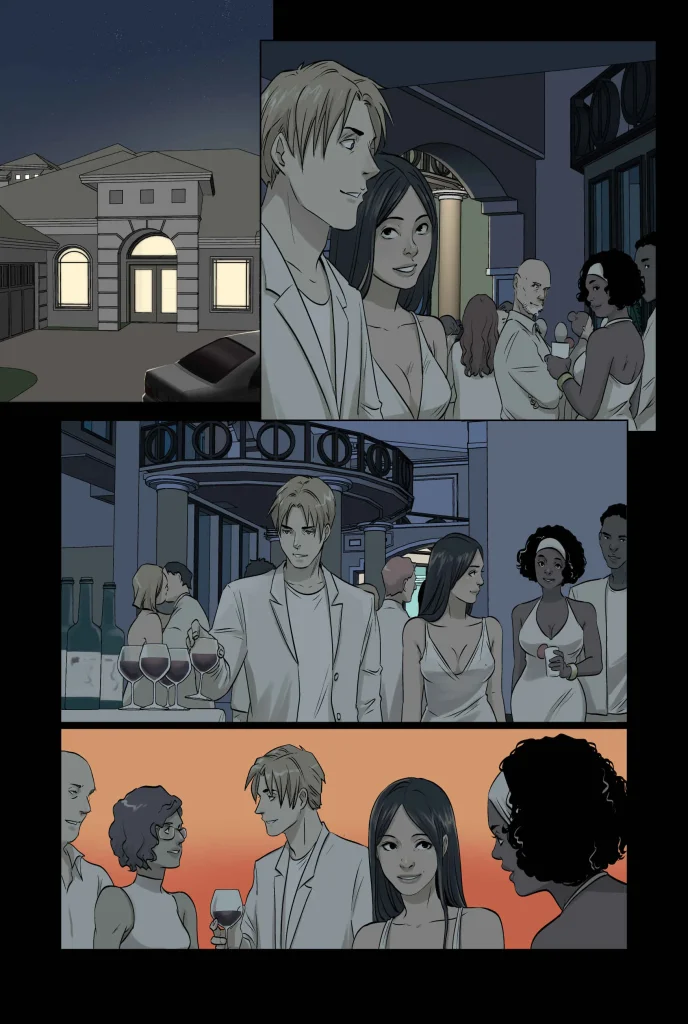
When you begin a new project, do you start with character emotion, composition, or world-building? What anchors your process?
I usually begin with character design, along with a rough sense of the world they inhabit. Characters are my anchor — once I understand who they are and the emotional tone they carry, it becomes much easier to shape everything else visually. In many projects, the writer already knows where the story is going, but as the artist, I’m often introduced to it piece by piece. At the beginning, I might understand the characters and the overall mood, but I don’t always see how every plot element connects yet. Part of my process is gradually discovering those links through drawing each chapter or scene. That sense of unfolding actually helps me stay emotionally close to the story. As the narrative reveals itself to me, I can reflect that discovery visually, allowing the characters and world to develop naturally alongside my understanding of the story.
Her artworks often explore themes of romance, resilience, and identity, portraying women with both strength and vulnerability.
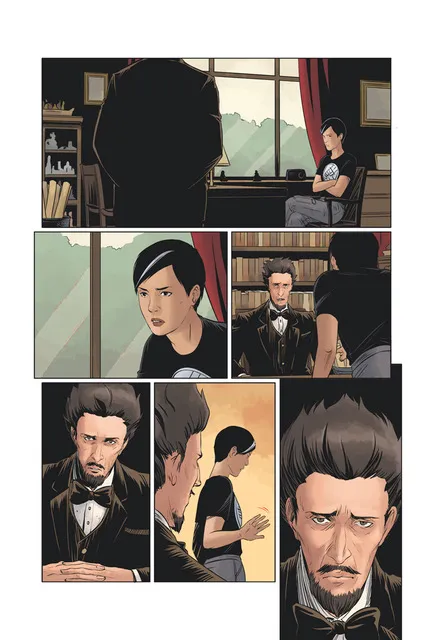
Do you feel more creative freedom when working with established literary worlds or when building your own from scratch?
Established literary worlds usually come with quite strict boundaries, especially when the material is licensed. There are existing designs, rules, and fan expectations to respect, so visually you have to stay very close to what’s already defined. Creativity still exists, but it’s more about interpretation than reinvention — you’re working within a carefully protected framework. When I’m developing a story together with a writer, though, the freedom is completely different. Sometimes the writer will only describe what generally happens across a few pages and trust me to decide how the scenes unfold visually. I can shape pacing, emotion, and even storytelling beats through the artwork, and the dialogue might be added afterwards to match what’s been drawn. Those projects feel much more exploratory. Instead of following a path, we’re building it together, and that collaborative space is where I often feel the most creatively free.
She is a powerhouse in the international comic book industry, boasting a career that spans over two decades and four continents.
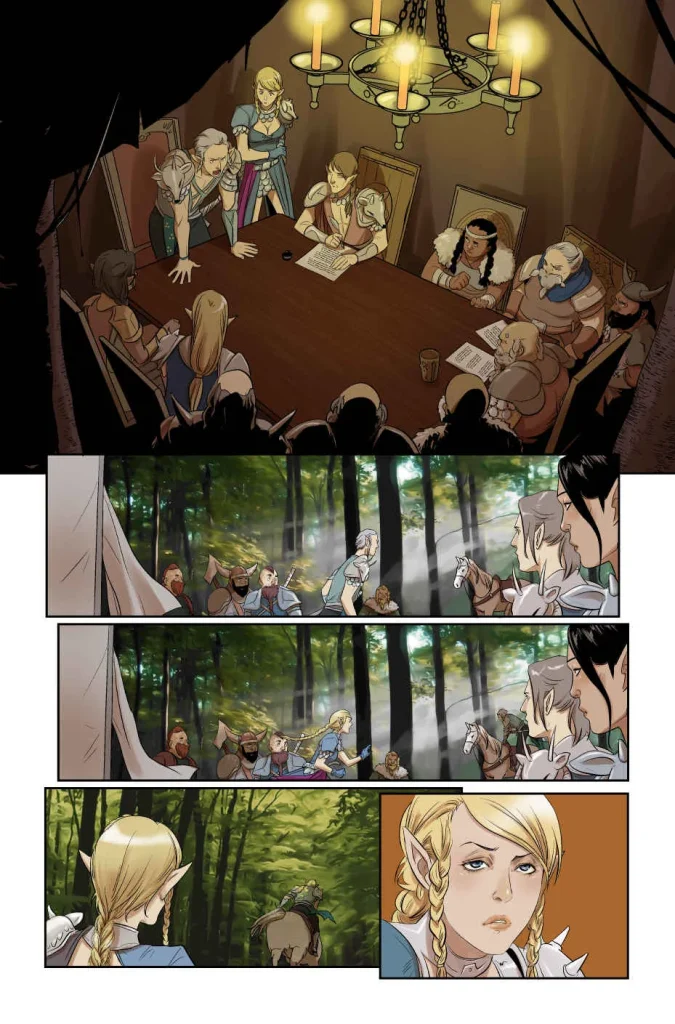
As an illustrator, you hold the ‘camera.’ Many of your illustrations feature strong female characters. How do you approach portraying strength without sacrificing vulnerability?
As an illustrator, I do feel like I’m holding the camera — I decide what the audience sees and how they experience a character. For me, strength and vulnerability aren’t opposites. They naturally exist together, because that’s simply how people are. As women, we’re often very familiar with navigating both at the same time, so I don’t feel the need to hide vulnerability when portraying strong female characters. In fact, showing emotion, doubt, or tenderness often makes their strength more believable. When I work on female-led stories, I tend to approach them with a certain honesty — allowing characters to be capable and resilient, but also human. To me, real strength isn’t about appearing invincible. It’s about continuing to move forward while feeling everything fully, and that balance is what I try to capture in my illustrations.
Which project felt the most personally transformative for you, and why? Can you please share the story behind it?
The most personally transformative project for me was a webtoon I worked on over the past three years, which was completed last year, called Re: Trailer Trash. The story follows an elderly woman who travels back into her teenage body and gets the chance to reshape her life and the environment around her. It’s really about second chances — what you would do differently if you could start again. Interestingly, while I was drawing the story, the character herself goes through a major physical and emotional transformation. She becomes healthier, more determined, and decides to truly take control of her life. At that time, I was also thinking about improving my own health, but like many people, I kept postponing it. Working on the comic every day changed that mindset. Her attitude — this feeling of “I’ve been given a second chance, so I’m going to do it properly this time” — started to affect me. I realised that in real life, we don’t actually get a time reset. If I wanted change, I had to start now. By the end of drawing the first season, I had lost around 15 kilograms and built a regular exercise habit. So the project didn’t just transform the character — it transformed me as well. It’s one of those rare moments where storytelling loops back and quietly changes the storyteller.
Beyond the drawing board, Yishan Li is a dedicated educator, having authored over a dozen “How-to-Draw” books that have served as the gateway for thousands of aspiring artists worldwide.
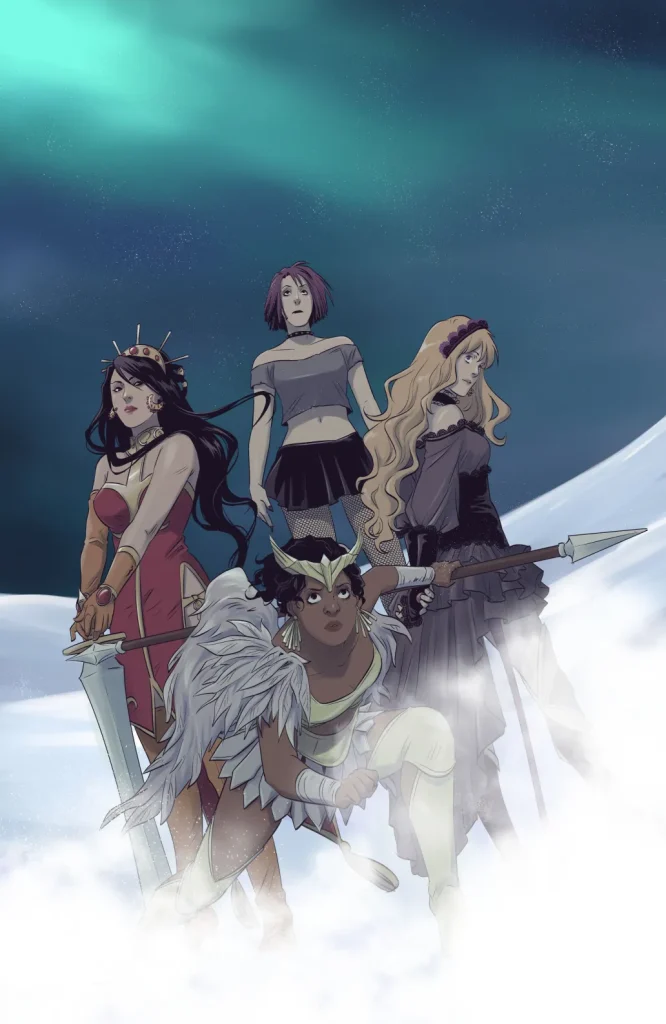
You’ve worked in UK comics, US monthlies, and French albums. You’ve built a career across China, the UK, and the broader international comics scene. How has working in different markets shaped your storytelling sensibilities?
Honestly, the biggest difference hasn’t been storytelling itself, but format. Different markets come with different page structures and pacing — some allow more space for visual storytelling, while others are much denser with dialogue. It’s also less about the country and more about the writer. Some writers leave room for the artist to shape emotion and pacing visually, while others rely more on text. Working across different markets has mainly taught me flexibility — adapting to formats and collaborations while still keeping my own visual voice.
How does your storytelling ‘pacing’ change when shifting between the fast-paced American style and the more decompressed European or Asian styles?
When working in faster-paced American formats, you tend to focus on key storytelling moments and make each panel deliver information efficiently. The pacing moves quickly, so clarity and impact become very important. In more decompressed European or Asian styles, you can slow things down. Each frame carries more atmosphere and background detail, allowing readers to spend more time inside the moment and notice what’s happening beyond the main action. It becomes less about rushing to the next event and more about letting the scene breathe.
In the past, there were rigid boxes for ‘women’s comics’. You’ve worked across four distinct international markets. Do you feel those walls have finally crumbled, or are female artists still fighting to be ‘just artists’ rather than ‘female artists’? Have you noticed a difference in how female creators are supported or compensated? Who is leading the way in equity?
From my personal experience, the industry today feels quite open and progressive. I haven’t personally faced direct injustice, and one noticeable change is that many editors, decision-makers, and readers are now women as well. That naturally shifts the creative environment and the kinds of stories being supported. Historically, comics were largely shaped by a predominantly male readership, so the mainstream leaned toward traditionally masculine themes — superheroes, action, and certain visual ideals. But as readership has diversified, especially with younger female audiences entering the space, the definition of what comics can look like has expanded significantly. Because of that, I think the walls around “women’s comics” are gradually dissolving. There’s still conversation around representation and equity, but increasingly artists are being recognised for their voice and style rather than being placed into gendered categories. The growing diversity of readers and creators is really what’s driving that change forward.
The International Women’s Day 2026, focus is “Rights. Justice. Action. For ALL Women and Girls.” As a highly prolific freelancer working across cultures, how do you see your role in shaping the visual representation of women in comics today, what message about women’s creativity, resilience, or leadership would you most want your art to communicate?
As an artist, I’m very aware that I help shape how women are seen on the page — not just visually, but through the roles they’re allowed to occupy in stories. Comics are an immersive medium, so the way women are portrayed can quietly influence how audiences understand strength, leadership, and identity. Through my work, I want to show that women don’t need to fit a single definition to be powerful. They can be ambitious, vulnerable, resilient, or imperfect — often all at once. Working across cultures has also taught me that there isn’t one way to represent women, and I hope my art helps broaden that space, showing women as active creators of their own stories rather than exceptions within them.
Photos and illustrations courtesy of Yishan Li
Post Author