From Fetish Clubs to National Galleries: The Radical Work of Grace Lau
As we celebrate International Women’s Day 2026, we turn our lens toward a woman who has spent over four decades dismantling the power dynamics of the image. Grace Lau is not merely a photographer; she is a visual sociologist, a provocateur, writer, lecturer, and a chronicler of the British identity from the outside in. Through her lens, she foregrounds narratives that are frequently overlooked, particularly those of women navigating cross-cultural identities. Grace Lau was born in London to Chinese parents, both from Sichuan. To flee the Communist Revolution in China, her parents, brother, and sister immigrated to Britain. Because her mother’s family owned property and her father had a high level of education, it had become risky for her family to remain there. Her mother was a poet and her father was a diplomat with the former President Chiang Kai-Shek’s Chinese Embassy in London. Lau no longer has any familial ties to China because her extended family did not survive the country’s revolutionary transition.
Her photography career began despite her parents wanting her to become a scientist or pursue other “respectable” careers, as careers such as that of an artist were not highly regarded. She had a strong sense of exploration and curiosity, qualities inherent in Chinese culture and shared by artists and inventors. Consider the many global Chinese inventions, such as the compass, paper, movable type printing, silk, and the abacus, created by minds that transcended tradition and sought innovation. Innovators, artists, and even initiators are often misunderstood at the beginning of a creative journey, and for this reason, their value is sometimes underestimated.
Grace Lau discovered photography whilst travelling overland in Asia during the 1960/70s, and wanted to document her travel experiences. So she took a degree course at a technical college, now known as Westminster College of Art. While she was teaching photography at London College of Communications, she took an MA Degree there. Grace Lau has carved out a singular space in the UK contemporary art scene. Her well-known artwork famously interrogates the “Imperialist Gaze,” subverting the colonial history of Victorian photography to give agency back to those historically marginalized. From her raw, immersive documentation to her iconic “21st Century Types” project, Lau’s work is a masterclass whose artwork explores themes of identity, migration,womanhood, memory, and cultural in-betweenness.
Grace Lau said that she relates to all aspects of Chinese culture, in particular their love of fine cuisine; their Confucian philosophy for hard work, respect for elders, and many other ancient ideas.
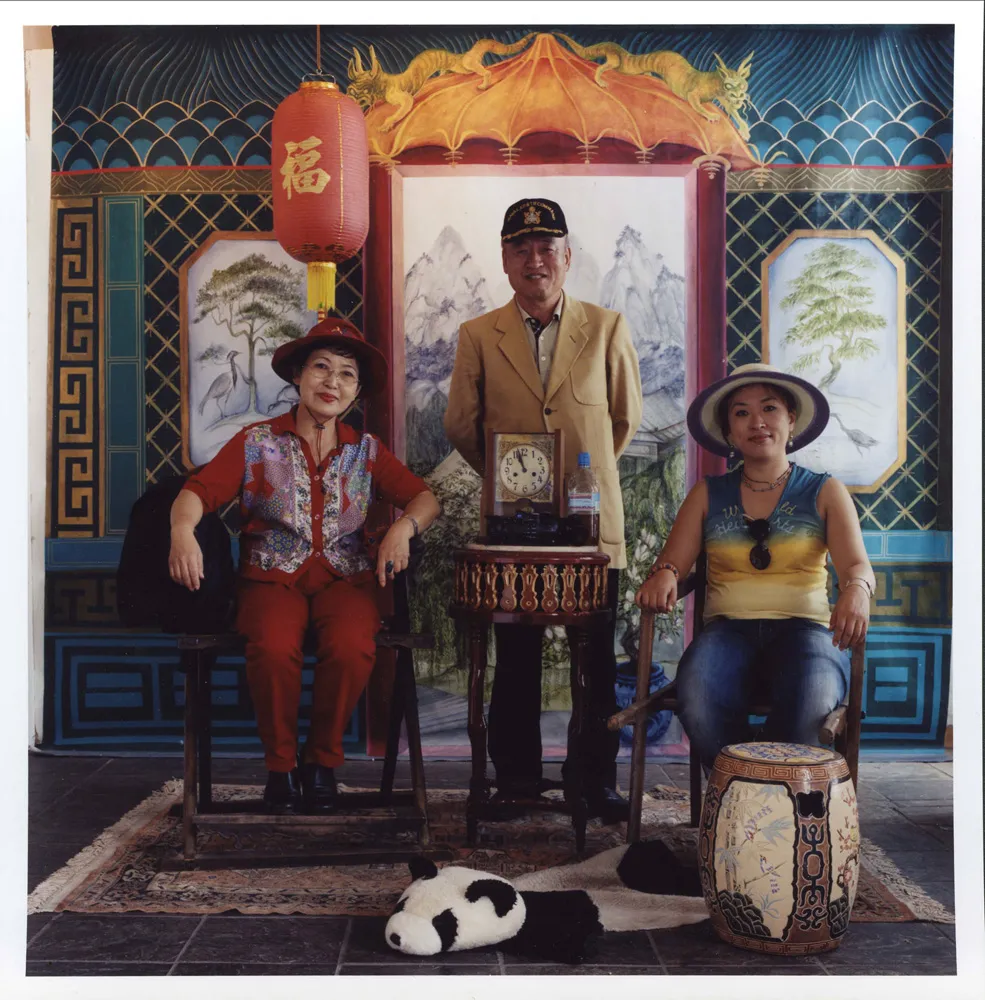
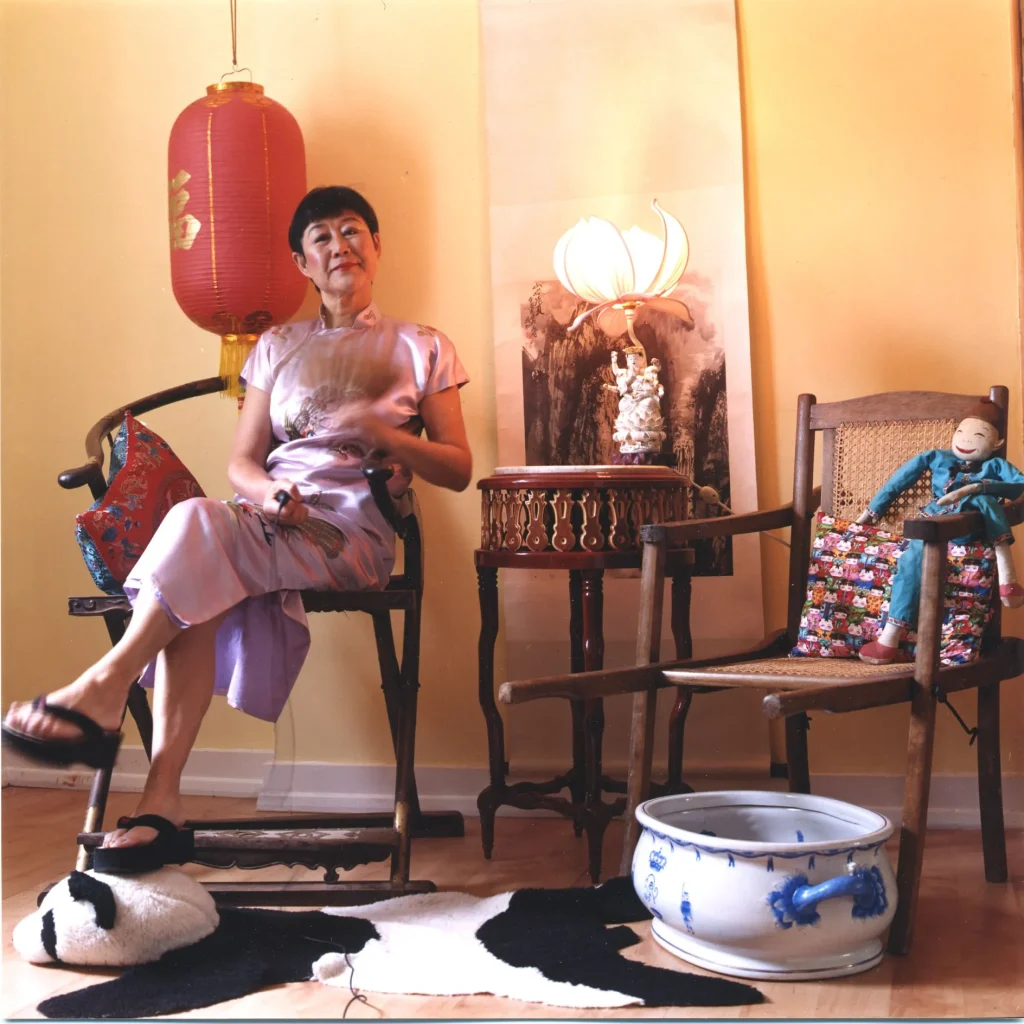
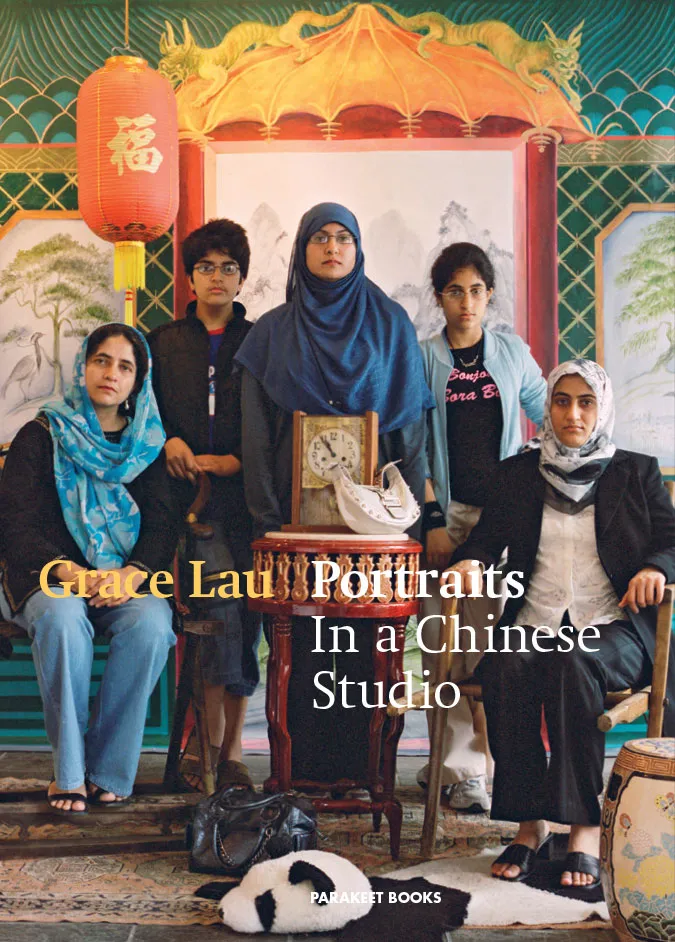
Since Grace Lau has a strong academic and sociological background, she often photographs with a specific thesis in mind. Her practice in “Portraits In A Chinese Studio” is shaped by questions of belonging and representation, often examining how personal and collective histories intersect. Through a sensitive attention to light, atmosphere, and emotional nuance, Grace creates images that feel intimate yet expansive, inviting viewers to consider what it means to inhabit more than one cultural space at once. Bridging Eastern and Western visual influences, her work moves between documentary sensibility and poetic interpretation, positioning photography not only as a means of observation, but as a language for negotiating identity in a globalised world. This project was funded by Arts Council England and supported by John Hansard Gallery. Her photography not only documents presence but affirms agency, offering space for reflection, visibility, and dialogue. Working across editorial and personal projects, portraiture and conceptual image-making, she draws from her experience of navigating life layered experience between cultures, using photography as a quiet but powerful tool for reflection and connection.
Portraiture is her preferred medium for telling tales and subverting “truth”.
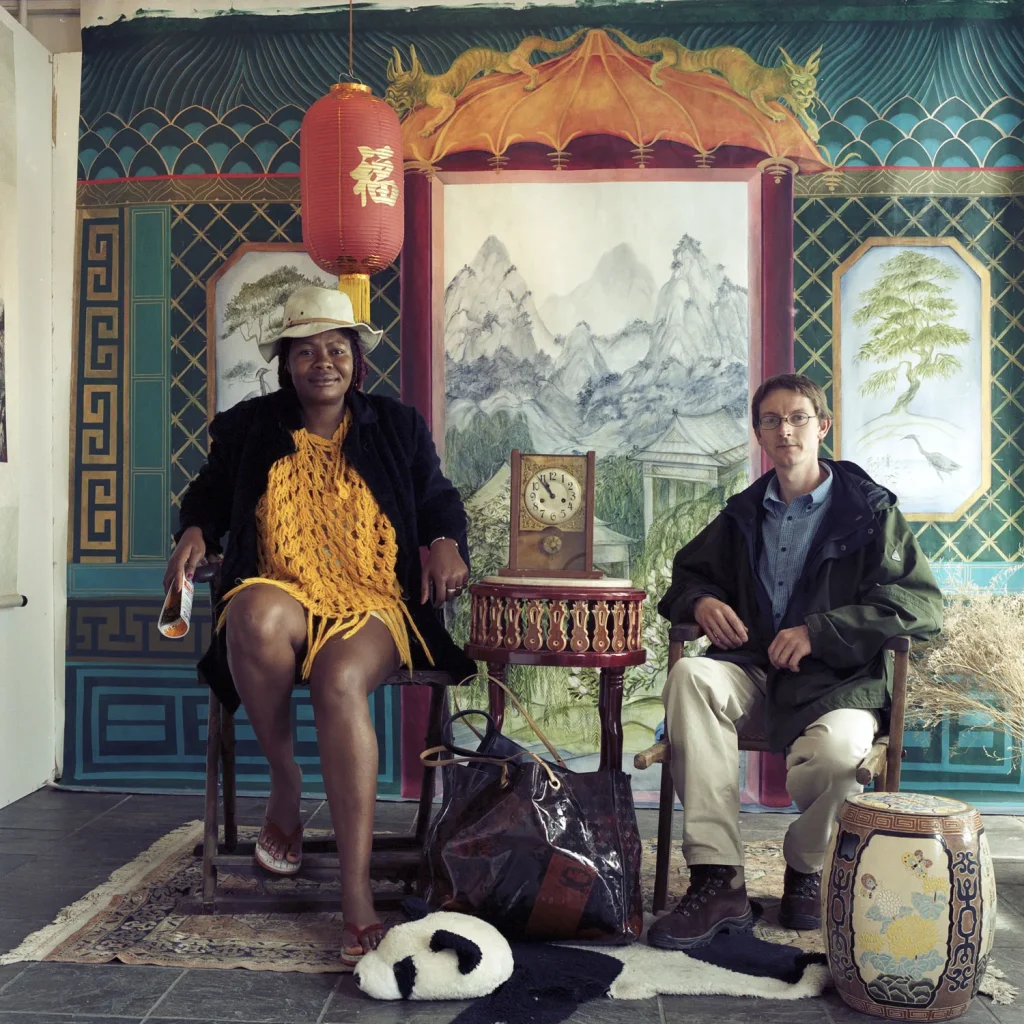
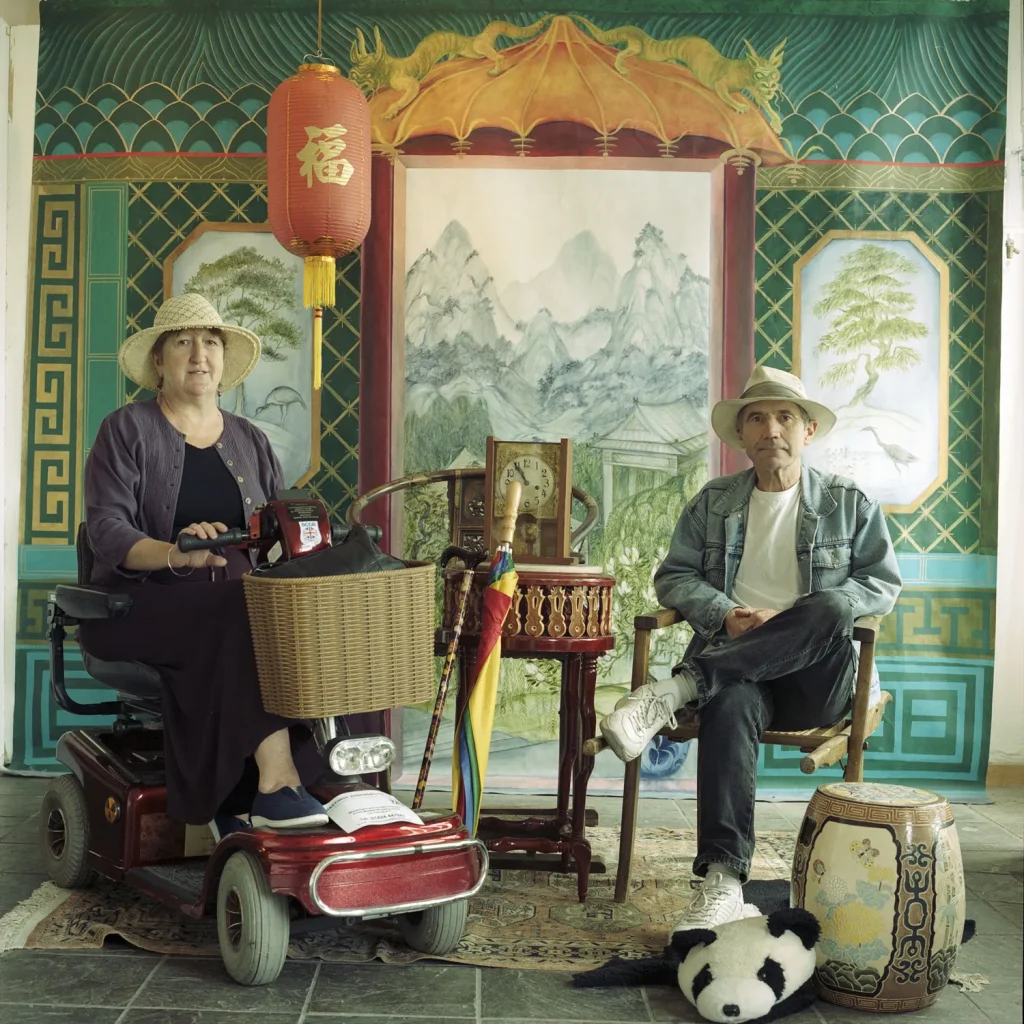
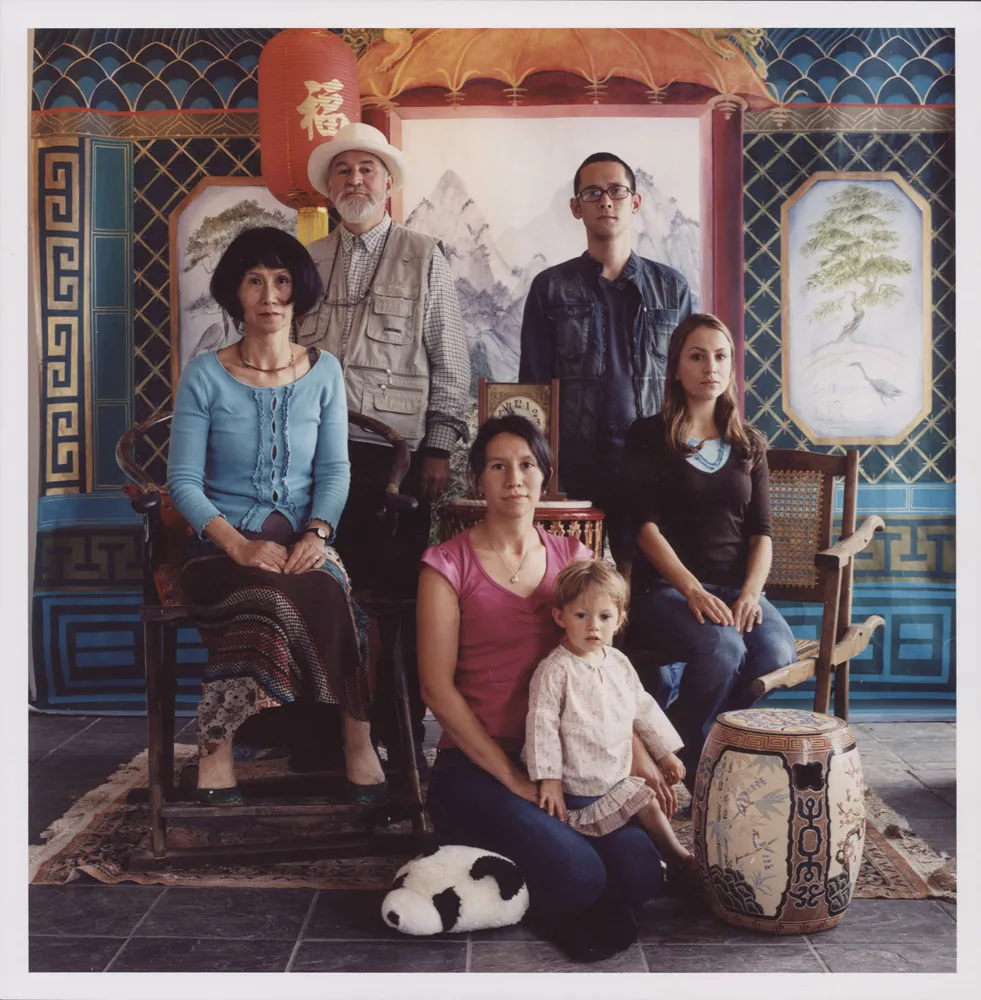
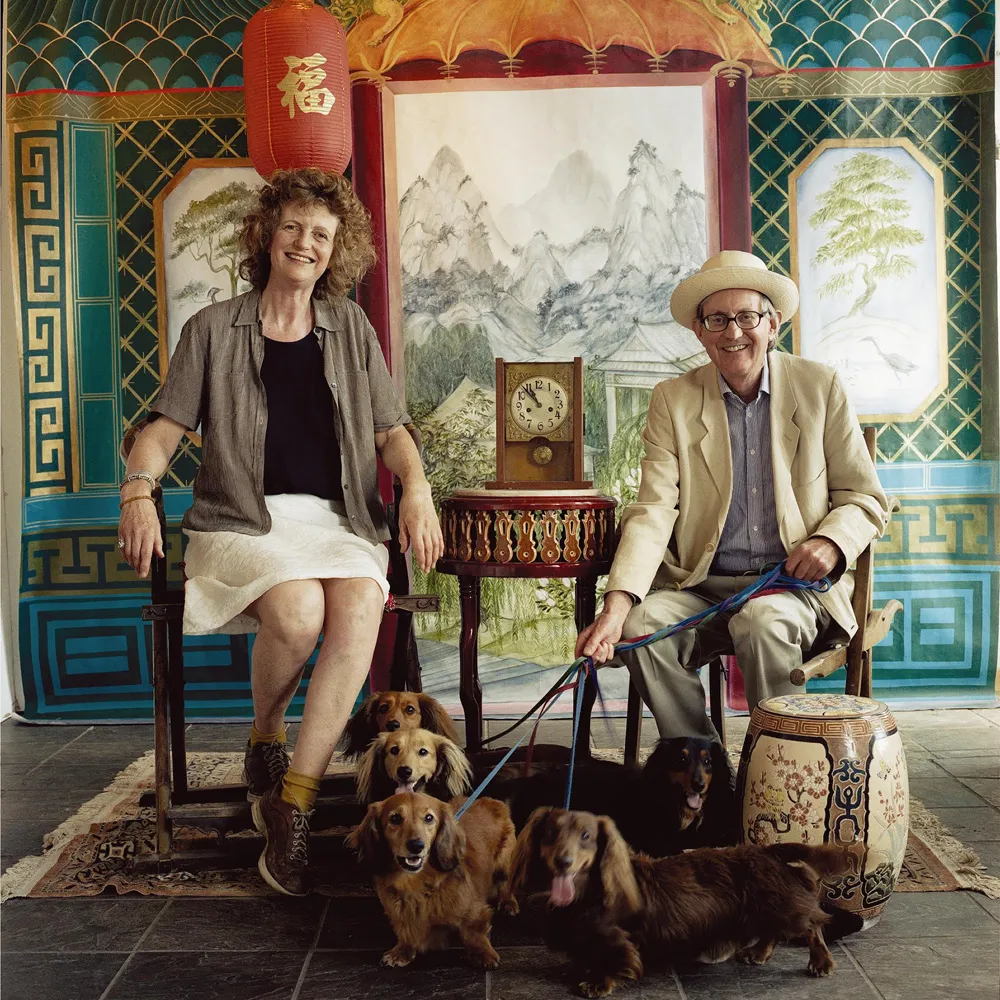
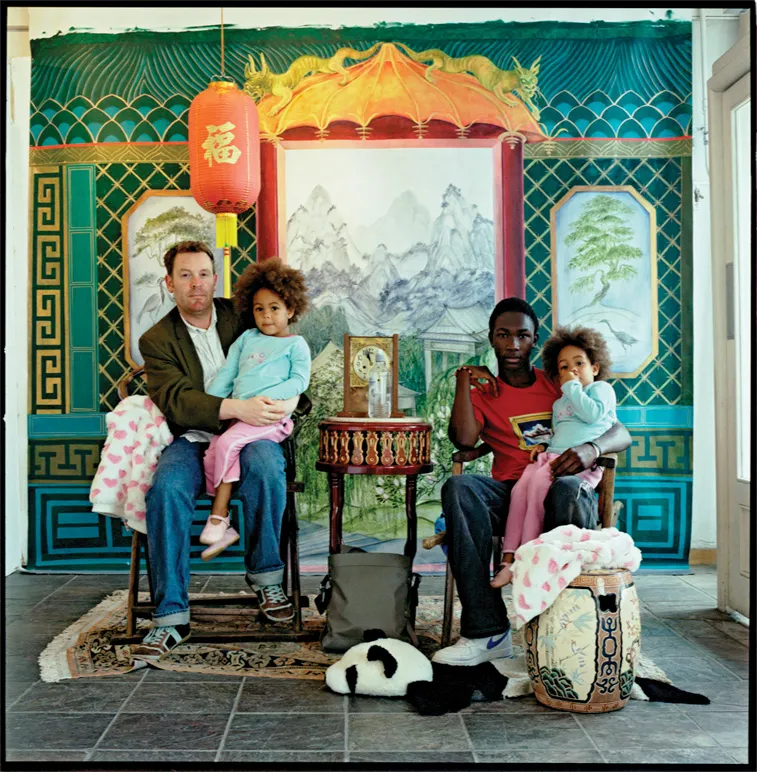
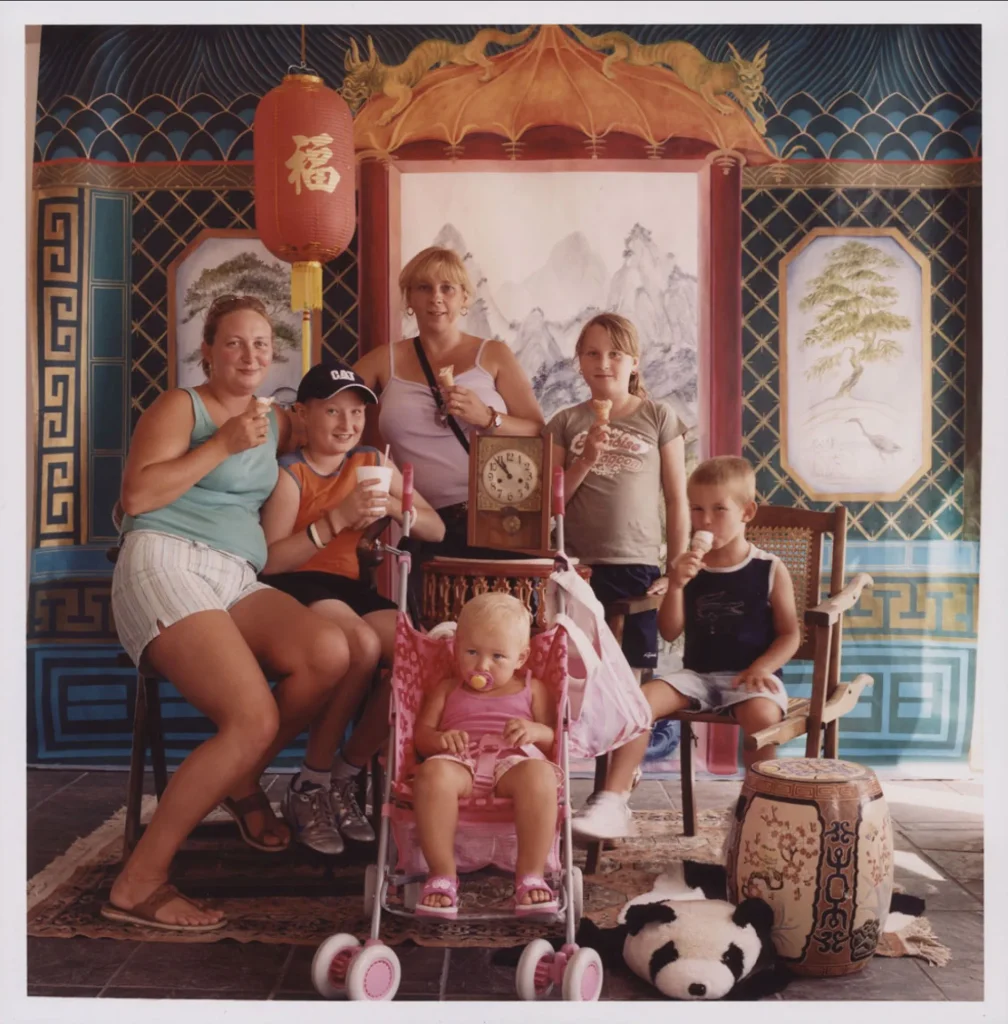
“21st Century Types” is her own concept to respond to the stereotyping by Western photographers and reverse the roles with herself being the empowered photographer making portraits of ‘exotic’ British seaside ‘types’, in a typical Victorian type portrait studio.
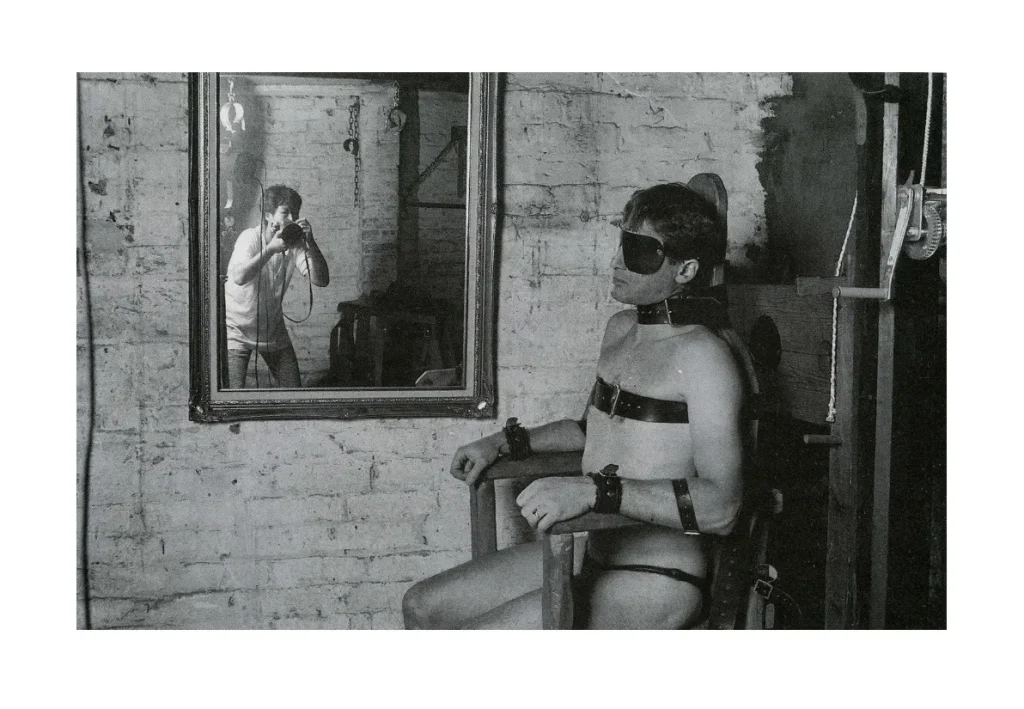
Grace Lau has been known also as a photographer of fetish tastes since the early 1980s due to her photographic exploration of gender identity, sexuality, and the sado-masochistic subculture. She was searching for things to take pictures of while pursuing her BA in photography. She was taken to a Soho underground fetish club by her friend. Her role as a voyeur at “Skin Two” events and in the dungeons of dominatrices, as well as her work on cross-dressing and post-modern perversity, are all detailed in the retrospective “Adults In Wonderland“. Lau remembers seeing individuals from various walks of life and those with responsibilities who might have sought a little careless role-playing at the fetish clubs. In contrast to the challenges they face on a daily basis. Her artwork has been featured at the National Portrait Gallery, Chelsea Arts Club, and on the covers of Time Out and Paris Match.
Lau set up a studio in 2005 to take pictures of people walking by using her thirty-year-old Hasselblad camera, color negative film, and natural light. She discovered that individuals were drawn to the exotic studio environment and cooperated voluntarily when she requested them to strike formal postures, such as those prevalent in Victorian portraiture.
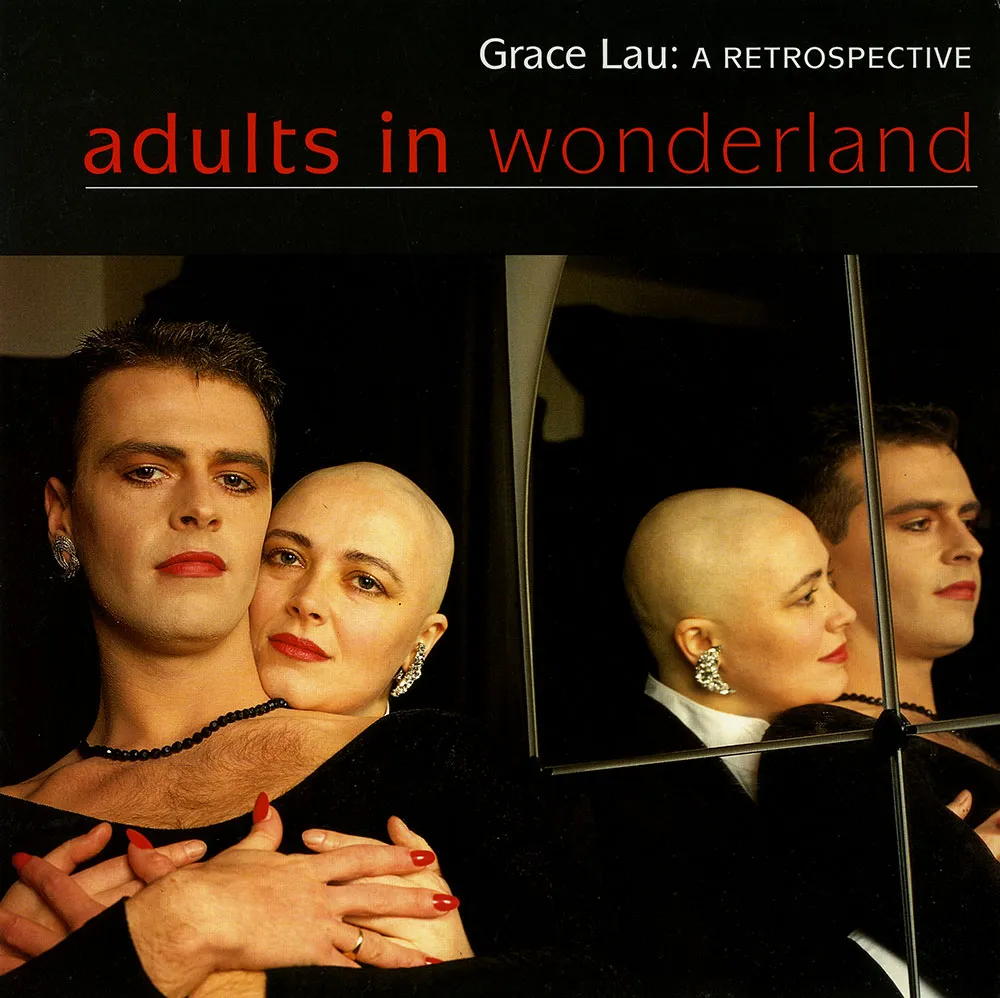
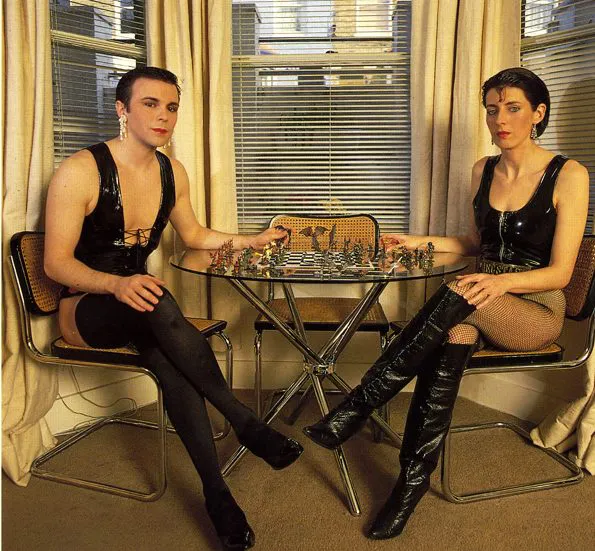
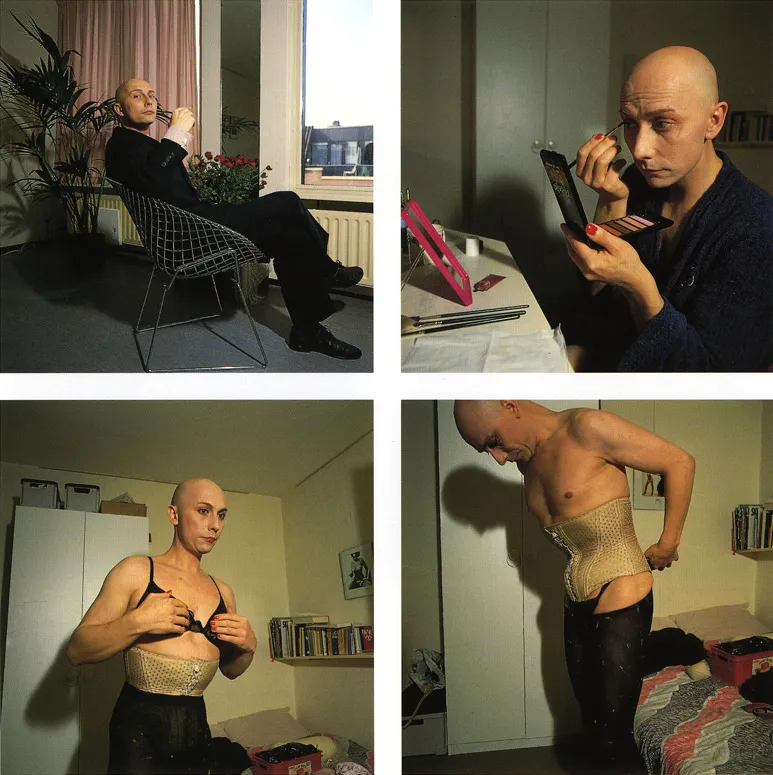
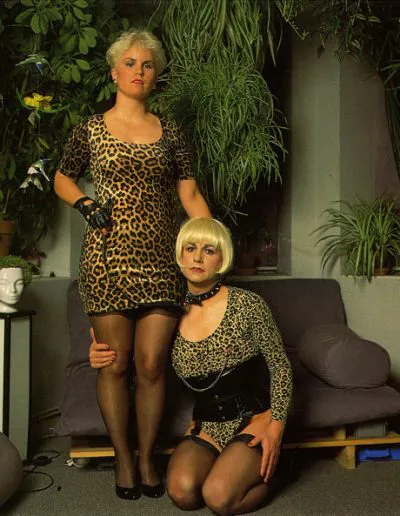
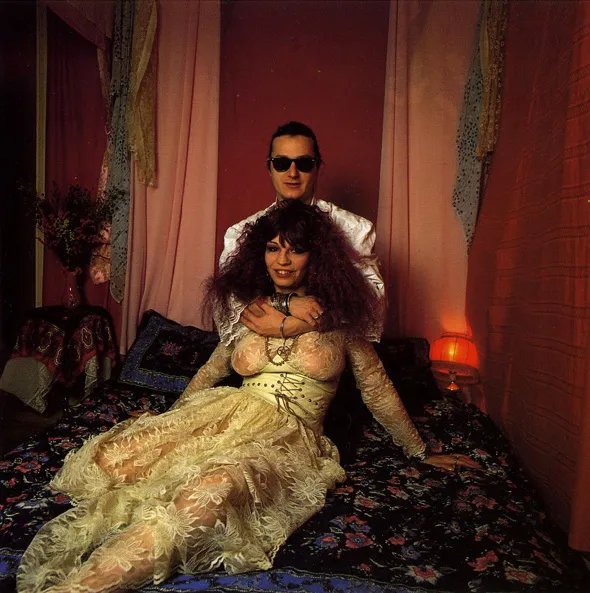
“It was really gobsmacking seeing people all dressed up in their leather, rubber, and with edgy sexuality – but no actual sex was going on. They were play-acting dominant and submissive roles, so there were slaves and mistresses, girls in splendid outfits with lace and feather.” – Grace Lau
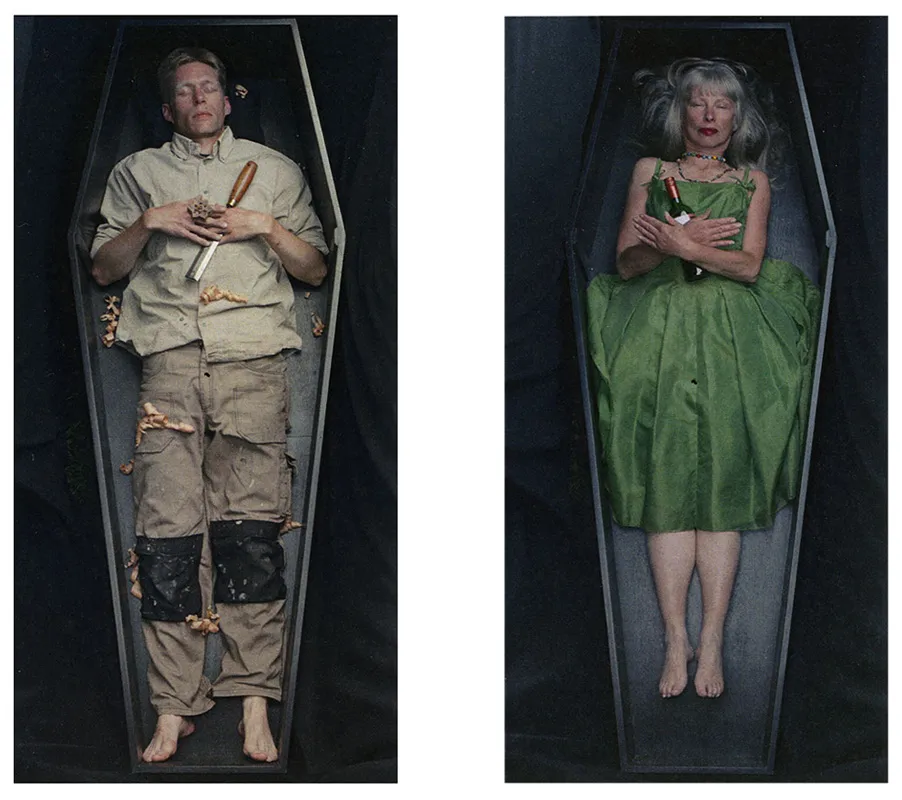
Additionally, she created the “Ad/dressing Death” project, which consists of a series of pictures of people laying in a wooden coffin while dressed as they would want after pass away. and carrying what they choose to carry with them. Her idea is to explore the taboo topic of death, demystify the anxiety that surrounds its fundamental meaning, and bring what is typically concealed from view to light.
Her ambitions are to address social concerns as an artist, promote inquiry and discussion, and increase awareness of bias and stereotyping.
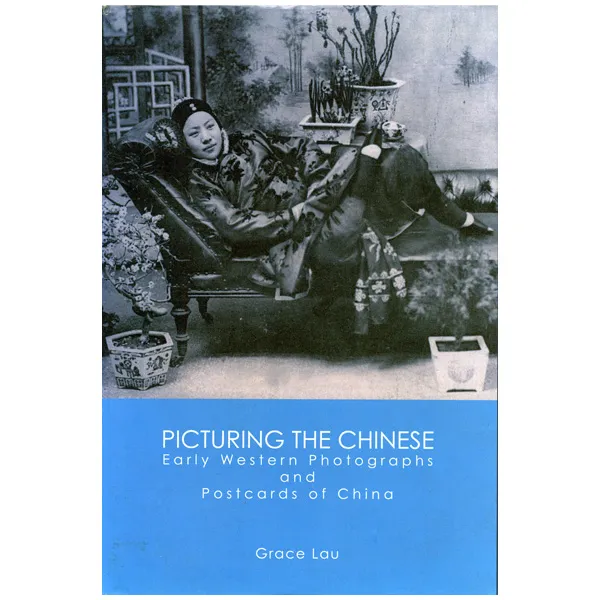
Picturing the Chinese: Early Western Photographs and Postcards of China (2008) Grace Lau’s project takes the form of a book, which documents photographs taken by Westerners in China during the latter 19th Century. She focuses on new vision technology on cultural motifs like chinoiserie, exoticism, and the idea that China is a dangerous and enigmatic place. Anyone interested in Chinese history and the visual arts will be captivated byPicturing the Chinese‘s fascinating interplay of word and picture. During a time when Asia became a fascinating source of exotic and interesting culture, exquisite china and silks, and tea, these photographs serve as evidence for a certain style of conceptualizing and were primarily meant for the foreign Western market.
She has exhibited widely, including at the National Portrait Gallery, Tate Britain, Turner Contemporary Margate, Photo Fusion London, and Aberystwyth Art Centre. Her work is in the collections of the National Portrait Gallery, Tate Modern, Sarah and David Kowitz, and the Asia Culture Centre in South Korea. She won first prize at the fourth Global SinoPhoto Awards in 2024. Her work was included in the Tate Britain exhibition The Eighties: Photographing Britain in 2025. Grace Lau continues to use image-making as both artistic expression and social engagement, contributing to a broader conversation about representation, empowerment, and the evolving role of women in contemporary society. Currently, her landmark exhibition,Portraits in a Chinese Studio, is capturing the hearts of the public at the Hastings Museum & Art Gallery from 13 January 2026 – 29 March 2026 Free – All ages.
Photos courtesy of Grace Lau
Post Author